Over-Ripe Buds: How to Spot and Avoid Them

Quick answer: Buds are over-ripe when most trichomes have turned from milky to amber and are starting to look brown or translucent, pistils are fully browned, and the buds feel dull and brittle. At this stage THC has begun degrading into CBN, giving a heavier, sleepier, less potent high. Check trichomes with a loupe and harvest before they pass amber.
Timing the harvest is one of the most important calls a grower makes, and waiting too long is a common mistake. Over-ripe buds are ones left on the plant past their peak, where the cannabinoids have started to break down. The result is weed that looks dull and smokes heavier and sleepier than it should, rather than bright and potent.
Recommended Strains
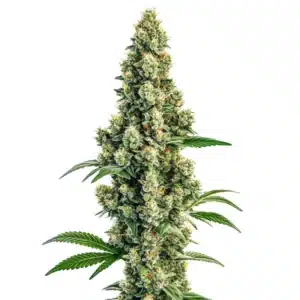
Animal Cookies

|
THC | 22% - 27% (High) |

|
Type | Feminized |

|
Yield | High |

|
Phenotype | 50% Indica / 50% Sativa |

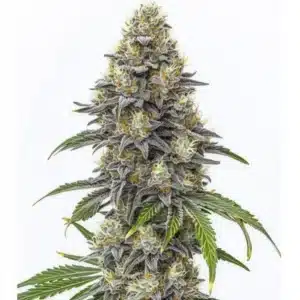
Animal Mints
|
|
THC | 22% - 24% (High) |
|
|
Type | Feminized |
|
|
Yield | Low |
|
|
Phenotype | 60% Indica / 40% Sativa |
The good news is that over-ripeness is easy to spot once you know the signs, and easy to avoid with regular trichome checks. The table below lists the visual cues, and the sections after explain what is happening inside the plant and how to catch the right window.
| Sign | What you see | What it means |
|---|---|---|
| Trichomes | Mostly amber turning brown/translucent | Past peak; THC degrading to CBN |
| Pistils | Fully brown, dried and curled in | Well past the harvest window |
| Buds | Dull, brittle, losing aroma | Terpenes and freshness fading |
| Effect | Heavier, sleepier, less ‘high’ | More CBN, less active THC |
What Over-Ripe Buds Look Like
The clearest tell is the trichomes. As buds ripen, the tiny resin glands shift from clear to milky white (peak THC) and then to amber. When the majority have gone amber and some look brown or glassy, the buds are over-ripe. At that point THC is converting into CBN, a more sedating, less psychoactive cannabinoid.
You will also see it in the plant: pistils (the hairs) turn fully brown and curl inward, buds lose their vivid color and look dull, and when dried they can feel brittle and crumble easily. The aroma fades too, because the delicate terpenes break down with time and light. Visually, over-ripe buds look tired and brownish rather than frosty and bright.
Promos & Deals

How It Affects Potency and Flavor
The effect changes noticeably. As THC degrades into CBN, the high becomes heavier and sleepier, the classic ‘couch-lock’ some users chase but others find too sedating. Overall potency drops compared with buds harvested at milky-to-early-amber, so you lose some of the active punch the strain can offer.
Flavor and aroma suffer as well, because terpenes degrade with extra time on the plant and exposure to light and heat. Over-ripe weed often tastes flatter and smells weaker. If you prefer a clear, energetic high with full flavor, harvesting on time matters just as much as how you grew the plant.
How to Harvest at the Right Time
Avoiding over-ripe buds comes down to checking trichomes, not the calendar. Use a jeweler’s loupe or a pocket microscope and watch the glands: harvest when most are milky white with a few turning amber for a balanced, potent result, or let a few more go amber if you want a more relaxing effect, but do not wait until most are brown. Check every day or two in late flower, since the window moves fast.
The opposite mistake, harvesting too early (lots of clear trichomes and white pistils), gives a weak, harsh result; for that side of the timing, see our guide on white hairs at 9 weeks. For the tools, see our best microscope for trichomes guide, and for post-harvest, our drying guide.
Over-Ripe Buds Outdoors
Outdoor growers face over-ripening more often, because the weather, not the grower, sets much of the timeline. Late in the season, shorter days and rain can push you to leave plants out longer than ideal, and buds can slip past peak while you wait for a dry day to harvest. Outdoors, check trichomes just as closely as indoor growers do, and be ready to harvest in a window of good weather rather than waiting for a ‘perfect’ day that may bring rot instead.
The visual signs are the same outdoors: amber-to-brown trichomes, fully browned pistils and dull, brittle buds. The extra risk outdoors is that over-ripe, dense buds exposed to autumn moisture are more prone to mold and bud rot, so inspect regularly and prioritise harvesting healthy buds over squeezing out a few more days of ripening.

FAQs About Over Ripe Buds
What do over-ripe buds look like?
Over-ripe buds have mostly amber trichomes turning brown or glassy, fully browned and curled pistils, and a dull, brittle appearance with faded aroma. They look tired and brownish rather than frosty and bright. Under a loupe, the resin glands have passed milky and amber into a degraded, translucent state.
Can you still smoke over-ripe buds?
Yes, over-ripe buds are safe to smoke as long as they are not moldy. They are simply less potent and more sedating, since THC has converted to CBN, with weaker flavor. Many people still enjoy them for a heavy, sleepy effect; just check carefully that browning is ripeness, not mold.
When should I harvest to avoid over-ripe buds?
Harvest based on trichomes, not days. Aim for when most trichomes are milky white with a few amber for a balanced, potent high; wait slightly longer only if you want a more relaxing effect. Do not let the majority turn brown. Check every day or two in late flower, since the ideal window is short.
What do over-ripe buds look like outdoors?
The same as indoors: mostly amber-to-brown trichomes, fully browned and curled pistils, and dull, brittle buds with faded aroma. Outdoors there is an added mold risk, since over-ripe, dense buds exposed to autumn rain and humidity can develop bud rot, so inspect closely and harvest healthy buds promptly.
Are over-ripe buds stronger?
No, they are usually less potent in terms of active THC. As buds over-ripen, THC degrades into CBN, which is more sedating but less psychoactive, so the high feels heavier and sleepier rather than stronger. Overall potency and flavor decline, which is why harvesting on time generally gives the best results.
How can I tell if buds are over-ripe or just ready?
Check trichomes with a loupe. Ready buds have mostly milky-white trichomes with a few amber; over-ripe buds have mostly amber trichomes turning brown or glassy, plus fully browned pistils and dull, brittle flowers. If color has moved well past amber into brown, you have passed the ideal window.