How Long Does It Take to Grow Marijuanas: A Complete Guide

Marijuana Growth Timeline: Growing marijuana from seed to harvest typically spans 3 to 8 months. How long does it take to grow marijuana? The answer varies based on factors such as indoor or outdoor cultivation and the plant’s genetic makeup, including autoflowering or photoperiod strains. These influences can significantly optimize your growth timeline and yield potential.
Embarking on the journey of growing marijuana requires balancing light, nutrients, and genetics. While the flowering phase is crucial, the terpene profile and aroma development during this stage are equally vital. Mastering these elements can lead to a successful harvest with robust flavors and potent effects.
Recommended Strains

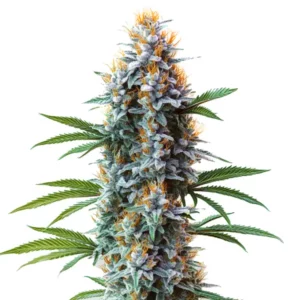
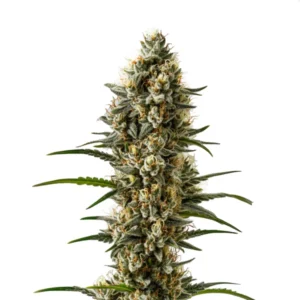
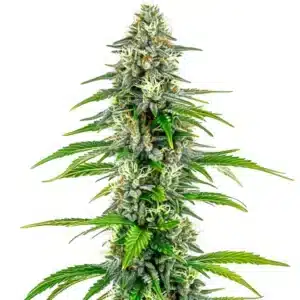
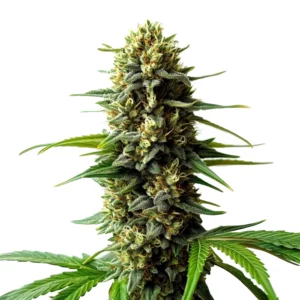
Mimosa XXL Auto

|
THC | 18% - 20% (Medium) |

|
Type | Autoflowering |

|
Yield | Medium |

|
Phenotype | 50% Indica / 50% Sativa |

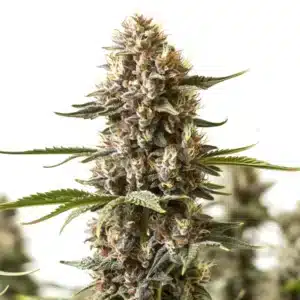
Blue Dream
|
|
THC | 17% - 24% (High) |
|
|
Type | Feminized |
|
|
Yield | High |
|
|
Phenotype | 50% Indica / 50% Sativa |
How Long Does It Take to Grow Marijuanas: Understanding the Cannabis Growth Timeline
Key Stages of Cannabis Growth
The cannabis plant undergoes several critical stages, starting with germination, which typically lasts 3 to 10 days. Following this, the seedling stage can span 2 to 3 weeks, where plants develop their first true leaves. The vegetative stage follows, lasting 3 to 16 weeks, during which plants grow rapidly. Explore vegetative stage week by week pictures to understand the development.
During the vegetative stage, cannabis plants require 16-24 hours of light daily and benefit from a nutrient ratio of N:P:K 3:1:2. This stage is crucial for establishing a strong root system and foliage. Early stages of bud growth pictures help in identifying healthy development.
Practical Application & Impact
As plants transition to the flowering stage, the light schedule typically shifts to 12/12 hours. This stage can last 8 to 11 weeks, depending on the strain. The flowering stage is when buds develop, and terpenes like myrcene and limonene begin to express their aromas. Feminized seeds take a specific time to flower, usually around 8-10 weeks.
Ensuring optimal conditions during flowering, such as maintaining 40-50% RH and temperatures between 68°F – 77°F (20°C – 25°C), can enhance terpene profiles and potency. Avoid over-fertilizing, which can lead to nutrient burn and reduced yield.
Promos & Deals

How Long Does It Take to Grow Marijuanas Indoors vs. Outdoors
Factors Affecting Indoor Growth Time
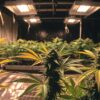
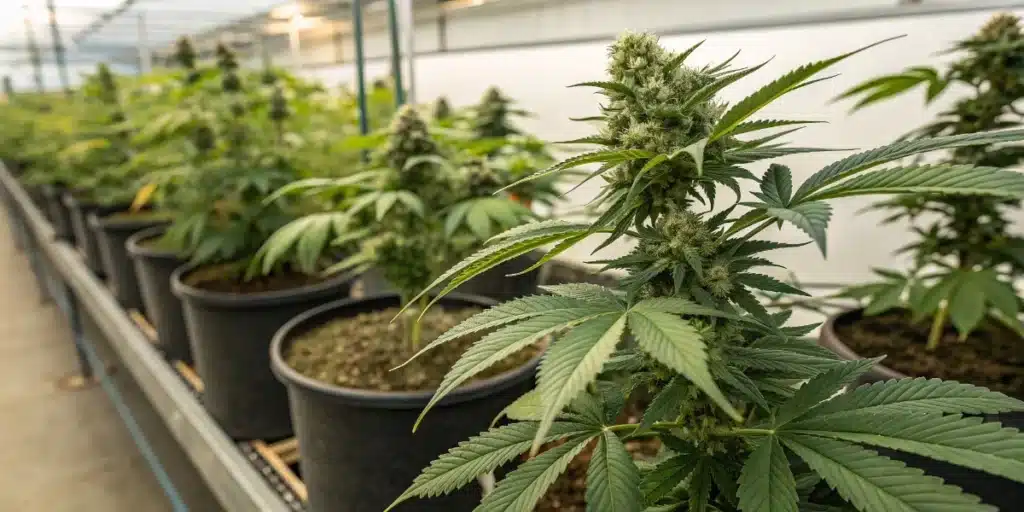
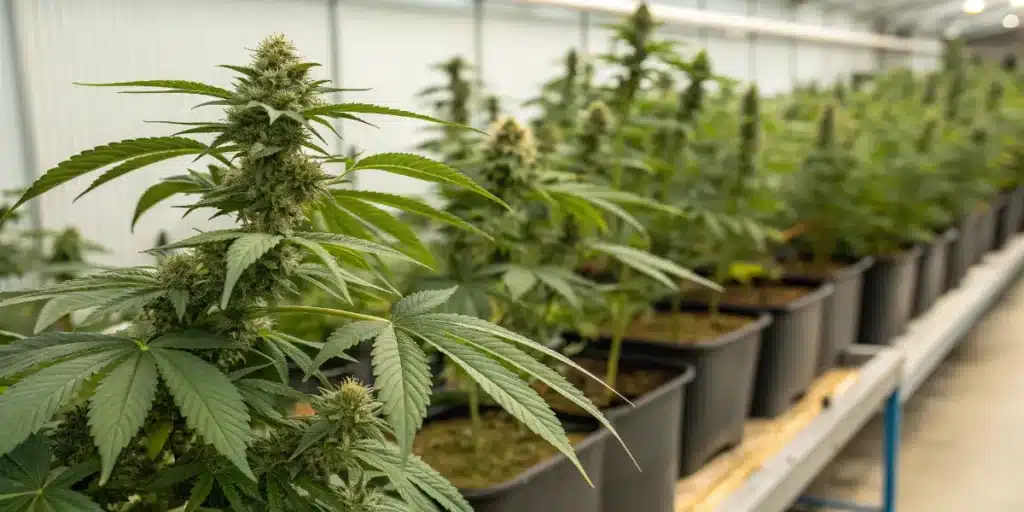
Indoor cultivation offers control over environmental factors, allowing for potentially quicker growth cycles. Typically, indoor grows can complete from seed to harvest in 3 to 5 months, answering the common question, How long does it take to grow marijuana. Stages of bud growth pictures indoors illustrate indoor development and help growers adjust conditions accordingly.
Lighting intensity, measured in µmol/m²/s, should be around 800-1000 during peak flowering. Proper ventilation and CO2 supplementation can further enhance growth rates. Monitoring and adjusting these parameters can prevent common issues like mold and pests.
Factors Affecting Outdoor Growth Time
Outdoor grows rely heavily on natural light cycles, which can extend the growth period to 5 to 8 months. This timeline often answers the common question, how long does it take to grow marijuana, as outdoor cultivation generally takes longer than indoor setups. After 2 months outdoor, plants should reach a certain size, often around 3-4 feet tall, depending on the strain and environmental conditions. See stages of bud growth pictures outdoor to gauge progress.
Outdoor growers must consider local climate and weather patterns. Protecting plants from pests and extreme weather is crucial. Utilizing organic pest control methods and ensuring adequate soil drainage can prevent common outdoor challenges.
| Feature | Mimosa XXL Autoflower | GG4 | Blue Dream |
|---|---|---|---|
| THC Percentage | 18-20% | 27% | 17-24% |
| Flowering Time | 10 – 12 weeks | 8-10 weeks | 8-10 weeks |
| Dominant Terpene | Linalool | Humulene | Caryophyllene |
| Yield | Medium | High | High |
| Effect | Happy, Relaxed, Talkative | Happy, Relaxed, Talkative | Happy, Relaxed, Talkative |
Autoflowering vs. Photoperiod: Time Differences
How Long is the Vegetative Stage for Autoflowers
Autoflowering strains, such as Mimosa XXL Autoflower, transition from seedling to flowering without the need for light cycle changes. The vegetative stage for autoflowers is typically short, lasting about 2 to 4 weeks. This rapid growth cycle allows for multiple harvests in a single season.
Autoflowers thrive under a consistent 18/6 light schedule, optimizing growth and yield. Their compact size makes them ideal for discreet indoor grows. However, they require careful nutrient management to prevent deficiencies or toxicities.
Practical Application & Impact
Photoperiod strains, like GG4, rely on light cycle changes to initiate flowering. These plants can remain in the vegetative stage indefinitely under 18/6 lighting, allowing growers to control plant size. The flexibility of photoperiods can lead to larger yields but requires more time and space.
For autoflowers, maintaining a consistent environment with temperatures between 70°F – 85°F (21°C – 29°C) ensures optimal growth. Avoid overwatering, which can stunt growth and reduce yield potential.
Flowering Stage: What to Expect
How Long is Flowering Stage Indoors
The flowering stage indoors typically lasts 8 to 10 weeks, depending on the strain. During this period, plants require a 12/12 light schedule to promote bud development. The flowering stage indoors allows for precise control over environmental factors, enhancing resin and terpene production, which is an important factor when considering how long does it take to grow marijuana from seed to harvest.
Experienced growers recommend maintaining CO2 levels at 1000-1500 ppm to boost growth rates. Monitoring humidity is crucial, with levels ideally between 40-50% to prevent mold and mildew. The use of supplemental lighting can further enhance bud density and potency.
Practical Application & Impact
During flowering, nutrient needs shift to a higher phosphorus and potassium ratio, such as N:P:K 1:3:2. This supports bud formation and enhances terpene profiles. Regularly inspect plants for signs of nutrient deficiencies or pest infestations.
Ensure adequate airflow to strengthen stems and prevent mold. Pruning lower branches can improve light penetration and air circulation, leading to healthier plants and increased yields.
Tips for Optimizing Growth Time
- Maintain 58-62% RH during cure. Below 55% arrests terpene development; above 65% promotes Botrytis within 48h. Check with a calibrated digital hygrometer, never analog.
- Use a 20/4 light schedule for autoflowers to maximize growth. This balance promotes rapid development without causing stress.
- Ensure soil pH remains between 6.0-7.0 for optimal nutrient uptake. Regularly test and adjust using pH up or down solutions.
- Implement integrated pest management (IPM) strategies to prevent infestations. Regularly inspect plants and use organic solutions like neem oil.
- Prune and train plants to maximize light exposure. Techniques like topping and LST can increase yields by promoting even canopy growth.
- Monitor nutrient levels with an EC meter. Keep EC levels between 1.2-2.0 during vegetative growth and adjust as needed during flowering.
FAQs about How long does it take to grow marijuanas
How long does it take to grow marijuana indoors?
Growing marijuana indoors typically takes 3 to 5 months from seed to harvest. This timeline includes a vegetative phase of 3 to 8 weeks and a flowering phase of 8 to 10 weeks. Indoor cultivation allows for controlled conditions, which can optimize growth rates and yield.
What are the stages of cannabis growth?
Cannabis growth stages include germination (3-10 days), seedling (2-3 weeks), vegetative (3-16 weeks), and flowering (8-11 weeks). Each stage requires specific light, temperature, and nutrient conditions to ensure healthy plant development and maximize yield potential.
How do autoflowering and photoperiod plants differ in growth time?
Autoflowering plants typically complete their cycle in 8-12 weeks, while photoperiod plants can take 3 to 8 months. Autoflowers transition to flowering based on age, not light cycle, allowing for quicker harvests compared to photoperiod strains.
What factors affect the growth time of marijuana plants?
Factors affecting marijuana growth time include genetics, light cycles, nutrient availability, and environmental conditions. Autoflowering strains tend to grow faster than photoperiod strains due to their automatic flowering trait, reducing overall growth time.
How can I speed up the growth of my cannabis plants?
To speed up cannabis growth, optimize light intensity (800-1000 µmol/m²/s), maintain ideal temperatures (70°F – 85°F), and ensure proper nutrient levels. Utilizing autoflowering strains can also reduce growth time due to their rapid life cycle.