How to Grow Dagga: A Complete Guide

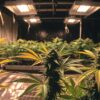
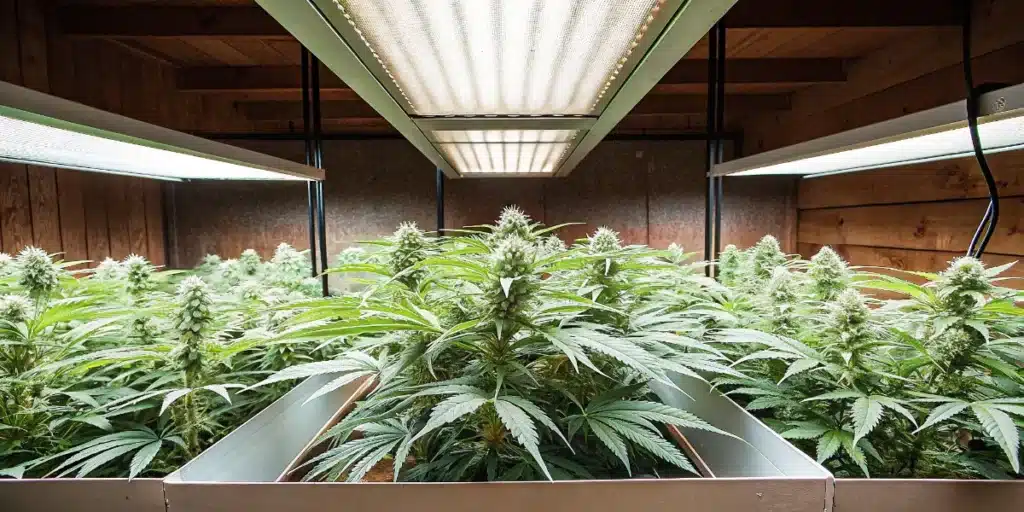
Growing dagga indoors:To cultivate dagga successfully, ensure a controlled environment with optimal light and humidity. If you’re researching how to grow dagga, experienced growers recommend maintaining temperatures between 68°F and 77°F (20°C – 25°C) and humidity at 40-50% during the flowering phase. Proper ventilation and a balanced nutrient mix are crucial for maximizing yields, often reaching 1.5-2 oz/ft² (450-600 g/m²) indoors.
Dagga, commonly known as cannabis, thrives under specific conditions that enhance its terpene profile and flowering time. Terpenes like Myrcene and Limonene contribute to its distinct aroma and effects, with flowering typically occurring over 8-9 weeks. This guide details the steps to establish an ideal indoor environment for dagga cultivation, ensuring robust growth and potent harvests.
Recommended Strains
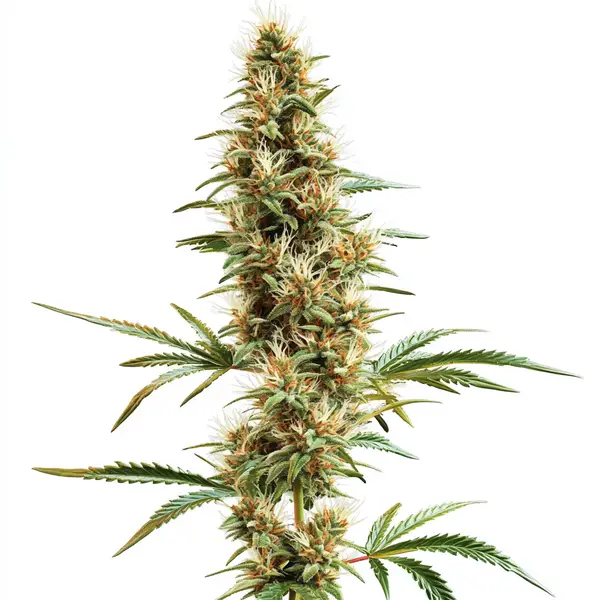
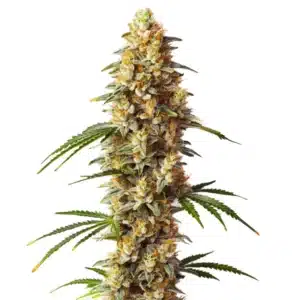
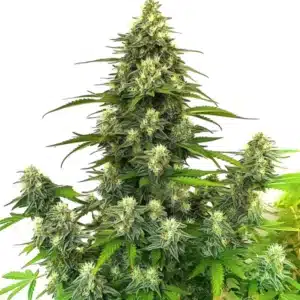
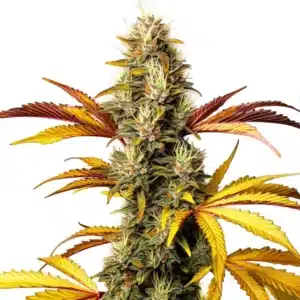
2046 Fast Version

|
THC | 20% - 26% (High) |

|
Type | Fast Flowering |

|
Yield | High |

|
Phenotype | 20% Indica / 80% Sativa |
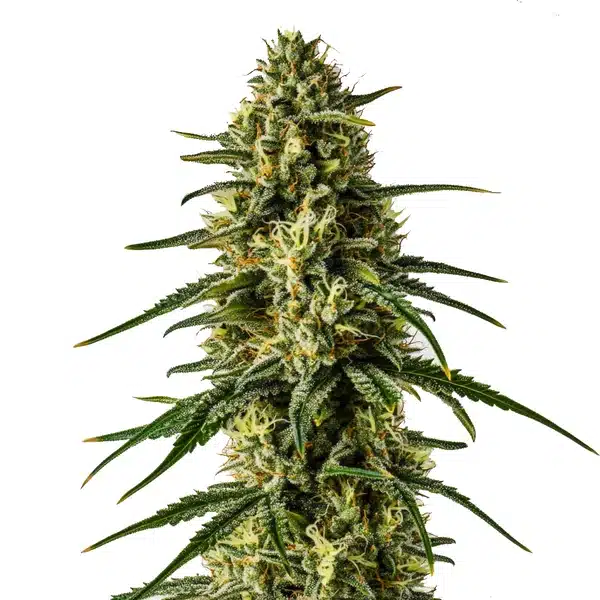
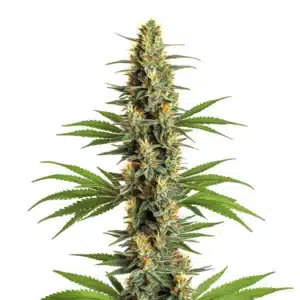
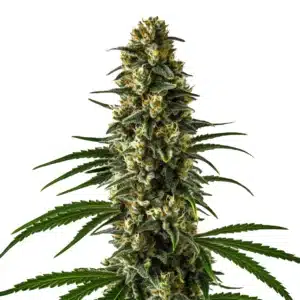
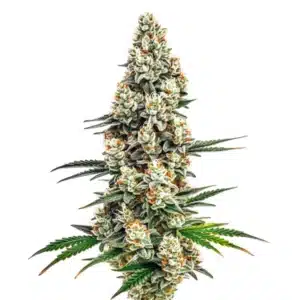
Girl Scout Cookies x Kush
|
|
THC | 15% - 20% (Medium) |
|
|
Type | Feminized |
|
|
Yield | High |
|
|
Phenotype | 70% Indica / 30% Sativa |
Dagga Cultivation Essentials
What is Dagga?
Dagga, a term often used interchangeably with cannabis, refers to the plant species known for its psychoactive properties. It contains over 100 cannabinoids, with THC and CBD being the most prominent. These compounds interact with the body’s endocannabinoid system, producing various effects ranging from euphoria to relaxation.
In its natural habitat, dagga grows in warm, humid climates, requiring ample sunlight and well-drained soil. Indoors, replicating these conditions involves using artificial lighting and controlled environments. The plant’s growth stages include germination, vegetative, and flowering, each with specific light and nutrient requirements.
Indoor Grow Setup List
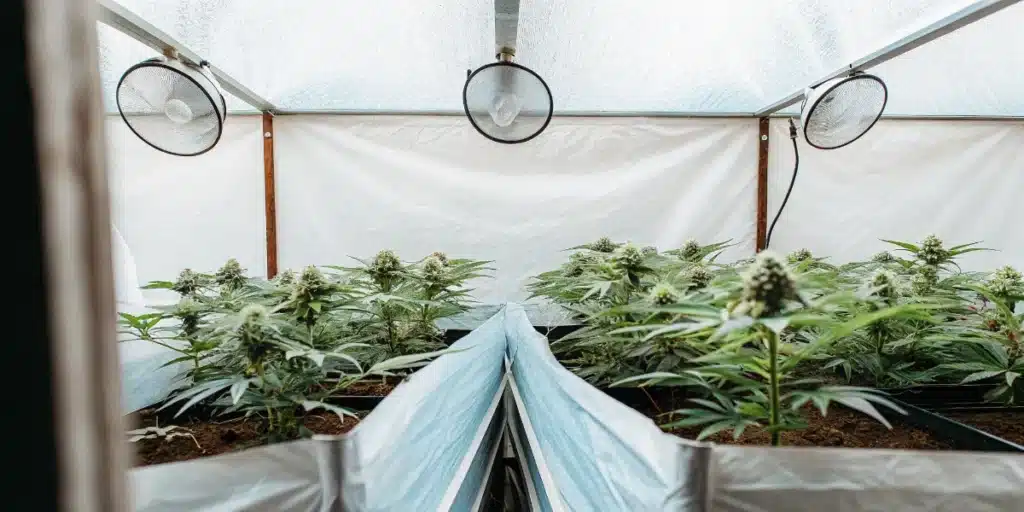
To successfully grow dagga indoors, you’ll need a comprehensive indoor grow setup list that includes lighting, ventilation, and soil requirements. Start with high-intensity discharge (HID) lamps or LED lights to provide the necessary spectrum for photosynthesis. Ensure your grow room maintains a temperature of 70-85°F (21-29°C) during the day and slightly cooler at night.
Ventilation is crucial to prevent mold and pests. Use oscillating fans and exhaust systems to circulate air and maintain humidity levels between 40-60%. Soil should be rich in organic matter, with a pH of 6.5 for optimal nutrient uptake. Consider using a mix of peat moss, perlite, and compost for optimal drainage and nutrient retention.
Promos & Deals
How to Grow Dagga Indoors
Best Grow Setup for Indoors
The best grow setup for indoors involves optimizing light cycles and ensuring proper humidity levels for dagga plants. Implement a 18/6 light cycle during the vegetative stage and switch to 12/12 for flowering to simulate natural day/night conditions. Use full-spectrum LED lights for energy efficiency and heat management.
Humidity control is vital; maintain 40-50% during flowering to enhance resin production and prevent mold. Use a dehumidifier if necessary. Monitor your plants’ nutrient intake closely, adjusting the N:P:K ratio to 1:3:2 during flowering to support bud development.
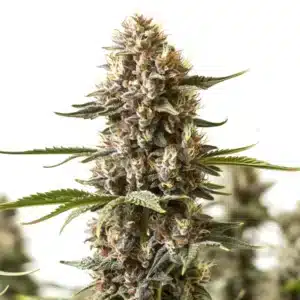
| Feature | Girl Scout Cookies X Kush | Critical X GG4 Auto | 2046 Fast Version |
|---|---|---|---|
| THC Content | 15-20% | 18-22% | 20-26% |
| Flowering Time | 8-10 weeks | 8-10 weeks | 8-10 weeks |
| Yield (Indoor) | 2.13 oz/ft² | 650 g/m² | 1.47 – 1.8 oz/ft² | 450 – 550 g/m² | 1.47 – 1.97 oz/ft² | 450 – 600 g/m² |
| Dominant Terpene | Myrcene | Humulene | Caryophyllene |
| Effect | Happy, Relaxed, Talkative | Euphoric, Happy, Relaxed | Euphoric, Happy, Relaxed |
Best Practices for Consistent Yields
Maximizing Light Efficiency
Light is the driving force behind photosynthesis, directly impacting plant growth and yield. Use LED lights with a PPFD of 800-1000 µmol/m²/s during flowering to maximize bud density. Position lights 18-24 inches above the canopy to ensure even light distribution.
Reflective surfaces like Mylar can increase light efficiency by up to 30%, reducing energy costs. Avoid hot spots by regularly adjusting light height and spacing as plants grow.
Optimizing Nutrient Regimens
Feeding schedules should adapt to each growth stage. During the vegetative phase, use a nutrient mix with an N:P:K ratio of 3:1:2 to promote robust growth. Transition to a 1:3:2 ratio during flowering to support bud development and enhance terpene production.
Over-fertilization can lead to nutrient burn, characterized by yellowing leaves and stunted growth. Monitor your plants closely and adjust feeding based on visual cues and soil pH levels.
Harvesting and Uses of Marijuana Plants
Harvest Timing and Techniques
Harvesting at the right time ensures maximum potency and flavor. Trichomes should appear milky white, with some turning amber, indicating peak THC levels. Use a magnifying glass to inspect trichomes closely. Harvesting too early can result in lower potency, while waiting too long may degrade THC into CBN, altering effects.
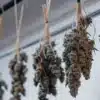
Cut plants at the base and hang them upside down in a dark room with 60-70°F (15-21°C) and 45-55% humidity. This slow drying process preserves terpenes and cannabinoids, enhancing the final product’s quality.
Marijuana’s Plants Uses
Beyond recreational use, marijuana’s plants have various applications, including medicinal uses and industrial hemp production. Medical cannabis is used to alleviate symptoms of chronic pain, anxiety, and nausea. Hemp fibers are utilized in textiles, construction, and biofuels, showcasing the plant’s versatility.
Research into cannabinoids continues to uncover new therapeutic potentials, expanding the plant’s uses in health and wellness sectors. Always consult local regulations regarding cultivation and use to ensure compliance.
Professional Tips for Growing Dagga
- Maintain 58-62% RH during cure. Below 55% arrests terpene development; above 65% promotes Botrytis within 48h. Check with a calibrated digital hygrometer, never analog.
- Use a 20/4 light schedule for autoflowers to maximize growth. Deviating can stress plants, reducing yields by up to 20%.
- Ensure soil pH remains at 6.5 for optimal nutrient uptake. Deviations can lock out nutrients, causing deficiencies and impacting growth.
- Monitor EC levels in hydroponic systems, keeping them between 1.2-2.0 mS/cm. High EC can lead to salt buildup, harming roots.
- Rotate plants weekly to ensure even light exposure. This prevents uneven growth and maximizes canopy efficiency.
- Prune lower branches and leaves to improve airflow and light penetration, reducing mold risk and enhancing bud quality.
FAQs about How to grow dagga
What equipment do I need for an indoor dagga grow?
You’ll need LED or HID lights, oscillating fans, exhaust systems, and a dehumidifier. Maintain temperatures between 70-85°F (21-29°C) and humidity at 40-60%. Soil should be rich in organic matter with a pH of 6.5. Proper equipment ensures optimal growing conditions and maximizes yield.
How can I maximize the yield of my dagga plants?
Optimize light cycles, maintain 40-50% humidity during flowering, and use a balanced nutrient mix. Implement a 12/12 light schedule for photoperiodic strains. Regularly prune and train plants to improve light penetration and airflow, enhancing bud development and overall yield.
What are the medicinal uses of marijuana?
Marijuana is used to alleviate chronic pain, anxiety, and nausea. It contains cannabinoids like THC and CBD, which interact with the endocannabinoid system. Dosages vary, but starting with 5-10mg of THC or CBD is common. Always consult a healthcare professional before use.
What light conditions are ideal for growing dagga?
Use full-spectrum LED lights with a PPFD of 800-1000 µmol/m²/s during flowering. Maintain a 18/6 light cycle during the vegetative stage and switch to 12/12 for flowering. Proper light conditions enhance photosynthesis and maximize bud development.
How does humidity affect dagga plant growth?
Humidity levels influence transpiration and nutrient uptake. Maintain 40-60% during vegetative and 40-50% during flowering. High humidity can lead to mold, while low levels can cause nutrient deficiencies. Use a hygrometer to monitor and adjust humidity as needed.