Guide to Hydroponic Cannabis (Marijuana)

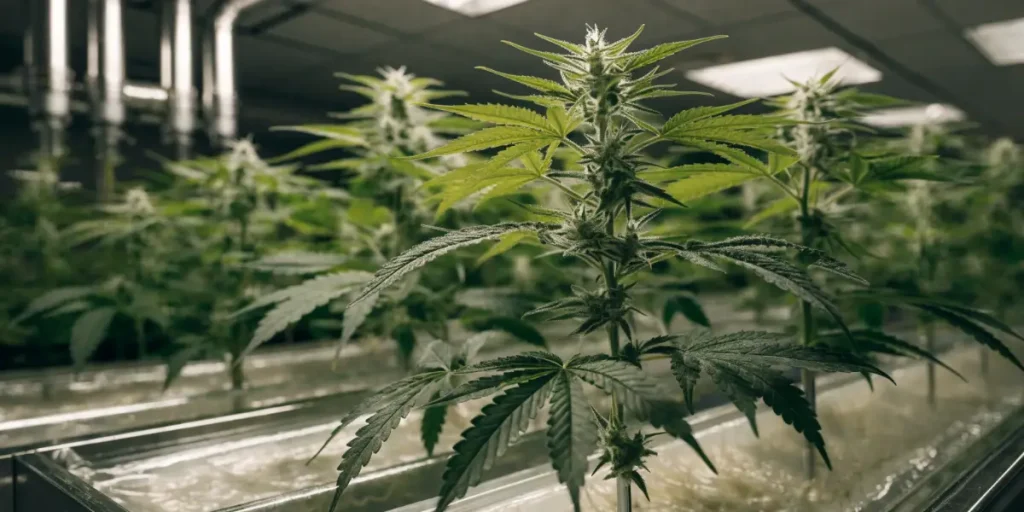
Hydroponic cannabis is marijuana grown without soil, with the roots fed directly by a nutrient-rich water solution (or sitting in an inert medium fed by one). Because you control the plant’s entire diet precisely, hydro can produce faster growth and bigger yields than soil, which is its main appeal, but it’s less forgiving, since there’s no soil buffer and problems show up fast. For beginners, Deep Water Culture (DWC), where roots hang in oxygenated nutrient water, is the simplest system to start with. Success comes down to managing a few things well: a complete, fully soluble nutrient solution, correct pH (about 5.5-6.0), plenty of dissolved oxygen at the roots, and a clean reservoir.
Below: what hydro is, the best beginner systems, the pros and cons, and how to run one.
Recommended Strains
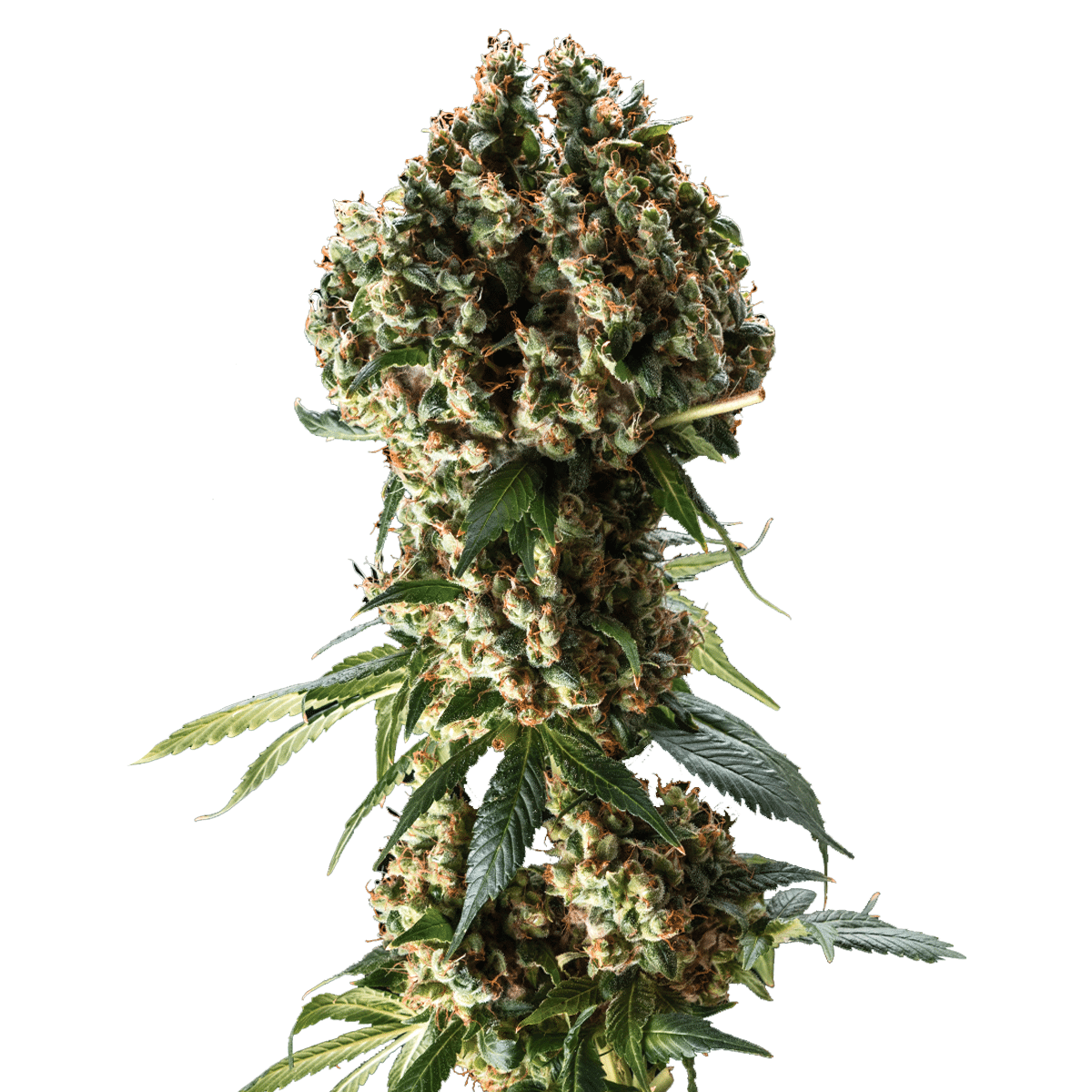
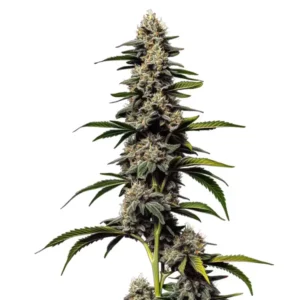
Granddaddy Purple

|
THC | 25% (High) |

|
Type | Feminized |

|
Yield | High |

|
Phenotype | 70% Indica / 30% Sativa |

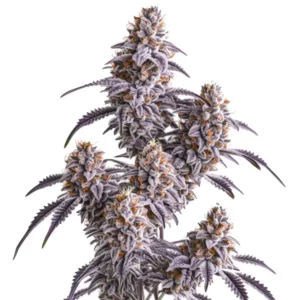
Mango
|
|
THC | 20% - 22% (Medium) |
|
|
Type | Feminized |
|
|
Yield | High |
|
|
Phenotype | 70% Indica / 30% Sativa |
Hydroponic Systems at a Glance
Common systems and who they suit:
| System | How it works | Best for |
|---|---|---|
| Deep Water Culture (DWC) | Roots in oxygenated nutrient water | Beginners; simple, fast growth |
| Ebb and flow | Floods and drains the medium | Intermediate; flexible |
| Drip systems | Nutrient dripped to each plant | Scalable, commercial |
| NFT | Thin film of nutrient over roots | Advanced; efficient |
Promos & Deals

What Is Hydroponic Cannabis?
Hydroponics means growing plants without soil, instead, the roots get everything they need from a water-based nutrient solution, either suspended directly in the oxygenated water or anchored in an inert medium (like clay pebbles or rockwool) that’s fed by it. For cannabis, this means you deliver nutrients straight to the roots in precisely the amounts you choose, rather than relying on soil to store and release them. The result can be very fast, vigorous growth and large yields, because the plant isn’t spending energy searching for food and gets an optimised diet on demand.
The trade-off is control cuts both ways: with no soil to buffer mistakes, pH or nutrient errors hit quickly, so hydro rewards attention and precision. It’s a popular method for indoor growers chasing maximum speed and yield, and well worth understanding before you start.
Best System for Beginners: DWC
If you’re new to hydro, Deep Water Culture (DWC) is the usual recommendation, and for good reason. In DWC, the plant sits in a net pot with its roots hanging down into a reservoir of nutrient solution that’s kept richly oxygenated by an air pump and air stone. It’s mechanically simple (few moving parts), inexpensive to set up, and famously produces fast, lush growth because the roots have constant access to water, nutrients and oxygen. That simplicity makes it the friendliest entry point to hydroponics, you can even build a basic single-plant ‘bubbleponics’ bucket at home.
The main things to watch are keeping the water well-oxygenated, maintaining the right pH and nutrient strength, and keeping the reservoir clean and at a reasonable temperature. Master a simple DWC setup and you’ll understand the core principles that apply to every other hydro system.
Oxygen, Nutrients and pH: The Essentials
Three things make or break a hydro grow. Oxygen: roots sitting in water still need to breathe, so dissolved oxygen is vital, an air pump and air stones keep the solution oxygenated and prevent root rot, which is why aeration is non-negotiable in DWC. Nutrients: because there’s no soil, you provide a complete, fully water-soluble hydroponic nutrient line with all the macro, secondary and micro nutrients, dosed for the growth stage (more nitrogen in veg, more phosphorus and potassium in flower), and you monitor strength with an EC/PPM meter to avoid under- or over-feeding. pH: cannabis absorbs nutrients best at a root-zone pH of about 5.5-6.0 in hydro, so you check and adjust it regularly, since wrong pH locks nutrients out even when they’re present.
Get oxygen, nutrients and pH right, backed by a clean reservoir, and the plant thrives. See our guides to cannabis nutrition and the best hydroponic nutrients.
Pros and Cons of Hydroponic Cannabis
Hydro’s big advantages are speed and yield: with an optimised, on-demand diet and great root oxygenation, plants often grow faster and produce bigger harvests than in soil, and you get precise control plus (usually) fewer soil-borne pests. The downsides are the flip side of that control: it’s less forgiving, since there’s no soil buffer, so pH, nutrient or oxygen problems escalate quickly and demand prompt attention; it needs more monitoring and some equipment (pumps, meters, reservoirs); and power or pump failures can stress plants fast.
It’s also a steeper learning curve than soil. So hydro suits growers who want maximum performance and are willing to be attentive and precise, while soil remains more forgiving for hands-off or beginner growers. Many start in soil and move to hydro, or begin with a simple DWC bucket to learn, before scaling up. Weigh the yield payoff against the hands-on commitment.
Setting Up a Simple Home Hydro System
A basic DWC setup is achievable at home. You need a lightproof reservoir or bucket, a lid with net-pot holes, net pots and an inert medium (like clay pebbles) to anchor the plant, an air pump with air stone(s) to oxygenate the water, and your nutrients plus a pH and EC meter. Fill the reservoir with pH’d, nutrient-dosed water so the net pot’s base just contacts it (roots grow down into it), run the air pump continuously for oxygen, and top up and monitor the solution as the plant drinks, changing the reservoir periodically to keep it balanced and clean.
Keep the water at a sensible temperature (too warm encourages root problems) and the reservoir lightproof (light grows algae). It’s genuinely beginner-friendly once set up, and teaches you the hydro fundamentals. For a larger or indoor build, pair it with a proper grow room setup.
The Bottom Line on Hydroponic Cannabis
Hydroponic cannabis is grown without soil, feeding the roots directly with an oxygenated nutrient solution, which can deliver faster growth and bigger yields than soil thanks to precise, on-demand feeding. The trade-off is less forgiveness: pH, nutrient and oxygen problems escalate quickly, so hydro rewards attention. For beginners, a simple Deep Water Culture (DWC) setup is the best entry point.
Whatever system you use, the essentials are the same: a complete soluble nutrient line, correct pH (about 5.5-6.0), strong root oxygenation, and a clean reservoir. Get those right and hydro produces some of the fastest, heaviest cannabis harvests, well worth the extra hands-on care.
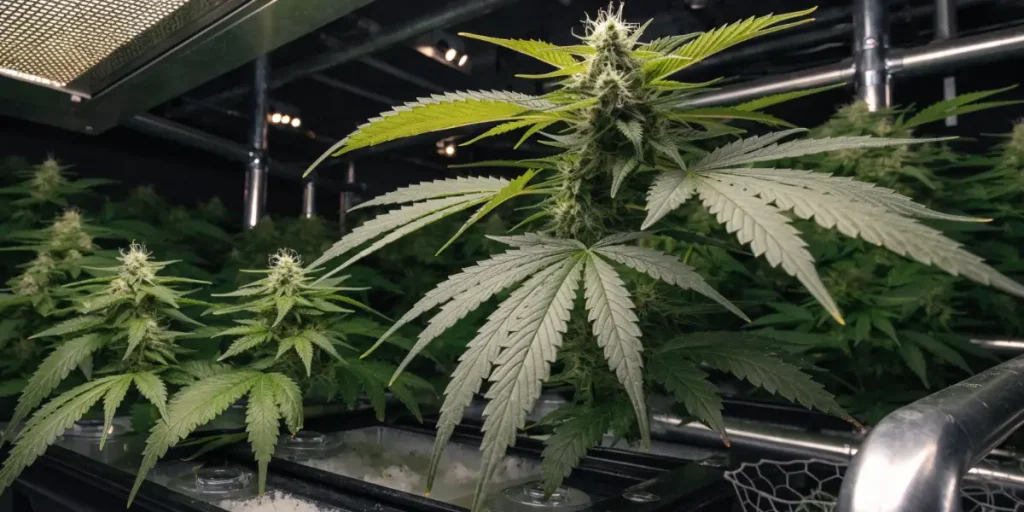
FAQs about Hydroponic Marijuana
What is hydroponic weed?
Cannabis grown without soil, with the roots fed directly by an oxygenated, nutrient-rich water solution (or an inert medium fed by one). You control the plant’s whole diet precisely, which can give faster growth and bigger yields than soil, but it’s less forgiving, since there’s no soil buffer, so pH and nutrient problems show up quickly.
Which hydro system is easiest to start with?
Deep Water Culture (DWC), where the plant’s roots hang in oxygenated nutrient water. It’s mechanically simple, inexpensive and produces fast, lush growth, making it the friendliest entry to hydroponics (you can build a basic single-bucket version at home). Just keep the water oxygenated, the pH right, and the reservoir clean.
What pH for hydro cannabis?
About 5.5-6.0 at the root zone, lower than soil’s 6.0-6.5. In that range the plant absorbs nutrients efficiently; outside it, nutrients lock out and deficiency symptoms appear even when present. Check and adjust pH regularly with a meter, since it drifts as the plant feeds, it’s one of the most important things to monitor in hydro.
Is hydro better than soil?
It can grow faster and yield more thanks to precise, on-demand feeding and great root oxygenation, but it’s less forgiving and needs more monitoring and equipment, with no soil buffer for mistakes. Soil is more forgiving and beginner-friendly. Hydro suits attentive growers chasing maximum performance; many start in soil or a simple DWC bucket first.