Exploring the VOC Profile of Pine Cannabis Strains

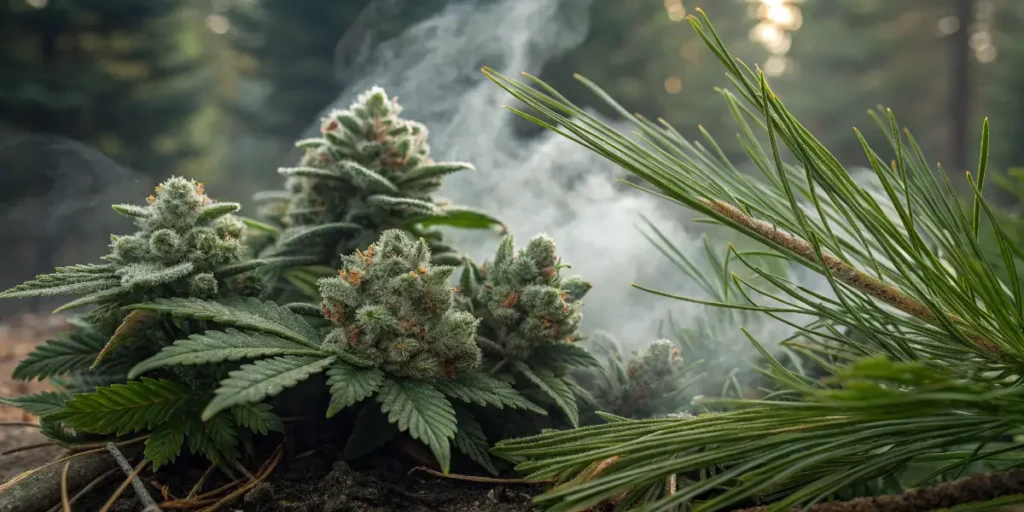
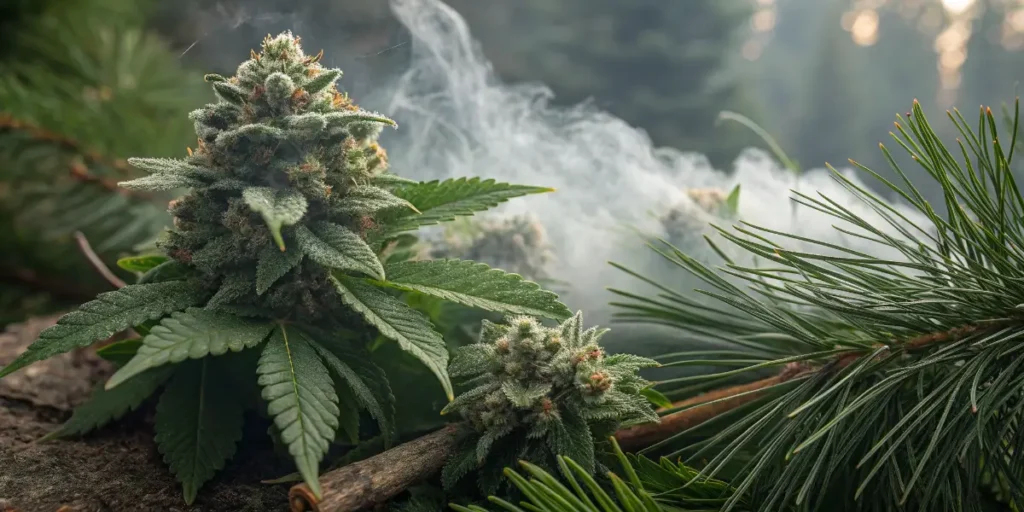
Pine cannabis strains are famed for their unique terpene profiles, particularly high in pinene, which imparts a refreshing pine aroma. The pine strains VOC profile cannabis enthusiasts look for is often associated with strains such as Pine OG and Green Pine, which typically have a flowering time of 8–9 weeks, making them a favorite among cultivators. The presence of other terpenes like limonene also adds complexity to their scent, flavor, and overall effects.
VOCs in Cannabis
What are VOCs?
Volatile Organic Compounds (VOCs) are organic chemicals that have a high vapor pressure at room temperature, contributing to the aroma of cannabis. In the context of cannabis, VOCs are primarily terpenes and terpenoids, which are responsible for the plant’s distinctive scents. These compounds evaporate easily, hence their volatility, and are crucial in defining the aromatic profile of different strains, including the unique pine strains VOC profile cannabis enthusiasts often seek for its fresh, earthy, and forest-like characteristics.
Recommended Strains

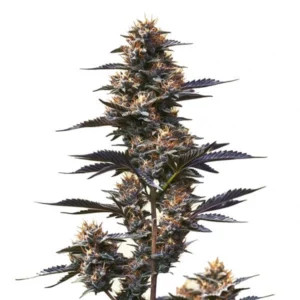
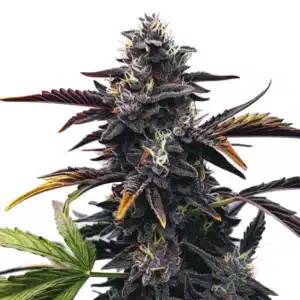
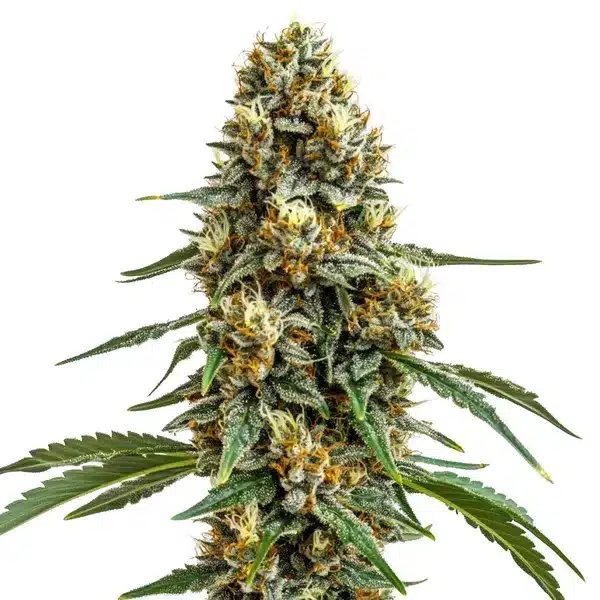
Mimosa

|
THC | 24% - 30% (High) |

|
Type | Feminized |

|
Yield | High |

|
Phenotype | 30% Indica / 70% Sativa |
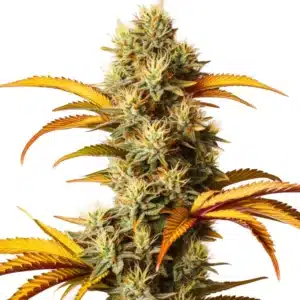
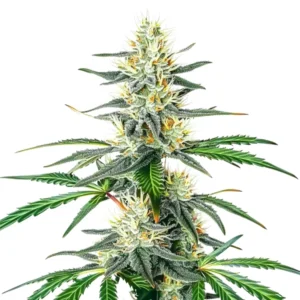
Durban Poison
|
|
THC | 15% - 25% (High) |
|
|
Type | Feminized |
|
|
Yield | High |
|
|
Phenotype | 10% Indica / 90% Sativa |
In cannabis, VOCs like pinene, myrcene, and limonene are prevalent. Pinene, for instance, can range from 0.5% to 2% in pine strains, providing a sharp, pine-like aroma. These compounds not only affect the scent but also interact with cannabinoids to influence the overall effects of the strain.
Importance of VOCs in Cannabis
VOCs play a significant role in the sensory experience of cannabis. They influence not only the aroma but also the flavor and effects. For instance, pinene is known for its potential to enhance alertness and memory retention. This makes strains high in pinene particularly appealing for users seeking mental clarity.
Moreover, the entourage effect, where VOCs and cannabinoids work synergistically, is crucial. Pinene, often found in concentrations of 1-2% in strong pine strains, can enhance the effects of THC by increasing its absorption. This interaction underscores the importance of VOCs in the overall cannabis experience.
Promos & Deals

The Pine Aroma: Key Terpenes
Pinene and Its Effects
Pinene is the primary terpene responsible for the pine aroma in cannabis strains and plays a major role in the pine strains VOC profile cannabis enthusiasts often seek. It exists in two structural isomers, alpha-pinene and beta-pinene, with alpha-pinene being more prevalent in cannabis. This terpene is not only responsible for the refreshing pine scent but also offers various therapeutic benefits.
In strains like Durban Poison, pinene content can reach up to 2%, contributing to its sharp, invigorating aroma. Physiologically, pinene is noted for its bronchodilator properties, which can improve airflow to the lungs, and its potential to counteract THC-induced short-term memory impairment.
Other Terpenes Contributing to Pine Aroma
Besides pinene, other terpenes such as limonene and myrcene also contribute to the complex aroma of pine cannabis strains. Limonene, often present in concentrations of 0.5-1%, adds a citrusy note, enhancing the overall freshness of the scent. Myrcene, on the other hand, provides an earthy undertone.
These terpenes not only enrich the aromatic profile but also influence the strain’s effects. Limonene is known for its mood-enhancing properties, while myrcene can enhance the sedative effects of THC. Together, they create a balanced experience that is both uplifting and relaxing.
Popular Pine Cannabis Strains
Strongest Pine Strains
Among the strongest pine strains, Mimosa stands out for its high pinene content, often exceeding 2%. This variety is frequently highlighted in discussions about the pine strains VOC profile cannabis growers look for due to its potent pine aroma and robust effects. Experienced growers report that Mimosa delivers a balanced high, combining cerebral stimulation with physical relaxation.
Another notable strain is Mimosa, which offers a vibrant pine scent due to its significant pinene levels. This strain is known for its balanced effects, making it suitable for both daytime and evening use. Cultivators appreciate its resilience and aromatic profile.
In the Pines Strain Seeds
In the Pines strain seeds are known for their robust growth and distinct pine aroma. This strain is particularly popular among growers seeking a reliable yield and a unique sensory experience. It typically flowers in 8-9 weeks, producing dense buds with a strong pine scent.
The strain’s terpene profile is dominated by pinene, complemented by limonene and myrcene, which enhance its aromatic complexity. In the Pines is ideal for users looking for a refreshing and uplifting experience, with effects that promote mental clarity and relaxation.
Professional Tips for Growing Pine Strains
- Maintain 58-62% RH during curing to preserve terpene profiles. Below 55% can arrest terpene development, while above 65% may promote mold growth.
- Ensure adequate airflow to prevent humidity build-up, which can lead to mold. Use oscillating fans to maintain air circulation.
- Monitor pH levels, keeping them between 6.0 and 6.5 for soil and 5.5 to 6.0 for hydroponics, to ensure nutrient uptake.
- Use a light schedule of 18/6 for vegetative growth and 12/12 for flowering to optimize yield and potency.
- Employ training techniques like topping and LST to increase light penetration and maximize yield.
- Regularly check for pests and diseases, using organic pest control methods to maintain plant health.
FAQs about pine strains VOC profile cannabis
Which strains are high in pinene?
Strains high in pinene include Mimosa and Durban Poison. These strains typically have pinene levels ranging from 1% to 2%, contributing to their distinctive pine aroma. Pinene is known for its alertness-enhancing properties, making these strains popular among users seeking mental clarity and focus.
What foods can bring down a high?
Citrus fruits like lemons and oranges can help reduce the effects of a cannabis high due to their high vitamin C content. Additionally, black pepper, which contains caryophyllene, may help counteract THC’s psychoactive effects. Drinking water and consuming foods rich in fats can also aid in metabolizing THC more quickly.
Can pine strains be used in edibles?
Yes, pine strains can be used in edibles, offering a unique flavor profile due to their high pinene content. When making edibles, it’s important to decarboxylate the cannabis to activate THC. Pine strains like Mimosa provide a refreshing taste, and their effects can be enhanced when combined with other ingredients like citrus or mint.