Expert Tips: Why Your Cannabis Plants Are Not Absorbing Nutrients

Growing cannabis can be a rewarding endeavor, but sometimes your plants might not be thriving as expected. A common issue is poor nutrient absorption. If you’re wondering why your cannabis plants are not absorbing nutrients effectively, you’re not alone. This problem can stem from several factors, and addressing them can help your plants reach their full potential.
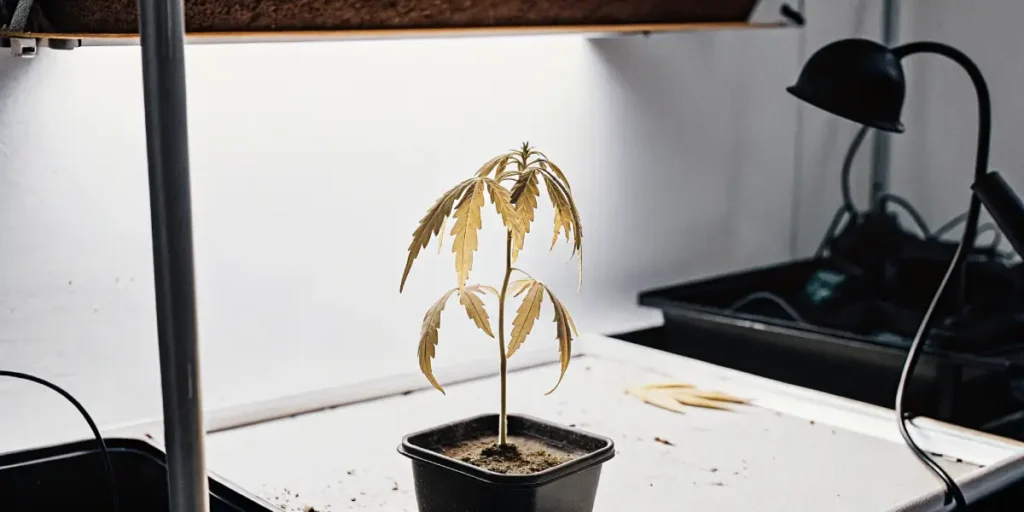
Nutrient deficiencies in cannabis can appear as yellowing leaves, stunted growth, or even browning edges. These symptoms are often indicators that the roots aren’t taking up nutrients as they should. Identifying the causes early can prevent more severe issues down the line.
Recommended Strains
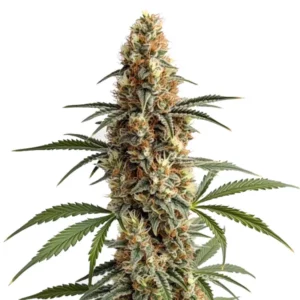
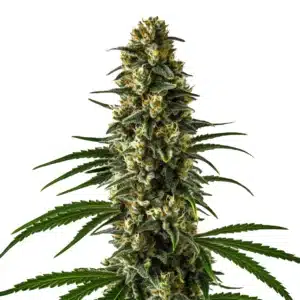
Mamba Negra

|
THC | 18% (Medium) |

|
Type | Feminized |

|
Yield | High |

|
Phenotype | 55% Indica / 45% Sativa |
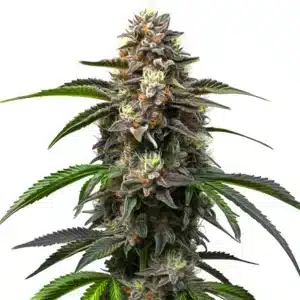
Girl Scout Cookies
|
|
THC | 18% - 25% (Medium) |
|
|
Type | Feminized |
|
|
Yield | High |
|
|
Phenotype | 60% Indica / 40% Sativa |
It’s crucial to understand that cannabis nutrient deficiency causes can vary. From improper pH levels to overwatering, knowing what to look for can save your plants. Let’s delve into some of these reasons and what you can do about them.
Common Causes of Nutrient Absorption Issues
One of the primary reasons cannabis plants not absorbing nutrients is an imbalance in the growing medium’s pH level. Cannabis plants prefer a slightly acidic environment, with soil pH around 6.0 to 6.5 and hydroponic systems at 5.5 to 6.0. If the pH level is off, it can lock out essential nutrients.
Another common issue is nutrient lockout due to over-fertilization. When you add too much fertilizer, it can cause a salt buildup, leading to poor nutrient absorption in cannabis plants. Always follow the feeding schedule and adjust based on the plants’ appearance and growth stage.
Environmental factors such as temperature and humidity can also contribute to why your cannabis plants are not absorbing nutrients. Extreme conditions can stress the plants, affecting their ability to uptake nutrients efficiently. It’s essential to maintain stable conditions to promote healthy nutrient absorption.
Additionally, using the wrong type of fertilizer or an incorrect nutrient mix can be one of the cannabis plants nutrient deficiency causes. Each growth stage requires specific nutrients, and failing to provide the right balance can lead to uptake issues. Tailoring your nutrient plan to your plants’ needs is crucial.
Improper Watering Techniques
Both overwatering and underwatering can cause your cannabis roots not to take up nutrients effectively. Overwatering can suffocate the roots, while underwatering can cause them to dry out. It’s essential to maintain a balance and water your plants only when needed.
For example, if you’re growing outdoors in a hot climate, your plants might need more frequent watering. Conversely, indoor plants might require less frequent watering. Always check the moisture level of the soil before deciding to water.
Water quality is another factor that can influence why cannabis roots aren’t taking up nutrients. Using water with high levels of chlorine or other contaminants can damage roots and hinder nutrient absorption. Consider using filtered or distilled water to minimize potential issues.
Incorporating proper drainage techniques is also vital. Ensure that the pots or growing beds allow excess water to escape, preventing waterlogging and promoting healthy root development. This approach can help reduce reasons cannabis plants not absorbing nutrients.
Root Health and Development
Healthy roots are vital for nutrient uptake. If the roots are damaged or diseased, your cannabis plants will show nutrient uptake issues. Root rot, a common problem caused by overwatering, can severely impact nutrient absorption.
To promote healthy roots, ensure your growing medium has good drainage. If you’re using pots, make sure they have adequate drainage holes. Consider using perlite or coco coir to improve aeration.
Fungal infections can also lead to poor nutrient absorption in cannabis plants. Keeping the environment clean and avoiding excessive humidity can prevent the growth of harmful fungi. Regularly inspecting the roots for signs of disease can help catch problems early.
Using beneficial microbes can enhance root health and improve nutrient uptake. These microbes can help break down organic matter, making nutrients more accessible to your plants. Incorporating them into your growing routine can support robust root development.
Promos & Deals

Nutrient Deficiencies and Their Symptoms
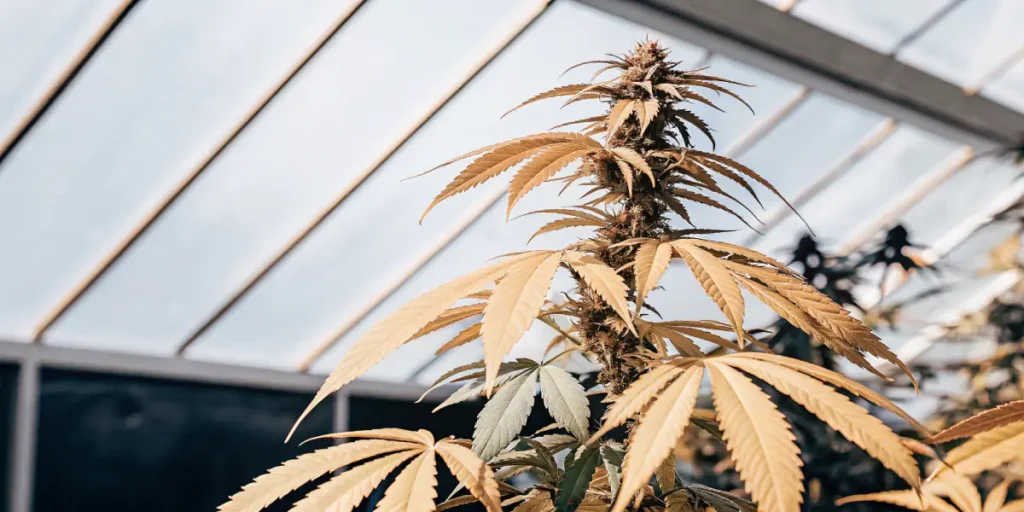
Calcium deficiency is a common issue that can affect cannabis plants’ growth. Symptoms include brown spots on leaves or distorted new growth. Calcium helps in the development of cell walls, and its deficiency can lead to weak stems.
Magnesium is another crucial nutrient. A magnesium deficiency often causes yellowing between the veins of older leaves. This problem can be rectified by adding Epsom salts to your watering routine, which provides a quick magnesium boost.
Other nutrient deficiencies might manifest as specific leaf discolorations or deformities. Iron deficiency, for instance, can cause new growth to turn pale or yellow while older leaves remain green. Identifying these patterns can guide you in addressing the underlying issues.
Knowing why your cannabis plants are not absorbing nutrients can help you pinpoint deficiencies before they become severe. Regular monitoring and timely intervention can mitigate the effects of nutrient shortages and support plant health.
Correcting Nutrient Deficiencies
To correct nutrient deficiencies, first identify which nutrient is lacking. Knowing the specific deficiency will help you choose the right supplement. For instance, if you’re dealing with nitrogen deficiency, a nitrogen-rich fertilizer can help.
Always start with a small dose to see how your plants react. It’s better to under-fertilize than to risk burning your plants with too much nutrient solution. Gradually increase the dosage as needed.
Adjusting the pH of your nutrient solution can also assist in correcting deficiencies. Ensuring the pH is within the optimal range for nutrient uptake can resolve issues where nutrients are present but not accessible to the plant.
Regularly flushing your plants with clean, pH-balanced water can remove salt buildups and other blockages that contribute to nutrient lockout. This practice can revive your plants and restore their ability to absorb nutrients efficiently.
Environmental Factors
Temperature and humidity levels play a crucial role in nutrient uptake. High temperatures can increase transpiration rates, leading to faster nutrient uptake, which might not always be beneficial. Conversely, cold temperatures can slow down the process.
Humidity affects how much water your plants lose through their leaves. In very dry conditions, plants might close their stomata to conserve water, which can also restrict nutrient uptake. It’s essential to maintain optimal temperature and humidity for your cannabis plants.
Proper ventilation can help regulate environmental conditions and prevent stress on your plants. Consistent airflow ensures that heat and humidity levels remain stable, reducing the risk of nutrient uptake issues.
Lighting conditions can also influence why your cannabis plants are not absorbing nutrients. Adequate lighting supports photosynthesis and overall plant health, contributing to effective nutrient use. Adjusting light levels according to the growth stage can optimize nutrient absorption.
Choosing the Right Strains
Different strains have varying nutrient needs. Some, like Blimburn Seeds’ Mamba Negra, are more forgiving and can adapt to a range of growing conditions. Others might require more precise nutrient management.
Knowing the specific requirements of your chosen strain can prevent many issues. Research your strain’s needs and tailor your nutrient program accordingly. This approach can minimize the reasons cannabis plants not absorbing nutrients.
When selecting a strain, consider its resilience to environmental changes and nutrient fluctuations. Strains known for their robustness might be more suitable for beginner growers or those dealing with challenging conditions.
Consulting with experienced growers or seed banks like Blimburn Seeds can provide insights into which strains are best suited for your growing environment and nutrient management capabilities.
Adjusting Nutrient Solutions
When dealing with nutrient absorption issues, adjusting your nutrient solution can make a big difference. If you’re using a pre-mixed solution, ensure it’s appropriate for the plant’s growth stage. Seedlings, vegetative, and flowering stages all have different nutrient requirements.
Consider using organic nutrients, which can be gentler on your plants and improve the overall soil health. Organic options often have a slower release rate, providing a steady supply of nutrients.
Experimenting with different nutrient brands and formulations can help you find the best match for your plants. Each product may vary in nutrient concentration and quality, so it’s worth exploring various options.
Regularly reviewing and updating your nutrient plan can address changing plant needs and prevent why cannabis roots aren’t taking up nutrients effectively. Staying adaptable and responsive to your plants’ signals is key to successful cultivation.
Soil and Growing Medium Considerations
The type of soil or growing medium you use can significantly impact nutrient absorption. Soils rich in organic matter generally provide a better environment for roots and nutrient uptake.
If you’re using a hydroponic system, ensure your nutrient solution is well-balanced. Hydroponic setups can be more prone to nutrient deficiencies due to the lack of natural soil buffers.
Consider incorporating amendments like compost or worm castings into your soil to enhance its nutrient content and microbial activity. These additions can improve soil health and support robust nutrient uptake.
For hydroponic growers, regularly testing and adjusting the nutrient solution can prevent imbalances that lead to poor nutrient absorption in cannabis plants. Keeping the system clean and well-maintained is also crucial for optimal growth.
Regular Monitoring and Maintenance
Regularly check your plants for signs of nutrient deficiencies. Keeping a close eye on your plants will help you catch issues early. Use a magnifying glass to inspect leaves for subtle signs of stress.
Maintain a log of your feeding schedule, pH levels, and any changes you make. This record can help you identify patterns and adjust your care routine accordingly.
Conducting regular soil tests can provide insights into nutrient levels and help you make informed decisions about fertilization. This proactive approach can prevent nutrient deficiencies and improve plant health.
Engaging in routine maintenance tasks, such as pruning and removing dead foliage, can enhance air circulation and reduce stress on your plants. Healthy plants are more capable of absorbing nutrients effectively.
FAQs about why your cannabis plants are not absorbing nutrients
How can I tell if my cannabis plants have nutrient deficiencies?
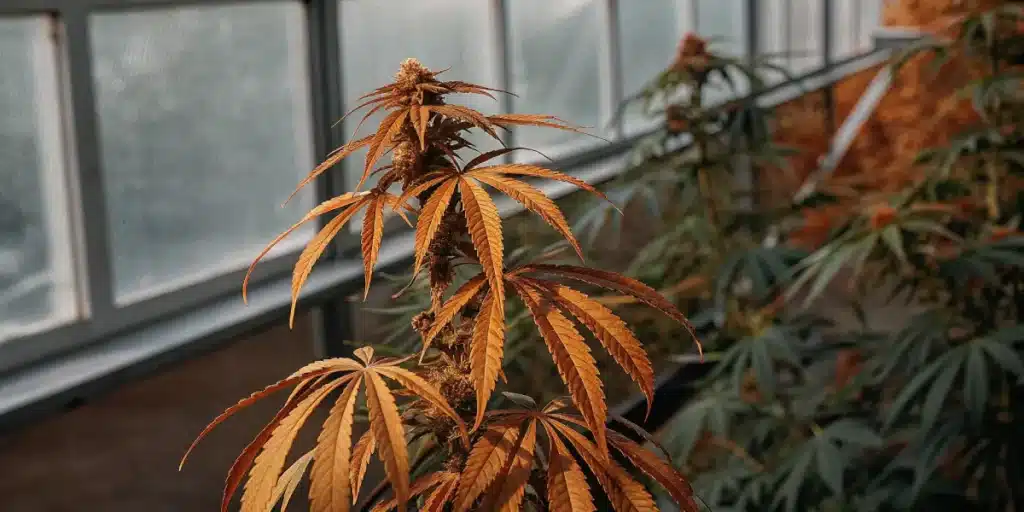
Signs of nutrient deficiencies in cannabis plants include yellowing leaves, brown spots, or stunted growth. Pay attention to any changes in leaf color or texture, as these are often the first indicators of a problem.
Different nutrients cause different symptoms. For instance, nitrogen deficiency typically causes yellowing of the older leaves, while calcium deficiency may result in brown spots. Observing these signs can help you diagnose the issue accurately.
Tracking your plants’ progress with photos can help you spot gradual changes and determine if they’re related to nutrient deficiencies. Comparing images over time can reveal patterns that might not be obvious at first glance.
Consulting with experienced growers or using online resources can provide additional guidance on diagnosing nutrient issues. Community forums and expert advice can offer valuable insights into addressing specific deficiencies.
What is nutrient lockout, and how can I fix it?
Nutrient lockout occurs when cannabis plants cannot absorb nutrients from the soil, often due to pH imbalances or salt buildup. This issue prevents the roots from taking up essential nutrients, even if they’re present in the soil.
To fix nutrient lockout, flush your plants with pH-balanced water to remove excess salts. Ensure that the pH level of your growing medium is within the ideal range for cannabis cultivation.
Regularly monitoring your soil or solution’s pH levels can prevent nutrient lockout from occurring. Using a reliable pH meter can help you maintain the ideal conditions for nutrient uptake.
Incorporating regular flushes into your growing routine can proactively prevent salt buildup and other issues that cause nutrient lockout. This practice can keep your plants healthy and thriving.
Are some cannabis strains more susceptible to nutrient issues?
Yes, some strains are more sensitive to nutrient imbalances than others. For example, Blimburn Seeds’ Girl Scout Cookies might have different nutrient requirements compared to more robust strains like Mamba Negra.
Research your chosen strain’s specific needs to tailor your nutrient plan. This approach can reduce the risk of nutrient deficiencies and improve overall plant health.
Consulting with breeders or growers familiar with specific strains can provide insights into potential nutrient sensitivities. Knowing these traits can guide your nutrient management strategies.
Being aware of a strain’s genetic background can also inform your approach to cultivation. Certain lineages may have inherited traits that make them more or less prone to nutrient uptake issues.
How often should I water my cannabis plants to prevent nutrient uptake issues?
The watering frequency depends on several factors, including the plant’s size, the growing medium, and environmental conditions. A general rule is to water when the top inch of soil feels dry to the touch.
Overwatering can lead to root problems and nutrient absorption issues. Monitoring soil moisture and adjusting your watering schedule based on your plants’ needs can help prevent these problems.
Using tools like moisture meters can provide precise readings and help you determine the right time to water. These devices can prevent guesswork and ensure your plants receive adequate hydration.
Adapting your watering schedule to seasonal changes and growth stages can optimize nutrient uptake. During active growth periods, your plants may require more frequent watering to support their development.
Why is pH balance important for nutrient absorption?
PH balance is crucial because it affects the availability of nutrients in the soil. If the pH is too high or too low, it can lock out nutrients, preventing your plants from absorbing them.
Regularly test and adjust the pH level of your growing medium to ensure it’s within the optimal range for cannabis cultivation. This practice helps maintain nutrient availability and supports healthy plant growth.
In hydroponic systems, maintaining the correct pH is even more essential since there’s no soil buffer. Precise pH management can prevent nutrient deficiencies and promote vigorous growth.
Educating yourself on how different pH levels affect nutrient solubility can empower you to make informed adjustments. This knowledge is key to preventing why your cannabis plants are not absorbing nutrients.