Expert Tips for First-Time Cannabis Growers: Your Complete Guide

Starting your cannabis growing journey can be exciting and daunting. With the right tips for first-time cannabis growers, you can set up a successful and thriving garden. From choosing the best soil to knowing the lighting needs, getting started requires some planning and knowledge.
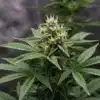
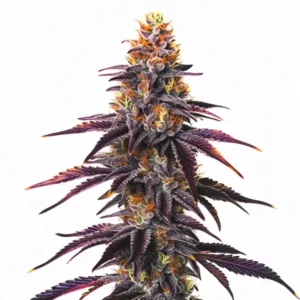
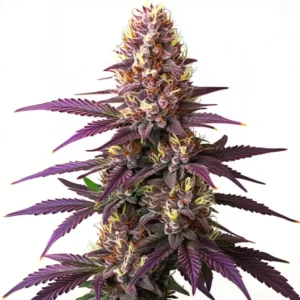
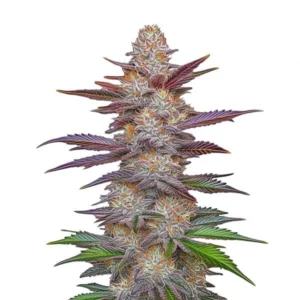
One of the beginner cannabis growing mistakes to avoid is not investing in quality seeds. Consider strains like Blimburn Seeds Bruce Banner #3, which offers a robust growth experience with rewarding yields. Remember, the quality of your seeds sets the foundation for your entire grow.
Recommended Strains
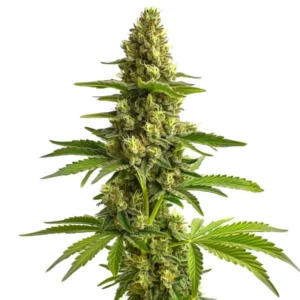
Bruce Banner #3

|
THC | 20% - 29% (High) |

|
Type | Feminized |

|
Yield | Medium |

|
Phenotype | 50% Indica / 50% Sativa |

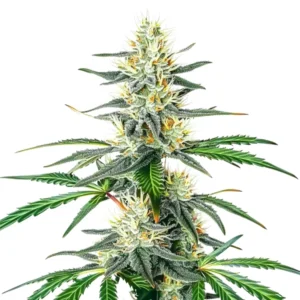
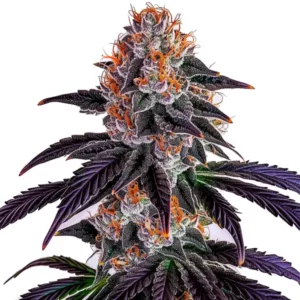
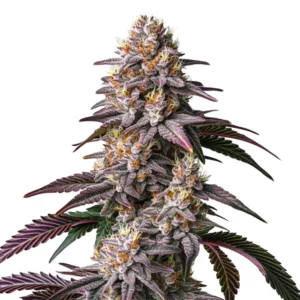
GG4
|
|
THC | 27% (High) |
|
|
Type | Feminized |
|
|
Yield | High |
|
|
Phenotype | 40% Indica / 60% Sativa |
Another key aspect is knowing the growing environment. This includes selecting the best soil for first-time cannabis growers. A well-aerated and nutrient-rich mix can significantly impact your plants’ health. Look for soils with organic matter to support healthy root development.
Setting Up Your Grow Space
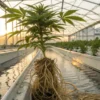
Creating an optimal grow space is crucial for first-time cannabis growers. Whether indoor or outdoor, each option comes with its own challenges. Indoor growing offers more control over environmental conditions, while outdoor growing can leverage natural sunlight. These tips for first-time cannabis growers help you decide which setup best fits your available space, budget, and long-term growing goals.
The optimal lighting setup for novice cannabis growers involves choosing between LED, HID, or fluorescent lights. LED lights are energy-efficient and produce less heat, making them ideal for beginners. Adjust your lights as plants grow to ensure they receive adequate coverage without burning.
Consider the ventilation in your grow space carefully. Good air circulation helps prevent mold and mildew, which are common problems in enclosed areas. Use oscillating fans to keep air moving around your plants. Additionally, controlling temperature and humidity will create a stable environment conducive to healthy growth.
Lighting schedules are another aspect to consider for your grow space. Cannabis plants require different light cycles depending on their growth stage typically, 18 hours of light and 6 hours of darkness during the vegetative stage, and 12 hours of light and 12 hours of darkness during flowering. Plan your setup to accommodate these cycles.
Choosing the Right Cannabis Strains
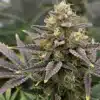
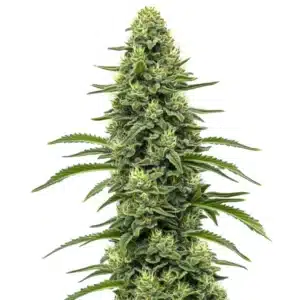
Selecting the right strain is one of the most exciting parts of growing. For beginners, strains like GG #4 from Blimburn Seeds are forgiving and resilient. This strain is known for its sticky buds and high yield, making it a favorite among new growers.
Consider the climate and space available when choosing your strains. Some strains are better suited for indoor environments, while others thrive outdoors. Do your research and select strains that align with your growing conditions and personal preferences.
Knowing the growth patterns of different strains can help you plan your garden layout efficiently. Some strains may need more space to spread out, while others grow vertically. Tailor your grow space to accommodate these needs, ensuring each plant has enough room to thrive.
Besides to growth patterns, consider the flavor and effects of the strains you choose. Some strains offer relaxing effects, while others are more energizing. Matching your personal preferences with strain characteristics will enhance your growing experience and ensure you are satisfied with your harvest.
Promos & Deals

Essential Tools for New Cannabis Cultivators
Having the right tools at your disposal can make your growing experience smoother and more efficient. Essential tools for new cannabis cultivators include pH meters, thermometers, and humidity gauges, which are often highlighted in tips for first-time cannabis growers. These tools help ensure your plants’ environment remains within the optimal range for healthy growth.
Invest in quality pruning shears and watering cans for precise plant care. Timely pruning promotes healthy growth and increases yield, while controlled watering prevents root rot and other issues. As you gain experience, you’ll develop a toolkit tailored to your growing style.
Another essential tool is a timer for your lighting setup. Automating your light cycles ensures consistency and frees you from having to manually adjust your lights daily. Consistent light schedules are crucial for maintaining plant health and optimizing growth phases.
Storage solutions for your tools and supplies can keep your grow space organized and efficient. Having all your equipment easily accessible reduces the time you spend searching and allows you to focus more on plant care. Consider shelving units or toolboxes to keep everything tidy.
Dealing with Pests and Diseases
Common pests in cannabis cultivation and how to control them are vital knowledge areas for any grower. Pests like spider mites and aphids can wreak havoc on your plants, leading to reduced yields or even plant death. Regularly inspecting your plants for any signs of infestation is one of the most important tips for first-time cannabis growers, helping prevent problems before they escalate.
Maintain a clean grow space to reduce the risk of pest invasion. Use natural pest control methods like neem oil or introduce beneficial insects like ladybugs to keep pest populations in check. Prevention is always better than cure, so stay vigilant.
Besides to regular inspections, quarantine new plants before introducing them to your main grow area. This step can prevent pest and disease transmission to your established plants. Monitor new additions closely during this period for any signs of issues.
Educate yourself on the common diseases that can affect cannabis, such as powdery mildew and root rot. Early detection is key, so familiarize yourself with symptoms and act quickly if a problem arises. Implementing good cultural practices, like proper watering and ventilation, can minimize these risks.
Maintaining Optimal Growing Conditions
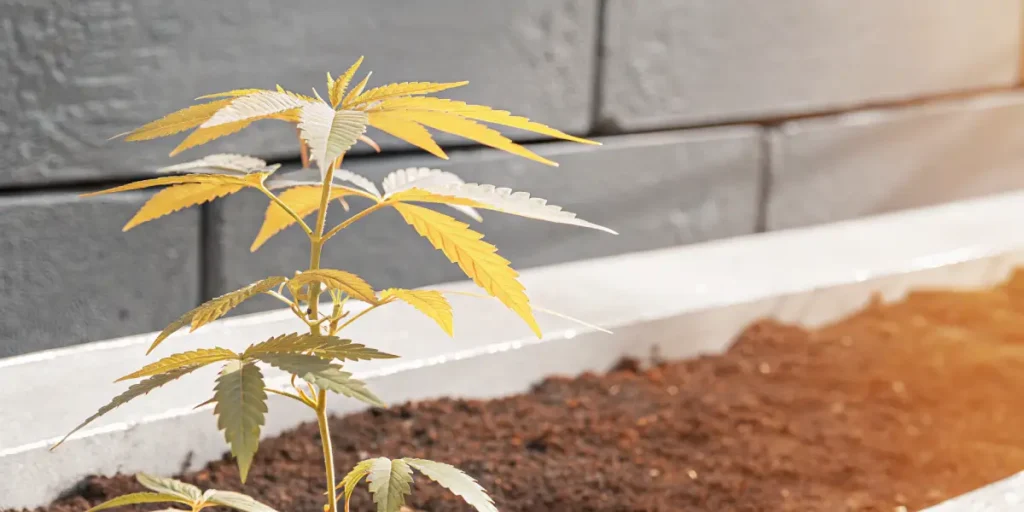
Creating the right environment is essential for thriving cannabis plants. Temperature, humidity, and airflow all play crucial roles in plant health. Keep temperatures between 70-85°F during the day and slightly cooler at night for best results.
Humidity levels should be adjusted based on your plants’ growth stage. Seedlings require higher humidity, whereas flowering plants need lower levels to prevent mold. Use fans to promote air circulation and prevent stagnant conditions.
Regularly monitor and adjust your environment to accommodate changes in weather or plant growth. Environmental fluctuations can stress plants, so aim for consistency to ensure optimal health. Investing in automated systems for climate control can help maintain stable conditions.
The importance of monitoring soil moisture cannot be overstated. Overwatering is a common beginner cannabis growing mistake to avoid, as it can lead to root problems. Use moisture sensors to help determine the right time to water and prevent potential issues before they arise.
FAQs about tips for first-time cannabis growers
What are the best lighting options for first-time cannabis growers?
For beginners, LED lights are an excellent choice due to their energy efficiency and low heat output. They are easy to set up and require less maintenance compared to other lighting types. Adjust the height and intensity as your plants grow to ensure optimal light exposure.
Fluorescent lights are another option, offering a balanced spectrum ideal for young plants. They are less intense than HID lights, making them suitable for small grow spaces. Regardless of the type, ensure your setup allows for easy adjustments to accommodate plant growth.
Knowing the spectrum your lights provide is important for plant development. Different growth stages benefit from specific light spectrums, with blue light promoting vegetative growth and red light encouraging flowering. Choose a lighting solution that offers a full spectrum for versatility.
Consider your budget and energy consumption when selecting lights. While HID lights are powerful, they also consume more electricity and generate heat, requiring additional cooling solutions. Balance your needs and resources to choose the best option for your grow space.
How can I prevent pests in my cannabis garden?
Maintaining a clean and tidy grow space is your first line of defense against pests. Regularly inspect your plants, looking for signs of infestation like discolored leaves or webbing. Use natural deterrents such as neem oil to keep pests at bay without harming your plants.
Introducing beneficial insects can also help control pest populations. Ladybugs and predatory mites are effective against common cannabis pests. Ensure your grow space is well-ventilated and avoid overwatering, as these conditions can attract pests.
Developing an integrated pest management plan can further protect your garden. This approach combines cultural, physical, and biological methods to keep pest levels manageable. Regularly rotate your pest control methods to prevent resistance buildup.
Record keeping is a useful tool in pest management. Document any infestations or disease outbreaks, including treatments used and their effectiveness. This information can guide future decisions and help refine your pest control strategy over time.
What soil is recommended for novice cannabis growers?
Choosing the best soil for first-time cannabis growers involves selecting a mix that offers good drainage, aeration, and nutrient content. Look for soils labeled as organic or those containing ingredients like perlite, vermiculite, and peat moss for optimal growth.
Pre-mixed soil blends designed for cannabis growing are widely available and take the guesswork out of soil preparation. Avoid heavy, clay-based soils as they can suffocate roots and impede growth. A light, fluffy soil mix will support healthy root systems and robust plant growth.
Consider soil amendments to enhance growth. Adding components like worm castings or bat guano can provide additional nutrients and improve soil structure. Tailor your amendments based on the specific needs of your cannabis strains.
Regularly test your soil’s nutrient levels and pH balance. Adjusting these factors can prevent nutrient lockout and deficiencies, which can affect plant health and yield. Soil testing kits are widely available and a valuable tool for any grower.
What are some common mistakes to avoid when starting out?
One of the biggest beginner cannabis growing mistakes to avoid is overwatering. This can lead to root rot and nutrient deficiencies. Water your plants only when the top inch of soil feels dry to the touch, and ensure pots have adequate drainage.
Another mistake is neglecting to monitor pH levels. Cannabis plants prefer slightly acidic soil with a pH of 6-7. Regularly test and adjust your soil’s pH to prevent nutrient lockout, which can stunt growth and affect yields.
Failing to provide adequate light is another common mistake. Insufficient lighting can result in leggy plants with poor bud development. Ensure your lighting setup is appropriate for your grow space size and plant needs.
Avoiding proper training techniques can also hinder your plants’ potential. Techniques like topping and low-stress training can help control plant shape and increase light penetration, leading to better yields. Research these methods and apply them as needed.
How do I choose the right strain for my grow setup?
Consider the space and environment when selecting cannabis strains. Indica strains are typically more compact, making them ideal for indoor grows with limited space. Sativa strains often grow taller, requiring more room and light.
Research the specific needs and characteristics of each strain. Strains like Bruce Banner and GG #4 from Blimburn Seeds are popular choices for their resilience and high yields. Choose strains that align with your experience level and growing conditions for the best results.
Factor in your desired effects and flavors when choosing strains. Some strains offer unique terpene profiles, contributing to both aroma and effect. Discovering these characteristics can enhance your enjoyment of the growing and consumption process.
Experiment with a variety of strains over different grow cycles. This approach allows you to learn which strains perform best in your environment and which match your preferences. Over time, you’ll develop a deep knowing of the strains that work best for you.