Expert Tips: Best Watering Practices to Avoid Leaf Chlorosis

Knowing Leaf Chlorosis
Leaf chlorosis can be a real headache for both new and experienced growers. It manifests as a yellowing of leaves, often due to improper watering techniques. To combat this, it’s crucial to adopt the best watering practices to avoid leaf chlorosis. By doing so, you ensure your cannabis plants remain healthy and vibrant.
Watering is more than just keeping the soil moist. It’s about maintaining the right balance. Too much water can drown roots, while too little can dry them out. Both situations can lead to leaf chlorosis. So, how can you find that sweet spot? Start by observing your plants and adjusting your watering methods accordingly.
Recommended Strains

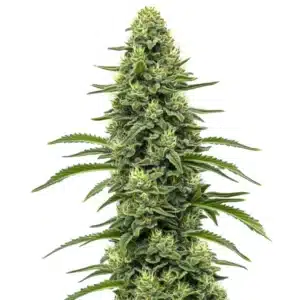
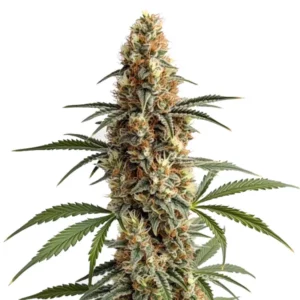
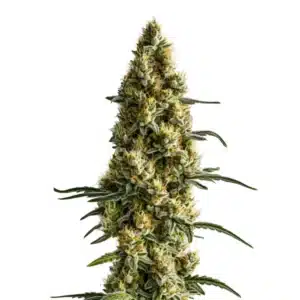
Blue Dream

|
THC | 17% - 24% (Medium) |

|
Type | Feminized |

|
Yield | High |

|
Phenotype | 50% Indica / 50% Sativa |

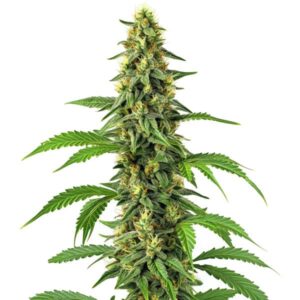
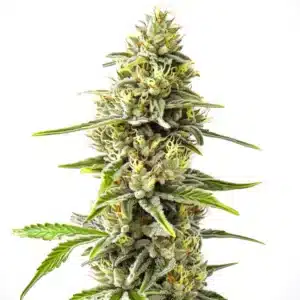
GG4
|
|
THC | 27% (High) |
|
|
Type | Feminized |
|
|
Yield | High |
|
|
Phenotype | 40% Indica / 60% Sativa |
Chlorosis is not just an aesthetic problem; it can significantly impact plant health and yield. The yellowing of leaves indicates that the plant is not photosynthesizing efficiently, which can stunt growth and reduce the potency of your cannabis. Knowing the root causes of chlorosis, such as poor soil structure or incorrect pH levels, can aid in developing a strategic approach to watering.
Moreover, environmental factors like light intensity, humidity, and temperature play a significant role in chlorosis. Balancing these factors with your watering routine is essential for maintaining plant health. Using the best watering practices to avoid leaf chlorosis, combined with proper environmental management, can lead to a thriving garden.
Promos & Deals
Best Watering Schedule to Prevent Leaf Chlorosis
Timing is everything when it comes to watering your cannabis plants. The best watering schedule to prevent leaf chlorosis involves watering your plants early in the morning or late in the afternoon. This allows the soil to absorb moisture without the risk of evaporation, ensuring your plants get what they need.
Keep an eye on the weather as well. If it’s particularly hot, your plants might need an extra drink. Conversely, if it’s been raining, you can skip a watering session. Flexibility is key. Remember, plants like Blue Dream and GG4 from Blimburn Seeds thrive when you cater to their specific needs.
Consistency in your watering schedule is vital, but so is adaptability. Each strain has unique needs, and environmental changes may require adjustments in your routine. For example, during periods of drought, you might need to increase the frequency of watering, while during high humidity, less frequent watering might be required.
Knowing the specific needs of your plants, such as those from Blimburn Seeds, can help you tailor your best watering schedule to prevent leaf chlorosis. Regular observation and adjustments based on plant feedback and environmental conditions are essential components of effective plant care.
Effective Irrigation Techniques to Stop Leaf Yellowing
One effective irrigation technique to stop leaf yellowing is the use of drip irrigation. This method delivers water directly to the plant roots, minimizing water waste and ensuring efficient moisture delivery. It’s a great way to avoid overwatering, which is a common culprit of leaf chlorosis.
Another technique is mulching. By adding a layer of mulch around the base of your plants, you help retain soil moisture and regulate temperature. This not only conserves water but also prevents the roots from becoming too wet or too dry, reducing the risk of chlorosis.
Sprinkler systems, when used judiciously, can also aid in maintaining optimal soil moisture levels. However, it is important to ensure that the foliage does not get excessively wet, as this can promote fungal diseases. Coupling sprinklers with moisture sensors can provide a balanced irrigation strategy that minimizes water wastage while maximizing plant health.
For growers using containers, consider wick irrigation as an option. This technique involves using a wick to draw water from a reservoir to the plant’s roots, maintaining consistent moisture levels. This method is particularly useful for avoiding chlorosis with proper watering methods, as it prevents both under and overwatering.
How to Water Plants to Avoid Chlorosis
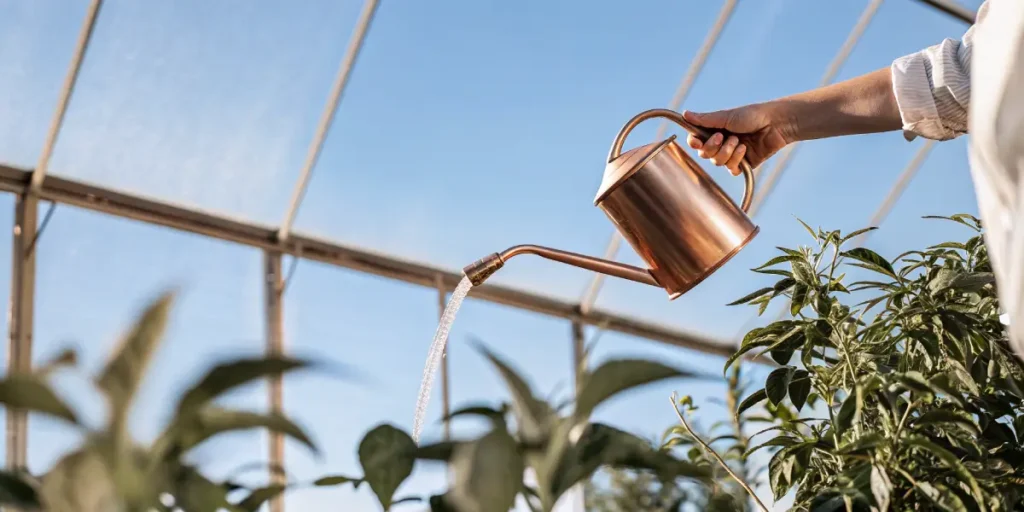
To water plants effectively and avoid chlorosis, focus on the root zone. Pour water slowly and directly at the base of the plant. This ensures that water reaches the roots where it’s needed most. Avoid wetting the leaves, as this can lead to fungal diseases.
Adjust your watering volume based on the plant’s stage of growth. Seedlings require less water compared to mature plants. During the flowering stage, your cannabis plants might need more frequent watering to support their increased metabolic activity. Tailor your approach for each growth phase for the best results.
Incorporating rain gauges and soil moisture meters into your gardening toolkit can provide valuable insights into the moisture levels of your soil, guiding you in how to water plants to avoid chlorosis. These tools help ensure you are neither over nor under-watering, which is critical for preventing nutrient leaching and root stress.
Furthermore, using water that is at room temperature can prevent shock to the plant’s roots. Cold water can slow down the root activity, while warm water can accelerate metabolic processes unnaturally. Striking a balance in water temperature is part of the best watering practices to avoid leaf chlorosis and promote robust plant health.
Watering Tips for Preventing Leaf Discoloration
One of the best watering tips for preventing leaf discoloration is to use rainwater or distilled water. Tap water often contains chlorine or other chemicals that can contribute to leaf chlorosis. By using purer water sources, you reduce the risk of introducing harmful substances to your plants.
Regularly check the pH level of your water. Cannabis plants prefer a pH range of 6.0 to 7.0. If your water is outside this range, consider using pH adjusters to bring it back to an optimal level. This simple adjustment can make a significant difference in preventing leaf chlorosis.
Besides to monitoring water quality, consider using water filtration systems to remove impurities that could harm your plants. This is particularly important in areas where water sources are known to have high mineral content, which can contribute to nutrient imbalances and chlorosis.
Also, consider the benefits of using organic fertilizers that can improve soil health and enhance nutrient availability. Balanced nutrients, coupled with proper watering tips for preventing leaf discoloration, create an optimal growing environment that supports lush, green foliage and vigorous growth.
FAQs about best watering practices to avoid leaf chlorosis
What causes leaf chlorosis in cannabis plants?
Leaf chlorosis in cannabis plants is often caused by nutrient deficiencies, improper watering, or root damage. When plants don’t get enough nutrients like nitrogen, iron, or magnesium, their leaves begin to yellow. This can be exacerbated by overwatering or underwatering, which stresses the plant.
To address this, ensure your plants receive balanced nutrients and follow the best watering practices to avoid leaf chlorosis. This includes monitoring soil moisture and adjusting your watering schedule based on environmental conditions and plant needs.
Another factor that contributes to chlorosis is compacted soil, which restricts root growth and limits nutrient uptake. Regularly aerate your soil to enhance root development and nutrient absorption. This practice, coupled with an effective watering schedule, can mitigate the risk of chlorosis.
Consider the impact of pests and diseases, which can also cause or exacerbate chlorosis. Regularly inspect your plants for signs of infestation or disease and act promptly to address any issues. A healthy, pest-free plant is less likely to suffer from chlorosis.
How can I identify if my plant is overwatered or underwatered?
Identifying overwatering or underwatering involves observing your plant’s leaves. Overwatered plants often have yellowing leaves that feel limp. The soil may also feel constantly wet. Underwatered plants, on the other hand, display dry, crispy leaves and the soil tends to be dry.
Feel the soil and observe the plant’s posture. If the soil is soggy and the plant looks droopy, reduce watering. If the soil is dry and the plant is wilted, increase your watering frequency. Adjusting your watering habits can prevent leaf chlorosis.
Besides to visual cues, using soil moisture meters can provide quantitative data to help you determine the moisture content of your soil. This tool can help you make informed decisions about when to water, avoiding the pitfalls of over or underwatering.
Also, consider the root system’s health. Gently inspect the roots if you suspect overwatering or underwatering. Healthy roots are firm and white, while overwatered roots may appear brown and mushy. Proper root care and watering techniques are essential for preventing chlorosis.
Why is morning watering better for cannabis plants?
Morning watering is beneficial because it allows the plants to absorb moisture throughout the day while the sun helps evaporate excess water. This reduces the risk of fungal diseases that thrive in damp conditions, keeping your plants healthy and vibrant.
Watering in the morning also aligns with the plant’s natural metabolic processes, promoting better growth and nutrient uptake. By adopting this practice, you can help prevent leaf chlorosis and improve the overall health of your cannabis plants.
Furthermore, morning watering ensures that plants have adequate moisture during the hottest part of the day, reducing stress and promoting optimal growth. This practice complements the best watering schedule to prevent leaf chlorosis, as it aligns with the plant’s natural rhythms.
Additionally, morning watering can help conserve water as there is less evaporation compared to late afternoon watering. This efficiency not only benefits the plant but also contributes to sustainable gardening practices, an important consideration for environmentally conscious growers.
What is the best soil type to prevent leaf chlorosis?
The best soil type for preventing leaf chlorosis is well-draining soil. This type of soil allows excess water to escape, preventing root rot and ensuring that roots receive adequate oxygen. A mix of peat, perlite, and organic matter creates an ideal environment for cannabis growth.
Ensure your soil is rich in essential nutrients and maintains a pH level between 6.0 and 7.0. Regularly test your soil’s pH and nutrient levels, making adjustments as needed to keep your plants thriving and chlorosis-free.
Incorporating organic amendments such as compost or worm castings can enhance soil fertility and structure, promoting robust root growth and nutrient uptake. These practices, paired with best watering practices to avoid leaf chlorosis, create a holistic approach to plant health.
Moreover, rotating crops or using cover crops can improve soil health and reduce the risk of nutrient depletion, further supporting the prevention of chlorosis. Adopting these soil management strategies can lead to more resilient plants and higher yields.
Can leaf chlorosis be reversed?
Leaf chlorosis can be reversed if caught early. By addressing the underlying cause, such as nutrient deficiency or poor watering practices, you can restore your plant’s health. Adjust your watering methods and ensure your plants receive balanced nutrients to combat chlorosis.
Regular monitoring and quick intervention are key. If you notice yellowing leaves, act promptly by checking soil moisture, adjusting watering frequency, and providing necessary nutrients. This proactive approach can help return your plants to a vibrant state.
Besides to adjusting watering and nutrient practices, consider pruning affected leaves to encourage new growth and improve air circulation. This can prevent the spread of disease and promote a healthier plant environment.
Collaborate with resources like Blimburn Seeds to select strains known for their resilience against chlorosis. Choosing the right genetics, along with employing effective irrigation techniques to stop leaf yellowing, can greatly enhance your success in reversing chlorosis.