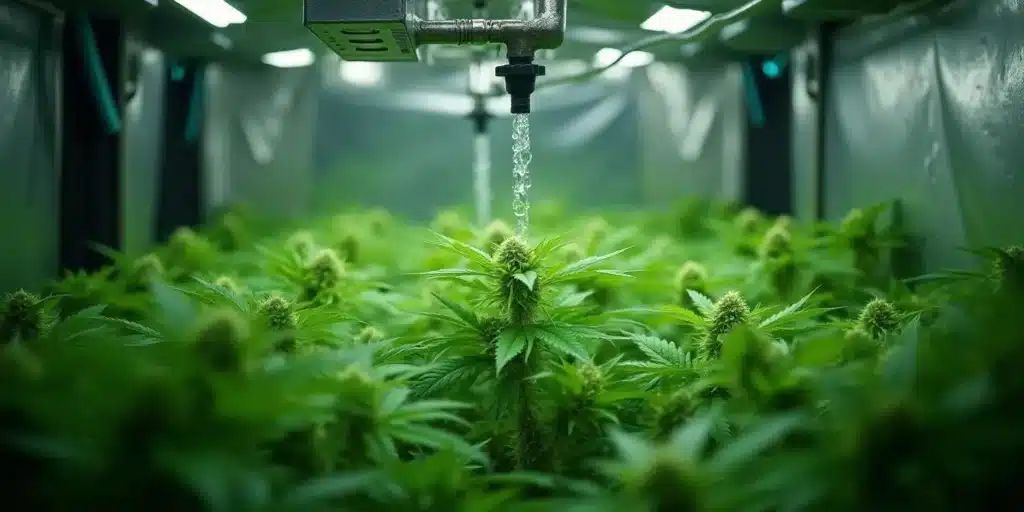
Automatic Watering System for Grow Tent: Setup & Benefits

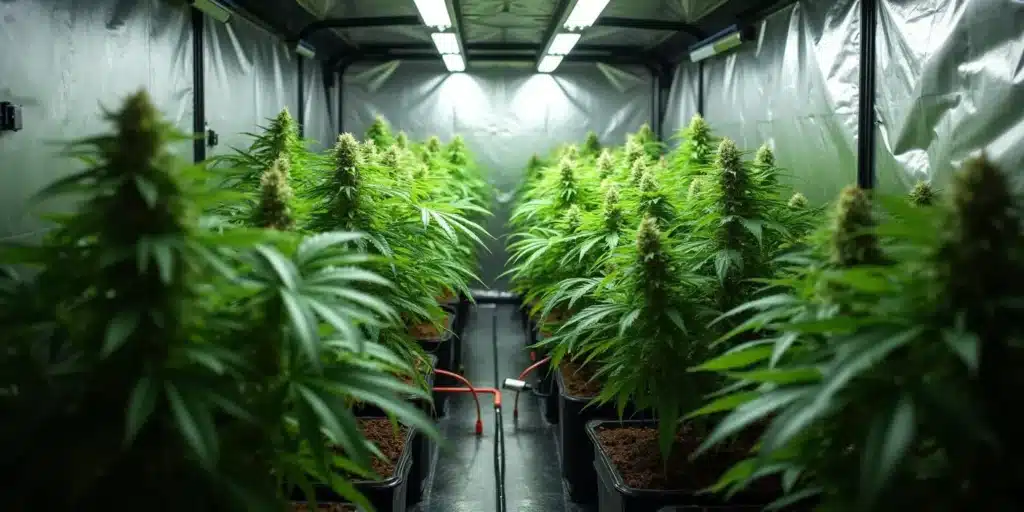
Automatic watering system for grow tent: An automatic watering system for grow tents is a game-changer for cannabis growers, ensuring precise hydration and nutrient delivery. These systems can reduce water consumption by up to 30% and maintain a consistent pH of 6.5, crucial for optimal growth. Implementing such systems allows growers to focus on other cultivation aspects, enhancing overall plant health and yield.
Implementing an automatic watering system in your grow tent can transform your cannabis cultivation approach by providing consistent hydration and nutrient distribution. This system not only minimizes manual labor but also enhances plant health by maintaining optimal moisture levels. Studies indicate that such systems can reduce water usage by up to 30%, making them ideal for eco-conscious growers.
Recommended Strains

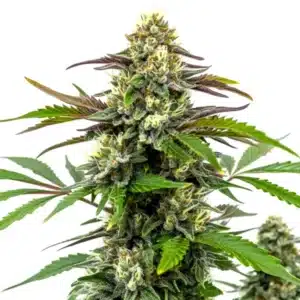
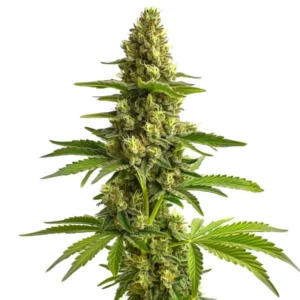
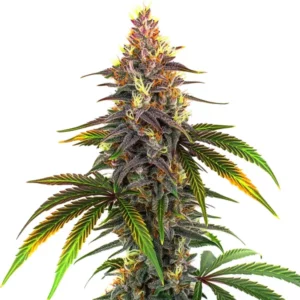
Glookies

|
THC | 22% - 25% (High) |

|
Type | Feminized |

|
Yield | High |

|
Phenotype | 70% Indica / 30% Sativa |

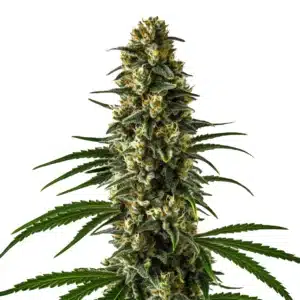
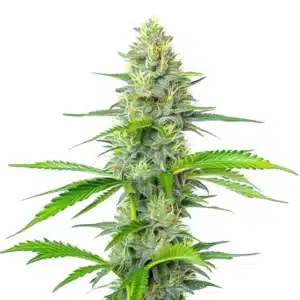
Glookies Autoflower
|
|
THC | 22% - 25% (High) |
|
|
Type | Autoflowering |
|
|
Yield | High |
|
|
Phenotype | 70% Indica / 30% Sativa |
Benefits of Automatic Watering Systems
Consistent Watering for Healthier Plants
Automatic watering systems ensure that your cannabis plants receive water at precise intervals, which is crucial for maintaining optimal growth conditions. This consistency helps prevent common issues like overwatering or underwatering, which can lead to root rot or nutrient deficiencies. By delivering water directly to the root zone, these systems enhance nutrient uptake and plant health.
With a constant supply of moisture, plants can better absorb nutrients, leading to stronger growth and higher yields. For instance, maintaining a soil moisture level of around 60% can significantly boost the plant’s ability to absorb essential nutrients like nitrogen and potassium, vital for vegetative and flowering stages.
Time-Saving and Efficiency
By automating the watering process, growers can save significant time and effort, allowing them to focus on other critical aspects of cultivation, such as pest management and environmental control. This efficiency is particularly beneficial for large-scale operations where manual watering can be labor-intensive and time-consuming.
Moreover, automated systems can be programmed to water plants at optimal times, such as early morning or late evening, when evaporation rates are lower. This not only conserves water but also ensures that plants receive hydration when they can most effectively utilize it.
Promos & Deals

Choosing the Best System for Your Grow Tent
Drip Irrigation vs. Soaker Hoses
Drip irrigation systems are highly efficient, delivering water directly to the plant’s root zone, minimizing waste. These systems are ideal for precision watering, ensuring that each plant receives the exact amount of water needed, which is crucial for maintaining consistent growth conditions.
Soaker hoses, on the other hand, offer a more affordable solution by gradually releasing water along their length. This method provides gentle and even hydration, suitable for smaller grow tents or budget-conscious growers. However, they may not offer the same level of precision as drip systems.
Flood and Drain Systems Explained
Flood and drain systems, also known as ebb and flow, involve periodically flooding the grow tray with water and then draining it back. This method ensures thorough watering while preventing standing water, which can lead to root rot. It’s particularly beneficial for larger plants that require substantial moisture.
These systems are highly effective for hydroponic setups, where maintaining consistent nutrient levels is critical. By flooding the tray with nutrient-rich water, plants can absorb essential elements more efficiently, promoting robust growth and development.
| Feature / Merkmal | Drip Irrigation | Soaker Hoses | Flood and Drain |
|---|---|---|---|
| Water Efficiency | 90% efficiency | 75% efficiency | 85% efficiency |
| Cost | High | Low | Moderate |
| Setup Complexity | Complex | Simple | Moderate |
| Precision | High | Moderate | High |
| Ideal for | Precision growers | Budget growers | Hydroponics |
Setting Up Your Automatic Watering System
Essential Components Checklist
To successfully set up an automatic watering system, you need several key components. A water timer is crucial for controlling the watering schedule, ensuring plants receive water at optimal times. A water pump is necessary to move water from the reservoir to the plants efficiently.
Hoses and tubing connect the water source to the plants, while drippers or emitters control the flow of water to each plant. A reservoir holds the water and nutrient solution, allowing for consistent delivery to the plants. These components work together to create a seamless watering system.
Step-by-Step Installation Guide
Begin by selecting a suitable location for your reservoir, ensuring it’s easily accessible for connecting to your plants. Install the water pump inside the reservoir, making sure it can lift water to the necessary heights. Connect the tubing from the pump to the water timer, and then run it to your plants.
If you’re using drip emitters, place them close to the base of each plant for optimal hydration. Fill the reservoir with water and mix in any nutrients according to the manufacturer’s instructions. Set the water timer to your preferred schedule, allowing for adjustments based on your plants’ evolving needs.
Optimizing Grow Tent Conditions
Integrating Watering with Lighting and Ventilation
Optimizing your grow tent conditions involves more than just watering. It’s essential to integrate your watering system with proper lighting and ventilation to create an ideal environment for plant growth. Ensure your lighting schedule aligns with your watering times to maximize photosynthesis and nutrient uptake.
Proper ventilation is also crucial for maintaining optimal humidity levels and preventing mold growth. Use fans and exhaust systems to circulate air and remove excess moisture, keeping the environment stable and conducive to healthy plant development.
Professional Tips for Automatic Watering Systems
- Maintain a pH of 6.5 for your watering solution. This ensures optimal nutrient absorption and prevents nutrient lockout, which can stunt plant growth.
- Use mineral water for flushing roots if over-fertilization occurs. A pH of 5.5 helps cleanse roots of excess salts, improving nutrient uptake.
- Regularly check for clogs in drip systems. Organic nutrients can cause blockages, reducing water flow and affecting plant health.
- Adjust watering schedules based on plant growth stages. Seedlings require less water than flowering plants, preventing overwatering.
- Monitor water usage to reduce waste. Automated systems can cut water consumption by up to 30%, benefiting both the environment and your wallet.
- Test your system before full implementation. Ensure water reaches all plants evenly to avoid dry spots and ensure consistent growth.
FAQs on Automatic Watering Systems
How can I automatically water my plants while on vacation?
To automatically water your plants while on vacation, set up a timer-based irrigation system. Ensure the water reservoir is filled and the timer is programmed for regular intervals. This system can maintain hydration for up to two weeks, depending on reservoir size and plant needs.
Is there an automatic watering system for plants?
Yes, automatic watering systems are available for various plant types, including cannabis. These systems use timers and pumps to deliver water at set intervals, ensuring consistent moisture levels. They can reduce water usage by up to 30% and are ideal for maintaining plant health with minimal supervision.
What is the 30/30 rule for irrigation?
The 30/30 rule for irrigation suggests watering plants for 30 minutes every 30 days, primarily for outdoor settings. However, indoor grow tents require more frequent watering, typically daily or every other day, depending on plant size, growth stage, and environmental conditions.
How do I keep my plants watered while I’m away?
To keep plants watered while away, use an automatic watering system with a timer. Ensure the reservoir is adequately filled and the system is tested before departure. This setup can maintain plant hydration for up to two weeks, depending on reservoir capacity and plant requirements.
Can I use an automatic system for plants outside the grow tent?
Absolutely! Automatic watering systems can be adapted for outdoor gardens. Ensure the setup is weather-resistant and capable of providing consistent moisture. Consider solar-powered timers for efficiency. Such systems can significantly reduce manual labor and water usage by up to 30%.