Expert-Proven Best Sterilization Methods for Cannabis Equipment

Keeping your cannabis equipment clean is essential for both first-time growers and seasoned experts. Effective sterilization not only ensures high-quality yields but also prevents contamination that could ruin your hard work. The best sterilization methods for cannabis equipment are crucial for maintaining healthy plants and ensuring a successful harvest.
Blimburn Seeds offers a variety of strains like the potent GG4, which thrives when grown in a clean and sterile environment. Sterilization might seem like a complex task, but with the right tips, it becomes a straightforward process. Let’s dive into these expert-proven techniques and make sure your equipment is ready for action.
Recommended Strains

Gelato

|
THC | 27% (High) |

|
Type | Feminized |

|
Yield | High |

|
Phenotype | 50% Indica / 50% Sativa |

Sour Diesel
|
|
THC | 22% - 25% (High) |
|
|
Type | Feminized |
|
|
Yield | High |
|
|
Phenotype | 30% Indica / 70% Sativa |
Whether you’re dealing with small hand tools or large processing equipment, maintaining hygiene is non-negotiable. The best sterilization methods for cannabis equipment involve using the right solutions and techniques to eliminate pathogens effectively.
Why Sterilize Your Cannabis Equipment?
Sterilizing your cannabis equipment helps in preventing the spread of diseases and pests that can harm your plants. Pathogens like mold and bacteria thrive in dirty environments, and they can easily transfer from one plant to another. This can lead to poor plant health and reduced yields.
For instance, when you’re growing a sensitive strain like Gelato from Blimburn Seeds, you don’t want any contaminants jeopardizing its development. Sterilization ensures that your tools and equipment don’t become vectors for these harmful agents. By adopting the best practices for sterilizing cannabis equipment, you set the stage for a successful grow cycle.
In addition to preventing disease, regular sterilization helps maintain the integrity of your equipment. Tools that are cleaned and sterilized regularly are less likely to corrode or degrade over time. This means that by following the best sterilization methods for cannabis equipment, you can extend the lifespan of your tools, saving money in the long run.
Furthermore, maintaining a sterile environment can enhance the quality of your cannabis. Contaminants can affect the aroma, flavor, and overall potency of the final product. By ensuring that your equipment is thoroughly sterilized, you help preserve the unique characteristics of each strain, such as the rich flavors of Sour Diesel.
Promos & Deals
Effective Sterilization Techniques for Cannabis Tools
Cleaning and sterilizing your tools should be a regular part of your growing routine. One effective method is using isopropyl alcohol. It’s a powerful disinfectant that’s accessible and easy to use. Simply wipe down your scissors, pruning tools, and other small equipment with a cloth soaked in alcohol.
Another popular technique involves using bleach solutions. Mix one part bleach with nine parts water, and soak your tools for about 30 minutes. This method is particularly useful for sterilizing larger equipment that may not come in direct contact with plants but still plays a role in the growing environment.
For those looking to incorporate more environmentally friendly options, vinegar can be a viable alternative. While not as potent as alcohol or bleach, a solution of vinegar and water can be effective for routine cleanings. It’s especially useful for removing mineral deposits and mild microbial growth from surfaces.
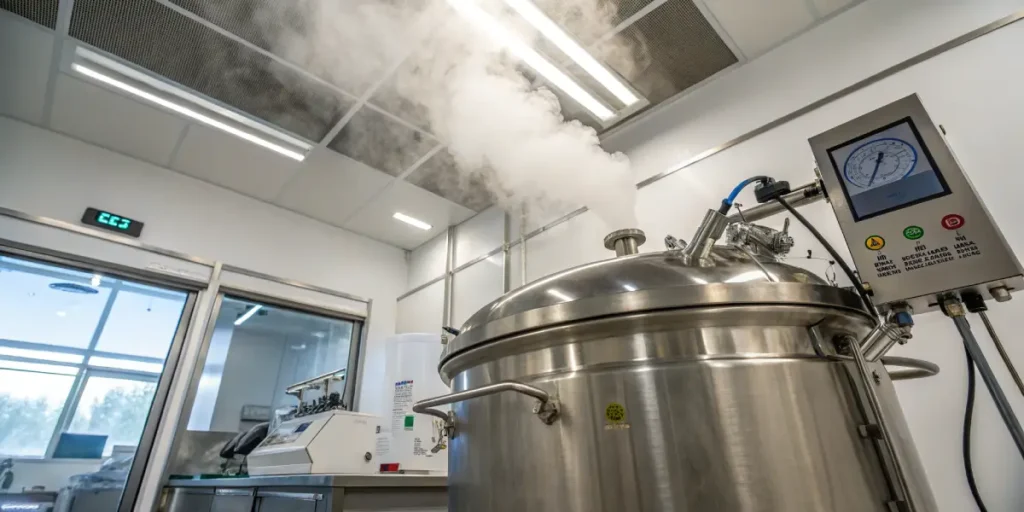
Additionally, steam sterilization is growing in popularity as a chemical-free method to sanitize tools. By applying high-temperature steam, you can effectively kill a wide range of pathogens. This technique is particularly beneficial for tools with intricate designs or hard-to-reach areas, ensuring comprehensive sterilization.
How to Sterilize Cannabis Processing Equipment
Processing equipment, such as trimmers and grinders, require a bit more attention. These tools can harbor sticky residues that are perfect breeding grounds for bacteria. Regular cleaning with hot, soapy water followed by a disinfectant rinse is crucial.
An ultrasonic cleaner can also be an excellent investment. It utilizes sound waves to create tiny bubbles that scrub away residues and germs from the hard-to-reach areas of your equipment. This method is especially effective for intricate parts of machinery.
In addition to ultrasonic cleaning, investing in a dedicated brush set can aid in removing stubborn residues. These brushes can reach into small crevices and ensure that no area is left untreated. When combined with other effective sterilization techniques for cannabis tools, brushes can enhance your cleaning regimen.
After cleaning, ensure that all equipment is thoroughly dried to prevent rust and mold formation. Air-drying in a clean, dust-free area is ideal. This step is crucial to maintaining the operational efficiency of your processing tools and upholding the standards of cannabis equipment cleaning and sterilization methods.
Choosing the Right Sterilization Solutions
When selecting sterilization solutions, consider the materials of your equipment. Some chemicals can corrode metals or degrade plastics, leading to damage over time. Isopropyl alcohol and hydrogen peroxide are generally safe for most materials and are highly effective.
Hydrogen peroxide is another excellent choice. It decomposes into water and oxygen, making it environmentally friendly. Using a 3% solution is sufficient for most sterilization tasks. Apply it liberally to surfaces and let it sit for several minutes to work its magic.
For those concerned about environmental impact, there are biodegradable sterilization solutions available. These products are designed to break down naturally, reducing chemical runoff and minimizing harm to the ecosystem. They offer a sustainable option for conscientious growers.
However, it’s important to read labels and product instructions carefully. Some solutions may require specific handling or application techniques to be effective. Ensuring you use these solutions correctly will maximize their sterilization potential and safeguard your cannabis growing equipment.

Best Practices for Sterilizing Cannabis Equipment
Consistency is key. Make sure to clean your equipment before and after each use. This habit prevents cross-contamination and ensures that your plants stay healthy throughout the growing cycle. Remember, sterilization is not a one-time task but an ongoing commitment.
Always wear gloves when handling sterilized equipment. This prevents recontamination from your hands. Also, designate a clean area for storing your equipment. This simple step can significantly reduce the risk of introducing contaminants.
Integrating a checklist into your cleaning routine can help ensure that no step is overlooked. From inspecting equipment for wear and tear to verifying the effectiveness of your sterilization solutions, a checklist reinforces thoroughness and consistency.
Lastly, staying informed about the latest advancements in sterilization technology can provide a competitive edge. New methods and solutions are continually being developed, offering more efficient and environmentally friendly ways to keep your equipment pristine.
FAQs about best sterilization methods for cannabis equipment
What are the best sterilization methods for cannabis equipment?
The best sterilization methods for cannabis equipment include using isopropyl alcohol or bleach solutions. These are effective in killing a wide range of pathogens. Ultrasonic cleaners are also highly recommended for more intricate equipment.
For example, using a bleach solution for soaking your tools can eliminate bacteria and fungi. Meanwhile, isopropyl alcohol is great for quick wipes between uses. Both methods ensure your tools remain clean and safe to use.
Additionally, utilizing steam sterilization can provide a chemical-free alternative while still achieving high levels of sanitation. This method is particularly beneficial for those sensitive to chemical exposure or for equipment that may be adversely affected by harsh solutions.
Combining methods, such as an initial rinse with soapy water followed by a disinfectant application, can also enhance overall effectiveness. This layered approach ensures that all potential contaminants are addressed, upholding the best practices for sterilizing cannabis equipment.
How often should I sterilize my cannabis equipment?
It’s crucial to sterilize your cannabis equipment before and after each use. This routine helps in maintaining a sterile environment, preventing the spread of diseases. Regular sterilization is part of the best practices for sterilizing cannabis equipment.
For processing equipment used less frequently, a thorough cleaning and sterilization after each batch will suffice. This ensures that each new batch of cannabis is processed in a clean environment, maintaining product quality.
Seasonal deep cleans can also be beneficial, especially after a major harvest or during transition periods between growing cycles. This practice ensures that any residual contaminants are addressed, providing peace of mind for future growing endeavors.
Remember, the frequency of sterilization can also depend on the specific strains you are cultivating. More sensitive strains may require more frequent attention to ensure optimal growth conditions.
Can I use household cleaners for sterilization?
While some household cleaners can be used, it’s important to be cautious. Many contain harsh chemicals that can damage equipment or leave harmful residues. Isopropyl alcohol and bleach solutions are safer alternatives.
Household cleaners may also not be effective against all pathogens. Specialized sterilization solutions are designed to target the specific contaminants found in cannabis growing environments, making them a better choice.
If you choose to use household products, ensure they are thoroughly rinsed from all surfaces to prevent residues that could impact plant health. Opting for natural, non-toxic cleaners can also reduce potential risks.
Ultimately, it’s best to rely on products specifically formulated for cannabis equipment cleaning and sterilization methods, as they provide targeted protection and peace of mind.
Is it necessary to sterilize new equipment?
Yes, even new equipment should be sterilized before use. Manufacturing residues, dust, and other contaminants can be present. Sterilizing ensures that your equipment is truly clean before coming into contact with your cannabis plants.
Starting with clean equipment sets a high standard for your growing practices. It eliminates any potential external factors that could negatively affect your plants, especially when growing sensitive strains.
Moreover, new equipment can sometimes carry residues from packaging or protective coatings. A thorough sterilization ensures that these residues do not interfere with the growing environment or plant health.
This initial sterilization also provides an opportunity to familiarize yourself with the equipment, ensuring that all parts are functioning correctly and are free from defects before they become integral to your growing operations.
What are common mistakes to avoid when sterilizing cannabis equipment?
One common mistake is not allowing enough contact time for sterilization solutions to work. Rushing the process can result in ineffective sterilization. Always follow the recommended duration for each solution.
Another mistake is neglecting to clean equipment before sterilizing. Dirt and organic matter can shield pathogens from sterilization solutions. Ensure that all equipment is thoroughly cleaned before applying any sterilization method.
Failing to regularly maintain and replace sterilization solutions can also compromise their effectiveness. Ensure that products are stored correctly and check expiration dates to maintain their potency.
Lastly, overlooking hard-to-reach areas or intricate parts of equipment can leave pockets of contamination. Using brushes, ultrasonic cleaners, or steam can help address these challenging areas, ensuring comprehensive sterilization.