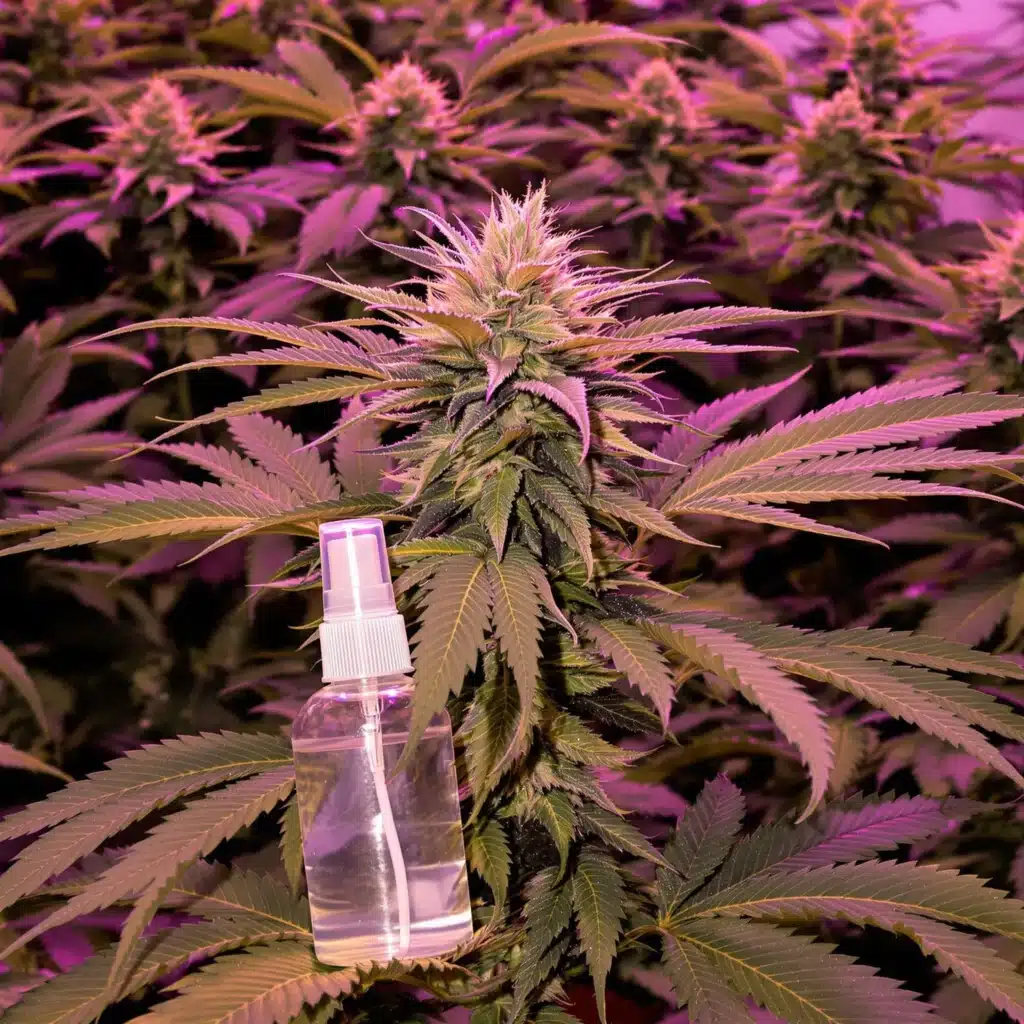
Hydrogen Peroxide for Powdery Mildew in Flowering

Hydrogen peroxide (H2O2) is one of the simplest ways to fight powdery mildew during flowering. It releases oxygen that breaks down fungal cell walls on contact and leaves no harmful residue behind. The catch is dilution and timing: get those right and you knock back the mildew without scorching sensitive buds and trichomes.
Powdery mildew hits hardest in bloom, when dense buds trap the moisture it loves, and it can drag down both quality and yield. Below you will find the exact peroxide-to-water ratio, how to apply it on flowering plants, and the honest limit: the point where infected flower is no longer safe to smoke.
Recommended Strains

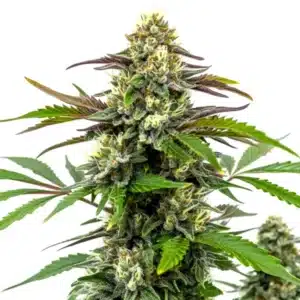
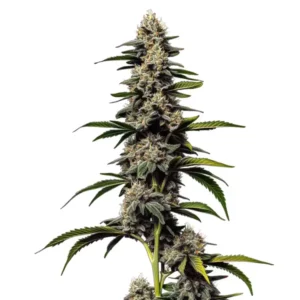
Stoned Panda

|
THC | 30% - 32% (High) |

|
Type | Feminized |

|
Yield | High |

|
Phenotype | 45% Indica / 55% Sativa |

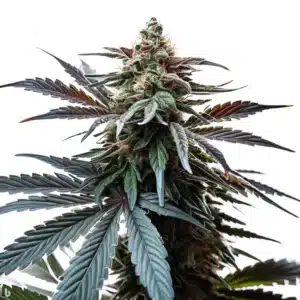
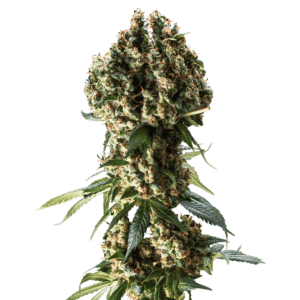
Blackberry Moonstones
|
|
THC | 26% - 33% (High) |
|
|
Type | Feminized |
|
|
Yield | High |
|
|
Phenotype | 80% Indica / 20% Sativa |
Quick answer: Yes, you can treat powdery mildew during flowering. Mix 3% hydrogen peroxide with water at a 1:3 ratio and mist affected leaves every 2-3 days, in the morning or evening. It works best on early, light infections. Once buds are visibly caked in mildew, treat those plants as a loss rather than smoke them.
Can You Treat Powdery Mildew During Flowering?
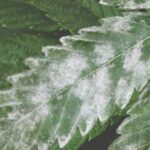
Yes, and the earlier you act, the better the outcome. When you catch a few white, powdery patches on fan leaves, a diluted peroxide spray can stop the spread and save the harvest. What you cannot do is reverse heavy infection: once the fungus has settled into the buds themselves, spraying only masks the surface. At that stage the safe move is to remove and discard the affected flower, not consume it. Think of peroxide as a tool for early and light cases, paired with tighter humidity control to stop it coming back.
Promos & Deals
Why Powdery Mildew Is Dangerous in Flowering
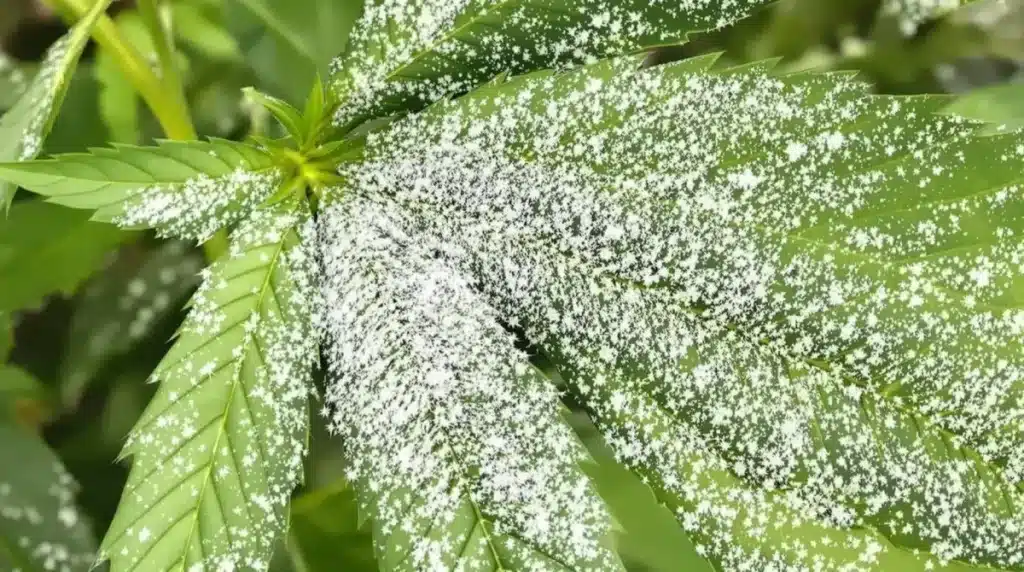
Powdery mildew is a fungal disease that shows up as a white, dusty film on leaves, stems, and buds. It thrives in high humidity and stagnant air, and often starts low on the plant near the soil. During flowering the problem compounds: dense buds trap moisture and create the exact microclimate the fungus wants, which chips away at potency and aroma.
Managing it comes down to its two weaknesses: airflow and humidity. Increasing ventilation and keeping humidity in check sharply lowers the risk, and putting those controls in place early in bloom is what actually protects the harvest. A good dehumidifier for your grow tent does a lot of the heavy lifting here.
Aim to hold humidity between 40% and 50% during flowering; that drier air makes it much harder for spores to germinate. A moderate night-time temperature drop of roughly 8C to 11C also helps, as long as the air stays moving so condensation does not settle on the buds.
How Hydrogen Peroxide Kills Powdery Mildew
Hydrogen peroxide works by releasing oxygen that oxidizes and breaks down the cell walls of the fungus. That oxidative burst ruptures the mildew cells and kills them on contact, and because peroxide decomposes into plain water and oxygen, it leaves no toxic residue on the plant. The reaction is fast, which is why it is useful for knocking back a fresh outbreak.
Applied as a foliar spray, it reaches the fungal growth on the surface of leaves and stems and dries it out. Used at the right dilution it clears the mildew without burning the plant’s own tissue, but it only acts where it lands: it is a contact treatment, not a systemic cure that travels through the plant.
Hydrogen Peroxide Ratio for Powdery Mildew
The ratio that works for most growers is one part 3% hydrogen peroxide to three parts water. That is strong enough to oxidize the mildew but gentle enough to avoid phytotoxicity on flowering plants. If you only have 35% food-grade peroxide, dilute it down to roughly 3% before you mix the spray; applying concentrated peroxide will burn the plant.
| Product | Strength | Mix with water | Best use |
|---|---|---|---|
| Household hydrogen peroxide | 3% | 1 part peroxide to 3 parts water | Foliar spray on affected leaves and stems |
| Food-grade hydrogen peroxide | 35% | Dilute down to about 3% first (roughly 1 part to 10 parts water), then mix that 1:3 | Advanced growers only; never spray it undiluted |
How to Apply Hydrogen Peroxide During Flowering
Application in bloom needs a light touch. Use a clean spray bottle, hold it 6-8 inches from the plant, and mist the affected areas directly. Keeping that distance gives you even coverage without soaking the buds. Spray in the morning or evening, never under direct midday light, to avoid light-induced stress.
Repeat every 2-3 days until the mildew is gone, but watch the plants closely: over-spraying stresses them and traps moisture. Pair the treatment with steady environmental control, humidity below 50% and solid airflow, or the mildew simply returns once you stop.
Checking your plants regularly is what makes any of this work: early detection lets you treat a small patch before it spreads into the buds. Adjust how often you spray based on how the plants respond and on the conditions in the room, so you are not leaning on peroxide as a crutch.
Is It Safe to Smoke Buds That Had Powdery Mildew?
This is the part most guides skip. Hydrogen peroxide kills mildew on the surface, but it does not make heavily infected flower safe to consume. Smoking or vaping buds that were caked in mildew means inhaling fungal spores, which can cause respiratory irritation and is a real risk for anyone with asthma, allergies, or a weakened immune system. Use peroxide on early, light infections and on the surrounding leaves; if the buds themselves are visibly colonized, the responsible choice is to cut your losses and discard that flower rather than try to smoke it.
Mildew-Resistant Strains That Prevent the Problem
The best long-term defence is genetics. Strains bred for mildew resistance shrug off the humidity swings that trigger outbreaks in the first place. A few solid options and how they compare:
| Feature | Blue Gorilla Auto | Critical Widow | G13 Auto |
|---|---|---|---|
| THC content | 20-24% | 18-22% | 19-23% |
| Flowering time | 9-10 weeks | 8-9 weeks | 10-11 weeks |
| Yield | 450-600 g/m2 | 350-500 g/m2 | 370-520 g/m2 |
| Resistance to mildew | High | Moderate | High |
If mildew is a recurring problem in your space, it is worth building your next grow around mold-resistant strains rather than fighting the fungus every cycle.
Professional Tips for Using Hydrogen Peroxide
- Keep a 1:3 dilution (peroxide to water) so you kill the mildew without burning leaves. Over-concentration scorches tissue.
- Spray in the early morning or late evening. Direct sun intensifies the reaction and stresses the plant.
- Hold the room below 50% humidity with good airflow. Powdery mildew can bloom again within 48 hours in stale, damp air.
- Use a fine mist for even coverage. Oversaturating dense buds traps moisture and invites bud rot.
- Test on a single leaf first. Some strains are more sensitive and can react to peroxide.
- Keep inspecting for new spots. Catching an outbreak early is what makes peroxide work at all.
FAQs About Hydrogen Peroxide for Powdery Mildew
How do you get rid of powdery mildew during flowering?
Mix 3% hydrogen peroxide with water at a 1:3 ratio and mist the affected leaves every 2-3 days, in the morning or evening. Keep humidity below 50% with strong airflow to stop it returning, and catch outbreaks early, before the fungus reaches the buds.
Can you spray hydrogen peroxide on buds?
You can lightly mist diluted 3% peroxide on buds with early, surface mildew, but do it sparingly: soaking dense buds traps moisture and invites bud rot. It will not rescue heavily infected flower. If the buds are visibly colonized by mildew, discard them rather than smoke them.
How long do you leave hydrogen peroxide on mildew?
A few minutes is enough. Peroxide oxidizes fungal cells on contact, so prolonged exposure adds nothing. After spraying, make sure air is moving so the plant dries quickly; leaving moisture sitting on the buds is what raises the risk of mold developing afterward.
What kills fungus better, vinegar or hydrogen peroxide?
For powdery mildew, hydrogen peroxide usually wins. Its oxidative action breaks down fungal cell walls on contact, while vinegar only creates an acidic surface that slows growth. Peroxide also leaves no residue once it decomposes into water and oxygen, which matters on flowering buds.
What are the risks of using hydrogen peroxide during flowering?
Used wrong, it burns. Too strong a concentration or too much spray causes leaf burn and plant stress, and oversaturating dense buds traps moisture that leads to rot. Always keep the 1:3 dilution, mist evenly, and avoid spraying in direct midday sun.