Expert Guide: Proven Genetics and Brix for Top Sugar Content

Genetics and Brix: Choosing the Right Strain for Sugar Content can feel like a daunting task, especially when you’re looking for a high sugar content. The sugar content, measured by Brix levels, can greatly influence the quality of the plant. Genetics play a crucial role in determining these Brix levels. Whether you’re new to growing or have been at it for years, selecting the correct genetics is key to achieving optimal sugar content.
Brix is a scale that measures the sugar content in plants. It’s an important aspect for growers who want to maximize the sweetness and overall quality of their crops. The right genetics can tip the scale in your favor, ensuring high Brix levels. Genetics and Brix: Choosing the Right Strain for Sugar Content is not just about guesswork; it’s about knowing the science behind plant breeding and genetic influence.
Recommended Strains
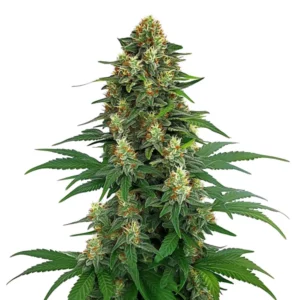
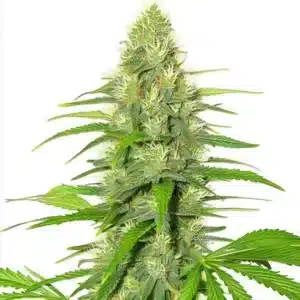
Tangie

|
THC | 19% - 22% (Medium) |

|
Type | Feminized |

|
Yield | High |

|
Phenotype | 30% Indica / 70% Sativa |
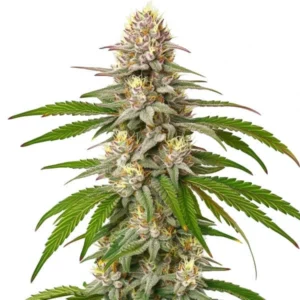
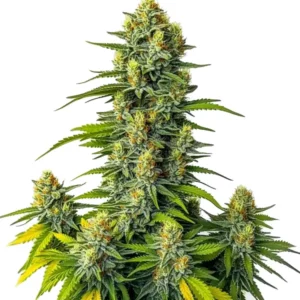
Pineapple Express
|
|
THC | 18% - 22% (Medium) |
|
|
Type | Feminized |
|
|
Yield | Medium |
|
|
Phenotype | 40% Indica / 60% Sativa |
At Blimburn Seeds, selecting strains with high Brix levels is made easier thanks to their diverse range of options. The genetics influence on sugar content in plants is significant, and by choosing plant strains for optimal Brix levels, you can ensure your crop stands out in both flavor and quality. Let’s dive into the details of how genetics shape the sugar content of your cannabis plants.
Genetics Influence on Sugar Content in Plants
The genetic makeup of a plant determines its potential sugar content. This means that each strain has a unique Brix level that it can potentially achieve. Factors such as plant structure, leaf size, and photosynthesis efficiency all play a role in this. By knowing genetic factors affecting Brix in crops, you can make informed decisions about which strains to cultivate.
For example, the strain “Tangie” from Blimburn Seeds is renowned for its fruity flavor and high Brix levels. Its genetics are geared towards producing high sugar content, making it a favorite among growers looking for sweet-tasting cannabis. The plant’s structure supports efficient light absorption, which in turn boosts sugar production.
Moreover, genetics influence on sugar content in plants can also dictate how well a plant responds to environmental stresses. Strains with robust genetic backgrounds can maintain high Brix levels even under suboptimal conditions. This resilience is key for growers in regions with fluctuating climates, ensuring that their plants continue to produce high-quality yields.
Additionally, knowing the interplay between genetics and environmental factors can help growers optimize their cultivation practices. By selecting strains that naturally thrive in specific environments, such as high humidity or cooler temperatures, growers can harness the full potential of their genetic choices. This strategic approach not only maximizes sugar content but also enhances the overall health and vigor of the plants.
Choosing Plant Strains for Optimal Brix Levels
When selecting high Brix genetic strains, it’s important to consider the environmental conditions as well. While genetics provide the potential for high sugar content, factors like light, temperature, and nutrient availability can enhance or hinder this potential. A strain like “Blue Dream,” known for its balanced effects and high Brix potential, thrives in well-controlled environments.
Blue Dream is a versatile strain that showcases how selecting the right genetics can lead to increased sugar content. When grown under optimal conditions, its genetic predisposition for sweetness is fully realized. This makes it an excellent choice for both beginners and experienced growers aiming for high Brix levels.
Besides to environmental considerations, the process of choosing plant strains for optimal Brix levels should also account for the intended use of the harvest. Some growers may prioritize flavor profiles, while others focus on yield or resistance to pests. By aligning the choice of strain with specific cultivation goals, growers can achieve a more targeted and satisfying outcome.
Furthermore, blending strains with complementary traits can enhance the overall genetic potential of a crop. For instance, crossbreeding a high Brix strain with one known for its resilience can produce offspring that offer both sweetness and durability. This innovative approach allows growers to tailor their plants to meet both environmental and market demands.
Promos & Deals


Plant Breeding for Improved Sugar Content
Genetics and Brix: Choosing the Right Strain for Sugar Content plays a crucial role in modern plant breeding, which has come a long way in enhancing the natural qualities of cannabis. By selecting and crossbreeding strains with desirable traits, breeders can create new strains that deliver higher Brix levels. This process involves careful selection and testing to ensure that the desired sugar content is achieved.
Blimburn Seeds offers breeders and growers the opportunity to work with strains that have been meticulously developed for high sugar content. The emphasis on plant breeding for improved sugar content is evident in their offerings, which include strains that consistently deliver on flavor and sweetness.
Advancements in plant breeding technology have allowed for more precise genetic manipulation, enabling breeders to target specific traits with greater accuracy. This has opened up new possibilities for enhancing sugar content in cannabis, as breeders can now isolate and amplify genes responsible for high Brix levels.
The function of plant breeding for improved sugar content extends beyond just sweetness; it also influences the plant’s aroma, color, and overall appeal. By focusing on a holistic approach to breeding, growers can produce plants that not only taste better but also look and smell more enticing, thereby increasing their market value.

Real-Life Examples and Tips
Consider the “Pineapple Express” strain, a favorite among those who appreciate a sweet, tropical flavor. Its high Brix levels are a result of years of selective breeding, focusing on enhancing its natural sugar production capabilities. Growers who choose this strain can expect a sweet harvest, provided they maintain optimal growing conditions.
When aiming for high Brix levels, it’s essential to monitor your plants closely. Regularly checking the Brix levels using a refractometer can help you determine if your plants are on track. If not, adjustments in lighting and nutrients may be necessary to boost sugar production.
Another strategy for achieving high Brix levels is to implement a controlled stress approach. By exposing plants to mild stressors, such as temporary water deprivation, growers can stimulate sugar production as a natural defense mechanism. This technique, when applied correctly, can enhance the sweetness of the harvest.
Incorporating beneficial microbes into the growing medium is another effective tip for boosting Brix levels. These microorganisms can improve nutrient uptake and root health, which in turn supports higher sugar production. By fostering a healthy soil ecosystem, growers can maximize the genetic potential of their plants.
FAQs about Genetics and Brix: Choosing the Right Strain for Sugar Content
What is Brix, and why does it matter for cannabis growers?
Brix is a measure of the sugar content in plant sap, indicating the overall health and quality of the plant. For cannabis growers, a high Brix level means sweeter, more flavorful buds. This is particularly important for those looking to produce top-tier cannabis with a strong terpene profile.
Measuring Brix can help growers assess the effectiveness of their cultivation techniques. It provides insight into whether the chosen nutrients, light conditions, and watering schedules are promoting optimal sugar production. Thus, knowing Brix levels is key to cultivating high-quality cannabis.
Furthermore, high Brix levels can be an indicator of a plant’s resilience to pests and diseases. Plants with higher sugar content often have stronger natural defenses, reducing the need for chemical interventions. This not only benefits the plant but also results in a cleaner, more organic product for consumers.
For commercial growers, achieving high Brix levels can significantly enhance the market appeal of their products. Consumers are increasingly seeking cannabis that offers superior taste and aroma, both of which are closely tied to sugar content. By focusing on Brix, growers can meet this demand and potentially command higher prices for their harvests.
How do genetics affect Brix levels in cannabis plants?
Genetics play a fundamental role in determining the potential Brix levels a cannabis plant can achieve. Each strain has specific traits that influence how sugars are produced and stored. These genetic factors affect everything from leaf size to the efficiency of photosynthesis, ultimately impacting the plant’s sweetness.
Blimburn Seeds’ strains, for example, are bred to enhance these traits, ensuring high sugar content. By selecting strains with genetics aimed at boosting Brix levels, growers can increase their chances of producing sweeter, more potent cannabis plants.
The interplay of genetic factors affecting Brix in crops is complex, involving multiple genes that regulate sugar metabolism. By knowing these genetic pathways, breeders can select for traits that enhance sugar accumulation, leading to strains with consistently high Brix levels.
Moreover, the genetic influence on Brix is not limited to sugar production alone; it also affects the plant’s overall growth habit and stress response. By choosing strains with desirable genetic attributes, growers can ensure that their plants not only produce sweet buds but also thrive in a variety of conditions.
Can environmental factors override genetic potential for sugar content?
While genetics set the baseline for a plant’s sugar potential, environmental factors can significantly influence actual Brix levels. Conditions such as light intensity, temperature, and soil nutrients play a crucial role in realizing genetic potential. Without the right environment, even the best genetics may not achieve high Brix levels.
Growers should aim to create an environment that complements the genetic strengths of their chosen strains. This involves careful monitoring and adjustments to ensure that the plants receive the optimal conditions needed for maximum sugar production.
Environmental management is a critical aspect of maximizing Brix levels and involves both macro and micro-level adjustments. From controlling greenhouse temperatures to adjusting soil pH, each factor can have a profound impact on sugar production. By meticulously managing these variables, growers can unlock the full genetic potential of their plants.
It’s also crucial to understand the timing of environmental interventions. For instance, increasing light exposure during key growth phases can enhance sugar production, while strategic nutrient boosts can provide the necessary building blocks for sugar synthesis. By timing these interventions correctly, growers can significantly enhance the sweetness and quality of their harvests.
What are some high Brix strains offered by Blimburn Seeds?
Blimburn Seeds offers a variety of strains known for their high Brix potential, catering to growers seeking sweet and flavorful cannabis. Strains like “Blue Dream,” “Pineapple Express,” and “Green Crack” are excellent choices, each offering unique flavors and high sugar content.
These strains have been developed with a focus on enhancing natural sugar production, making them ideal for those looking to maximize the sweetness of their harvest. By choosing these high Brix strains, growers can expect a more rewarding cultivation experience.
Apart from individual strain selection, Blimburn Seeds provides growers with comprehensive resources on optimizing growing conditions to achieve high Brix levels. This support ensures that growers can make the most of their genetic investments and produce high-quality, sweet cannabis.
Furthermore, Blimburn Seeds continually invests in research and development to bring new high Brix strains to market. Their commitment to innovation means that growers have access to cutting-edge genetics that push the boundaries of what is possible in cannabis sweetness and quality.
How can I measure and improve Brix levels in my cannabis plants?
Measuring Brix levels involves using a refractometer, a tool that helps gauge the sugar content in plant sap. Regular measurements can guide growers in making necessary adjustments to improve Brix levels. It’s important to ensure that the plants are receiving adequate light, nutrients, and water.
Improving Brix levels often requires fine-tuning the growing environment. This includes optimizing light exposure, maintaining proper nutrient balance, and ensuring appropriate water levels. By addressing these factors, growers can enhance the sugar content of their plants, leading to a sweeter, more flavorful yield.
To further boost Brix levels, growers can implement foliar feeding techniques, applying nutrient solutions directly to leaves to enhance photosynthesis and sugar production. This method can provide a quick nutrient boost, particularly during critical growth stages when plants require additional resources.
Another effective strategy is to use organic amendments, such as compost teas or worm castings, which can enrich the soil and promote microbial activity. These organic practices not only improve soil health but also create an environment conducive to higher sugar accumulation, leading to a more robust and flavorful harvest.