Expert Guide: Knowing Plant Sap Readings in Cannabis

Plant sap readings are a vital tool for anyone growing cannabis, whether you’re a beginner or a seasoned cultivator. These readings provide insights into the plant’s health and nutritional status by analyzing the fluid that circulates within the plant. By knowing plant sap readings in cannabis, growers can better optimize their cultivation practices and ensure healthy, robust plants.
One of the primary benefits of analyzing plant sap is that it offers a real-time snapshot of the plant’s internal status. This is crucial for addressing issues before they become problematic. For example, if a cannabis plant is showing early signs of nutrient deficiency, sap analysis can pinpoint the exact nutrients that are lacking.
Recommended Strains

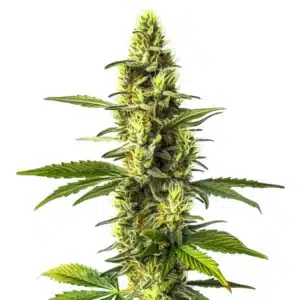
Bruce Banner #3

|
THC | 20% - 29% (High) |

|
Type | Feminized |

|
Yield | Medium |

|
Phenotype | 50% Indica / 50% Sativa |
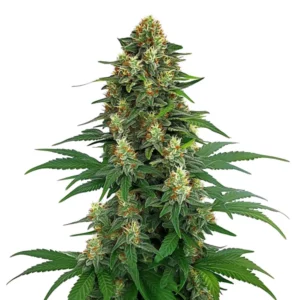
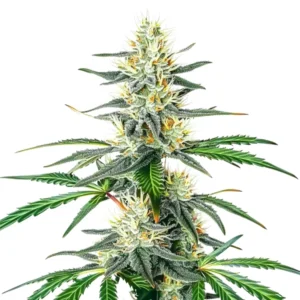
Tangie
|
|
THC | 19% - 22% (Medium) |
|
|
Type | Feminized |
|
|
Yield | High |
|
|
Phenotype | 30% Indica / 70% Sativa |
When you incorporate plant sap analysis into your routine, you take a proactive approach. This method is not only preventative but can also lead to improved yields and plant quality. By keeping an eye on the sap, you can adjust feeding regimens and environmental conditions to suit the plant’s needs.
Cannabis Plant Sap Analysis Techniques
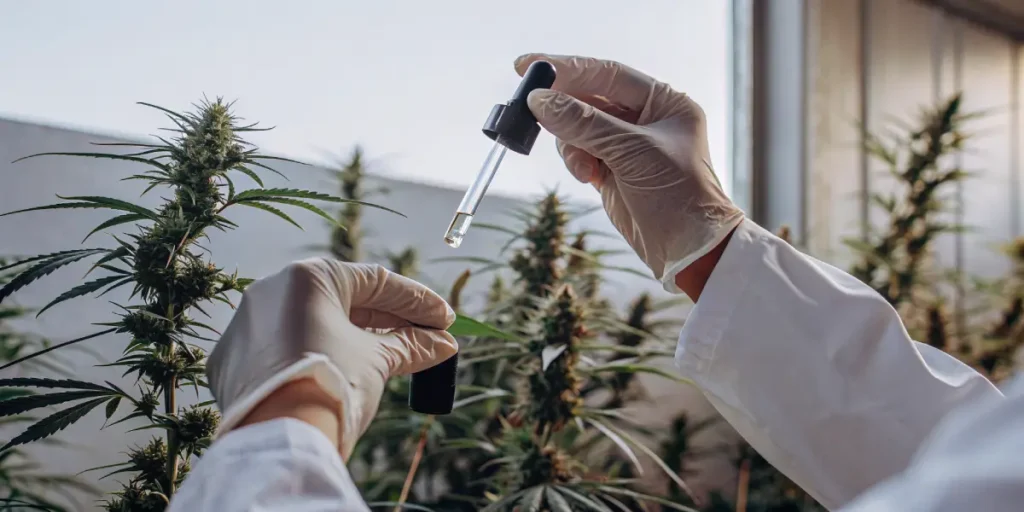
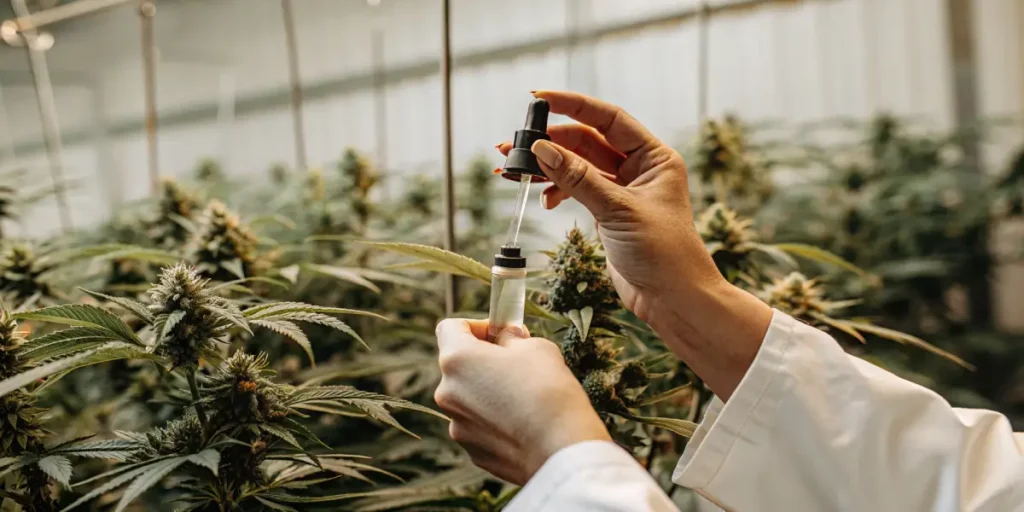
Several techniques are used to analyze cannabis plant sap. These techniques focus on extracting the sap and then testing it for various parameters. One popular method involves using a sap press to squeeze out the sap from the plant’s leaves or stems. This sap is then tested for its nutrient content, pH levels, and electrical conductivity.
Another technique involves using portable meters to measure the sap’s parameters directly in the field. This can be particularly useful for growers who need quick and frequent readings. By using these techniques, growers can get a detailed knowing of what’s happening inside their cannabis plants.
Knowing plant sap readings in cannabis requires familiarity with these techniques to ensure precise data collection. Each method has its advantages and can be selected based on the specific needs of the grower, whether they are cultivating Bruce Banner 3 or Tangie from Blimburn Seeds. By mastering these methods, growers can enhance their ability to maintain plant health.
The choice of cannabis plant sap analysis techniques can also be influenced by the scale and scope of the cultivation. For large-scale operations, automated systems might be more efficient, whereas smaller setups might benefit from manual methods. Regardless of the technique, the goal remains consistent: to provide actionable insights into plant health.
Promos & Deals




Interpreting Cannabis Sap pH Levels
The pH level of cannabis sap is an essential indicator of plant health. Ideally, the sap pH should be within a range that supports optimal nutrient uptake. If the sap pH is too high or too low, it can lead to nutrient lockout, where the plant can’t absorb essential nutrients.
Adjustments can be made based on sap pH readings. For instance, if the sap pH is off, growers might need to adjust the pH of their nutrient solution or soil. This is crucial for maintaining a healthy growing environment for strains like Bruce Banner 3 or Tangie from Blimburn Seeds.
Interpreting cannabis sap pH levels accurately allows growers to make timely adjustments to their cultivation practices. A balanced pH ensures that plants can efficiently absorb nutrients, thereby promoting vigorous growth and development. Knowing plant sap readings in cannabis is incomplete without a thorough grasp of how pH affects nutrient availability.
Consistent monitoring of sap pH levels is also vital for preventing issues like nutrient lockout. By keeping sap pH within the optimal range, growers can avoid common pitfalls associated with poor nutrient uptake. This proactive management is key to achieving high yields and maintaining the overall health of the cannabis plants.
Knowing Nutrient Imbalances in Cannabis Sap
Nutrient imbalances are a common issue in cannabis cultivation. By analyzing plant sap, growers can detect these imbalances early. For example, if the sap shows a deficiency in potassium, it can be addressed before the plant shows visible signs of stress.
On the other hand, excess nutrients can also be harmful. If the sap analysis indicates an oversupply of a particular nutrient, growers need to adjust their feeding practices. This ensures that the plants, such as GG4 from Blimburn Seeds, remain healthy and productive.
Knowing nutrient imbalances in cannabis sap involves recognizing the symptoms of both deficiencies and toxicities. By addressing these imbalances promptly, growers can prevent potential damage to their plants. This knowledge is crucial for maintaining optimal growth conditions throughout the plant’s life cycle.
Regular sap analysis helps in fine-tuning the nutrients to match the plant’s growth stage. As plants mature, their nutritional needs change, and sap analysis helps in keeping up with these changes. This way, you can ensure your plants are always getting exactly what they need.
Sap Conductivity in Cannabis Health Assessment
Sap conductivity is another crucial parameter in plant health assessment. It measures the sap’s ability to conduct electricity, which is directly related to its nutrient concentration. Higher conductivity often indicates higher nutrient levels.
Monitoring sap conductivity helps in avoiding nutrient burn, which can occur if the concentration is too high. Growers can adjust nutrient solutions to maintain optimal levels, ensuring cannabis strains like Tangie thrive.
Sap conductivity in cannabis health assessment provides a direct measure of the plant’s nutrient status. By regularly checking conductivity levels, growers can ensure that nutrient concentrations are kept within safe limits, preventing both deficiencies and excesses.
Regular checks of sap conductivity allow for timely adjustments, preventing issues before they affect the plant’s growth and development. This proactive approach can lead to healthier plants and better yields, ultimately contributing to a more successful cultivation process.
Optimal Sap Nutrient Ratios for Cannabis Growth
Balancing nutrient ratios in sap is essential for achieving optimal cannabis growth. These ratios need to be adjusted based on the plant’s growth stage. For instance, during the vegetative stage, a higher nitrogen ratio is beneficial, while flowering plants require more phosphorus and potassium.
By analyzing sap, growers can ensure that their plants have the right nutrient balance at all times. This is especially important for maximizing the potential of high-yielding strains from Blimburn Seeds.
Knowing plant sap readings in cannabis is incomplete without recognizing the importance of optimal sap nutrient ratios. Tailoring these ratios to suit different growth stages can significantly enhance plant performance and yield.
Precision in nutrient management can make a significant difference in the quality and quantity of the harvest. Regular sap analysis ensures that nutrient ratios are always on point, leading to healthier, more productive plants.
FAQs about knowing plant sap readings in cannabis
What is the best way to collect sap for analysis?
To collect sap for analysis, you can use a sap press to extract fluid from the leaves or stems. This method is effective in obtaining a clean sample for testing. Ensure the press is clean to avoid contamination that could skew results.
Another approach is using field meters that allow for direct measurement of sap parameters. This is practical for growers who need to perform frequent checks. Regular sampling provides a more comprehensive picture of the plant’s health.
When collecting sap, consistency in sampling methods is critical to obtaining reliable data. Whether using a sap press or portable meters, maintaining cleanliness and precision ensures the accuracy of the analysis.
Regular sampling not only provides insights into the current state of the plant but also helps in tracking changes over time. This ongoing monitoring is essential for making informed decisions about nutrient management and overall plant care.
How often should I perform plant sap analysis?
Performing plant sap analysis regularly is important, especially during critical growth stages. A weekly schedule is ideal for getting consistent data, which helps in making timely decisions regarding nutrient management.
During periods of rapid growth or when changes in plant behavior are observed, more frequent checks might be necessary. This ensures that any emerging issues are caught early, maintaining the health of the cannabis plants.
Establishing a routine for plant sap analysis is crucial for effective plant management. By adhering to a consistent schedule, growers can ensure they have the data needed to address potential issues proactively.
Knowing plant sap readings in cannabis involves not just conducting the analysis but also interpreting the data in the context of plant health. Regular analysis helps in building a comprehensive knowing of how different factors influence growth.
Can sap readings help in detecting pests or diseases?
While sap readings primarily focus on nutritional status, they can indirectly signal pest or disease issues. For instance, sudden changes in nutrient levels might indicate stress caused by pests or diseases.
Regular sap analysis, combined with visual plant inspections, forms a comprehensive approach to plant health management. By correlating sap data with other observations, growers can better address and prevent issues.
Integrating sap readings with other diagnostic techniques can enhance a grower’s ability to detect and manage pests or diseases. This holistic approach ensures that all aspects of plant health are monitored and maintained.
Knowing plant sap readings in cannabis as part of a broader health assessment strategy can provide early warnings of potential problems. This allows growers to implement timely interventions that can mitigate or prevent damage caused by pests or diseases.
What are the common errors to avoid in sap analysis?
Avoid cross-contamination by ensuring all tools are clean before use. Contaminated samples can lead to inaccurate readings. Also, be consistent with the parts of the plant you sample from to ensure comparability over time.
Another common error is misinterpreting the data. It’s crucial to understand what the readings mean and how they relate to plant health. This is where consulting with experienced growers or agronomists can be beneficial.
Knowing nutrient imbalances in cannabis sap requires accurate data, making it essential to avoid common errors during analysis. Consistency in sampling and proper tool maintenance are foundational to obtaining reliable results.
Misinterpretation of sap analysis data can lead to incorrect decisions that may adversely affect plant health. Growers should seek expert advice when needed to ensure they fully understand the implications of their readings and make informed adjustments.
How do sap readings complement other growth monitoring techniques?
Sap readings provide insights that complement other monitoring techniques like visual inspections and soil tests. Each method offers unique information that together gives a holistic view of plant health.
For instance, while a soil test might indicate available nutrients, sap readings show what the plant is actually absorbing. This dual approach allows for more precise adjustments in nutrient management strategies.
Sap readings are a valuable component of an integrated plant health management strategy. By combining sap analysis with other techniques, growers can achieve a more complete knowing of their plants’ needs.
Knowing plant sap readings in cannabis alongside other monitoring methods offers a comprehensive approach to cultivation. This synergy enables growers to optimize their practices, resulting in healthier plants and improved yields.