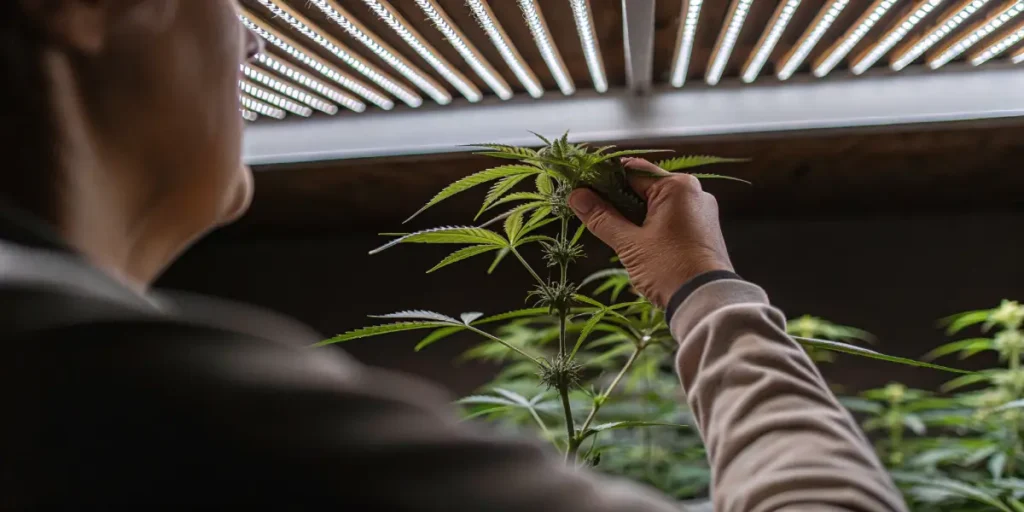
Essential Step by Step Guide to Taking Brix Readings in Cannabis

Taking brix readings in cannabis is vital for anyone interested in maximizing their crop’s health and yield. This easy-to-follow process allows you to measure the sugar levels in your plants, giving you insights into their overall health. Following a step by step guide to taking brix readings in cannabis plants can be a game-changer, whether you’re growing your first crop or are a seasoned cultivator looking to fine-tune performance.
Brix readings provide you with a snapshot of your plant’s sugar content. Higher sugar levels typically indicate healthier plants. For cannabis growers, maintaining optimal brix levels can lead to better-tasting buds and higher yields. Let’s dive into this step by step guide to taking brix readings in cannabis plants.
Recommended Strains
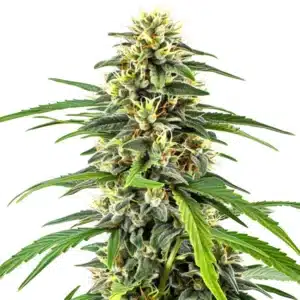
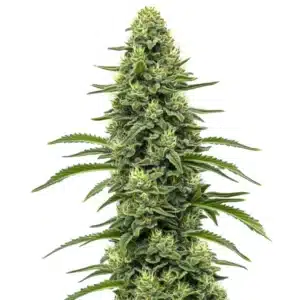
Amnesia Haze

|
THC | 18% - 22% (Medium) |

|
Type | Feminized |

|
Yield | High |

|
Phenotype | 30% Indica / 70% Sativa |

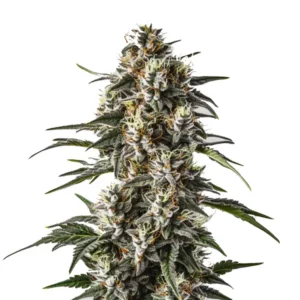
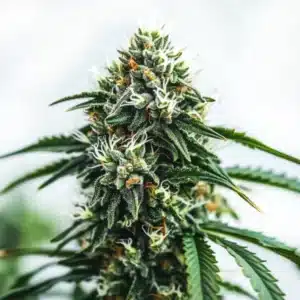
Blue Dream
|
|
THC | 17% - 24% (Medium) |
|
|
Type | Feminized |
|
|
Yield | High |
|
|
Phenotype | 50% Indica / 50% Sativa |
With tools like a refractometer, you can easily measure the brix levels in your cannabis leaves. This handy tool helps you keep track of how well your plants are doing. Follow along as we break down the process, making it accessible for anyone.
Gather Your Tools for Brix Measurement
Before you can begin measuring brix levels, you’ll need to gather a few essential tools. The most critical tool in your arsenal is a refractometer. This device measures the refraction of light through the plant’s juices, which correlates to sugar content.
Another useful tool is a garlic press or similar juicer. This will help you extract the juice from the cannabis leaves, which is needed for the refractometer. Additionally, make sure you have a clean cloth and distilled water to calibrate the refractometer before each use.
Besides to the refractometer and garlic press, having a notebook or digital device to record your readings is beneficial. Documenting your brix levels over time can help you track trends and make informed decisions about your plant care. This comprehensive brix reading guide for cannabis growers emphasizes the importance of monitoring changes to optimize growing conditions.
Consider investing in protective eyewear and gloves for safety while handling the tools and plant material. This is especially important if you’re new to the step by step guide for brix measurement in cannabis and want to ensure you’re performing each step safely and effectively.
Choosing the Right Refractometer
Refractometers come in different styles, but for cannabis cultivation, a handheld analog or digital one will work best. Analog refractometers are straightforward and don’t require batteries. They have a small eyepiece through which you’ll read the brix level.
Digital refractometers, on the other hand, offer a more precise reading and are easier to use. They display the brix level on a digital screen, making them user-friendly for beginners. Both types can give you accurate measurements if used correctly.
When selecting a refractometer, consider the durability and ease of calibration as well. A well-built refractometer will last longer and provide consistent results. It’s crucial to choose a device that is simple to calibrate, especially when following a step by step guide to taking brix readings in cannabis plants.
Additionally, check for a refractometer that provides clear instructions for use and maintenance. This will help ensure you’re getting the most accurate readings and can be particularly useful for those looking to learn how to accurately measure brix levels in marijuana plants.
Preparing Your Cannabis Plants
For the most accurate brix readings, choose healthy, mature leaves from your cannabis plants. The best time to take readings is during the plant’s active growth phase when photosynthesis is at its peak. This is usually in the morning after the dew has evaporated.
Use clean scissors to cut a few leaves from your plant. Be gentle to avoid damaging the plant. Once you’ve gathered the leaves, it’s time to extract the juice for testing. Using a garlic press, squeeze the juice onto the refractometer’s glass surface.
Ensure that the leaves you select are representative of your plant’s overall health. Avoid leaves that are damaged or diseased, as they may provide inaccurate readings. This step is crucial in the detailed instructions for brix testing in cannabis cultivation.
As you prepare the leaves, consider the environmental conditions in which your plants are growing. Factors such as light, temperature, and humidity can affect the sugar levels in the leaves, making it important to note these conditions alongside your brix readings.
Interpreting Brix Readings
Once you’ve taken a reading, you’ll see a number on the refractometer’s scale. This number represents the percentage of sugar in the plant’s juice. A higher brix level typically indicates a healthier plant with better resistance to pests and diseases.
For cannabis, a brix level of 12% or higher is considered excellent. Plants with lower readings may need attention, such as improved nutrition or environmental conditions. Use these readings as a guide to adjust your growing practices.
Knowing how to interpret brix readings can help you make precise adjustments to your cultivation practices. For instance, if brix levels are lower than expected, it might indicate the need for nutrient adjustments or changes in your watering schedule. This insight is invaluable in a comprehensive brix reading guide for cannabis growers.
Keep in mind that interpreting brix readings should be done in conjunction with visual assessments of your plants. Combining quantitative data with qualitative observations can provide a holistic view of your plant’s health, allowing for more targeted interventions.
Promos & Deals

Improving Brix Levels in Cannabis Plants
If you find that your brix readings are lower than desired, there are several ways to improve them. Focus on enhancing your plant’s growing environment and nutrition. Healthy soil, adequate light, and proper watering are key factors in boosting brix levels.
Consider using organic fertilizers that promote microbial activity in the soil. This can significantly improve the nutrient uptake of your plants, leading to higher brix levels. Additionally, make sure your plants are receiving enough light, as this is crucial for photosynthesis.
Improving brix levels is an ongoing process that involves regular monitoring and adjustments. Begin by assessing the quality of your soil and ensuring it is rich in organic matter. This foundation supports optimal plant health and is a fundamental part of easy steps to check brix levels in cannabis leaves.
Experiment with different organic amendments and fertilizers to find the combination that works best for your plants. Document the changes you make and their effects on brix levels to build a personalized guide for optimizing your cannabis cultivation practices.

Adjusting Nutrient Levels
To improve brix levels, it may be necessary to adjust the nutrient levels in your growing medium. High-quality nutrients ensure that your cannabis plants have all the essential elements they need for growth. Pay attention to macro and micronutrients like nitrogen, phosphorus, potassium, and calcium.
Over-fertilizing can be just as harmful as under-fertilizing. Follow the manufacturer’s instructions on nutrient packaging and monitor your plants’ response. If you’re growing strains like Amnesia Haze from Blimburn Seeds, you’ll want to ensure the nutrient balance is spot-on for optimal growth.
Conduct regular soil or substrate tests to determine nutrient availability and balance. This proactive approach is part of the step by step guide for brix measurement in cannabis, helping to identify deficiencies or excesses before they become problematic.
Consider consulting with other experienced growers or agricultural experts to refine your nutrient management strategy. Sharing insights and experiences can lead to new discoveries and improvements in your cannabis cultivation techniques.
Enhancing Light Exposure
Light is a critical factor in cannabis growth, directly affecting photosynthesis and brix levels. Ensure your plants receive adequate light by positioning them correctly in your grow space. If growing indoors, consider using high-quality grow lights that mimic natural sunlight.
LED grow lights are a popular choice among cannabis growers for their efficiency and light spectrum. They provide the necessary wavelengths for photosynthesis, helping plants produce more sugars and boosting brix levels.
Regularly evaluate your light setup to ensure your plants are receiving uniform coverage. Shadows or uneven light distribution can lead to inconsistent growth and brix levels, so adjustments may be necessary to achieve optimal results.
Experiment with different light spectrums and intensities to find what works best for your specific strains. Cultivars from Blimburn Seeds, such as Blue Dream, can benefit greatly from tailored light environments that enhance their genetic potential.
FAQs about step by step guide to taking brix readings in cannabis plants
What is a good brix level for cannabis plants?
A good brix level for cannabis plants is typically 12% or higher. This indicates a healthy plant with robust sugar content, which can lead to better resilience against pests and diseases. High brix levels also correlate with improved flavor profiles and higher yields.
Maintaining good brix levels involves ensuring your plants have optimal conditions. This includes proper nutrition, light exposure, and watering practices. Regularly monitoring your plants’ brix levels will help you make necessary adjustments to keep them healthy.
Incorporating the step by step guide to taking brix readings in cannabis plants into your routine can help you achieve and maintain these optimal brix levels. Consistent practice and observation are key to knowing the unique needs of your plants.
Stay informed about the latest techniques and advancements in cannabis cultivation. Engaging with a community of growers can provide valuable insights and support as you strive to maintain high brix levels in your plants.
How often should I take brix readings?
It’s advisable to take brix readings regularly, especially during the plant’s active growth phases. Weekly readings can provide a comprehensive view of your plant’s health over time. This frequency allows you to detect any changes early and take corrective action if needed.
For new growers, taking brix readings more frequently at first can help you understand how different factors affect your plants. Over time, you’ll develop a routine that works best for your particular growing conditions and cannabis strains.
As you become more familiar with the process, you may find that certain times of the year or growth stages require more frequent monitoring. Adapting your schedule based on your observations is an integral part of the step by step guide for brix measurement in cannabis.
Consider using technology like mobile apps or spreadsheets to track your brix readings and growth conditions. This data-driven approach can provide valuable insights and help you refine your cultivation techniques over time.
Can I improve low brix levels in my cannabis plants?
Yes, improving low brix levels in cannabis plants is possible with some adjustments. Focus on enhancing your plant’s growing conditions, such as optimizing light exposure, ensuring proper nutrition, and maintaining healthy soil.
Regularly test your soil or growing medium to ensure it contains the right balance of nutrients. Additionally, consider using organic fertilizers and boosting microbial activity to enhance nutrient uptake. These steps can lead to improved brix readings.
Patience and persistence are key when working to improve brix levels. It may take several weeks or even months to see significant changes, so remain diligent and continue to follow the comprehensive brix reading guide for cannabis growers.
Engage with the community or seek expert advice if you’re encountering persistent issues. Sharing your challenges and successes can lead to collective learning and improvement in cannabis cultivation practices.
Do different cannabis strains have different brix levels?
Yes, different cannabis strains can have varying brix levels. Factors such as genetics, growing conditions, and nutrient uptake play significant roles in determining a plant’s sugar content. Some strains naturally have higher brix levels due to their genetic makeup.
For instance, strains like Critical Daddy Purple from Blimburn Seeds are known for their robust health and can achieve high brix levels with proper care. Experimenting with different strains can help you find those that perform best under your specific growing conditions.
When selecting strains, consider their known growing characteristics and how they might fit into your cultivation environment. This strategic approach is part of knowing how to accurately measure brix levels in marijuana plants.
Documenting your experiences with different strains can provide a valuable reference for future grows. This knowledge can help you optimize your growing practices and achieve consistently high brix levels across multiple cultivations.
What is the importance of calibrating my refractometer?
Calibrating your refractometer is crucial for obtaining accurate brix readings. This process ensures the instrument provides precise measurements, free from errors. Always calibrate your refractometer before each use, using distilled water for best results.
Regular calibration is essential, especially if your refractometer has been subjected to temperature changes or is used frequently. Keeping it calibrated will help you reliably track your cannabis plants’ brix levels, enabling you to make informed decisions about their care.
A well-calibrated refractometer is the backbone of any detailed instructions for brix testing in cannabis cultivation. Without accurate readings, it’s challenging to assess your plants’ health and make necessary adjustments.
Consider setting a routine for calibration, such as at the start of each new growing cycle or after any significant changes in your growing environment. This ensures that your refractometer remains a reliable tool in your cultivation arsenal.