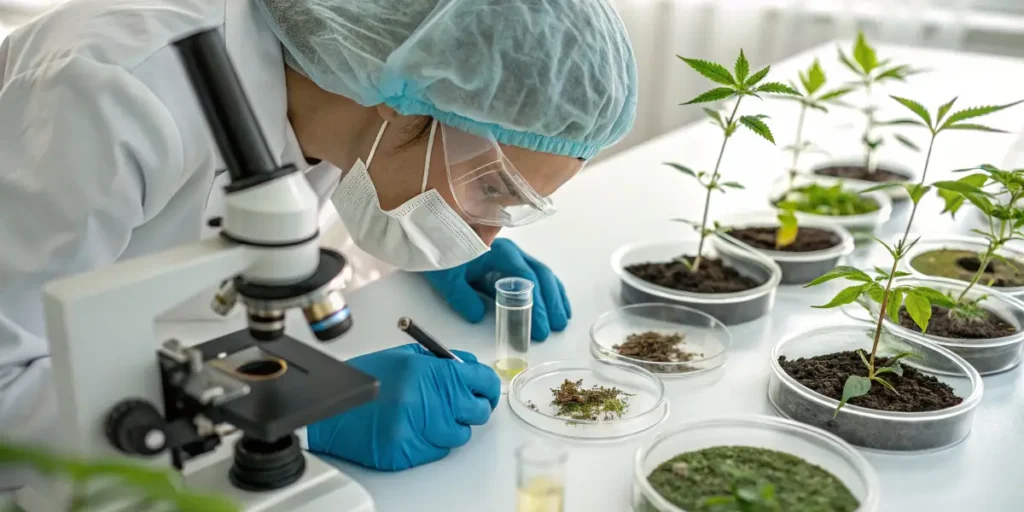
Essential Guide to Contamination Risk: PGR Carryover Explained

Contamination risk: PGR carryover from inputs and substrates is a critical issue for cannabis growers. PGRs, or Plant Growth Regulators, are chemicals used to control plant growth. While they can be beneficial in certain agricultural settings, their carryover into cannabis cultivation can pose significant risks.
Whether you’re a first-time seed buyer or an experienced grower, knowing how PGR contamination affects your plants can make a big difference. PGRs can sneak into your grow through substrates or agricultural inputs, leading to unexpected results. It’s crucial to manage these risks effectively to ensure the safety and quality of your crops.
Recommended Strains

Blue Dream

|
THC | 17% - 24% (High) |

|
Type | Feminized |

|
Yield | High |

|
Phenotype | 50% Indica / 50% Sativa |

Gelato
|
|
THC | 27% (High) |
|
|
Type | Feminized |
|
|
Yield | High |
|
|
Phenotype | 50% Indica / 50% Sativa |
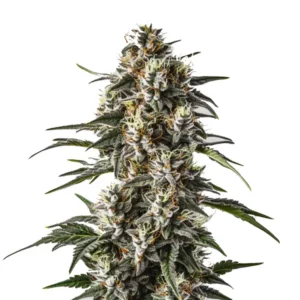
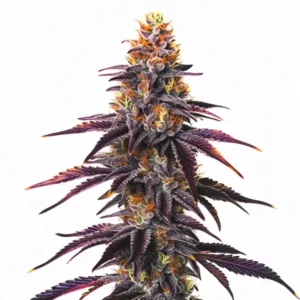
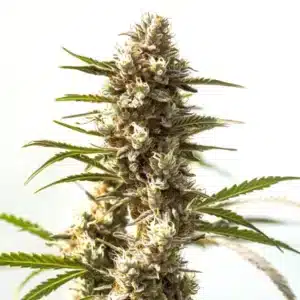
For instance, Blimburn Seeds offers a variety of strains that are sensitive to PGR carryover. By being aware of the potential contamination, growers can better protect strains like Blue Dream, Gelato, and GG4 from adverse effects.
What is PGR Carryover?
PGR carryover refers to the unintended presence of Plant Growth Regulators in your growing environment. These chemicals can linger in substrates or soil amendments, leading to contamination risks. When PGRs carry over into your cannabis crop, it can alter growth patterns, potentially reducing yield quality.
Imagine using a soil mix previously treated with PGRs for other agricultural purposes. Even if the PGRs were beneficial for those plants, they might not be suitable for cannabis. The risk of PGR carryover in soil amendments is something every grower should consider when selecting materials for their grow.
The contamination risk: PGR carryover from inputs and substrates is heightened when growers are unaware of the history of their growing media. Without proper checks, PGRs can accumulate over time, exacerbating their impact on the cannabis plants. This accumulation can lead to compounded effects, making it even more challenging to manage and rectify.
Moreover, PGRs can affect various aspects of plant physiology, from root development to flowering. This influence is often unpredictable and can vary widely depending on the concentration and type of PGR involved. Knowing these nuances is essential for growers aiming to maintain the integrity of their crops.
Promos & Deals
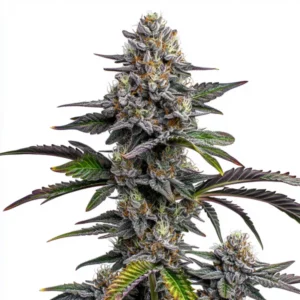
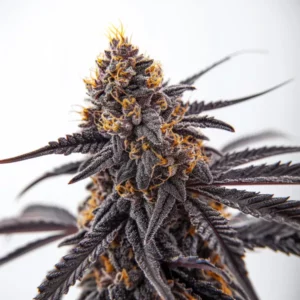
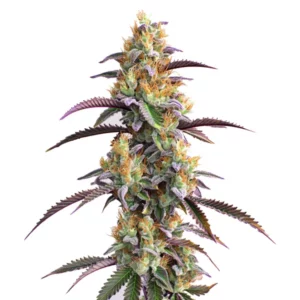
Sources of PGR Contamination
One major source of contamination risk: PGR carryover from inputs and substrates is through agricultural inputs. These include fertilizers, soil conditioners, and other products used to enhance plant growth. If these inputs were treated with PGRs, they might bring unwanted chemicals into your grow.
Growing substrates, such as coco coir or peat moss, can also be culprits. PGR contamination risk in growing substrates arises when they have been exposed to growth regulators during their production or previous use. It’s essential to verify the history of your substrates to minimize this risk.
Additionally, the contamination risk PGR carryover agricultural inputs poses a significant challenge. This risk is not only limited to fertilizers but extends to any product applied to the plant or soil. Even pest control measures can sometimes introduce PGRs, making vigilance crucial.
Furthermore, sourcing materials from unknown or unreliable suppliers increases the likelihood of PGR presence. Establishing a network of trusted suppliers and insisting on transparent sourcing and lab testing can drastically reduce the risk of contamination.
Managing PGR Contamination
Managing PGR contamination from agricultural inputs starts with thorough research. Choose products explicitly labeled as free from PGRs. Reputable brands often test their products to ensure they are uncontaminated. Requesting test results or certifications can provide peace of mind.
Another approach is to create your own compost or soil mixes. By controlling the materials in your growing medium, you minimize the risk of contamination. This hands-on method allows you to tailor the substrate to suit the specific needs of your Blimburn Seeds strains.
Being proactive is key when it comes to managing PGR contamination from agricultural inputs. Regular audits of your growing practices and materials can help identify potential sources of contamination before they become a problem. This proactive approach allows growers to adjust their practices promptly, ensuring ongoing crop safety.
Moreover, education and training can play a vital role. By staying informed about the latest research and trends in PGR contamination, growers can better anticipate and mitigate risks. This knowledge empowers growers to make informed decisions that safeguard their crops and promote sustainable practices.
Impact on Crop Safety
The impact of PGR carryover on crop safety cannot be overstated. When PGRs affect cannabis plants, they can alter the growth, potency, and safety of the final product. In some cases, PGRs can lead to plants with unnatural growth patterns, affecting the overall yield.
For growers focused on producing clean, safe cannabis, knowing the contamination risk: PGR carryover from inputs and substrates is key. By carefully selecting inputs and monitoring growth, you can safeguard your crop. This is particularly important for strains that are sensitive to chemical changes, such as Gelato.
The impact of PGR carryover on crop safety extends beyond the immediate growth cycle. Long-term exposure to PGRs can lead to residual effects in the soil, potentially affecting future crops. This residual presence can complicate efforts to grow clean cannabis, necessitating more intensive remediation measures.
Moreover, consumer safety is at stake. Products tainted with PGRs may not meet regulatory standards, posing health risks to users. Therefore, implementing stringent measures to avoid contamination is not just about crop quality but also about maintaining consumer trust and meeting legal obligations.
FAQs about contamination risk: PGR carryover from inputs and substrates
How do PGRs affect cannabis plant growth?
PGRs can alter the natural growth patterns of cannabis plants. While they might increase size or change the shape of the plant, they often do so at the expense of quality. The presence of PGRs can lead to denser buds but may also reduce the plant’s natural cannabinoid profile.
For example, a strain like GG4 might experience changes in its typical growth trajectory if affected by PGRs. This can lead to unexpected results in terms of both appearance and potency, ultimately impacting the product’s marketability.
The effects of PGRs on cannabis are not uniform; they can vary widely depending on the specific type of PGR and the strain of cannabis. Some strains might show noticeable changes in flowering time, while others might exhibit altered leaf morphology or bud density. This variability makes it crucial for growers to understand the specific needs and resilience of their chosen strains.
Besides to physical changes, PGRs can also impact the chemical composition of the plant. This includes shifts in cannabinoid and terpene profiles, which are essential for the plant’s medicinal and recreational properties. Thus, managing PGR contamination is vital for maintaining the desired characteristics of each strain.
Can I test my soil for PGRs?
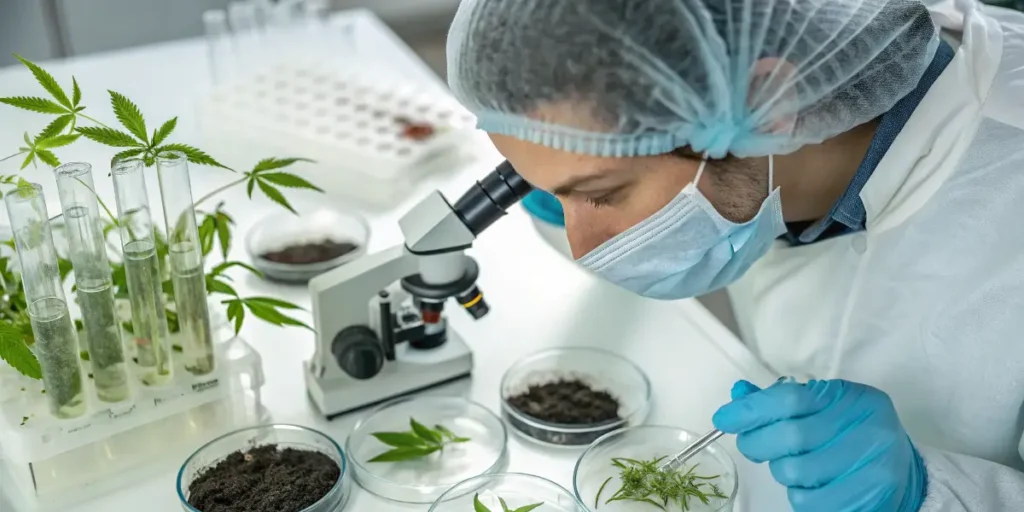
Yes, testing your soil for PGRs is possible and advisable. Soil testing can reveal the presence of unwanted chemicals, helping you make informed decisions about your growing practices. Many labs offer this service, providing detailed reports on chemical levels.
Regular soil testing can help you identify contamination early. By addressing PGR carryover promptly, you can adjust your practices to protect your crops, ensuring strains like Blue Dream reach their full potential.
Soil testing provides a comprehensive overview of the chemical landscape of your growing environment. By regularly monitoring these levels, growers can track changes over time, allowing for more precise interventions when necessary. This ongoing assessment helps in sustaining a thriving growth environment free from unwanted chemical interference.
Moreover, testing isn’t limited to soil alone; water sources and even plant tissue can be analyzed for PGRs. This multi-faceted approach ensures that all potential contamination avenues are addressed, supporting the overall health and productivity of the crop.
Are organic inputs free from PGRs?
Organic inputs are generally free from synthetic PGRs, but it’s always good to verify. While organic products are less likely to contain harmful chemicals, they aren’t immune to contamination. Checking labels and sourcing from reputable suppliers ensures safety.
Using organic inputs can reduce contamination risk: PGR carryover from inputs and substrates. This approach aligns with sustainable practices, promoting healthier growth for strains like Gelato and supporting overall environmental health.
Organic farming emphasizes the use of natural inputs, which inherently reduces the risk of chemical contamination. However, even organic products require careful scrutiny, as they can be affected by cross-contamination or mislabeling. Ensuring comprehensive testing and certification of organic products is critical for maintaining a truly clean growing environment.
Incorporating organic practices into your growing regimen not only minimizes the risk of PGR contamination but also enhances soil health and biodiversity. This holistic approach supports a more resilient agricultural system, which in turn benefits the quality and safety of the cannabis produced.
What are the signs of PGR contamination in cannabis plants?
Signs of PGR contamination can include unusual growth patterns, such as excessively hard or dense buds, and changes in leaf color or shape. These physical changes often indicate chemical interference with natural growth processes.
Monitoring your plants for these signs is crucial, especially with varieties from Blimburn Seeds known for specific growth patterns. Early detection allows for immediate action, minimizing the impact on your final yield.
Beyond physical abnormalities, PGR contamination can also manifest in reduced plant vigor and slower growth rates. These subtle signs can easily be mistaken for natural variations, making it essential for growers to stay vigilant and conduct regular inspections of their crops.
Furthermore, laboratory analysis of plant tissue can confirm the presence of PGRs, providing definitive proof of contamination. By combining visual assessments with scientific testing, growers can develop a comprehensive strategy to identify and address PGR-related issues effectively.
How can I prevent PGR carryover in my cannabis grow?
Preventing PGR carryover involves careful selection of inputs and substrates. Opt for products with clear, transparent sourcing and avoid those with a history of PGR use. Creating your own growing mediums can also help control contamination risks.
Implementing good growing practices, such as regular monitoring and using organic inputs, reduces the risk of contamination. This proactive approach ensures that strains like Gorilla Glue maintain their characteristic qualities without unwanted chemical interference.
Establishing a robust quality control system is another effective measure to prevent contamination risk: PGR carryover from inputs and substrates. This system should include regular audits of your growing environment and materials, as well as continuous education on best practices and new developments in the industry.
Lastly, fostering a culture of transparency and accountability within your growing operation can further mitigate risks. Encouraging open communication and collaboration among staff members ensures that potential issues are identified and addressed promptly, safeguarding the integrity of your crops.