Essential Expert Guide: Cannabis PGR Residue Testing Methods Overview

Ensuring the quality and safety of your cannabis plants is crucial, whether you’re a first-time seed buyer or a seasoned grower. The use of Plant Growth Regulators (PGRs) in cannabis cultivation has sparked discussions about their impact on health and plant quality. Here, we delve into the cannabis PGR residue testing methods overview to help you make informed decisions.
PGRs can enhance plant growth, but they may also leave residues that are not desirable. Testing methods are available to detect these residues, ensuring your cannabis is safe for consumption. By employing effective cannabis PGR residue analysis techniques, you can maintain the integrity of your product.
Recommended Strains

Girl Scout Cookies

|
THC | 18% - 25% (High) |

|
Type | Feminized |

|
Yield | High |

|
Phenotype | 60% Indica / 40% Sativa |

Mimosa
|
|
THC | 24% - 30% (High) |
|
|
Type | Feminized |
|
|
Yield | High |
|
|
Phenotype | 30% Indica / 70% Sativa |
Choosing strains like Girl Scout Cookies from Blimburn Seeds, which are known for their natural growth properties, can reduce the need for PGRs. However, it’s still essential to understand the methods for testing PGR residues in cannabis to guarantee quality.
The Importance of Testing for PGR Residues
PGRs are chemicals used to alter the growth rate and structure of plants. In cannabis, they might be used to boost yields or modify the plant’s appearance. However, residues from these chemicals can remain in the plant, raising health concerns. Implementing an overview of cannabis PGR testing procedures is essential for safety.
Testing for PGR residues in cannabis is not just about compliance; it’s about consumer safety and product quality. The cannabis PGR residue detection methods can reveal harmful substances that might not be visible to the naked eye. Employing these testing protocols for PGR residues in cannabis ensures that your product is both safe and marketable.
Beyond safety, regular testing for PGR residues can also enhance the marketability of cannabis products. Consumers are becoming increasingly aware of what goes into their cannabis, and providing proof of residue-free products can set a brand apart from competitors. Additionally, knowing these testing procedures can guide growers in optimizing their cultivation techniques to naturally reduce the presence of PGRs.
Moreover, as the cannabis industry continues to grow, regulatory scrutiny will likely increase. Staying ahead by integrating comprehensive cannabis PGR residue testing methods overview into your operations can prepare you for future regulatory changes. This proactive approach not only safeguards consumer health but also ensures the longevity and success of your cannabis business.
Promos & Deals




Common PGRs Found in Cannabis
Some of the PGRs used in cannabis include paclobutrazol, daminozide, and chlormequat chloride. These chemicals can affect the plant’s growth rate and overall health. It’s crucial to identify and quantify these substances through reliable testing methods.
For example, paclobutrazol is often used to control plant height, but residues may linger in the plant. Similarly, daminozide, known for promoting flowering, might pose risks if consumed. Knowing the presence of these substances through effective cannabis PGR residue testing methods is vital for quality assurance.
Chlormequat chloride is another common PGR that is used to reduce internodal length, leading to more compact and bushy plants. However, like other PGRs, its residues can be persistent, necessitating thorough testing. Accurate testing methods for PGR residues in cannabis can help in identifying the levels of such chemicals, ensuring that they remain within safe limits.
It is essential for growers to stay informed about the types of PGRs that may be present in their plants. By knowing the specific chemicals and their potential impacts, growers can make informed decisions about cultivation practices. Utilizing cannabis PGR residue analysis techniques effectively aligns with best practices for producing safe and high-quality cannabis products.
Analytical Techniques for PGR Residue Testing
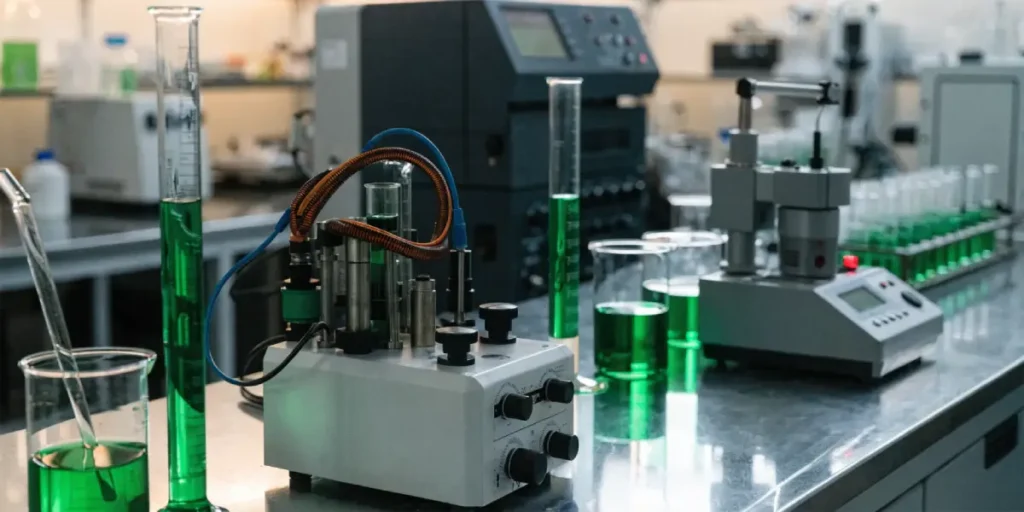
Gas Chromatography-Mass Spectrometry (GC-MS) is a common technique used in cannabis PGR residue analysis. This method separates and identifies different compounds in a sample. It’s highly accurate and can detect even trace amounts of PGRs, making it a preferred choice for many labs.
Another method is High-Performance Liquid Chromatography (HPLC). This technique is similar to GC-MS but uses liquid instead of gas to separate compounds. HPLC is effective in identifying a wide range of PGRs, ensuring comprehensive analysis of your cannabis products.
Liquid Chromatography-Tandem Mass Spectrometry (LC-MS/MS) combines the principles of HPLC and mass spectrometry. It’s highly sensitive and can provide detailed information about the chemical structure of residues. This method is particularly useful when dealing with complex cannabis matrices.
Each of these analytical techniques offers unique advantages, and choosing the right one depends on the specific needs of your testing process. For instance, while GC-MS is excellent for volatile compounds, LC-MS/MS might be more suited for non-volatile PGRs. Knowing the strengths of each method can guide you in selecting the most appropriate testing protocol for PGR residues in cannabis.
Sampling and Preparation for Testing
Proper sampling is crucial for accurate PGR residue testing. Samples must be representative of the entire batch to ensure reliable results. For instance, if you’re testing a batch of Bruce Banner cannabis from Blimburn Seeds, make sure to collect samples from different plants and parts of the plant.
Preparation involves cleaning and grinding the samples before testing. This step is vital to remove any external contaminants that might skew results. Consistency in sample preparation enhances the accuracy of the cannabis PGR residue detection methods.
Accurate sampling and preparation not only ensure reliability but also improve the reproducibility of test results. Reproducibility is key in scientific testing, providing confidence that results are consistent across different samples and testing conditions. This consistency is critical for maintaining the credibility of the testing process and ensuring consumer safety.
Moreover, the choice of sample preparation techniques can affect the detection limits of PGR residues. Certain preparation methods may be more effective at concentrating residues, thereby allowing for the detection of even trace amounts. In-depth knowledge of these processes is critical for executing an effective cannabis PGR residue testing methods overview.
Regulations and Compliance in PGR Testing
Various regions have specific regulations regarding the permissible levels of PGR residues in cannabis. Familiarize yourself with these regulations to ensure compliance. For example, certain jurisdictions might have stricter limits on specific PGRs, necessitating more rigorous testing protocols for PGR residues in cannabis.
Compliance isn’t just about following the law; it’s also about building trust with consumers. By adhering to regulations and employing robust testing methods, you demonstrate a commitment to safety and quality. This can enhance your reputation in the market.
Knowing the regulatory landscape is an ongoing process, as rules can change and evolve. Staying updated with these changes is imperative for ensuring that your products remain compliant. This vigilance not only protects your business from legal repercussions but also reassures consumers about the safety of your products.
Additionally, compliance with regulations often involves thorough documentation and record-keeping. Maintaining detailed records of your cannabis PGR residue testing methods overview and results can be beneficial during audits and inspections. This transparency can further strengthen consumer trust and reinforce your commitment to quality and safety.
FAQs about cannabis PGR residue testing methods overview
What are PGRs, and why are they used in cannabis cultivation?
PGRs, or Plant Growth Regulators, are chemicals that influence the growth and development of plants. In cannabis cultivation, they’re often used to control plant height, enhance yields, and alter flowering times. These chemicals can help growers achieve specific goals, such as maximizing space in growing areas or improving the aesthetic appeal of the plants.
However, PGRs can also leave residues that might be harmful if consumed. It’s essential to weigh the benefits and risks when considering their use. Testing for residues ensures that any unwanted chemicals are detected and managed appropriately.
While PGRs can offer certain advantages, such as optimizing growth patterns and improving yield, the potential downsides cannot be ignored. The residues left by these chemicals can compromise the natural quality of cannabis, leading to potential health risks for consumers. Thus, employing effective cannabis PGR residue analysis techniques is essential to safeguard health and ensure product excellence.
Exploring alternative cultivation techniques, such as using naturally resilient strains from Blimburn Seeds, can also reduce reliance on PGRs. By prioritizing natural growing methods, cultivators can enhance the overall safety and quality of their cannabis products while minimizing potential health risks associated with chemical residues.
How can I ensure my cannabis is free from harmful PGR residues?
To ensure your cannabis is free from harmful PGR residues, implement regular testing using reliable cannabis PGR residue testing methods. Choose strains like those from Blimburn Seeds that are less likely to require PGRs due to their robust growth profiles. Additionally, maintaining good cultivation practices can reduce the need for these chemicals.
Regularly reviewing your growing practices and staying informed about new testing techniques can also help. By doing so, you can proactively address any potential issues and maintain the quality and safety of your cannabis products.
Engaging with reputable laboratories that specialize in cannabis PGR residue detection methods can be an invaluable step towards ensuring product purity. These labs can offer insights into the latest testing protocols and help tailor a testing regimen that meets the unique needs of your cultivation process.
Additionally, educating your team about the significance of residue-free products can foster a culture of quality and safety. Training on the overview of cannabis PGR testing procedures can empower your staff to make informed decisions about cultivation practices, ultimately leading to superior product offerings.
Are there any natural alternatives to PGRs in cannabis cultivation?
Yes, there are natural alternatives to PGRs that can be used in cannabis cultivation. Techniques such as selective breeding, optimizing environmental conditions, and using organic fertilizers can promote healthy plant growth without the need for PGRs. These methods are often preferred by those looking to maintain an organic cultivation process.
For example, strains like Mimosa from Blimburn Seeds can thrive with minimal intervention, reducing the need for chemical growth regulators. By focusing on natural growth techniques, you can produce high-quality cannabis that’s free from harmful residues.
Implementing integrated pest management (IPM) strategies can further support natural growth and reduce the reliance on chemical regulators. IPM focuses on using biological, cultural, and mechanical control methods to manage pests and diseases, thereby promoting healthier plant growth.
Moreover, experimenting with natural growth enhancers such as kelp extracts and beneficial microbes can encourage robust plant development. These natural solutions can complement the cannabis PGR residue testing methods overview, offering a holistic approach to producing safe and high-quality cannabis products.
What are the potential health risks associated with PGR residues in cannabis?
Consuming cannabis with PGR residues can pose several health risks. Some PGRs have been linked to negative effects on human health, such as hormonal imbalances and increased cancer risk. It’s essential to minimize exposure to these chemicals by ensuring thorough testing of cannabis products.
By employing cannabis PGR residue detection methods, you can identify and mitigate these risks. Educating consumers about the potential dangers of PGR residues also helps in promoting safer consumption practices.
Knowing the specific health implications of different PGRs can help inform testing priorities. For instance, some PGRs might be more harmful than others, necessitating more stringent testing protocols. Knowledge of these nuances is crucial for implementing effective methods for testing PGR residues in cannabis.
Additionally, fostering transparency about testing results can help build consumer trust. By openly sharing information about the safety and quality of your products, you can reassure consumers that your cannabis meets the highest standards of purity and safety.
How often should cannabis be tested for PGR residues?
The frequency of testing for PGR residues in cannabis depends on several factors, including cultivation practices, strain susceptibility, and regulatory requirements. As a general rule, testing should be conducted at various stages of growth and post-harvest to ensure comprehensive analysis.
Engaging with a reputable testing lab can provide guidance on the appropriate testing schedule for your specific situation. By maintaining a regular testing routine, you can ensure the ongoing safety and quality of your cannabis products.
Frequent testing not only ensures compliance but also provides valuable data that can be used to optimize cultivation practices. Regular analysis can identify patterns and trends, helping growers refine their methods to naturally minimize the presence of PGR residues.
Moreover, consistent testing can serve as an early warning system, alerting cultivators to potential issues before they become significant problems. This proactive approach aligns with best practices in cannabis cultivation, supporting the delivery of safe and high-quality products to the market.