Essential Guide: Expert Chlormequat Residue Testing in Cannabis

Chlormequat residue testing in cannabis is crucial for ensuring the safety and quality of cannabis products. Whether you’re a first-time buyer or a seasoned grower, knowing the nuances of this process can be invaluable. Chlormequat is a plant growth regulator that, while useful in agricultural practices, can pose health risks if residues are present in consumable products like cannabis. By testing for chlormequat residues in marijuana, producers can guarantee that their products are safe for consumption.
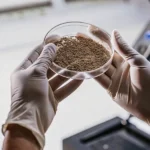
For growers, the process of chlormequat residue analysis in cannabis involves sampling and laboratory testing to detect any lingering chemical residues. The testing ensures that the cannabis meets regulatory standards and is free from harmful levels of chlormequat. This is particularly important for consumers who rely on cannabis for medicinal purposes. Reliable results depend on good lab technique, from proper sample prep for cannabinoid stability to field tools like a refractometer for outdoor cultivation.
Recommended Strains

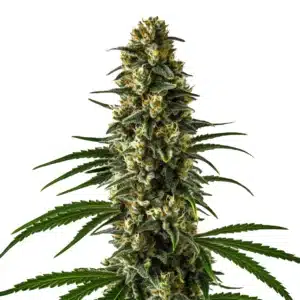
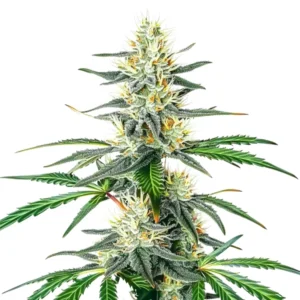
OG Kush

|
THC | 20% - 24% (High) |

|
Type | Feminized |

|
Yield | High |

|
Phenotype | 55% Indica / 45% Sativa |

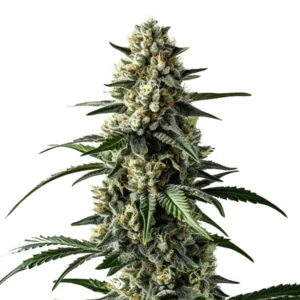
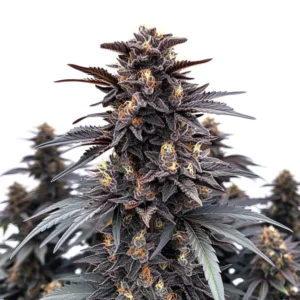
Blue Dream
|
|
THC | 17% - 24% (High) |
|
|
Type | Feminized |
|
|
Yield | High |
|
|
Phenotype | 50% Indica / 50% Sativa |
Blimburn Seeds offers several strains that thrive without the need for growth regulators like chlormequat. For example, the Blue Dream strain is known for its robust growth and high yield, making it a popular choice among growers aiming for natural cultivation methods.
Why Chlormequat Testing Matters
Chlormequat contamination assessment in cannabis is a vital part of maintaining product integrity. This testing helps ensure that cannabis products do not carry harmful residues that could affect consumer health. For many, cannabis is more than just a recreational product; it’s a source of relief and medicinal benefits. Ensuring its safety is non-negotiable.
Regulatory compliance chlormequat testing cannabis ensures that products meet safety standards set by health and safety bodies. Compliance not only protects consumers but also builds trust in the cannabis industry. Growers are encouraged to implement these tests as a regular part of their quality control processes.
Furthermore, chlormequat residue testing in cannabis helps to safeguard against potential legal and financial repercussions. By adhering to the established guidelines, producers can avoid costly recalls and legal issues that may arise from non-compliant products. This proactive approach to safety not only benefits the consumers but also shields businesses from potential liabilities.
In a rapidly expanding market, maintaining high standards through chlormequat residue analysis in cannabis can be a significant differentiator. Companies that prioritize safety and quality often see enhanced brand loyalty and consumer trust, which translates into better market positioning and increased sales. As awareness about product safety grows, such practices will become even more critical.
Promos & Deals


Methods of Testing Chlormequat Residues
There are several methods employed in cannabis safety testing for chlormequat. These include advanced chromatographic techniques such as liquid chromatography-mass spectrometry (LC-MS) and gas chromatography-mass spectrometry (GC-MS). These methods are highly sensitive and can detect even the smallest traces of chlormequat.
Another method involves immunoassays, which are less expensive and provide quick results. However, they may not be as accurate as chromatographic techniques. Each method has its pros and cons, and the choice often depends on the specific needs and resources of the grower or producer.
The selection of a testing method often involves balancing between cost, speed, and accuracy. While chromatographic methods are more precise, they require sophisticated equipment and highly trained personnel, which may not be feasible for all producers. On the other hand, immunoassays, while quicker and more economical, might require confirmatory testing to ensure comprehensive safety.
Innovations in testing technologies continue to evolve, offering new possibilities for more efficient and cost-effective chlormequat residue testing in cannabis. As the industry grows, so does the demand for more accessible and reliable testing methods, driving research and development in this critical area to ensure safe and high-quality cannabis products.
Real-Life Applications in Cannabis Production
Blimburn Seeds OG Kush strain is a great example of a cannabis plant that can be cultivated without the need for chemical growth regulators. This strain is resilient and thrives in a variety of growing conditions, making it an excellent choice for organic cultivation.
For those looking to maintain purity in their cannabis production, focusing on natural growth methods can reduce the need for testing altogether. However, regular testing should still be part of your quality assurance protocol to ensure compliance and safety.
The benefits of choosing strains like OG Kush extend beyond just cultivation. By avoiding synthetic growth regulators, growers can maintain the natural profile of the cannabis, preserving its intended aroma, flavor, and therapeutic properties. This approach aligns with consumer preferences for cleaner and more natural products, enhancing the value proposition of the final product.
Furthermore, integrating chlormequat residue testing in cannabis production cycles provides an extra layer of assurance for consumers. By clearly communicating the absence of harmful residues, growers can differentiate their products in a competitive market, appealing to health-conscious consumers and setting a benchmark for quality and safety within the industry.
Best Practices for Testing
To effectively implement chlormequat residue testing in cannabis, it’s important to follow best practices. Begin by selecting a reputable laboratory that specializes in cannabis testing. Ensure they are accredited and have experience with chlormequat residue analysis.
It’s also beneficial to establish a regular testing schedule. This helps catch any potential contamination early and ensures ongoing compliance with safety regulations. Regular testing also reassures consumers about the safety of your products.
Creating a comprehensive testing plan involves more than just selecting a lab; it includes setting clear protocols for sample collection, handling, and documentation. Ensuring that these steps are meticulously followed can greatly improve the reliability and accuracy of the testing results, thereby enhancing the overall safety of the cannabis products.
Transparency remains a cornerstone of best practices in chlormequat residue testing in cannabis. By openly sharing testing methodologies, results, and compliance efforts, producers can foster greater confidence among consumers and stakeholders. This open approach not only strengthens consumer trust but also contributes positively to the reputation of the broader cannabis industry.
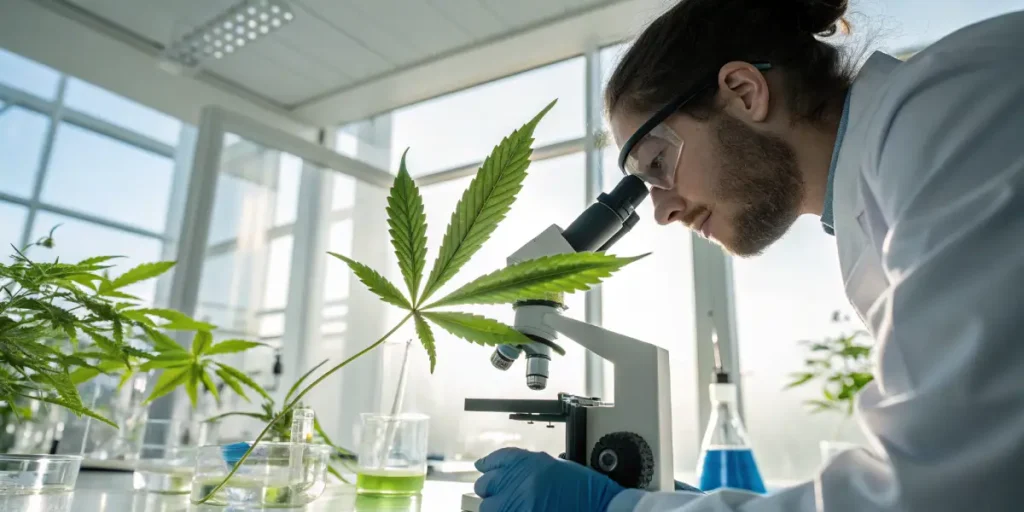
FAQs about chlormequat residue testing in cannabis
What is chlormequat and why is it used?
Chlormequat is a plant growth regulator used to control plant size and promote stronger growth. It is widely used in agriculture for crops like wheat and barley. In cannabis cultivation, it can be used to manage plant height and improve yield. However, residues can remain in the plant, which is why testing is important.
Using chlormequat helps achieve desired plant traits, but the residues can be harmful if ingested. This makes testing for chlormequat residues in marijuana crucial to ensure consumer safety. Cannabis products must be free from these residues to be considered safe for use.
Knowing the function of chlormequat in agriculture provides insights into its potential impact on cannabis. While its use can enhance certain growth characteristics, the importance of chlormequat contamination assessment in cannabis cannot be overstated. Ensuring that these residues are absent from the final product is key to safeguarding consumer health.
With the growing demand for clean and natural cannabis, producers are increasingly turning towards alternative methods that eliminate the need for chemicals like chlormequat. By adopting such practices, growers not only comply with safety standards but also align with the evolving preferences of health-conscious consumers.
How does chlormequat residue affect cannabis quality?
Residues of chlormequat in cannabis can affect the quality by introducing unwanted chemicals into the product. This can alter the natural characteristics of the cannabis, affecting its flavor, aroma, and potential health benefits. Consumers expect a pure product, free from synthetic additives.
By conducting regular chlormequat contamination assessment in cannabis, producers can ensure that their products maintain high quality. This testing helps prevent any negative impact on the cannabis’ natural properties and ensures it is safe for consumption.
Chlormequat residue testing in cannabis is not only about meeting regulatory criteria but also about preserving the authenticity of the strain’s profile. The presence of residues can mask the subtle nuances that differentiate one strain from another, thereby impacting consumer satisfaction and brand loyalty.
For producers, maintaining the integrity of their cannabis products through regular testing reinforces their commitment to quality and transparency. It sends a clear message to consumers that their health and satisfaction are paramount, fostering a deeper connection and trust with the brand.
What are the regulations regarding chlormequat in cannabis?
Regulations regarding chlormequat in cannabis vary by region, but generally include strict limits on permissible residue levels. These regulations are put in place to protect consumers from potential health risks. Compliance with these regulations is mandatory for legal sale and distribution.
Producers must stay informed about the latest regulatory updates and ensure their products meet the required standards. Regular cannabis safety testing for chlormequat is an essential part of meeting these regulatory requirements and maintaining legal compliance.
As the cannabis industry continues to evolve, the landscape of regulatory compliance chlormequat testing cannabis is also changing. Staying abreast of these changes is crucial for producers to ensure that their products remain within legal limits and are safe for consumer use.
Besides to meeting local regulations, producers who engage in international trade must also be aware of differing standards across borders. This necessitates a comprehensive knowing of global regulatory frameworks, ensuring that their products can be safely and legally distributed to various markets.
How can I ensure my cannabis is free from chlormequat residues?
To ensure your cannabis is free from chlormequat residues, implement a comprehensive testing strategy. Work with a reputable testing lab to conduct regular chlormequat residue analysis in cannabis. This will help detect and address any contamination issues promptly.
Additionally, consider adopting organic growing methods and selecting strains like Blimburn Seeds’ Girl Scout Cookies, which are bred for robust growth without synthetic additives. This approach reduces the likelihood of needing chemical growth regulators and helps produce cleaner, safer cannabis.
Emphasizing organic cultivation practices not only minimizes the risk of contamination but also enhances the marketability of cannabis products. Consumers are increasingly drawn to products that are labeled as organic and free from synthetic chemicals, providing a competitive edge to producers who adopt these practices.
Moreover, by integrating chlormequat residue testing in cannabis production, growers can provide verifiable assurance of product safety. This not only meets regulatory standards but also aligns with consumer demand for transparency and quality, creating a significant advantage in the marketplace.
What strains are best for avoiding chlormequat use?
Some cannabis strains are naturally resilient and do not require growth regulators like chlormequat. Strains from Blimburn Seeds such as Blue Dream, OG Kush, and Girl Scout Cookies are excellent choices. These strains are known for their strong genetics and ability to thrive in various growing conditions.
Choosing strains that are easy to grow can help minimize the need for chemical interventions. By selecting robust strains and maintaining good cultivation practices, you can reduce the risk of chlormequat contamination and ensure a safer product for consumers.
Besides to reducing the dependency on chemical growth regulators, these strains offer growers the opportunity to cultivate cannabis with a focus on natural qualities. This approach is not only beneficial for the environment but also aligns with the increasing consumer preference for sustainable and eco-friendly products.
By emphasizing the cultivation of naturally resilient strains, producers can leverage the growing trend towards organic and natural products. This strategic focus on strain selection and cultivation practices can enhance brand reputation, attract discerning consumers, and ultimately lead to greater success in the competitive cannabis market.