Essential Cannabis Decarboxylation Table: Expert-Proven Guide

Decarboxylation is a crucial step if you’re looking to make the most of your cannabis. Think of it as the process that activates the compounds in cannabis, making them more potent and beneficial. The cannabis decarboxylation table is your go-to reference for this process, as it provides the specific temperatures and times needed to optimize the effects of your strain.
Many people are surprised to learn that raw cannabis doesn’t have the same effects as when it’s heated. By following a proper decarboxylation guide, you ensure that THC and CBD are fully activated, unlocking their maximum potential. Whether you’re using premium strains from Blimburn Seeds like Girl Scout Cookies, Mamba Negra, or Bruce Banner, applying the right temperature and timing makes all the difference.
Recommended Strains

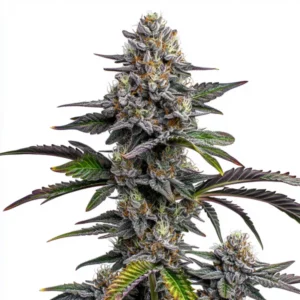
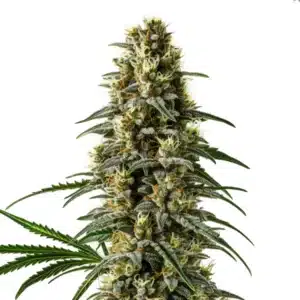
Sour Diesel

|
THC | 22% - 25% (High) |

|
Type | Feminized |

|
Yield | High |

|
Phenotype | 30% Indica / 70% Sativa |
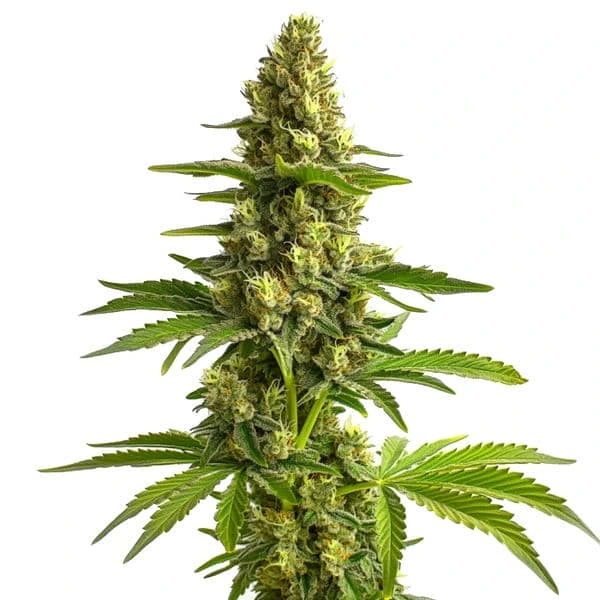
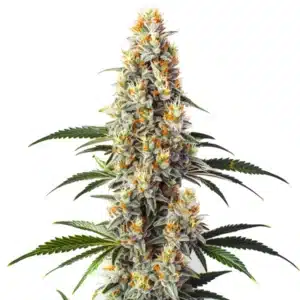
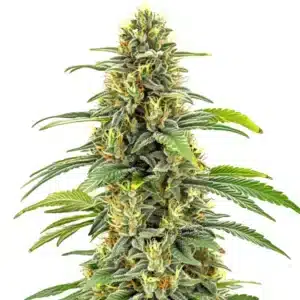
Bruce Banner #3
|
|
THC | 20% - 29% (High) |
|
|
Type | Feminized |
|
|
Yield | High |
|
|
Phenotype | 50% Indica / 50% Sativa |
The beauty of understanding decarboxylation lies in its simplicity. A clear time and temperature guide helps you decarboxylate cannabis properly and consistently. This knowledge is essential whether you’re a first-time user or a seasoned grower, allowing you to achieve reliable and predictable results every time.
Why Decarboxylation Matters
Cannabis decarboxylation is the process that transforms non-psychoactive cannabinoids into their active forms. This is key if you want to feel the effects of THC or enjoy the therapeutic benefits of CBD. Without this step, your cannabis might not deliver the expected results. It’s like trying to brew coffee with cold water some crucial elements remain locked away.
Decarboxylation also enhances the flavor and aroma of cannabis. When heated, the terpenes are released, giving each strain its unique scent and taste. For instance, using a cannabis decarboxylation temperature chart ensures you get the best flavors from Blimburn Seeds strains like Sour Diesel or OG Kush. This can significantly enhance your overall experience, whether you’re smoking, vaping, or baking.
Furthermore, the decarboxylation process can preserve the integrity of the cannabinoids, ensuring maximum potency. Knowing how to decarboxylate cannabis properly means you can consistently replicate your desired experience. Whether crafting edibles or preparing cannabis oil, the cannabis decarboxylation table serves as an invaluable resource.
Moreover, appreciating the science behind decarboxylation can deepen your connection to the plant. By mastering the cannabis decarboxylation process explained through expert guides, you are empowered to make informed decisions about strain selection and preparation methods. This knowledge can transform your cannabis journey, unlocking new dimensions of enjoyment.
Promos & Deals
Essential Tools and Techniques
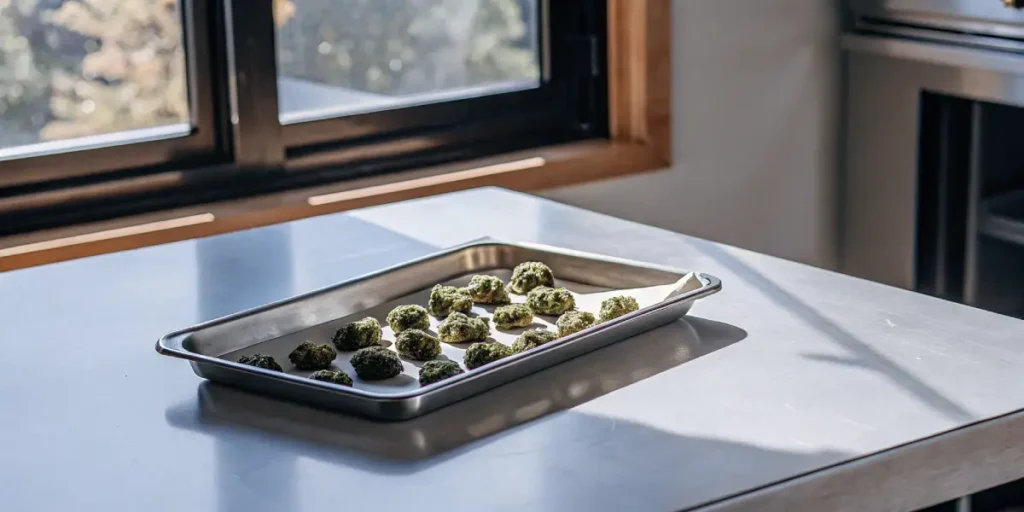
Before diving into the cannabis decarboxylation process explained in detail, gather your tools. An oven, a baking sheet, parchment paper, and your chosen strain are all you need. It’s simple but effective, and with the right cannabis decarboxylation table, you’ll be set for success.
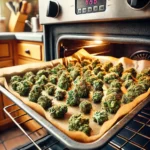
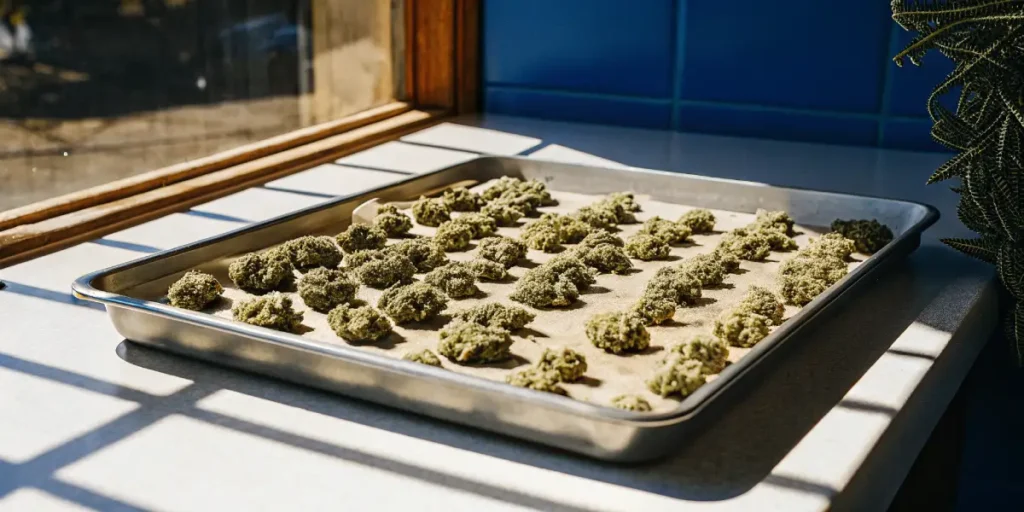
One of the best methods for decarboxylating cannabis involves using an oven. Preheat your oven to the recommended temperature for proper decarboxylation. Place your cannabis on a baking sheet lined with parchment paper to ensure even heating and prevent sticking. Follow the suggested time and temperature guidelines carefully to achieve the best results.
When considering how to decarboxylate cannabis properly, consistency and precision are key. Investing in an oven thermometer can help maintain accurate temperatures, aligning with the cannabis decarboxylation temperature chart. This simple tool can make a significant difference in achieving optimal activation of cannabinoids.
Additionally, exploring different techniques can enhance your knowing and results. While the oven is a popular choice, experimenting with methods like a slow cooker or sous-vide can offer new insights. Each approach has its unique benefits, and the cannabis decarboxylation table provides a reliable framework for all methods.
Decarboxylation Time and Temperature Guide
The cannabis decarboxylation time and temperature guide is straightforward. Typically, for THC activation, set your oven to around 220°F (104°C) and bake for 30-45 minutes. For CBD, a slightly higher temperature of 240°F (115°C) for 60 minutes is advisable. These guidelines help ensure that you decarboxylate cannabis properly.
It’s important to keep an eye on your cannabis during the process. Too much heat can degrade the cannabinoids, while too little can leave them inactive. Using a thermometer can help maintain the correct temperature, as outlined in the cannabis decarboxylation table.
Knowing the nuances of the cannabis decarboxylation time and temperature guide can lead to superior results. Adjusting temperatures slightly based on your specific strain can unlock unique flavors and effects. This adaptability demonstrates the versatility of the cannabis decarboxylation table in tailoring your cannabis experience.
Moreover, documenting your experiments with different times and temperatures can refine your approach. This practice not only helps in achieving the perfect decarboxylation but also enhances your appreciation of the cannabis decarboxylation process explained through practical application. Keeping detailed notes can transform your cannabis crafting into a precise art form.
Common Mistakes to Avoid
One of the most common mistakes is overheating the cannabis. This can lead to a loss of potency and flavor. Always refer to the cannabis decarboxylation temperature chart to stay within the recommended ranges. Remember, patience is key, and rushing the process can result in burnt, ineffective material.
Another pitfall is uneven heating. To avoid this, spread your cannabis evenly on the baking sheet. This ensures every piece receives equal exposure to heat, leading to consistent activation of cannabinoids. The cannabis decarboxylation table serves as a guide to prevent such mishaps.
Additionally, using the wrong equipment can hinder your decarboxylation efforts. Always opt for reliable tools that ensure even heat distribution and accurate temperature control. This attention to detail is crucial when aiming to decarboxylate cannabis properly. Reviewing the cannabis decarboxylation temperature chart can guide your equipment choices.
Furthermore, underestimating the importance of preparation can impact your results. Ensuring your cannabis is properly ground and evenly distributed prevents common issues. Following the cannabis decarboxylation table closely allows you to avoid errors, maximizing the potential of your Blimburn Seeds strains.
FAQs about cannabis decarboxylation table
What is cannabis decarboxylation?
Cannabis decarboxylation is the process of heating cannabis to activate its compounds, specifically THC and CBD. This activation is necessary for the psychoactive effects and therapeutic benefits to be felt. Without decarboxylation, the cannabinoids remain in their acidic, inactive forms.
For many users, knowing the cannabis decarboxylation process explained in simple terms is a game-changer. It transforms how they use and experience cannabis, allowing them to fully enjoy strains from Blimburn Seeds or any other high-quality source.
The cannabis decarboxylation table is an essential resource in this process. By providing precise guidelines, it simplifies the activation of cannabinoids, ensuring consistent and potent results. This clarity is invaluable, especially for those new to cannabis preparation.
Moreover, the decarboxylation process opens up a world of possibilities for cannabis enthusiasts. From crafting edibles to creating custom extracts, knowing how to decarboxylate cannabis properly empowers users to explore the full spectrum of cannabis applications. This knowledge is a cornerstone of effective cannabis use.
How do I use a cannabis decarboxylation table?
A cannabis decarboxylation table provides the ideal temperature and time required to activate cannabinoids in cannabis. By following this guide, you ensure that your cannabis is properly decarboxylated, optimizing its effects. This table is an invaluable tool for both beginners and experienced users.
Referencing a cannabis decarboxylation temperature chart helps avoid errors and maximizes the potential of your cannabis. Whether you’re working with Girl Scout Cookies or Bruce Banner, the right conditions are crucial for success.
Utilizing the cannabis decarboxylation table effectively involves careful temperature management. By aligning your process with the recommended guidelines, you can achieve consistent and reliable results. This structured approach is crucial for maximizing the benefits of your cannabis.
Furthermore, the table serves as a foundation for experimentation. By adjusting variables such as time and temperature, you can explore different outcomes and refine your cannabis crafting skills. The cannabis decarboxylation table provides the confidence to innovate while maintaining a solid knowing of the fundamentals.
Can I decarboxylate cannabis without an oven?
Yes, there are alternative methods to decarboxylate cannabis without an oven. These include using a slow cooker, sous-vide machine, or even a microwave. Each method has its own cannabis decarboxylation time and temperature guide, which should be followed carefully to ensure proper activation.
While the oven remains a popular choice due to its reliability and simplicity, these alternatives are worth exploring. For instance, using a sous-vide machine provides precise temperature control, perfect for experimenting with different Blimburn Seeds strains.
Exploring alternative decarboxylation methods allows for flexibility and personalization in your cannabis preparation. Each technique offers unique advantages, and the cannabis decarboxylation table can guide you in selecting the best method for your needs. This adaptability is a key aspect of mastering cannabis decarboxylation.
Moreover, trying different methods enhances your knowing of the decarboxylation process. By experiencing various techniques firsthand, you gain insights into how different factors influence the final product. The cannabis decarboxylation table provides a consistent framework for evaluating these methods, ensuring successful outcomes.
What is the best method for decarboxylating cannabis?
The best methods for decarboxylating cannabis often depend on personal preference and available equipment. The oven method is widely regarded as efficient and straightforward, making it a favorite choice for many users. Its effectiveness is well-supported by the cannabis decarboxylation table.
However, for those seeking precision, using a sous-vide machine might be preferable. This method allows for exact temperature control, reducing the risk of overheating. Experimenting with Blimburn Seeds strains like GG4 using different methods can yield interesting results.
Evaluating the best methods for decarboxylating cannabis involves considering factors such as convenience, precision, and personal goals. The cannabis decarboxylation temperature chart can aid in selecting the most suitable approach for your specific circumstances, ensuring effective activation.
Additionally, combining methods can provide a comprehensive knowing of decarboxylation. For instance, starting with an oven and finishing with a sous-vide can offer the best of both worlds. The cannabis decarboxylation table serves as a guide in navigating these options, promoting innovation and excellence in cannabis preparation.
How do I know if my cannabis is properly decarboxylated?
Properly decarboxylated cannabis will have a slightly darker color and a distinct aroma. These changes indicate that the cannabinoids have been activated, ready for use. Following the cannabis decarboxylation table ensures these signs appear consistently.
Testing the effects is another way to confirm. Properly decarboxylated cannabis should deliver the expected psychoactive or therapeutic effects. If using Blimburn Seeds strains, comparing the results with the expected profile can provide additional confirmation.
Visual cues, such as color and texture, offer initial indicators of successful decarboxylation. However, the true test lies in the effects. Experiencing the anticipated results confirms that the cannabis decarboxylation process explained and executed was effective. Consistency is key, and the cannabis decarboxylation table helps achieve it.
Furthermore, knowing the expected outcomes of your chosen strains can refine your assessment. Comparing the effects of decarboxylated cannabis with strain-specific profiles ensures alignment with your goals. This informed approach, guided by the cannabis decarboxylation table, enhances your cannabis experience.