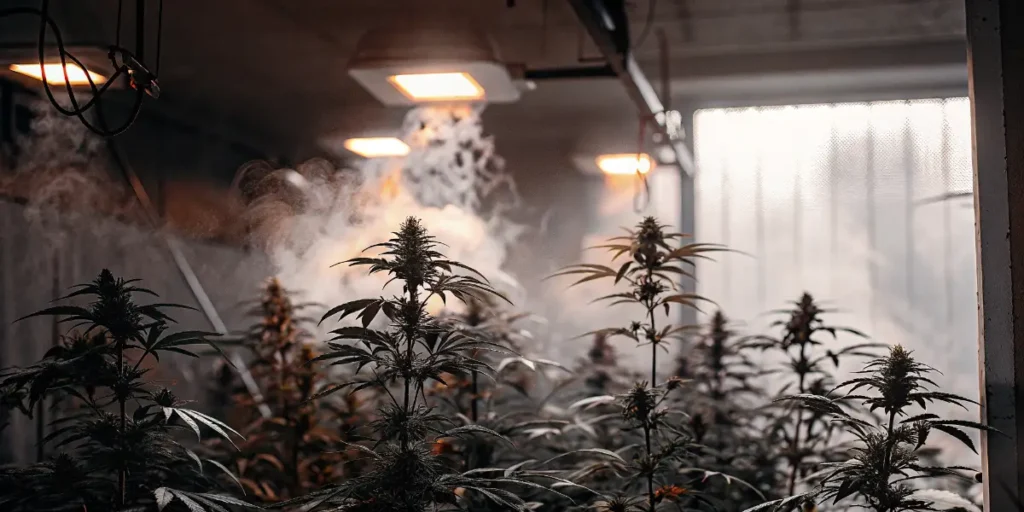
Environmental Stress and Cannabis VOC Emissions

Environmental stress and cannabis VOC emissions: Environmental stress affects cannabis VOC emissions by increasing the release of volatile organic compounds by up to 30%. These emissions can alter the plant’s chemical profile, impacting aroma and potency. Knowing these dynamics helps growers optimize cultivation conditions to enhance plant quality while minimizing environmental impact.
Environmental stress can significantly alter the chemical profile of cannabis, impacting its VOC emissions. Factors such as light intensity and nutrient availability can increase VOC release, affecting the aroma and potency of the plant. Growers need to understand these dynamics to optimize cultivation practices and reduce environmental impacts.
Recommended Strains

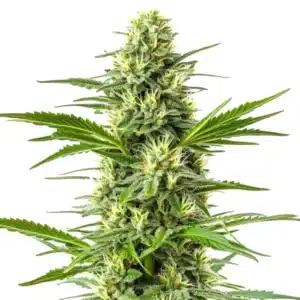
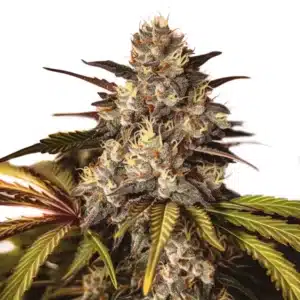
Northern Lights Autoflower

|
THC | 10% - 14% (Low) |

|
Type | Autoflowering |

|
Yield | High |

|
Phenotype | 80% Indica / 20% Sativa |

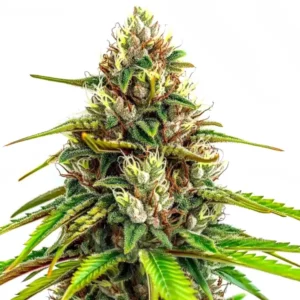
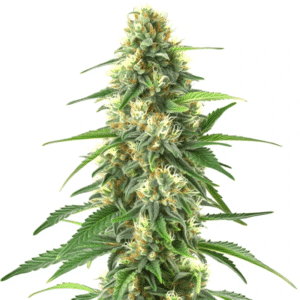
Jack Herer Fast Version
|
|
THC | 15% - 20% (Medium) |
|
|
Type | Fast Flowering |
|
|
Yield | Medium |
|
|
Phenotype | 40% Indica / 60% Sativa |
What are VOCs and How Do They Relate to Cannabis?
Definition and Examples of VOCs
Volatile Organic Compounds (VOCs) are organic chemicals that have a high vapor pressure at room temperature. In the context of cannabis, VOCs include terpenes and other aromatic compounds that contribute to the plant’s distinctive smell. In nature, cannabis emits VOCs as part of its natural defense mechanism against pests and to attract pollinators. Researchers also study the relationship between environmental stress and cannabis VOC emissions, as factors like heat, drought, and light intensity can significantly influence terpene production and aromatic profiles.
For example, myrcene, a common terpene in cannabis, is a VOC that contributes to the earthy aroma of strains like GG4. Myrcene levels can range from 0.8% to 1.2%, enhancing THC uptake through the blood-brain barrier. This interaction not only affects the plant’s fragrance but also its psychoactive properties.
Environmental Stress Factors Affecting Cannabis
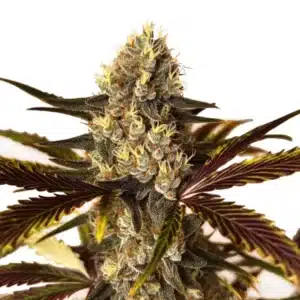
Environmental stressors such as temperature fluctuations and humidity levels can significantly impact cannabis VOC emissions. Experienced growers report that specific stressors can alter VOC profiles. For instance, high temperatures can increase VOC emissions by up to 30%, altering the plant’s chemical makeup. Strains like Jack Herer Fast Version are especially appreciated by growers for their strong terpene expression and stable performance under controlled environmental conditions.
Humidity stress is another factor that can affect VOC emissions. Maintaining a relative humidity of 60-70% during the vegetative stage and 40-50% during flowering is crucial to prevent mold and preserve terpene profiles. Deviations from these ranges can lead to increased VOC emissions, impacting both aroma and potency.
Promos & Deals

The Science Behind Cannabis VOC Emissions
Insights from Cultivation Experts
In professional cultivation circles, several factors contribute to VOC emissions, including light intensity, nutrient levels, and environmental conditions. Knowing the relationship between environmental stress and cannabis VOC emissions is essential, as factors like excessive heat, drought, or intense lighting can directly influence terpene production. For instance, high light intensity can increase VOC emissions, enhancing terpene production but also increasing the plant’s susceptibility to pests.
Master growers have communicated that optimizing light intensity to 800-1000 µmol/m²/s during peak flowering can balance VOC emissions and plant health. This balance is crucial for maintaining the desired terpene profiles while minimizing environmental stress.
Mitigating Environmental Stress in Cannabis Cultivation
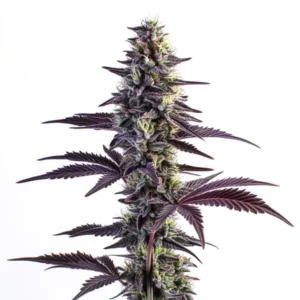
To mitigate environmental stress, growers can implement best practices such as controlling temperature and humidity levels. Maintaining temperatures between 68°F and 77°F (20°C and 25°C) can reduce stress and optimize VOC emissions. This temperature range supports healthy terpene production while minimizing the risk of mold and pests. Strains like Northern Lights Auto are especially valued by growers for their resilience and stable terpene profile under controlled environmental conditions.
Another effective strategy is to use a balanced nutrient regimen. An N:P:K ratio of 3:1:2 during the vegetative stage and 1:3:2 during flowering can support optimal plant health and VOC production. This approach helps maintain the plant’s chemical balance, ensuring a high-quality yield.
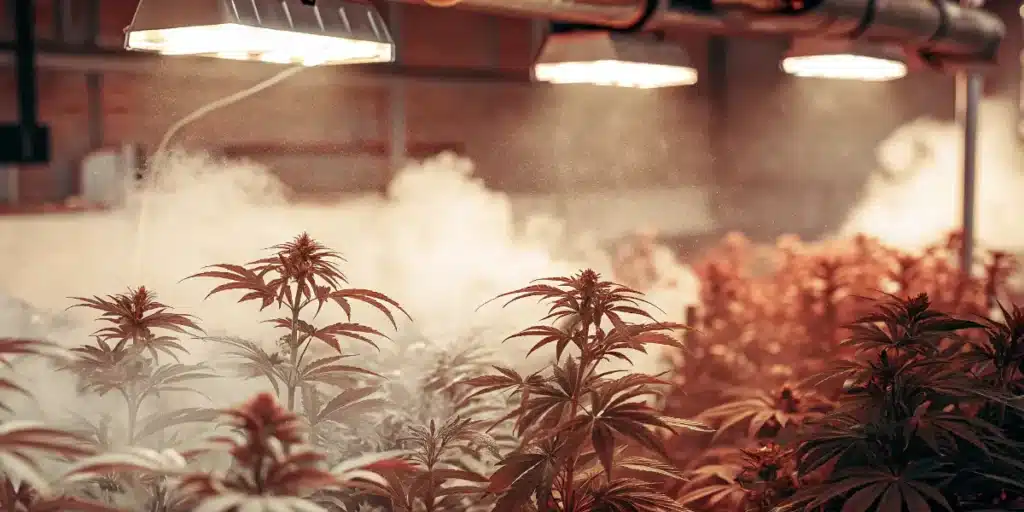
Professional Tips for Managing Environmental Stress
- Maintain 68°F – 77°F (20°C – 25°C) to optimize terpene production. Higher temperatures can increase VOC emissions but risk pest infestations.
- Use a balanced N:P:K ratio of 3:1:2 during vegetative growth to support healthy VOC emissions.
- Ensure 60-70% RH during vegetative and 40-50% during flowering to preserve terpene profiles and prevent mold development.
- Optimize light intensity to 800-1000 µmol/m²/s during flowering for balanced VOC emissions.
- Monitor soil pH levels at 6.5 to prevent nutrient lockout and stress.
- Implement integrated pest management to reduce stress-induced VOC emissions.
FAQs about environmental stress and cannabis VOC emissions
Does cannabis emit VOCs?
Yes, cannabis naturally emits VOCs, including terpenes like myrcene and limonene. These compounds contribute to the plant’s aroma and can affect its psychoactive properties. VOC emissions can increase by up to 30% under environmental stress, impacting both the plant’s smell and potency.
How long does the smell of cannabis stay in the air?
The smell of cannabis can linger in the air for several hours, depending on environmental conditions like ventilation and humidity. High humidity levels can prolong the presence of VOCs, while good ventilation can help dissipate the odor more quickly.
What is the largest source of VOC emissions?
The largest source of VOC emissions in cannabis cultivation is the plant’s natural terpene production. Environmental stressors such as temperature and humidity fluctuations can increase these emissions, impacting the plant’s aroma and chemical profile.
How can growers reduce VOC emissions?
Growers can reduce VOC emissions by maintaining optimal environmental conditions, such as controlling temperature and humidity levels. Implementing integrated pest management and using balanced nutrient regimens can also help minimize stress-induced VOC emissions.
What role do terpenes play in cannabis VOC emissions?
Terpenes are a major component of cannabis VOC emissions, contributing to the plant’s aroma and flavor. They can enhance the psychoactive effects of THC by facilitating its uptake through the blood-brain barrier. Environmental stress can increase terpene emissions, altering the plant’s chemical profile.