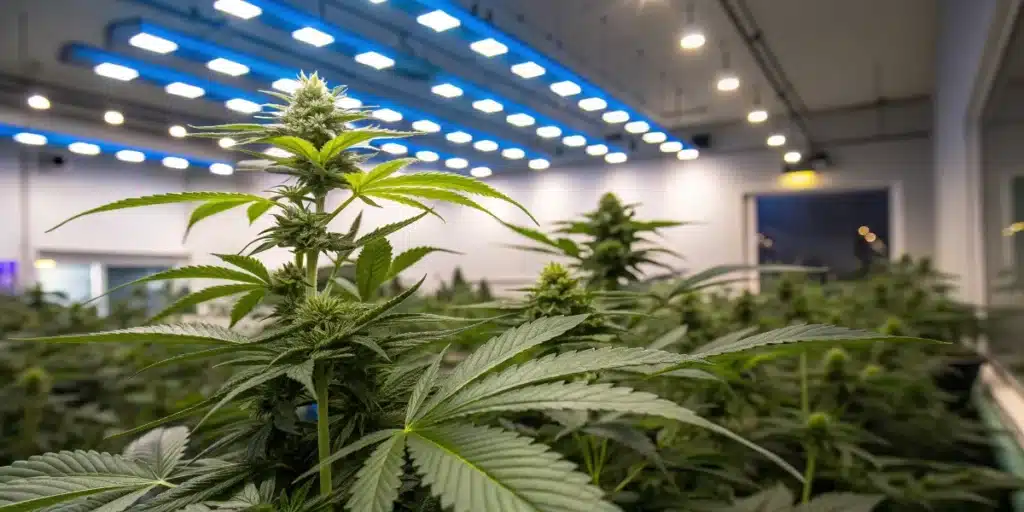
What Color Light is Best for the Vegetative Stage?

Optimal Light Spectrum for Vegetative Growth: During the vegetative stage, cannabis plants flourish under blue-heavy or full-spectrum lighting. Blue wavelengths, particularly those between 400-500 nanometers, are crucial as they boost chlorophyll production and promote dense, compact growth by maintaining strong stems and short internodes. Choosing the correct light spectrum can significantly improve plant vitality and increase yields.
In the vegetative stage, cannabis plants require specific light conditions to maximize growth potential. The focus is on enhancing the plant’s structure, resulting in robust stems and lush foliage. Terpenes such as Myrcene and Limonene, which contribute to the plant’s aroma and potential effects, are also influenced by light exposure. Experienced growers emphasize these dynamics to achieve optimal growth outcomes.
Recommended Strains
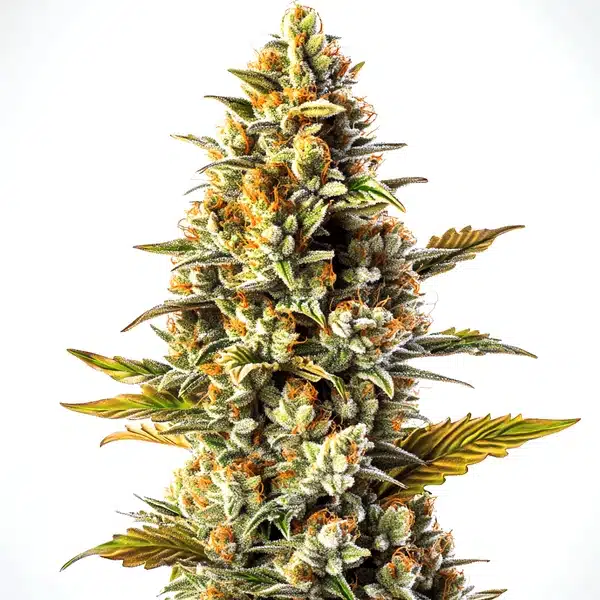
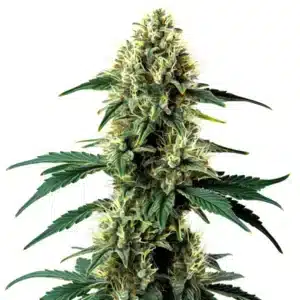
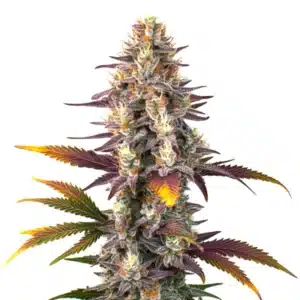
Gorilla Blue Auto

|
THC | 18% - 20% (Medium) |

|
Type | Autoflowering |

|
Yield | High |

|
Phenotype | 50% Indica / 50% Sativa |
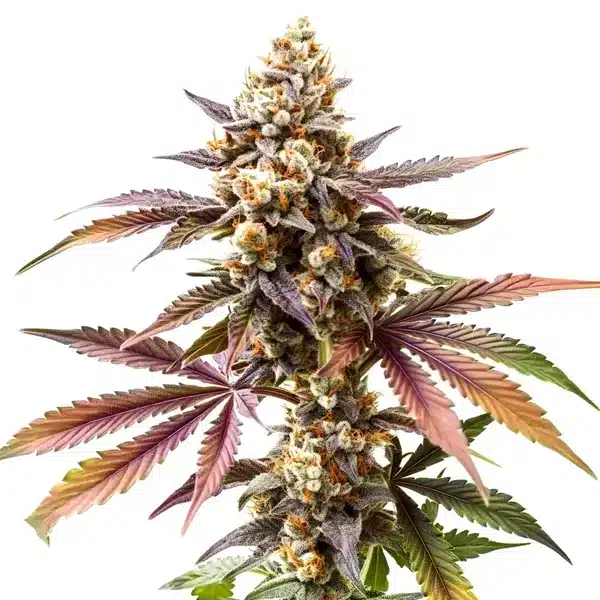
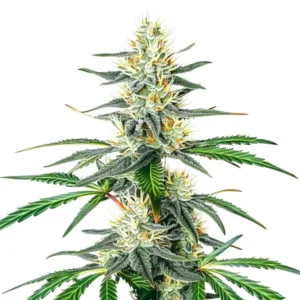
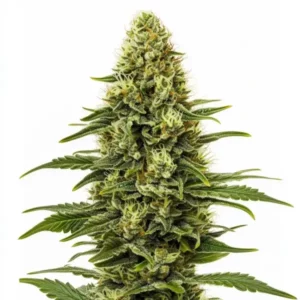
GG4 x Z OG
|
|
THC | 20% - 24% (High) |
|
|
Type | Feminized |
|
|
Yield | High |
|
|
Phenotype | 60% Indica / 40% Sativa |
What Color Light for Vegetative Stage?
The Function of Blue Light in Vegetative Stage
Blue light, particularly in the 400-500 nanometer range, is essential during the vegetative stage. It stimulates chlorophyll production, which is vital for photosynthesis, leading to increased energy for growth. Blue light encourages plants to grow bushy and compact, maintaining strong stems and short internodes, which are crucial for supporting future buds.
Experienced growers report that using blue light can enhance the plant’s resilience, making it less prone to diseases and pests. This light spectrum also helps in developing a robust root system, which is essential for nutrient uptake. The light intensity should be maintained at around 400-600 µmol/m²/s for optimal results.
What Color Light for Flowering Stage?
While the vegetative stage benefits from blue light, the flowering stage requires a different spectrum to maximize yield. Red light, in the 600-700 nanometer range, becomes more important during flowering as it promotes bud development and increases resin production. A balanced transition between these spectrums can significantly enhance overall plant health.
Utilizing a plant grow light color chart can be a useful tool for selecting the right spectrum at each growth stage. This ensures that the plants receive the optimal light conditions needed for each phase, reducing stress and improving yield quality.
Promos & Deals
Benefits of Using Full Spectrum Lights
What Color Light for Vegetative Stage?
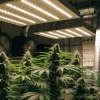
Full Spectrum LED Grow lights offer a balanced approach for the vegetative stage. These lights mimic natural sunlight, providing a comprehensive range of wavelengths that support all aspects of plant growth. Full spectrum grow lights are particularly effective as they cover both blue and red spectrums, ensuring plants receive the necessary light for photosynthesis and structural development.
Full spectrum grow lights provide a holistic approach to plant lighting, allowing for seamless transitions between growth stages. This versatility makes them a popular choice among cultivators who aim for consistency and quality in their crops. Many cultivators have signaled that these lights can significantly boost plant vigor and yield.
Blue Light During Flowering
Although blue light is crucial during the vegetative stage, its role during flowering is limited. During flowering, plants require more red light to encourage bud development and increase terpenoid production. However, a small percentage of blue light can still be beneficial, as it helps maintain leaf health and supports overall plant metabolism.
Adjusting the light percentage during the vegetative stage can significantly impact plant health. A typical light schedule might involve 18 hours of light and 6 hours of darkness, with blue light making up about 70% of the spectrum. This setup promotes vigorous growth and prepares the plant for a successful flowering phase.
Comparing Full Spectrum vs Red/Blue Grow Lights
Which is More Effective for Vegetative Growth?
Knowing the differences between full spectrum and red/blue grow lights can help optimize your grow setup. Full spectrum lights provide a complete range of wavelengths, supporting all growth stages, while red/blue lights focus on specific spectrums that target particular growth phases. For vegetative growth, blue-heavy lights are preferred to encourage structure and foliage.
Red grow lights are often used during flowering but have specific uses in vegetative growth as well. They can enhance stem elongation and leaf expansion, although too much red light may lead to stretching. Balancing these lights with blue wavelengths ensures a robust vegetative phase.
Practical Tips for Optimizing Light Percentage in Vegetative Stage
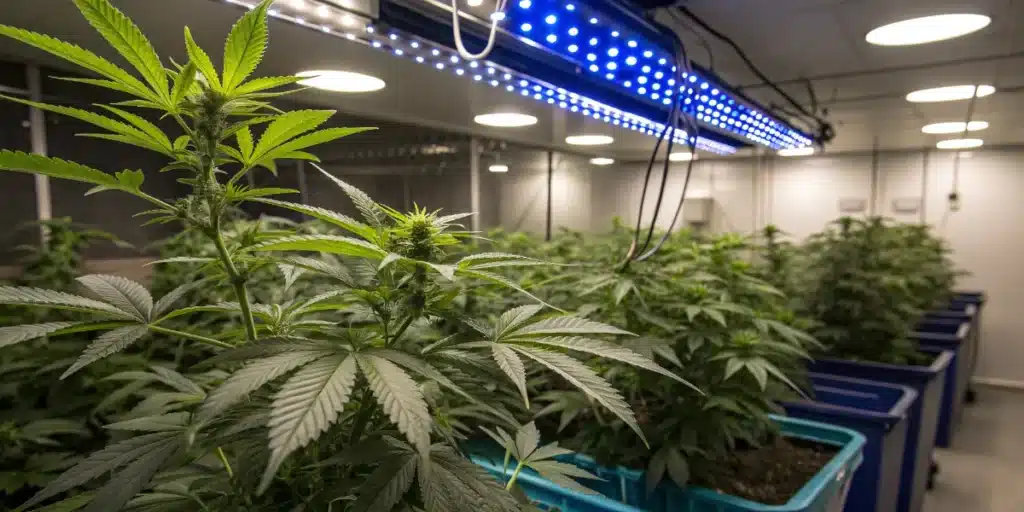
Adjusting light percentages is crucial for maximizing plant health during the vegetative stage. A typical setup involves 70% blue light and 30% red light, with an intensity of 400-600 µmol/m²/s. This balance supports strong vegetative growth while preparing the plant for flowering.
Master growers have pointed out that maintaining consistent light conditions is key. Sudden changes in light intensity or spectrum can stress plants, leading to reduced growth rates and potential yield loss. Using automated timers and dimmers can help maintain optimal conditions.
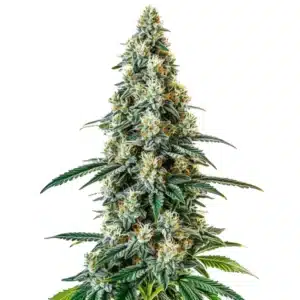
| Feature | Blue Gorilla Auto | Critical Mass Auto | Gorilla Glue 4 X Zkittlez |
|---|---|---|---|
| THC Content | 18-20% | 16-20% | 20-24% |
| Dominant Terpene | Myrcene | Caryophyllene | Limonene |
| Yield Indoor | 1.47 – 1.64 oz/ft² | 450 – 500 g/m² | 1.15 – 1.31 oz/ft² | 350 – 400 g/m² | 1.64 – 1.8 oz/ft² | 500 – 550 g/m² |
| Flowering Time | 8-10 weeks | 8-10 weeks | 8-10 weeks |
| Effect | Euphoric, Happy, Relaxed | Focused, Happy, Relaxed | Energetic, Euphoric, Uplifted |
Professional Tips for Optimizing Vegetative Growth
- Maintain 18/6 light schedule for optimal vegetative growth. This ensures plants receive enough light for photosynthesis while allowing rest periods.
- Keep light intensity at 400-600 µmol/m²/s to prevent light stress and promote healthy growth.
- Ensure blue light makes up 70% of the spectrum to encourage compact and robust plant structure.
- Use full spectrum lights to seamlessly transition between vegetative and flowering stages, reducing plant stress.
- Monitor temperature between 68°F – 77°F (20°C – 25°C) to maintain optimal metabolic rates.
- Regularly check pH levels, aiming for 5.8-6.5 to ensure nutrient availability and uptake.
FAQs about Light Colors for Vegetative Stage
Which LED light color vegetative growth?
For vegetative growth, blue LED lights are most effective. They stimulate chlorophyll production, enhancing photosynthesis and promoting compact, bushy plant growth. The ideal spectrum is between 400-500 nanometers, and maintaining an intensity of 400-600 µmol/m²/s ensures optimal growth conditions.
What color light is worst for plant growth?
Green light is generally least effective for plant growth, as it is mostly reflected rather than absorbed by plants. This reflection results in minimal photosynthetic activity, making it less beneficial compared to blue or red light spectrums.
Is blue light good for vegetative growth?
Yes, blue light is excellent for vegetative growth. It enhances chlorophyll production, leading to robust plant structure and dense foliage. Maintaining a blue light spectrum of 400-500 nanometers is recommended for optimal vegetative development.
What color light stimulates root growth?
Red light, particularly in the 600-700 nanometer range, can stimulate root growth. It promotes cell elongation and division, which are crucial for developing a strong root system. Combining red light with blue light can enhance overall plant health and growth.
How does light spectrum affect cannabis yield?
The light spectrum directly influences cannabis yield by affecting photosynthesis and plant morphology. Blue light promotes vegetative growth, while red light enhances flowering and bud development. Using full spectrum lights can maximize yield by providing the necessary wavelengths throughout the plant’s life cycle.