Does pH Imbalance Cause Yellow Cannabis Leaves? Expert Insights

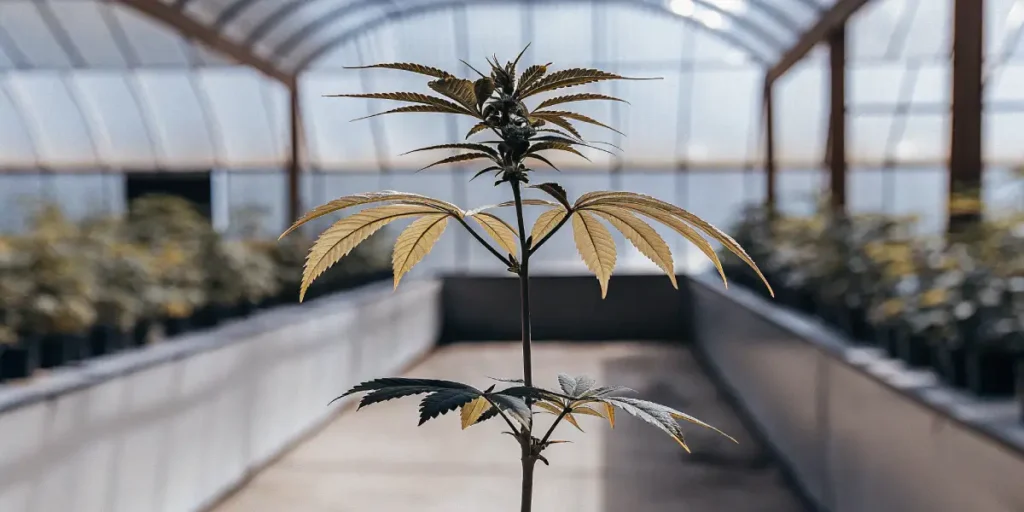
Growing cannabis can be a rewarding experience, but it comes with its challenges. One common issue that growers face is the yellowing of cannabis leaves. This can be alarming, especially for first-time growers. A common question that arises is, does pH imbalance cause yellow cannabis leaves? The short answer is yes, it can. When pH levels are not within the ideal range, it affects how plants absorb nutrients, leading to yellow leaves.
PH levels refer to the acidity or alkalinity of the soil or growing medium. Cannabis plants prefer a slightly acidic pH range, typically between 6.0 and 7.0 in soil and 5.5 and 6.5 in hydroponic systems. When the pH level strays from this range, it can lead to nutrient lockout, where the plant cannot absorb essential nutrients, resulting in yellow leaves.
Recommended Strains
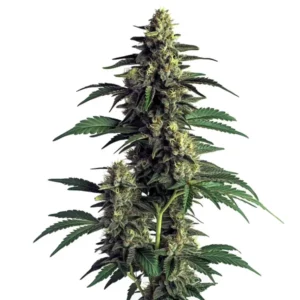
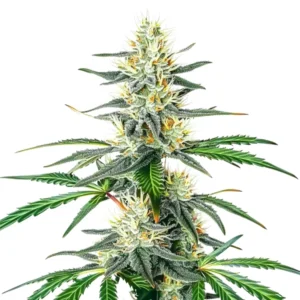
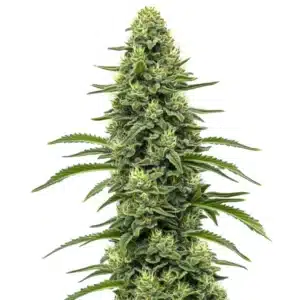
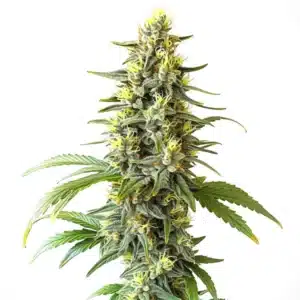
Northern Lights

|
THC | 17% (Medium) |

|
Type | Feminized |

|
Yield | Medium |

|
Phenotype | 90% Indica / 10% Sativa |

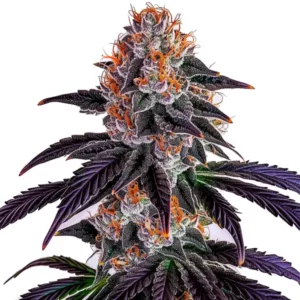
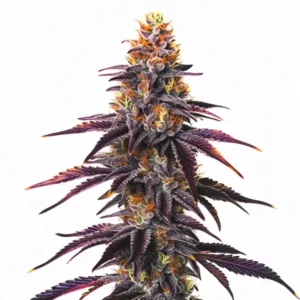
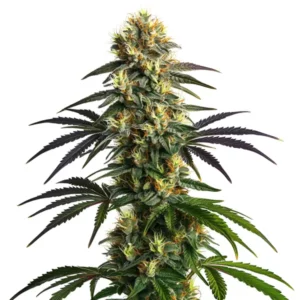
GG4
|
|
THC | 27% (High) |
|
|
Type | Feminized |
|
|
Yield | High |
|
|
Phenotype | 40% Indica / 60% Sativa |
It’s important to monitor pH levels regularly to prevent yellowing leaves caused by pH imbalance. Experienced growers often use pH meters or test kits to ensure that their plants are growing in the optimal environment. By keeping pH levels in check, you can promote healthy growth and vibrant green leaves in your cannabis plants.
Causes of Yellow Leaves in Cannabis Due to pH Imbalance
Yellow leaves can be a sign of distress in cannabis plants. Many growers ask does pH imbalance cause yellow cannabis leaves, and in most cases, the answer is yes. When pH levels are not within the ideal range, cannabis plants struggle to absorb nutrients efficiently. This can lead to deficiencies in essential nutrients like nitrogen, which is crucial for maintaining healthy, green foliage.
Another factor that contributes to yellow leaves is the type of growing medium used. Different mediums, such as soil, coco coir, or hydroponics, have varying pH requirements. For instance, soil typically requires a higher pH range compared to hydroponics. Knowing the specific needs of your chosen growing medium can help prevent pH-related issues.
Additionally, environmental factors such as temperature and humidity can exacerbate the effects of pH imbalance. High temperatures can increase the rate of nutrient uptake, potentially leading to deficiencies if the pH is not optimal. Similarly, low humidity can cause water stress, making it harder for plants to absorb nutrients.
Genetics can also play a role in how susceptible a plant is to pH imbalance. Some strains from Blimburn Seeds may be more resilient to pH fluctuations, while others might require more careful pH management. Knowing the specific needs of your cannabis strain can help you tailor your approach to pH management effectively.
Promos & Deals
How pH Levels Affect Cannabis Leaf Color
The color of cannabis leaves can tell you a lot about the health of your plants. Green leaves indicate that your plants are healthy and receiving the right nutrients. However, when the pH levels are off, it can lead to nutrient deficiencies, resulting in yellow leaves. This is because certain nutrients are only available to the plant within specific pH ranges.
For example, iron, a vital nutrient for photosynthesis, becomes unavailable if the pH is too high. This leads to chlorosis, a condition where leaves turn yellow while veins remain green. By maintaining the correct pH levels, you ensure that your plants have access to all the nutrients they need for healthy growth.
Besides to iron, other micronutrients like manganese and zinc can also become inaccessible at incorrect pH levels, further affecting the leaf color. Manganese deficiency can cause yellowing between the veins of young leaves, while zinc deficiency often results in smaller, distorted leaves with a yellow hue.
Knowing how pH levels affect cannabis leaf color is essential for diagnosing nutrient-related issues. A keen eye on leaf color changes can provide early warnings of pH imbalance, allowing growers to make timely corrections before severe damage occurs. Regularly calibrating your pH testing equipment is also crucial for ensuring accurate readings.
PH Imbalance Symptoms in Cannabis Plants
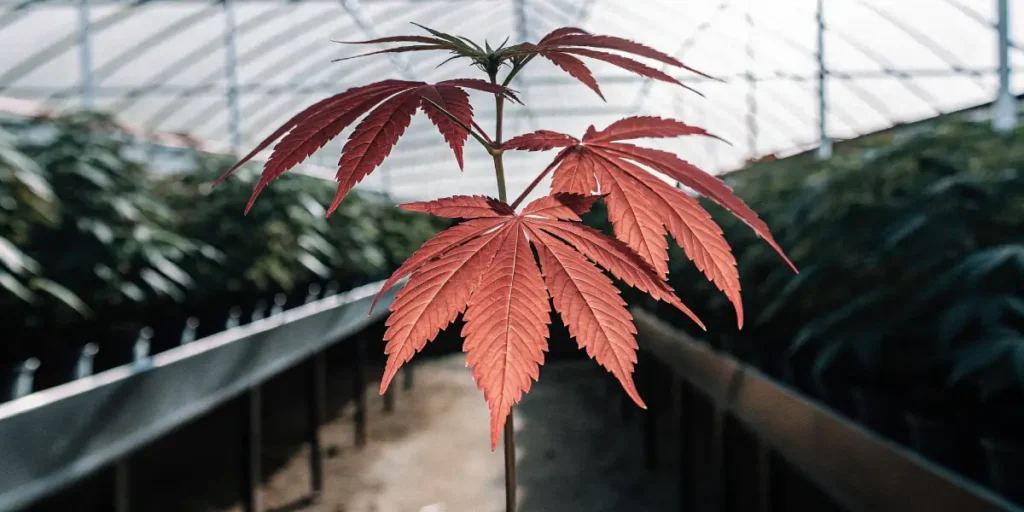
Identifying pH imbalance symptoms in cannabis plants early on can help you take corrective measures before the problem escalates. One of the first signs of pH imbalance is yellowing leaves, often starting at the tips and edges. If left unchecked, this yellowing can spread, affecting more leaves and potentially stunting plant growth.
Another symptom to look out for is leaf curling or wilting. When pH levels are off, plants may struggle to uptake water, resulting in droopy or limp leaves. In severe cases, you may notice brown spots on the leaves, indicating nutrient burn or deficiency.
Besides yellowing and curling, a pH imbalance can lead to slowed growth and reduced yield. Stunted growth occurs when essential nutrients are not absorbed adequately, hindering the plant’s development. This can be particularly detrimental during the flowering stage, leading to smaller buds.
Root health can also be compromised by pH imbalance. Roots may become discolored or appear slimy, indicating stress from nutrient lockout or toxicities. Healthy roots are vital for overall plant health, so addressing pH issues quickly is important for preventing long-term damage.
Correcting Yellow Cannabis Leaves by Adjusting pH
Once you’ve identified a pH imbalance as the cause of yellow leaves, it’s time to take action. Adjusting the pH levels is crucial to restoring your plant’s health. Start by testing the pH of your water and soil or growing medium. If the pH is too high or too low, you’ll need to make adjustments accordingly.
There are various products available to help you adjust pH levels, such as pH up or pH down solutions. These are used to raise or lower the pH of your water or nutrient solution before feeding your plants. It’s important to make gradual adjustments to avoid shocking your plants.
After adjusting the pH, it’s important to monitor the changes in your cannabis plants closely. Look for improvements in leaf color and overall plant vigor. While some changes might be noticeable within days, others may take weeks to fully resolve. Patience is key when correcting yellow cannabis leaves by adjusting pH.
Besides to using pH up and pH down solutions, consider adding beneficial microbes to your growing medium. These can help stabilize pH and improve nutrient uptake, offering a more holistic approach to managing pH levels. Strains from Blimburn Seeds, like their resilient GG4, can greatly benefit from such integrated care.
PH Imbalance Impact on Cannabis Leaf Health
Maintaining the right pH balance is crucial for overall cannabis leaf health. When pH levels are within the optimal range, your plants can absorb nutrients effectively, leading to lush, green foliage. However, when pH levels are off, it can result in nutrient deficiencies and toxicities, severely impacting leaf health.
Nutrient deficiencies caused by pH imbalance can lead to various leaf health issues. For instance, a magnesium deficiency can cause interveinal chlorosis, where the areas between the veins turn yellow. On the other hand, a calcium deficiency, often caused by low pH, can lead to necrotic spots and leaf curling.
Chronic pH imbalance can also weaken the plant’s immune system, making it more susceptible to pests and diseases. A weakened plant is less likely to recover from infestations or infections, which can further exacerbate leaf health issues.
To safeguard your cannabis plants, it’s essential to adopt a comprehensive approach to pH management. This includes regular testing, timely adjustments, and maintaining balanced nutrient levels. By doing so, you can prevent the detrimental effects of pH imbalance on cannabis leaf health, ensuring a thriving crop of Blimburn Seeds strains like Northern Lights.
FAQs about does pH imbalance cause yellow cannabis leaves
How can I test the pH levels of my cannabis plants?
Testing the pH levels of your cannabis plants is an important step in maintaining their health. You can use a pH meter or pH test strips to measure the pH of your water, nutrient solution, and soil. For soil, it’s best to take a sample and mix it with distilled water before testing.
Digital pH meters are highly accurate and provide quick results. They’re a worthwhile investment for serious growers. Ensure you calibrate your pH meter regularly for consistent accuracy. By frequently monitoring pH levels, you can take timely action to prevent issues like yellow leaves.
For those new to growing, pH test strips offer a more affordable option. While they may not be as precise as digital meters, they can still provide a general idea of your pH levels. For the best results, use them in combination with other testing methods to confirm your readings.
Remember to test the pH of both your water and nutrient solutions, as these can vary significantly. Regular testing helps you adjust your inputs as needed, ensuring that your cannabis plants from Blimburn Seeds receive the optimal care they deserve.
Can I use household items to adjust pH levels?
Yes, some household items can be used to adjust pH levels, although specialized products are often more reliable. For example, adding a small amount of vinegar can lower pH, while baking soda can raise it. However, these methods require careful measurement to avoid drastic changes.
It’s important to note that household items may not provide the same level of control as commercial pH adjustment products. For consistent results, especially in large-scale grows, pH up and pH down solutions designed for horticulture are recommended.
While household items can be a quick fix, they are best used as a temporary solution. Long-term reliance on them can lead to inconsistencies in pH management, potentially causing yellow leaves or other issues. Investing in quality pH adjustment products is a wise decision for serious growers.
When using household items, always test the pH after making adjustments to ensure you’re within the desired range. This will help prevent over-correction and maintain the health of your cannabis plants. Proper pH balance is key to avoiding the causes of yellow leaves in cannabis due to pH imbalance.
What are common mistakes when adjusting pH levels?
One common mistake is making large adjustments too quickly. This can shock your plants and exacerbate the problem. Always make small, gradual changes when adjusting pH levels to avoid stressing your plants. Another mistake is not calibrating your pH meter, which can lead to incorrect readings.
Additionally, failing to test both the water and soil can result in an incomplete picture of your growing conditions. It’s important to test all components of your growing environment to ensure accurate pH management. This comprehensive approach will help prevent yellow cannabis leaves due to pH imbalance.
Another pitfall is neglecting the impact of additives on pH levels. Nutrient solutions and supplements can alter the pH, so it’s crucial to test the final mixture before applying it to your plants. This ensures that the pH remains within the optimal range for nutrient uptake.
Lastly, inconsistent testing intervals can lead to unnoticed pH fluctuations. Establishing a regular testing schedule allows you to catch imbalances early and make timely adjustments. This proactive approach is essential for maintaining the health of your cannabis plants and preventing leaf discoloration.
Why are pH levels different for soil and hydroponics?
The ideal pH levels differ for soil and hydroponics due to the way nutrients are absorbed in each medium. Soil acts as a buffer, allowing for a slightly higher pH range of 6.0 to 7.0. In contrast, hydroponic systems deliver nutrients directly to the roots, requiring a lower pH range of 5.5 to 6.5 for optimal absorption.
Knowing these differences is crucial for ensuring your cannabis plants receive the right nutrients. By tailoring your pH management to your specific growing medium, you can prevent yellow leaves and other pH-related issues.
In soil, the microbial activity plays a significant role in nutrient availability and pH stability. This natural buffering capacity helps mitigate minor pH fluctuations, making soil-grown plants slightly more forgiving to pH changes compared to hydroponic setups.
In hydroponics, the absence of soil means there’s no natural buffer, making precise pH control even more critical. Regularly monitoring and adjusting pH ensures that your cannabis plants, especially those from Blimburn Seeds, can thrive in either medium without encountering nutrient lockout or yellowing leaves.
How often should I check the pH levels of my cannabis plants?
The frequency of pH checks can depend on your growing setup. For hydroponic systems, it’s advisable to check pH levels daily, as changes can happen quickly. Soil growers might check pH once a week or when problems arise, as soil tends to stabilize pH levels more effectively.
Regular monitoring allows you to catch any imbalances early, preventing issues like yellow leaves from developing. By staying vigilant and adjusting pH levels as needed, you can ensure your cannabis plants remain healthy and vibrant.
Besides to routine checks, it’s important to test pH levels before and after significant changes in your growing environment, such as switching nutrient brands or altering water sources. These changes can affect pH and nutrient availability, impacting plant health.
For optimal results, keeping a log of pH readings can help you track trends over time. This valuable data allows you to fine-tune your pH management strategies, ensuring that your cannabis plants from Blimburn Seeds maintain their lush, green appearance.