Do LED Lights Cause Cal-Mag Deficiency in Plants?

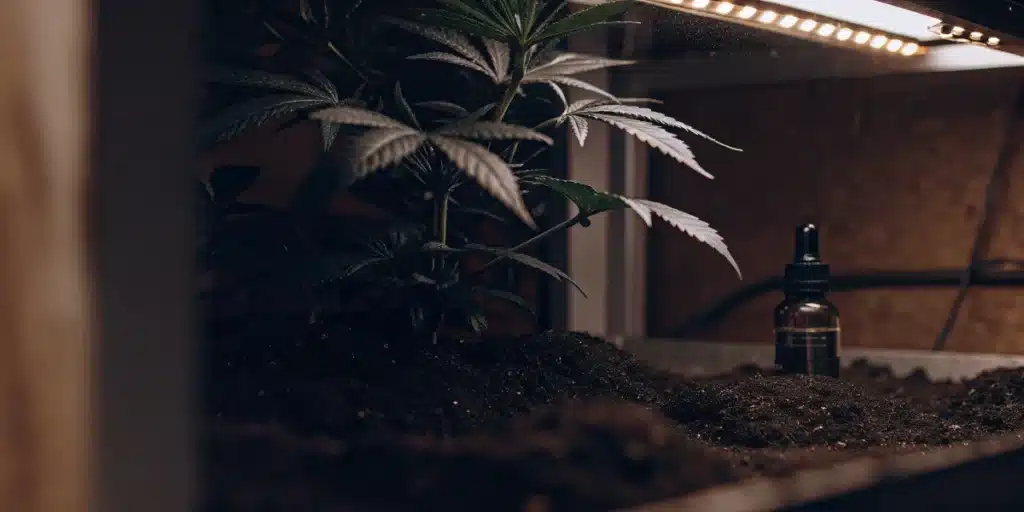
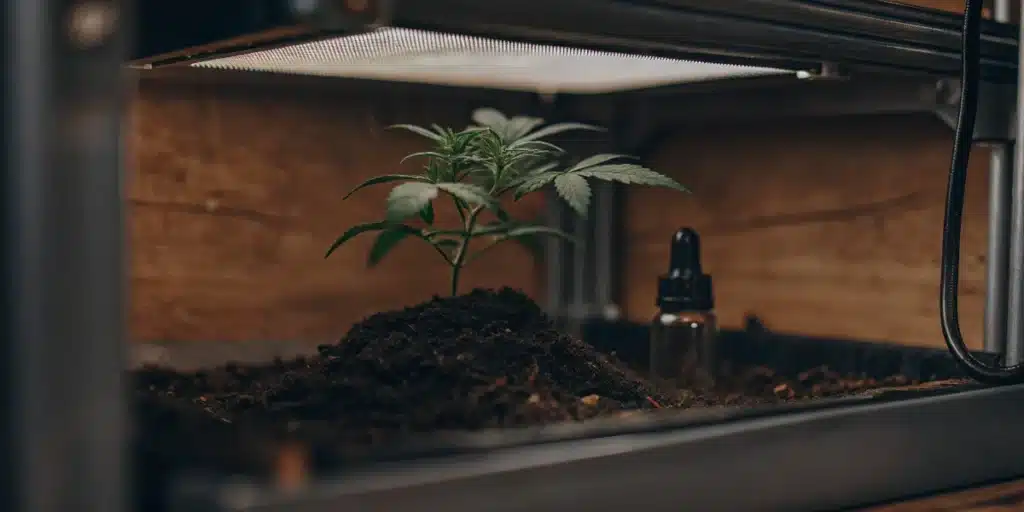
LED lights and Cal-Mag demand: LED lights can notably heighten a plant’s need for calcium and magnesium (Cal-Mag). Unlike traditional lighting, LEDs emit less radiant heat, which diminishes water evaporation and slows down transpiration. This reduced movement can impede the natural flow of calcium and magnesium, potentially resulting in deficiencies. Master growers have communicated that knowing these dynamics is essential for sustaining robust plant growth under LED lighting conditions.
LED lights offer energy efficiency and precise spectrum control, making them popular among indoor growers. However, their lower heat output can alter the plant’s transpiration rate, affecting nutrient uptake. This shift can lead to an increased need for calcium and magnesium, critical for preventing deficiencies. Many cultivators have signaled that balancing these factors is key for optimal plant health.
Recommended Strains

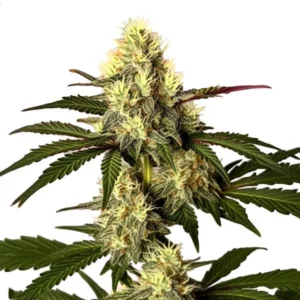
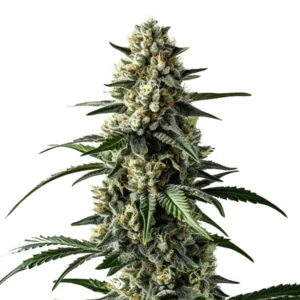
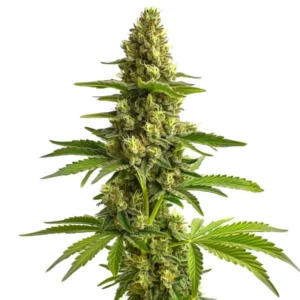
Strawberry Haze Autoflower F1

|
THC | 19% - 24% (High) |

|
Type | Autoflowering F1 |

|
Yield | High |

|
Phenotype | 40% Indica / 60% Sativa |
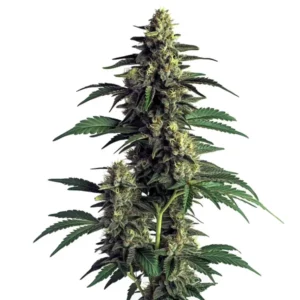
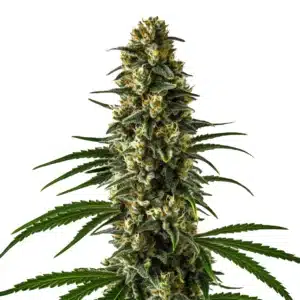
Northern Lights x Do-Si-Dos
|
|
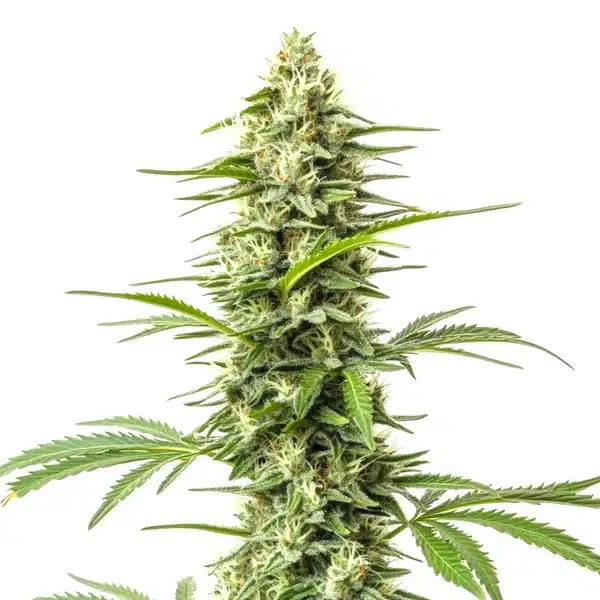
THC | 17% - 23% (Medium) |
|
|
Type | Feminized |
|
|
Yield | High |
|
|
Phenotype | 75% Indica / 25% Sativa |
Cal-Mag Deficiency in Plants
Symptoms of Cal-Mag Deficiency
Cal-Mag deficiency often manifests in plants through distinct symptoms. You might notice yellowing leaves, particularly between the veins, known as interveinal chlorosis. Leaf tips may curl or develop brown spots, indicating calcium deficiency, while magnesium deficiency can cause leaves to turn purple. These symptoms can severely impact plant health if not addressed promptly.
Experienced growers report that maintaining a nutrient solution with a calcium concentration of 150-200 ppm and magnesium levels of 50-70 ppm can prevent these issues. It’s crucial to monitor the pH levels, ideally keeping them between 5.8 and 6.2, to ensure optimal nutrient uptake.
Impact on Plant Growth
Cal-Mag deficiencies can stunt plant growth, reducing both yield and quality. Calcium is vital for cell wall development, while magnesium is a key component of chlorophyll, essential for photosynthesis. Without adequate levels, plants can’t produce energy efficiently, leading to slower growth and diminished flower production.
To mitigate these effects, many cultivators incorporate Cal-Mag supplements into their feeding regimen, especially when using LED lights. This proactive approach can help maintain robust growth and prevent nutrient-related issues.
Promos & Deals

Do LED Lights Cause Cal-Mag Deficiency?
How LED Lights Affect Nutrient Uptake
LED lights, while efficient, can alter the environmental conditions that affect nutrient uptake. Their lower heat output reduces water evaporation, slowing transpiration rates. This can lead to a buildup of nutrients in the root zone, potentially causing deficiencies if not managed correctly.
To counteract this, growers often adjust their watering schedules and nutrient concentrations. Increasing airflow and maintaining relative humidity between 50-60% can help balance the transpiration rate, ensuring plants receive adequate nutrients.
Adjusting Cultivation Practices
Adapting your cultivation practices is essential when using LED lights. Many growers find success by increasing Cal-Mag supplementation, especially during peak growth phases. Monitoring environmental conditions closely and making adjustments as needed can prevent deficiencies and promote healthy growth.
For optimal results, consider using a light meter to ensure your plants receive the correct intensity, typically around 800-1000 µmol/m²/s during flowering. This ensures that plants can photosynthesize effectively without excessive nutrient demand.
| Feature | GG4 | Strawberry Haze Autoflower F1 | Northern Lights X Do Si Dos |
|---|---|---|---|
| THC% | 27% | 19-24% | 17-23% |
| Dominant Terpene | Humulene | Myrcene | Limonene |
| Yield (oz/ft²) | 2 | 1.2 | 1.2 |
| Flowering Time (weeks) | 8-10 | 8-10 | 8-10 |
| Effect | Happy, Relaxed, Talkative | Calming, Happy, Relaxed | Calming, Hungry, Sleepy |
How to Fix Cal-Mag Deficiency
Best Practices for Using LED Lights
When addressing Cal-Mag deficiencies under LED lighting, it’s crucial to maintain optimal environmental conditions. Ensure your grow space has adequate airflow and humidity levels between 50-60%. This balance helps maintain a steady transpiration rate, allowing plants to absorb nutrients effectively.
Additionally, consider using a Cal-Mag supplement, especially during key growth stages. Many growers find that adding 2-5 ml per gallon of water can help prevent deficiencies and support healthy plant development.
Supplementing Cal-Mag in Your Grow
Supplementing Cal-Mag is a straightforward solution to prevent deficiencies. Choose a high-quality supplement and follow the manufacturer’s instructions for dosage. Regularly test your nutrient solution to ensure it contains adequate calcium and magnesium levels.
It’s also important to monitor your plants for any signs of deficiency, such as yellowing leaves or brown spots. Early detection and intervention can prevent more severe issues and ensure a successful harvest.
Professional Tips for Managing Cal-Mag Deficiency
- Maintain 58-62% RH during flowering. This range supports optimal transpiration and nutrient uptake.
- Use a digital pH meter to keep nutrient solution pH between 5.8-6.2, ensuring calcium and magnesium availability.
- Supplement with 2-5 ml of Cal-Mag per gallon during peak growth phases to prevent deficiencies.
- Increase airflow in your grow space to enhance transpiration and nutrient movement.
- Regularly test your nutrient solution for calcium and magnesium levels, aiming for 150-200 ppm calcium and 50-70 ppm magnesium.
- Monitor plant leaves for early signs of deficiency, such as interveinal chlorosis or leaf curling.
FAQs on LED Lights and Cal-Mag Deficiency
How do you fix a Cal Mag deficiency?
To fix a Cal-Mag deficiency, supplement your nutrient solution with 2-5 ml of Cal-Mag per gallon. Ensure your pH is between 5.8-6.2 for optimal nutrient uptake. Monitor environmental conditions, maintaining 58-62% RH and adequate airflow to support plant health and prevent further deficiencies.
What color light is worst for plant growth?
Green light is least beneficial for plant growth as it is mostly reflected rather than absorbed. Plants primarily use red and blue light for photosynthesis. Ensuring your grow lights provide a balanced spectrum, including these colors, supports optimal growth and development.
Are fish bothered by LED lights?
Fish are generally not bothered by LED lights if the intensity and spectrum are appropriate. LEDs can simulate natural daylight, minimizing stress. However, sudden changes in lighting conditions can affect fish behavior, so gradual adjustments are recommended to maintain a stable environment.
Do LED lights give you vitamin D?
LED lights do not produce UVB radiation, which is necessary for vitamin D synthesis in humans. Natural sunlight or specialized UVB lamps are required to generate vitamin D. Regular exposure to sunlight for about 10-30 minutes several times a week is sufficient for most people.
Can LED lights affect plant transpiration?
Yes, LED lights can affect plant transpiration by reducing radiant heat, which slows water evaporation. This can alter nutrient uptake, potentially leading to deficiencies. Adjusting environmental conditions, such as humidity and airflow, can help balance transpiration rates under LED lighting.