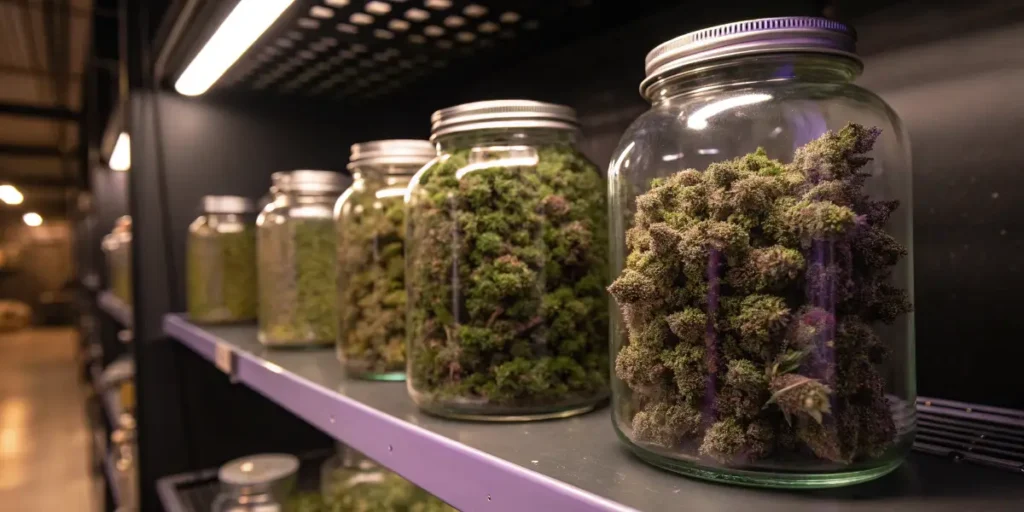
Curing Cannabis to Preserve VOCs and Terpenes

Optimal curing conditions: Curing cannabis is crucial for maintaining its volatile organic compounds (VOCs) and terpenes, and curing cannabis to preserve VOCs and terpenes is essential for protecting the plant’s aroma and therapeutic qualities. By adhering to a precise curing process, you can significantly enhance terpene retention, potentially by up to 30%, ensuring a superior and more potent final product.
Preserving the unique aroma and therapeutic benefits of cannabis involves careful attention to terpenes and VOCs during curing. These compounds contribute significantly to the plant’s overall profile. By optimizing curing conditions, you can enhance terpene profiles, leading to a more flavorful and potent experience. Knowing the interplay between temperature and humidity is essential for achieving the best results.
Recommended Strains

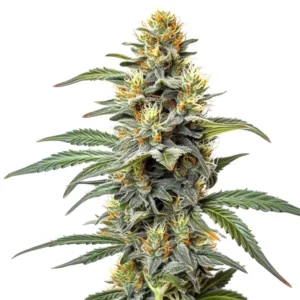
Mango

|
THC | 20% - 22% (Medium) |

|
Type | Feminized |

|
Yield | High |

|
Phenotype | 70% Indica / 30% Sativa |

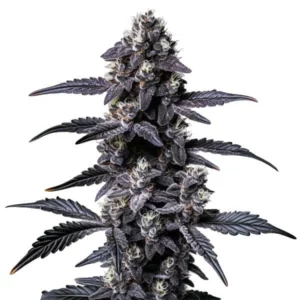
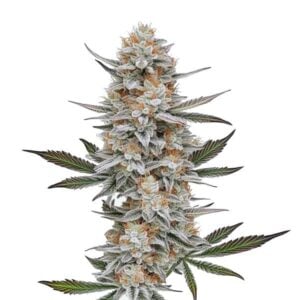
Sirius Black
|
|
THC | 15% - 25% (High) |
|
|
Type | Feminized |
|
|
Yield | High |
|
|
Phenotype | 60% Indica / 40% Sativa |
VOCs and Terpenes in Cannabis
What are VOCs?
Volatile Organic Compounds (VOCs) are crucial in defining the aromatic profile of cannabis. These compounds evaporate at room temperature, contributing to the plant’s distinctive scent. In cannabis, VOCs include terpenes, which are responsible for the plant’s unique aroma and flavor. For this reason, curing cannabis to preserve VOCs and terpenes is essential for maintaining the plant’s full sensory experience, aroma quality, and flavor profile.
Experienced growers report that VOCs can be sensitive to environmental changes. For instance, temperatures exceeding 77°F (25°C) can lead to the rapid evaporation of these compounds, diminishing the plant’s aromatic quality. Therefore, controlling environmental factors during curing is critical.
Importance of Terpenes
Terpenes are organic compounds that not only provide cannabis with its distinct aroma but also contribute to its therapeutic effects. These compounds interact with cannabinoids to enhance the overall effect of cannabis, a phenomenon known as the entourage effect. Preserving terpenes is crucial for maintaining the full spectrum of cannabis benefits.
Many cultivators share that terpenes such as Myrcene, Limonene, and Caryophyllene play significant roles in the plant’s effects. For example, Myrcene, which can constitute up to 1.2% of a strain’s profile, enhances THC uptake, while Limonene, often found at 0.6%, is known for its mood-enhancing properties. Proper curing can help preserve these delicate compounds.
Promos & Deals


The Science Behind Curing Cannabis
How Curing Affects VOCs and Terpenes
Curing is a postharvest operation that significantly impacts the cannabinoid content and terpene profile of cannabis. The process involves controlling environmental conditions to allow the slow degradation of chlorophyll while preserving terpenes and cannabinoids. Master growers have communicated the importance of this stage.
In professional cultivation circles, maintaining a temperature range of 60-70°F (15-21°C) and a humidity level of 58-62% RH is crucial for optimal curing. These conditions help in slowing down the drying process, allowing for the preservation of terpenes.
Step-by-Step Guide to Curing Cannabis
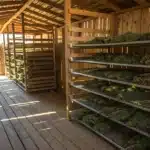
Preparing cannabis for curing involves trimming and drying the buds to a moisture content of around 10-15%. This initial drying phase should be done in a dark room with a temperature of 60-70°F (15-21°C) and 55-65% RH. Proper environmental control is essential when curing cannabis to preserve VOCs and terpenes, as it helps maintain aroma, flavor, and overall quality. Once properly dried, the cannabis is ready for the curing phase, which can last from two weeks to several months.
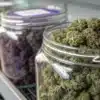
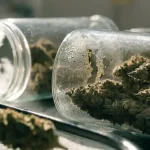
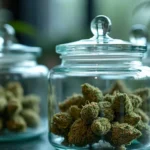
Using jars for curing cannabis can help maintain a stable environment, crucial for preserving terpenes. Glass jars are preferred as they provide an airtight seal, preventing the escape of VOCs. It’s important to open the jars daily during the first week to allow for air exchange, which helps in preventing mold growth.
Advanced Tips for Preserving Terpenes
Curing Cannabis in Jars
Using jars for curing cannabis can help maintain a stable environment, crucial for preserving terpenes. Glass jars provide an airtight seal that prevents the escape of VOCs, which are essential for maintaining the aroma and flavor of cannabis. Ensure the jars are stored in a cool, dark place to avoid terpene degradation.
For beginners, knowing the basics of drying and curing cannabis is essential to preserving its quality. Start by drying your buds until they reach a moisture content of about 10-15%, then transfer them to jars for curing. This process can enhance the overall quality of your cannabis.
Drying and Curing for Beginners
For beginners, knowing the basics of drying and curing cannabis is essential to preserving its quality. The drying process should be done in a controlled environment with temperatures between 60-70°F (15-21°C) and humidity levels of 55-65% RH. This ensures that the cannabis retains its terpenes and cannabinoids. Premium genetics like Sirius Black can especially benefit from proper drying and curing techniques, helping preserve their unique aroma, potency, and resin production.
Curing autoflower strains requires special attention to detail to ensure terpene preservation. Autoflowers have a shorter life cycle, which means the curing process must be carefully monitored to prevent terpene loss. Use a hygrometer to maintain optimal humidity levels throughout the curing process.
Common Mistakes to Avoid
Temperature and Humidity Control
Maintaining proper temperature and humidity levels during curing is crucial for preserving terpenes. Temperatures above 77°F (25°C) can cause terpene evaporation, while humidity levels below 55% can halt the curing process. Use a digital hygrometer to monitor these conditions accurately.
Over-curing cannabis can lead to a loss of flavor and potency. While curing is essential for enhancing the quality of cannabis, extending the process beyond 12 weeks can result in diminished terpene profiles. Aim for a curing period of 2-8 weeks, depending on the strain and desired outcome. Flavor-rich varieties like Mango particularly benefit from proper curing, as it helps preserve their tropical terpene profile and aromatic intensity.
Professional Tips for Curing Cannabis
- Maintain 58-62% RH during curing to preserve terpenes. Below 55% arrests terpene development; above 65% promotes mold growth within 48 hours. Use a digital hygrometer for accuracy.
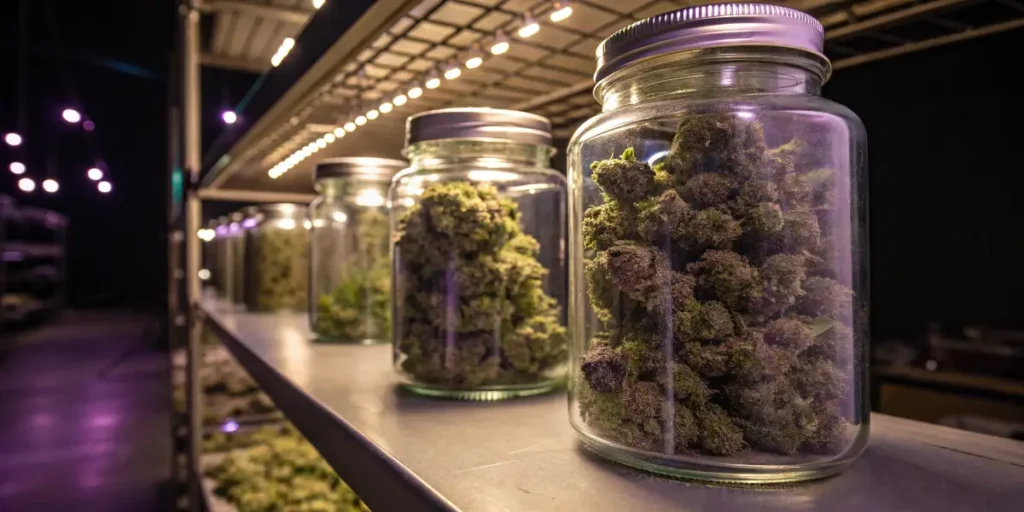
- Store jars in a dark place at 60-70°F (15-21°C) to prevent terpene degradation. Light exposure can break down these compounds, reducing the plant’s aroma and effects.
- Burp jars daily for the first week to allow gas exchange, preventing mold. This process also helps in stabilizing humidity levels inside the jars.
- Use glass jars for curing instead of plastic to avoid static, which can attract trichomes and reduce potency.
- Monitor the curing process closely for the first two weeks, adjusting conditions as necessary to maintain optimal terpene retention.
- Consider using Boveda packs to maintain consistent humidity levels, especially in fluctuating climates. These packs help in preventing both over-drying and excessive moisture.
FAQs about curing cannabis to preserve VOCs and terpenes
How do you preserve cannabis terpenes?
To preserve cannabis terpenes, maintain a curing environment with 58-62% RH and temperatures between 60-70°F (15-21°C). Use airtight glass jars stored in a dark place to prevent terpene degradation. Regularly monitor these conditions with a digital hygrometer to ensure optimal preservation.
What is the 60-60 rule for drying cannabis?
The 60-60 rule for drying cannabis refers to maintaining a temperature of 60°F (15.5°C) and 60% RH. This balance helps in preserving terpenes and cannabinoids while preventing mold. It’s a guideline often used by experienced growers to ensure high-quality cannabis.
What temperature destroys terpenes?
Terpenes begin to degrade at temperatures above 77°F (25°C). To preserve these compounds, keep the curing environment below this threshold. High temperatures can lead to the rapid evaporation of terpenes, diminishing the aroma and therapeutic effects of cannabis.
Does curing cannabis break down chlorophyll?
Yes, curing cannabis helps break down chlorophyll, which can impart a harsh taste if not properly degraded. The process involves maintaining a controlled environment to allow chlorophyll to break down slowly, enhancing the flavor and smoothness of the final product.
How long should cannabis be cured?
Cannabis should be cured for a minimum of two weeks, with optimal results often achieved between 4-8 weeks. This period allows for the breakdown of chlorophyll and the preservation of terpenes, resulting in a smoother and more flavorful product.