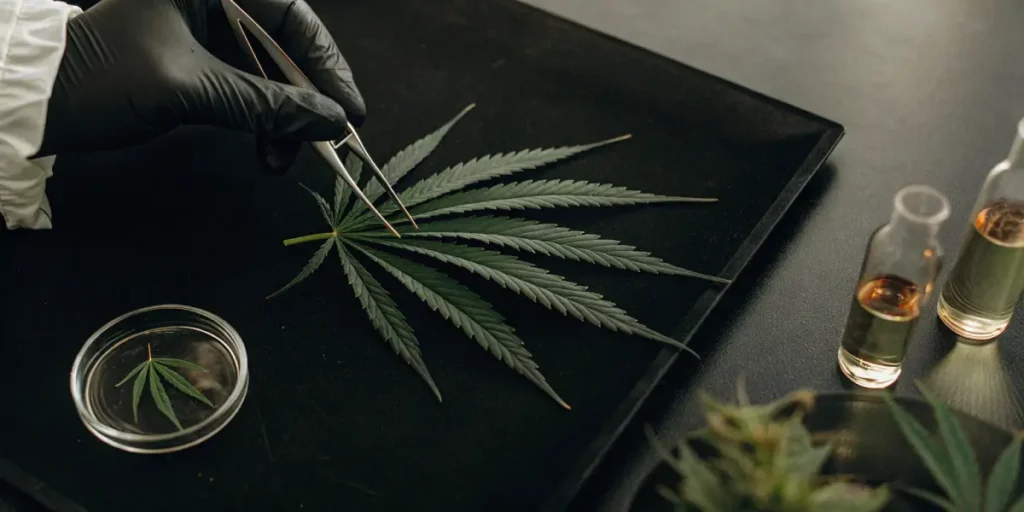
Comparison of Cannabis Nutrient Testing Methods

When it comes to growing cannabis, knowing the nutrient composition of your plants is crucial. This guide dives into the comparison of cannabis nutrient testing methods, helping both first-time buyers and seasoned growers make informed decisions. Whether you’re looking to improve plant health or maximize yields, knowing the right testing method can make all the difference.
Choosing the right nutrient testing approach can significantly impact the quality of your harvest. Different methods offer varying levels of accuracy, speed, and cost-effectiveness. By exploring the pros and cons of these approaches, you’ll be better equipped to select a method that aligns with your growing goals and budget.
Recommended Strains

Green Crack

|
THC | 21% (Medium) |

|
Type | Feminized |

|
Yield | High |

|
Phenotype | 35% Indica / 65% Sativa |

Black Domina
|
|
THC | 15% - 20% (Medium) |
|
|
Type | Feminized |
|
|
Yield | High |
|
|
Phenotype | 95% Indica / 5% Sativa |
Nutrient testing is not just about ensuring your plants get what they need; it’s also about optimizing the overall growing process. With advancements in cannabis nutrient testing technology, growers can now achieve more precise results. Let’s explore how these methods compare and what they mean for your cannabis cultivation journey.
Why Nutrient Analysis Matters
Knowing the nutrient profile of your cannabis plants is essential for achieving optimal growth. Nutrient analysis helps in identifying deficiencies or excesses that may hinder plant development. With accurate data, growers can adjust their feeding schedules and improve plant health substantially. Knowing the comparison of cannabis nutrient testing methods allows cultivators to choose the most precise and efficient approach for monitoring plant nutrition, ensuring consistent growth and maximum yield.
Moreover, nutrient analysis provides insights into the soil’s fertility and how well nutrients are being absorbed. This is particularly important in ensuring that your plants are getting balanced nutrition, which directly impacts the potency and quality of the final product. A thorough cannabis nutrient analysis techniques comparison reveals the importance of precision in cultivation.
Promos & Deals



Evaluating Cannabis Plant Nutrient Testing Methods
Evaluating cannabis plant nutrient testing methods involves knowing the different techniques available. These range from soil testing kits to advanced laboratory analyses. Each method has its strengths and weaknesses, and the choice depends on the grower’s needs and resources.
For instance, while DIY soil testing kits offer convenience and lower costs, they might not provide the comprehensive data that a lab analysis would. On the other hand, lab analyses can be more expensive and time-consuming but deliver detailed insights into the nutrient levels and potential deficiencies.
Exploring Advanced Cannabis Nutrient Testing Technology
Advanced cannabis nutrient testing technology offers more precise and faster results. Technologies such as spectrophotometry and chromatography have become more accessible to growers, providing detailed nutrient profiles. These methods offer high accuracy, making them ideal for serious growers looking to optimize their cultivation process.
However, it’s crucial to weigh the cost and complexity of these technologies against the potential benefits. For some, the investment might be worthwhile, while others may find simpler methods more suitable for their needs.

Product Recommendations: Strains to Consider
Bruce Banner 3
Bruce Banner 3 is known for its potency and vibrant growth. It thrives with balanced nutrients, making it an excellent choice for testing various nutrient methods. This hybrid strain combines the best of both worlds, offering a powerful high and robust growth characteristics.
- Yield: High
- Flowering: 8-10 weeks
- THC: 20-29%
- Terpene hints: Diesel, Sweet, Earthy
Black Domina
Black Domina is a strain that benefits from precise nutrient management. Its indica-dominant genetics require careful feeding to maximize yield and potency. This strain is perfect for growers interested in the impact of different nutrient testing approaches.
- Yield: Medium
- Flowering: 8-10 weeks
- THC: 15-20%
- Terpene hints: Berry, Grape, Diesel
Green Crack
Green Crack is a sativa-dominant strain that demands attentive nutrient management to achieve its full potential. Known for its energetic effects, this strain can be a great candidate for exploring advanced nutrient testing technologies.
- Yield: Medium
- Flowering: 7-9 weeks
- CBD: 0,4%
- Terpene hints: Citrus, Earthy, Sweet
Common Questions About Comparison of cannabis nutrient testing methods
What is the best method for nutrient testing in cannabis?
The best method for nutrient testing largely depends on your specific needs and resources. For those seeking detailed nutrient profiles, lab analyses using advanced technology like spectrophotometry are ideal. However, for growers on a budget, soil testing kits can offer a reasonable insight into nutrient levels, though they might lack the depth of lab results.
It’s important to consider factors such as cost, accuracy, and ease of use when choosing a testing method. While advanced methods provide comprehensive data, they may not be necessary for all growers. Evaluating cannabis plant nutrient testing methods can help you determine the most suitable approach for your cultivation strategy.
How do different nutrient testing methods impact cannabis growth?
Different nutrient testing methods can significantly impact cannabis growth by providing varying levels of detail about nutrient deficiencies and excesses. Methods that offer precise data allow growers to tailor their nutrient programs more effectively, leading to healthier plants and potentially higher yields.
Conversely, less accurate methods may result in suboptimal feeding, affecting plant health and potency. Knowing the differences in cannabis nutrient test results is key to optimizing growth and ensuring your plants receive the right balance of nutrients.
Are advanced nutrient testing technologies worth the investment?
Investing in advanced nutrient testing technologies can be beneficial for serious growers aiming to maximize their yield and potency. These technologies offer high accuracy and detailed insights, which can lead to better nutrient management and improved plant health.
However, it’s essential to weigh the cost against the benefits. For hobbyists or small-scale growers, simpler methods may suffice. Advanced cannabis nutrient testing technology comparison can help you decide if the investment aligns with your growing objectives and budget.
What are the pros and cons of various nutrient testing approaches?
Each nutrient testing approach has its pros and cons. DIY soil kits are cost-effective and convenient but may lack comprehensive data. In contrast, lab analyses provide in-depth nutrient profiles but can be expensive and require more time.
Ultimately, the choice depends on your specific needs. For those who prioritize accuracy and detail, lab methods are preferable. However, for those constrained by budget, knowing the pros and cons of cannabis nutrient testing approaches can guide you to a method that balances cost and information needs.
How often should cannabis nutrient testing be conducted?
The frequency of cannabis nutrient testing depends on several factors, including the growth stage and type of cultivation system used. Generally, regular testing throughout the growth cycle is recommended to ensure optimal nutrient levels and address any deficiencies promptly.
For hydroponic systems, more frequent testing is advisable due to the dynamic nature of nutrient uptake. In soil-based systems, testing before planting and periodically during growth can help maintain balanced nutrition. Knowing your system and plant needs will guide the timing of nutrient analysis.