Common Myths About Cannabis Allelopathy

When diving into the world of cannabis cultivation, especially for first-time growers, you might stumble upon the term “allelopathy.” It’s a fancy word, but don’t let it scare you. Simply put, allelopathy refers to how plants release chemicals that affect the growth of neighboring plants. In cannabis, this can spark a wave of myths and misconceptions. Knowing the truth behind common myths about cannabis allelopathy helps growers make informed decisions, avoid misinformation, and create healthier, more balanced gardens. Let’s get to the roots of these myths and uncover what’s true and what’s not.
One common belief is that cannabis can hinder the growth of other plants due to its allelopathic properties. The reality is a bit more nuanced. While cannabis does interact with its environment, the idea that it aggressively sabotages neighboring plants is largely exaggerated. To provide clarity, let’s debunk some of these myths with a focus on practical growing experience.
Recommended Strains
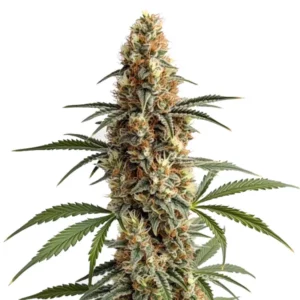
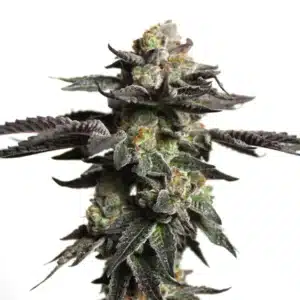
Mamba Negra

|
THC | 18% (Medium) |

|
Type | Feminized |

|
Yield | High |

|
Phenotype | 55% Indica / 45% Sativa |
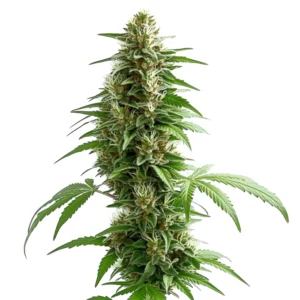
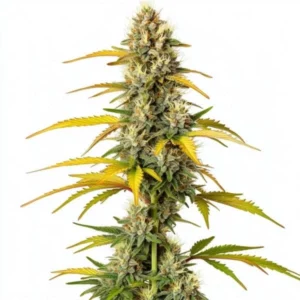
Green Crack Auto
|
|
THC | 18% - 20% (Medium) |
|
|
Type | Autoflowering |
|
|
Yield | High |
|
|
Phenotype | 50% Indica / 50% Sativa |
For both novice and experienced growers, knowing what allelopathy means for your cannabis garden is crucial. By doing so, you can optimize your grow space, whether you’re nurturing a single GG4 plant or a garden full of Purple Lemonade Autoflower beauties.
Knowing Cannabis Allelopathy
Before jumping into the common myths about cannabis allelopathy, it’s essential to understand what allelopathy truly involves. In the plant world, allelopathy refers to the chemical interactions between plants. Some plants release substances that can inhibit or promote the growth of nearby plants, and knowing these dynamics helps growers separate fact from fiction when cultivating cannabis.
The Science Behind Allelopathy
The allelopathic interaction is a natural part of plant ecology. It’s how plants communicate and compete for resources like sunlight, nutrients, and water. However, the extent and impact of these interactions can vary greatly.
In cannabis, any allelopathic effects are subtle and often overshadowed by other growth factors. Light, soil quality, and watering practices typically have a more significant impact on plant health and yield.
Debunking the Cannabis Allelopathy Myth
One major cannabis allelopathy myth debunked is the belief that cannabis plants cannot coexist with any other plant species. This is simply not true. While some plants might be mildly affected by cannabis, it’s rare to see significant negative impacts.
Experienced growers often cultivate companion plants alongside cannabis to promote a healthy ecosystem. For instance, plants like basil or marigold can deter pests and enhance the flavor profile of cannabis without being outcompeted.
Promos & Deals
Common Myths and Misconceptions
Let’s address some of the most widespread myths surrounding cannabis allelopathy. These misconceptions often stem from a misunderstanding of how plant interactions work.
Cannabis Plants Kill Nearby Vegetation
A prevailing myth is that cannabis plants are harmful to nearby vegetation. The truth is, cannabis isn’t a bully in the garden. While it does have chemical interactions, these are mild and generally harmless to other plants.
Growers who cultivate strains like Gorilla Sherbet or Bruce Banner Fast Version can successfully integrate other plants into their garden. The key is to ensure all plants are compatible and have similar water and light needs.
Allelopathy Reduces Cannabis Yield
Another myth is that allelopathy reduces the yield of cannabis plants. In reality, yield is more dependent on factors like genetics, nutrients, and environmental conditions.
Strains such as Green Crack Auto and Mamba Negra are known for their robust yields, regardless of the presence of other plants. Proper cultivation techniques will have a far greater impact on yield than any allelopathic effects.

Practical Tips for Managing Your Grow Space
For those cultivating cannabis, managing your grow space is crucial. Knowing how to arrange your plants can make a big difference in the health and productivity of your garden.
Companion Planting Strategies
Companion planting involves growing different plants together for mutual benefit. When done correctly, it can enhance the growth and health of cannabis plants without adverse allelopathic interactions.
- Consider aromatic herbs like basil or cilantro to deter pests.
- Use nitrogen-fixing plants such as clover to enrich the soil.
- Incorporate plants with different root depths to optimize space and resources.
For example, growing Zombie Death Fuck alongside companion plants can help maintain a balanced grow environment.
Optimizing Light and Watering
Regardless of allelopathic myths, optimizing light and watering schedules is key. Ensure that all plants in your grow space receive adequate sunlight and water without competition.
Using adjustable light setups and drip irrigation systems can help maintain the ideal conditions for a mixed garden. This ensures that all plants, including cannabis, thrive without stress.
FAQs about Common myths about cannabis allelopathy
What is cannabis allelopathy?
Cannabis allelopathy refers to the chemical interactions cannabis plants might have with other plants. It involves the release of certain compounds that can affect the growth of nearby vegetation. However, in practice, these effects are typically minimal and should not cause concern for growers.
In a well-managed grow environment, strains like Permanent Marker and GMO thrive alongside other plants without any negative effects caused by allelopathy. Knowing the conditions and needs of each plant in your garden will further minimize any potential impact.
Can cannabis allelopathy affect yield?
Allelopathy is rarely a significant factor in determining cannabis yield. Factors like genetics, soil health, and environmental conditions play a much larger role. Proper cultivation techniques are crucial for maximizing yield rather than focusing on allelopathic interactions.
For instance, growing strains such as Purple Kush and Motor Breath under optimal conditions will result in substantial yields, regardless of the allelopathic myths. Pay attention to the essentials like nutrient balance and light exposure for the best results.
Are there benefits to cannabis allelopathy?
While cannabis allelopathy mostly involves neutral interactions, some growers utilize these properties to their advantage. Companion planting can create a more diverse ecosystem, potentially reducing pest issues and improving soil quality.
For example, by integrating companion plants, you can create a more resilient grow space. This approach fosters a balanced environment that supports the growth of strains like Bubble Gum Sherb and Cafe Racer.
How can I mitigate any negative allelopathic effects?
To mitigate any potential negative effects of allelopathy, focus on good gardening practices. Ensure that your grow space is well-organized and that plants have sufficient space and resources to thrive.
Regularly monitor your plants for signs of stress and adjust light, water, and nutrient levels as needed. This attentive approach will help all plants, including cannabis, flourish in harmony.
Is cannabis allelopathy a concern for indoor growers?
For indoor growers, cannabis allelopathy is generally not a concern. Controlled environments allow for precise management of light, humidity, and plant placement, minimizing any potential allelopathic effects.
Indoor setups with appropriate lighting and ventilation ensure that strains like Ricky Bobby and Bruce Banner #3 grow vigorously without allelopathic interference. Focus on maintaining optimal conditions for all plants in your grow room for the best results.