Are Coffee Grounds Good for Cannabis Plants? The Honest Answer

Quick answer: Coffee grounds can help cannabis plants, but mainly when composted first. Composted grounds add nitrogen and improve soil structure and microbial life. Raw grounds, piled on directly, can compact, temporarily tie up nitrogen as they break down, and add caffeine, which can harm plants in quantity. Use them sparingly as a soil amendment or in compost, not as a standalone fertilizer.
Coffee grounds are one of the most popular ‘free’ garden amendments, so it is natural to ask whether cannabis plants like them. The short answer is that they can be useful, but how you use them matters a lot, and some of the common beliefs about them are not quite right.
Recommended Strains
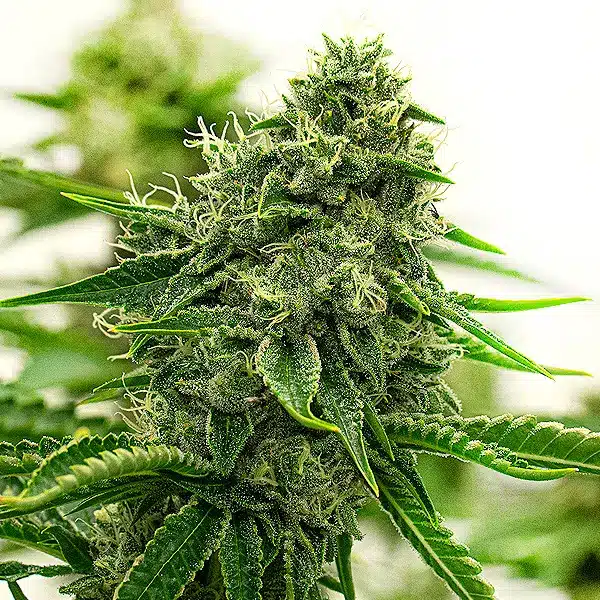
Hippo High

|
THC | 30% - 32% (High) |

|
Type | Feminized |

|
Yield | High |

|
Phenotype | 30% Indica / 70% Sativa |
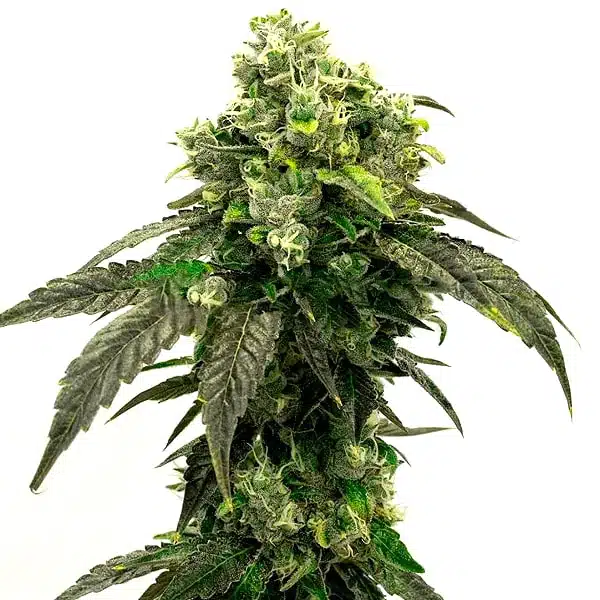
Hindu Kush
|
|
THC | 15% - 19% (Medium) |
|
|
Type | Feminized |
|
|
Yield | High |
|
|
Phenotype | 75% Indica / 25% Sativa |
Below we cover what coffee grounds actually do for soil and plants, the honest pros and cons, and the safe way to use them with cannabis, chiefly through compost rather than dumping them straight onto your pots.
| Do | Don’t |
|---|---|
| Compost coffee grounds first, then add | Don’t dump thick layers of raw grounds on soil |
| Use sparingly as a soil amendment | Don’t rely on them as a complete fertilizer |
| Mix into compost for nitrogen and structure | Don’t assume they strongly acidify soil (used grounds are near-neutral) |
| Watch the plant’s response | Don’t use moldy grounds or overdo caffeine-rich fresh grounds |
What Coffee Grounds Actually Do
Used coffee grounds contain nitrogen along with smaller amounts of other nutrients, and they add organic matter that improves soil structure, water retention and microbial activity, especially once composted. That is why they are prized as a ‘green’ input for compost piles, where microbes break them down into something plants can readily use.
A common myth is that coffee grounds strongly acidify soil. Fresh grounds are somewhat acidic, but used (brewed) grounds are close to neutral, so they will not reliably lower your soil pH. Treat them as a mild, slow nitrogen and organic-matter source, not a pH fix or a powerful fertilizer.
Promos & Deals

How to Use Coffee Grounds Safely
The best way to use coffee grounds is to compost them first. Add them to your compost as a ‘green’ (nitrogen) ingredient, balanced with ‘browns’ like dry leaves or cardboard, and let them break down before the finished compost goes into your mix. This avoids the problems of raw grounds and delivers the benefits in a plant-friendly form.
If you add grounds directly, use only a thin scattering mixed into the top of the soil, never a thick layer that can compact and repel water or mold. Keep them as a minor amendment, not a main feed, and watch how the plant responds. For a complete nutrient plan, rely on proper fertilizers: see our guides on the best organic cannabis fertilizers and fertilizers for cannabis.

Other Kitchen Amendments
Coffee grounds are just one of several kitchen scraps gardeners reuse. Like banana peels and other organic waste, they are best returned to plants through compost, where they break down into balanced, available nutrients rather than sitting raw on the soil. Composting also avoids pests and smells that raw scraps can attract.
The guiding principle is the same for all of them: these amendments improve and feed the soil over time, but they are supplements, not a substitute for a balanced feeding routine. For another popular example, see our guide on using banana peels as fertilizer, which follows the same compost-first logic.
Risks of Using Coffee Grounds Wrong
Used carelessly, coffee grounds can do more harm than good. Thick layers of raw grounds can form a water-repellent crust that stops moisture reaching the roots, and as fresh grounds break down they can temporarily tie up nitrogen in the soil, briefly starving the plant of the very nutrient you were hoping to add.
Fresh grounds also contain caffeine, which in quantity can inhibit plant growth, and damp piles of grounds can grow mold or attract pests. All of this is avoidable by composting the grounds first and using them sparingly. The takeaway: coffee grounds are a fine supplementary input when composted and used in moderation, and a potential problem when dumped on raw and heavy.

Frequently Asked Questions
Do cannabis plants like coffee grounds?
They can benefit from them, but mainly when the grounds are composted first. Composted coffee grounds add nitrogen and improve soil structure and microbial life. Raw grounds piled on directly can compact, temporarily tie up nitrogen and add caffeine, so use them sparingly as an amendment or in compost, not as a main fertilizer.
Do coffee grounds make soil more acidic?
Not reliably. Fresh grounds are somewhat acidic, but used (brewed) coffee grounds are close to neutral, so they will not meaningfully lower your soil pH. Do not use them as a pH fix. Think of them as a mild source of nitrogen and organic matter rather than a way to acidify soil.
Can you put coffee grounds directly on cannabis plants?
You can add a thin scattering mixed into the top of the soil, but avoid thick layers of raw grounds, which can compact, repel water, mold, and temporarily tie up nitrogen. Composting the grounds first is far safer and more effective. Either way, keep them a minor amendment, not the main feed.
Can coffee grounds harm cannabis plants?
They can if misused. Thick layers of raw grounds can repel water, temporarily tie up nitrogen as they break down, add growth-inhibiting caffeine, and grow mold. Composting the grounds first and using them sparingly avoids these problems. Treat them as a minor, composted amendment rather than a heavy raw top-dressing.
Are used or fresh coffee grounds better for plants?
Used (brewed) grounds are generally better and safer: they are close to neutral in pH and milder. Fresh grounds are more acidic and contain more caffeine, which can inhibit growth in quantity. Either way, compost them first and use sparingly rather than piling them on raw.
How much coffee grounds can I add to cannabis soil?
Only a little, and ideally composted first. A thin scattering mixed into the top of the soil, or a modest amount blended into compost, is plenty. Avoid thick raw layers, which compact and cause problems. Coffee grounds are a minor amendment, so do not rely on them as your main source of nutrients.