Cannabis VOCs Exposure and Occupational Health

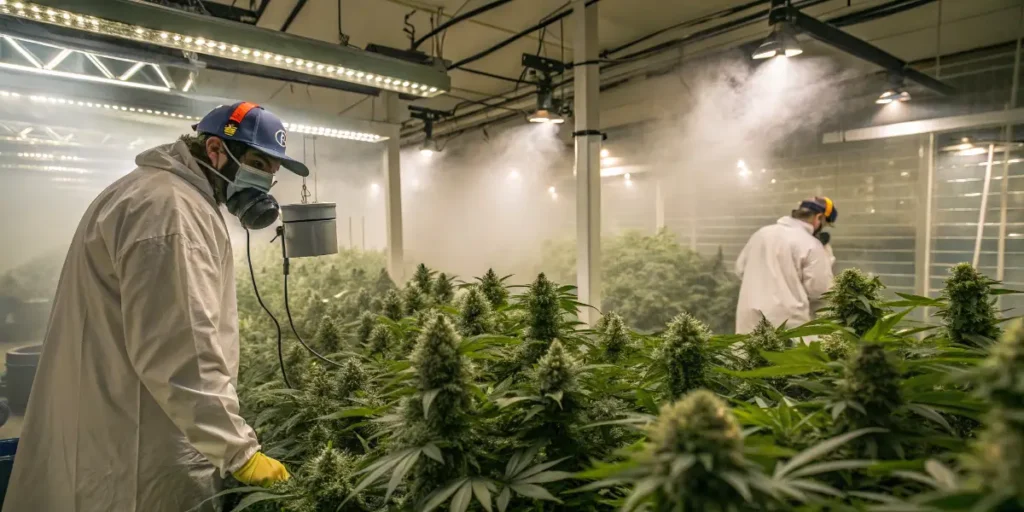
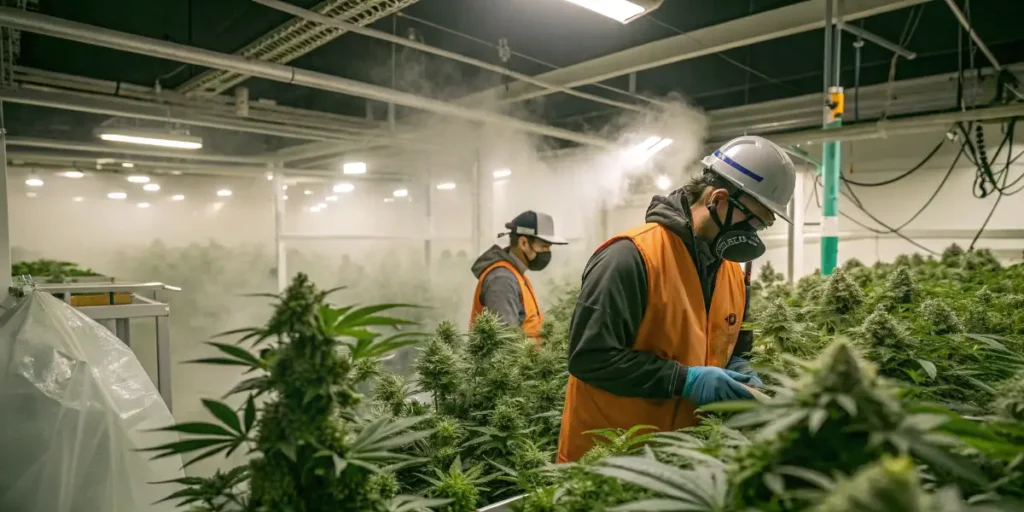
Health risks from VOCs: Cannabis cultivation workers face exposure to volatile organic compounds (VOCs), and concerns around cannabis VOCs exposure occupational health continue to grow as concentrations can exceed safe levels in indoor facilities. This exposure poses significant occupational health risks, including respiratory issues. Implementing effective mitigation strategies is crucial to ensure worker safety in the cannabis industry. Experienced growers report that understanding the specific VOCs involved and their health impacts is essential for creating a safer and more controlled work environment.
In the cannabis industry, terpenes play a crucial role in the aroma and therapeutic effects of strains. However, these compounds, along with other volatile organic compounds (VOCs), contribute to occupational health risks in cultivation facilities. The flowering period, typically 8-9 weeks, is when VOC emissions peak, necessitating effective ventilation systems to maintain air quality.
Recommended Strains

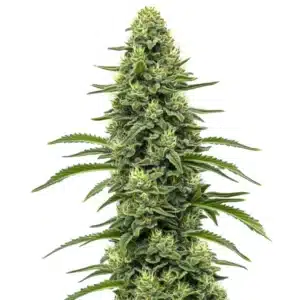
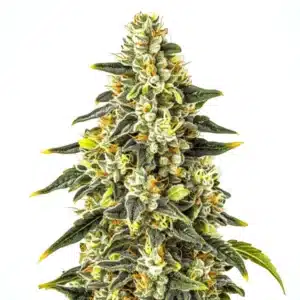
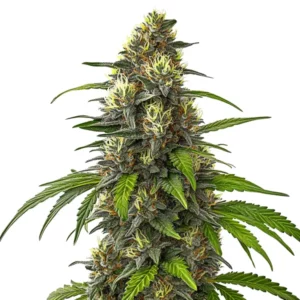
Zoap

|
THC | 24% - 26% (High) |

|
Type | Feminized |

|
Yield | High |

|
Phenotype | 50% Indica / 50% Sativa |
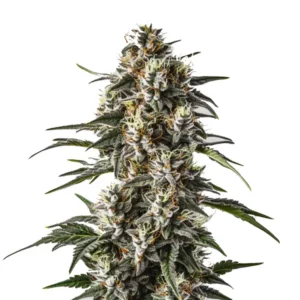
Hash Burger
|
|
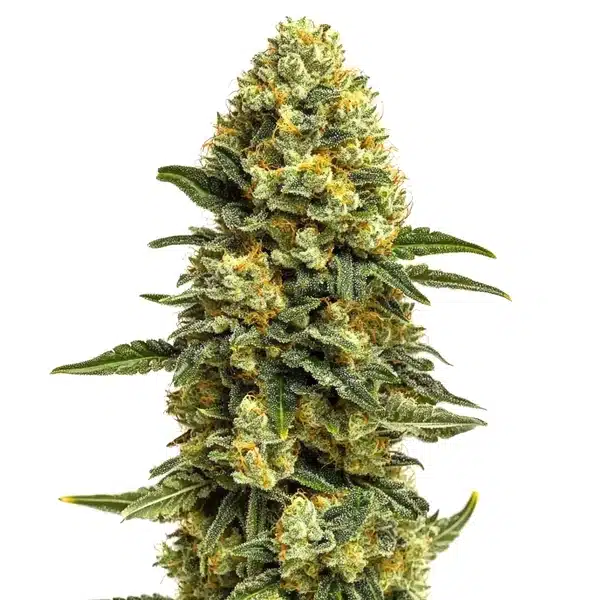
THC | 22% - 27% (High) |
|
|
Type | Feminized |
|
|
Yield | Medium |
|
|
Phenotype | 50% Indica / 50% Sativa |
Introduction to Cannabis VOCs
What are VOCs?
Volatile organic compounds (VOCs) are organic chemicals that easily vaporize at room temperature. In cannabis cultivation, VOCs include terpenes and other aromatic compounds released during plant growth. These compounds contribute to the plant’s aroma and have various effects on human health when inhaled in large quantities.
Common VOCs in cannabis include myrcene, limonene, and pinene, each with distinct aromatic profiles. Myrcene, for instance, is known for its earthy scent and can enhance THC uptake. Limonene, with its citrus aroma, is uplifting, while pinene offers a pine-like scent and anti-inflammatory properties.
Cannabis VOCs Exposure Occupational Health
Exposure to VOCs in cannabis facilities can lead to respiratory issues, headaches, and other health problems. The concentration of VOCs can reach hazardous levels, especially in poorly ventilated indoor environments. Workers may experience symptoms such as eye irritation and dizziness, emphasizing the need for proper safety measures. Strains with strong terpene profiles, such as Zoap, can contribute to higher aromatic compound production, making ventilation and air filtration systems even more important in professional cultivation spaces.
Effective ventilation and air filtration systems are essential in reducing VOC levels. By maintaining air exchange rates of at least 20 air changes per hour, facilities can significantly lower VOC concentrations, protecting worker health. Implementing these systems is a critical step in ensuring a safe working environment.
Promos & Deals


Mitigation Strategies for VOC Exposure
Best Practices for Indoor Cultivation
Indoor cannabis cultivation requires specific strategies to manage VOC emissions. Utilizing carbon filters and HEPA filters can effectively capture VOCs, preventing them from circulating in the air. Regular maintenance of these systems is crucial to ensure their efficiency.
Additionally, monitoring VOC levels with digital sensors allows for real-time adjustments to ventilation systems. Maintaining relative humidity between 45-55% and temperatures around 68°F – 77°F (20°C – 25°C) helps minimize VOC emissions, creating a healthier environment for workers.
Case Studies and Real-World Examples
Comparing indoor and outdoor cultivation reveals significant differences in VOC levels. Indoor facilities often have higher VOC concentrations due to enclosed spaces and limited airflow. Outdoor cultivation benefits from natural ventilation, reducing VOC accumulation and associated health risks. Strains with strong terpene profiles, such as Hash Burger, may produce more noticeable aromatic compounds during cultivation, making proper ventilation and air filtration especially important in indoor grow environments.
Implementing best practices from successful facilities can guide others in improving air quality. For instance, integrating automated ventilation systems that adjust based on VOC readings can enhance safety and efficiency in cannabis cultivation.
Professional Tips for Managing VOCs in Cannabis Cultivation
- Maintain 20 air changes per hour in indoor facilities to reduce VOC levels effectively. Poor ventilation can lead to VOC buildup, posing health risks.
- Use carbon filters to capture VOCs. Regularly replace filters to ensure efficiency and prevent VOC accumulation.
- Monitor VOC levels with digital sensors for real-time adjustments. This proactive approach helps maintain safe air quality.
- Keep humidity between 45-55% to minimize VOC emissions. High humidity can increase VOC release, affecting air quality.
- Implement automated ventilation systems that adjust based on VOC readings. This ensures consistent air quality management.
- Educate workers on VOC risks and safety measures. Awareness is key to preventing exposure-related health issues.
FAQs about cannabis VOCs exposure occupational health
What are volatile organic compounds (VOCs) in cannabis cultivation?
VOCs in cannabis cultivation are organic compounds that vaporize easily, including terpenes like myrcene and limonene. These contribute to the plant’s aroma and can impact worker health if inhaled in high concentrations. Monitoring and managing VOC levels is essential to ensure a safe working environment.
How do VOCs affect occupational health in cannabis facilities?
VOCs can cause respiratory issues, headaches, and eye irritation in workers. Indoor facilities with poor ventilation are particularly at risk, as VOC levels can exceed safe thresholds. Implementing effective air filtration and ventilation systems is crucial for reducing these health risks.
What are the health risks of cannabis VOC exposure?
Exposure to high levels of VOCs can lead to respiratory problems, dizziness, and other health issues. In cannabis cultivation, managing VOC emissions is essential to protect workers from these potential hazards. Regular monitoring and maintenance of air quality systems are vital.
How can cannabis cultivation facilities reduce VOC exposure?
Facilities can reduce VOC exposure by using carbon and HEPA filters, maintaining proper ventilation, and monitoring VOC levels with sensors. Ensuring air exchange rates of at least 20 air changes per hour helps maintain safe air quality, protecting worker health.
Are indoor cannabis facilities more at risk for VOC exposure than outdoor ones?
Yes, indoor facilities typically have higher VOC concentrations due to limited airflow and enclosed spaces. Outdoor cultivation benefits from natural ventilation, which reduces VOC accumulation. Implementing effective air management strategies indoors is crucial to mitigate these risks.