Organic Pesticides for Cannabis: Safe and Effective Solutions

Organic pesticides for cannabis: Derived from natural sources like neem oil and diatomaceous earth, these solutions protect cannabis plants from pests without harmful residues. They enhance soil health by boosting microbial activity, offering a sustainable cultivation approach. Studies indicate organic pesticides can improve plant resilience and yield, making them a preferred choice for environmentally conscious growers.
Organic pesticides offer cannabis growers a sustainable method to combat pests while preserving plant integrity. These natural solutions, such as neem oil, not only protect plants but also enhance soil microbial activity. By opting for organic options, growers can maintain high-quality yields with minimal environmental impact, ensuring a healthier crop and ecosystem.
Recommended Strains

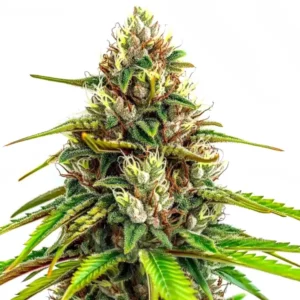
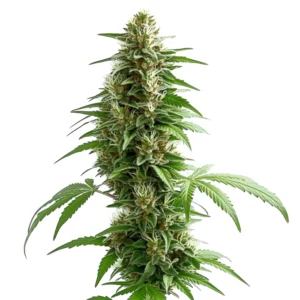
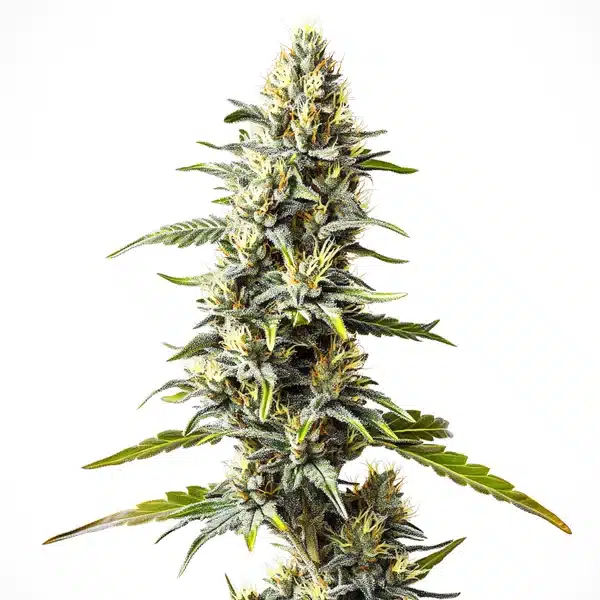
Cream Candy Auto

|
THC | 19% - 24% (High) |

|
Type | Autoflowering |

|
Yield | High |

|
Phenotype | 80% Indica / 20% Sativa |
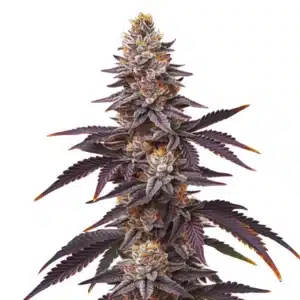
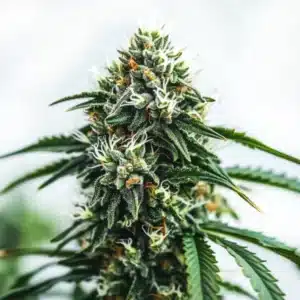
Cream Caramel
|
|
THC | 19% - 24% (High) |
|
|
Type | Feminized |
|
|
Yield | High |
|
|
Phenotype | 90% Indica / 10% Sativa |
Understanding Organic Pesticides
What Are Organic Pesticides?
Organic pesticides are derived from natural sources, including plant extracts and beneficial microorganisms, designed to combat pests without synthetic chemicals. These solutions aim to protect cannabis plants while minimizing environmental impact. By utilizing natural compounds, organic pesticides ensure that cannabis remains free from harmful residues, making it safer for both consumers and the environment.
Neem oil, diatomaceous earth, and insecticidal soaps are popular organic options, each targeting specific pests. Neem oil, for instance, disrupts pest life cycles, while diatomaceous earth acts as a natural abrasive. These substances not only protect plants but also enhance their overall health by fostering a balanced ecosystem within the grow environment.
Benefits of Organic Pesticides for Cannabis
Organic pesticides offer numerous advantages, including safety for humans and beneficial insects like pollinators. As the cannabis industry faces scrutiny over consumer safety, organic solutions provide peace of mind by reducing harmful chemical exposure. Additionally, these pesticides improve soil health by enhancing microbial activity, leading to healthier plants and sustainable growth.
Organic pesticides also break down more quickly in the environment compared to synthetic alternatives, making them a more sustainable choice. By using organic solutions, growers protect their current crop while setting the stage for future growth, ensuring long-term sustainability and environmental health.
Promos & Deals
Choosing the Best Organic Pesticide for Cannabis
Key Factors to Consider
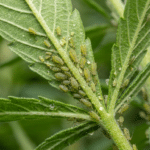
Selecting the right organic pesticide involves understanding the specific pests or diseases affecting your plants. For instance, aphids may require insecticidal soap rather than neem oil. Additionally, consider the growth stage of your cannabis plants, as some pesticides are more effective at certain stages. Always check for potential interactions with other treatments.
Consider environmental factors such as temperature and humidity when applying pesticides. The effectiveness of certain organic solutions can vary based on these conditions. For example, diatomaceous earth needs reapplication after rain or watering due to moisture reducing its effectiveness.
Top Organic Pesticide Options
Neem oil is a versatile organic pesticide, effective against various pests and offering fungicidal properties. It disrupts pest life cycles while being safe for beneficial insects when used correctly. Diatomaceous earth is another popular choice, acting as a natural abrasive against insects like thrips and aphids. Insecticidal soaps provide a quick solution for soft-bodied insects.
These organic pesticides not only protect plants but also contribute to a healthier growing environment. By integrating these solutions, growers can effectively manage pest populations while promoting plant health and sustainability.
| Feature / Merkmal | Neem Oil | Diatomaceous Earth | Insecticidal Soap |
|---|---|---|---|
| Pest Target | Aphids, Whiteflies | Thrips, Ants | Soft-bodied Insects |
| Application Frequency | Every 7-14 Days | Reapply After Rain | Every 5-7 Days |
| Environmental Impact | Low | Minimal | Low |
| Cost Efficiency | Moderate | High | Moderate |
| Ease of Use | Easy | Easy | Easy |
Application Techniques for Organic Pesticides
Best Practices for Spraying
Timing is crucial when applying organic pesticides. Early morning or late afternoon is ideal, as temperatures are cooler and beneficial insects are less active. This timing ensures that the pesticide adheres to the target pests without harming pollinators. Use a fine mist spray to cover leaves thoroughly without excessive saturation.
Ensure your spray equipment is clean to avoid cross-contamination. A fine mist ensures coverage of both upper and lower leaf surfaces, where pests often reside. This method maximizes pesticide effectiveness while minimizing potential harm to your plants.
Safe Usage and Timing
Safety is paramount when using organic pesticides. Always wear protective gear, including gloves and masks, to minimize exposure. Even natural substances can cause allergic reactions. Follow manufacturer instructions for safe usage and timing. Some organic pesticides require reapplication every few days, while others have longer-lasting effects.
Consider environmental factors like wind and humidity. Wind can cause drift, affecting non-target plants, while humidity impacts pesticide adherence. Adjust your spraying schedule accordingly to ensure optimal effectiveness.
Integrating Organic Pesticides with Other Methods
Combining with Companion Planting
Integrating organic pesticides with other methods enhances cannabis cultivation. Companion planting, for example, creates a natural pest deterrent. Plants like marigolds repel harmful insects while attracting beneficial ones. This approach leverages nature’s defenses alongside organic pesticides, fostering a diverse plant ecosystem.
Crop rotation disrupts pest life cycles, making it harder for them to establish in your garden. Incorporating organic fertilizers enhances plant vigor, making them more resistant to pest attacks. This holistic approach ensures your plants are protected and thriving.
Maintaining Plant Health
Healthy plants are less susceptible to pests, making plant health a priority when using organic pesticides. Regular monitoring allows you to catch distress signs early, enabling a quick response. Look for nutrient deficiencies, water stress, or unusual discoloration that might indicate pest issues.
Ensure your plants receive adequate light, water, and nutrients. A balanced feeding schedule strengthens plants, making them more resilient against pests. Incorporating beneficial microorganisms into your soil enhances plant health, promoting a robust root system.
Professional Tips
- Maintain 58-62% RH during curing. Below 55% halts terpene development; above 65% promotes mold within 48 hours. Always use a digital hygrometer for accuracy.
- Apply neem oil every 7-14 days. Ensure leaves are dry before application to prevent dilution. Avoid spraying during peak sunlight to reduce leaf burn risk.
- Use diatomaceous earth after rain. Wet conditions reduce its effectiveness, so reapply when the soil dries. Avoid overapplication to prevent soil compaction.
- Monitor plant health weekly. Check for signs of nutrient deficiencies or pest infestations. Early detection allows for timely intervention, preventing larger issues.
- Incorporate companion plants like marigolds. They naturally deter pests and attract beneficial insects. Avoid planting too densely to ensure adequate airflow.
- Rotate crops annually. This disrupts pest life cycles and prevents soil nutrient depletion. Avoid planting the same species in the same location consecutively.

FAQs about Organic Pesticides for Cannabis
What is the safest organic pesticide?
Neem oil is considered one of the safest organic pesticides due to its natural origin and effectiveness against a wide range of pests. It disrupts pest life cycles without harming beneficial insects. Apply every 7-14 days for optimal results, and ensure proper coverage to maximize its protective benefits.
Is it safe to use neem oil on cannabis?
Yes, neem oil is safe for cannabis when used correctly. It effectively controls pests without leaving harmful residues. Apply during early morning or late afternoon to avoid leaf burn. Ensure even coverage and avoid using during flowering to prevent potential flavor alterations.
What can I use as a natural pesticide for plants?
Diatomaceous earth is an excellent natural pesticide for plants. It acts as a physical barrier, damaging insect exoskeletons. Reapply after rain or watering, as moisture reduces its effectiveness. It’s safe for humans and pets, making it a preferred choice for organic gardening.
How to get rid of aphids during flowering?
Use insecticidal soap to control aphids during flowering. It targets soft-bodied insects without harming the plant or affecting flavor. Apply every 5-7 days, ensuring thorough coverage of affected areas. Avoid spraying directly on buds to maintain their quality and potency.
Can organic pesticides replace chemical alternatives?
Organic pesticides can effectively manage pests but may not provide immediate results like chemical alternatives. Consistent application and integrated pest management strategies enhance their effectiveness, promoting a healthier growing environment. Regular monitoring and timely interventions ensure successful pest control.