Why Are Cannabis Leaves Turning Black? Causes & Solutions

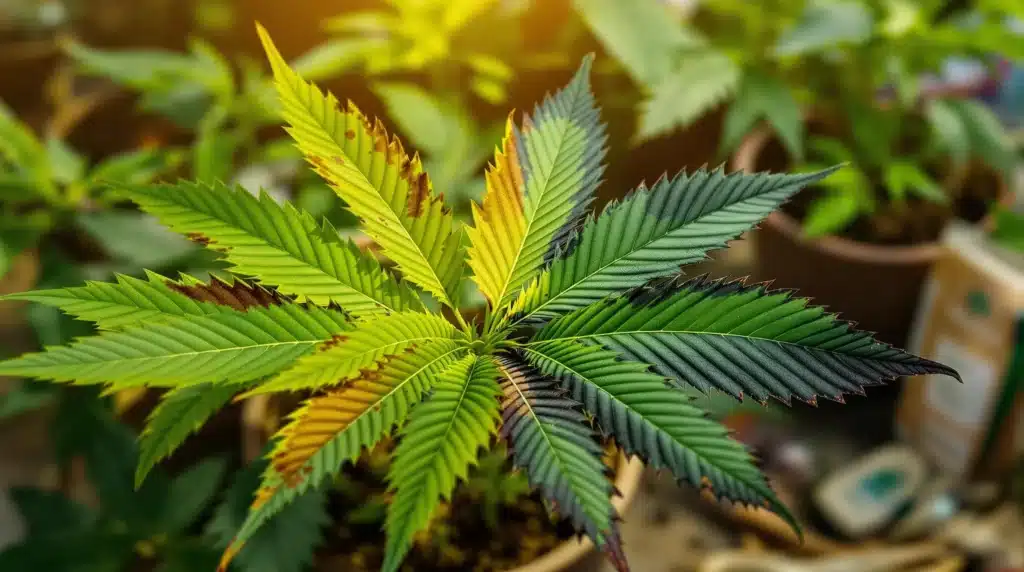
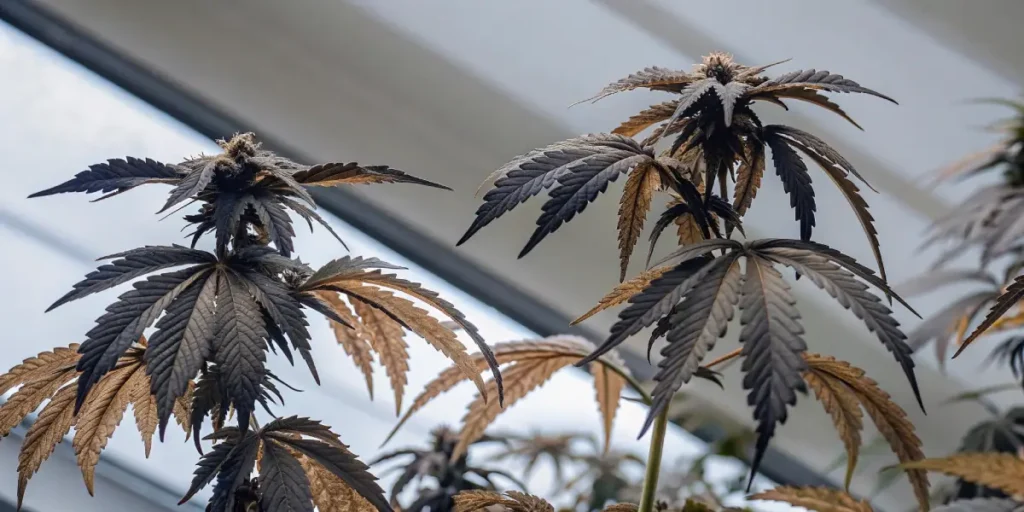
Black Leaves on Cannabis: Cannabis leaves turning black can result from nutrient deficiencies, environmental stress, or pest infestations. Nitrogen deficiency often starts with yellowing, progressing to blackening. Overwatering can suffocate roots, leading to discoloration. Identifying these issues early is crucial for plant recovery and maintaining a healthy garden. Regular monitoring and adjustments can prevent these problems, ensuring robust plant growth.
Blackening cannabis leaves can be a sign of distress, often linked to nutrient imbalances or environmental factors. Terpenes like Myrcene and Limonene may be affected by such stress, altering aroma and flavor profiles. Flowering time can also be impacted, potentially extending beyond the typical 8-10 weeks. Addressing these issues promptly is vital for maintaining plant health and optimizing yield.
Recommended Strains

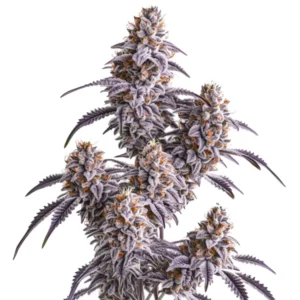
Forbidden Fruit

|
THC | 23% - 26% (High) |

|
Type | Feminized |

|
Yield | Medium |

|
Phenotype | 70% Indica / 30% Sativa |

Forbidden Fruit Auto
|
|
THC | 20% - 22% (Medium) |
|
|
Type | Autoflowering |
|
|
Yield | Medium |
|
|
Phenotype | 75% Indica / 25% Sativa |
Causes of Black Cannabis Leaves
Nutritional Shortfalls
Black cannabis leaves often indicate a lack of essential nutrients. A deficiency in nitrogen, phosphorus, or potassium can lead to discoloration. Nitrogen deficiency typically starts with yellowing leaves, which can darken to black if untreated. Phosphorus deficiency might present as dark leaf tips, while potassium deficiency often causes dark spots along leaf margins.
To address these issues, use a balanced fertilizer with an N:P:K ratio of 3:1:2 during the vegetative stage. Always follow the recommended dosage to prevent over-fertilization, which can exacerbate the problem. Rotating fertilizers can help provide a broad spectrum of nutrients, ensuring your plants receive all necessary elements.
Excessive Watering
Overwatering is a common cause of black leaves on cannabis plants. Excess water suffocates roots, leading to root rot and nutrient absorption issues. This can result in discolored, blackened leaves. To prevent this, establish a watering routine that matches your plant’s needs and ensure proper drainage in your pots.
Use well-draining soil mixes, specifically designed for cannabis, to manage water levels effectively. A simple test involves sticking your finger an inch into the soil; if it feels damp, hold off on watering. Adequate drainage and soil aeration are crucial to avoid waterlogged conditions that lead to black leaves.
Promos & Deals
Black Leaves During Flowering
Environmental Stress Factors
Environmental stress, such as temperature and humidity fluctuations, can cause black leaves during the flowering stage. Cannabis plants thrive in temperatures between 70°F and 85°F (21°C and 29°C) with humidity levels around 40-50% during flowering. Deviations from these conditions can stress plants, resulting in leaf discoloration.
Invest in reliable thermometers and hygrometers to monitor these conditions. Adjusting your grow environment to maintain stable temperatures and humidity levels can prevent stress-induced blackening. Controlled environments, like grow tents, can help manage these factors more effectively.
| Feature | Hindu Kush Regular | Pineapple Kush Regular | Strawberry Haze Autoflower F1 |
|---|---|---|---|
| THC Content | 20-24% | 18-22% | 15-20% |
| Dominant Terpene | Myrcene | Limonene | Pinene |
| Flavor Profile | Earthy, Spicy | Sweet, Tropical | Fruity, Haze |
| Flowering Time | 8-9 weeks | 9-10 weeks | 10-12 weeks |
| Yield | 1.5-2 oz/ft² (450-600 g/m²) | 1.2-1.8 oz/ft² (350-550 g/m²) | 1-1.5 oz/ft² (300-450 g/m²) |
Solutions for Black Leaves
Addressing black leaves involves identifying the root cause and taking corrective action. For nutrient deficiencies, consider soil testing to determine pH and nutrient levels. Aim for a soil pH of 6.5, which is optimal for nutrient uptake. Organic fertilizers can help rectify specific deficiencies.
In cases of overwatering, improve drainage and adjust your watering schedule. For pest issues, inspect plants regularly and use natural remedies like neem oil or insecticidal soap. Introducing beneficial insects can also help control pest populations naturally.
Impact of Black Leaves on Plant Physiology
Black leaves on cannabis can disrupt photosynthesis, the process by which plants convert light into energy. With compromised leaf surfaces, the plant’s ability to absorb light decreases, affecting carbohydrate production. This can stunt growth and reduce yields. Moreover, blackening can indicate impaired transpiration, where stomata function is compromised, affecting water and nutrient transport.
Maintaining optimal environmental conditions is crucial. Ensure day temperatures are between 20°C – 25°C (68°F – 77°F) and night temperatures drop by 8°C – 11°C (15°F – 20°F) to support plant metabolism. These conditions help maintain healthy transpiration and photosynthesis rates.
Professional Tips for Preventing Black Leaves
- Maintain 58-62% RH during curing to prevent mold. Use a digital hygrometer for accuracy.
- Ensure soil pH stays at 6.5 for optimal nutrient absorption.
- Rotate fertilizers to cover a broad nutrient spectrum; avoid over-fertilizing.
- Water only when the top inch of soil is dry to prevent root rot.
- Introduce ladybugs to naturally control pest populations.
- Monitor grow room temperatures, keeping them between 70°F and 85°F (21°C and 29°C).
- Ensure CO2 levels are adequate, as CO2 is essential for photosynthesis, especially in arid conditions.
FAQs about Cannabis Leaves Turning Black
How to treat leaves turning black?
To treat black leaves, first identify the cause: nutrient deficiency, overwatering, or pests. Adjust soil pH to 6.5 and use a balanced fertilizer. Improve drainage if overwatering is the issue. For pests, apply neem oil or insecticidal soap. Regular monitoring is key to preventing recurrence.
Can plants recover from black leaves?
Yes, plants can recover if the underlying issue is addressed promptly. Correct nutrient imbalances and improve environmental conditions. Recovery time varies but expect noticeable improvement within 1-2 weeks. Consistent care and monitoring are essential for full recovery and to prevent future issues.
How long does it take for nitrogen toxicity to heal?
Nitrogen toxicity can take 1-2 weeks to resolve once corrective measures are implemented. Flush the soil with water to remove excess nitrogen, then resume a balanced nutrient regimen. Monitor new growth for signs of recovery, such as normal leaf color and vigor.
What does an overwatered cannabis look like?
Overwatered cannabis often shows drooping leaves, yellowing, and black spots due to root suffocation. The soil may remain wet longer than usual. Ensure pots have adequate drainage and adjust watering schedules. Allow the top inch of soil to dry before watering again to prevent root rot.
What makes a black and white weed leaf unique?
A black and white weed leaf often results from genetic mutations or environmental stress. This rare occurrence can be due to variegation, where leaf pigmentation is uneven. While visually striking, it may indicate underlying health issues. Regular monitoring and maintaining optimal growing conditions are crucial for plant health.