Cannabis Chemotype vs VOC Profile: Key Differences

Cannabis chemotypes and VOC profiles: These are essential for knowing cannabis characteristics. The comparison between cannabis chemotype vs VOC profile helps explain how strains differ in both chemical composition and aromatic expression. Chemotypes classify cannabis based on cannabinoid content, while VOC profiles highlight volatile compounds affecting aroma and flavor. Specific VOCs can significantly impact perceived potency and therapeutic benefits. Knowing these differences is crucial for selecting strains that meet desired effects and flavors, enhancing both cultivation and consumption experiences.
Delving into cannabis chemotypes and VOC profiles unveils the plant’s unique aromatic and therapeutic potential. Chemotypes categorize cannabis by chemical makeup, while VOC profiles focus on the volatile compounds shaping aroma and flavor. For example, terpenes like myrcene and limonene, present at 0.8-1.2% and 0.5-0.7% respectively, influence both scent and effects, offering cultivators and consumers a deeper knowing of strain characteristics.
Recommended Strains
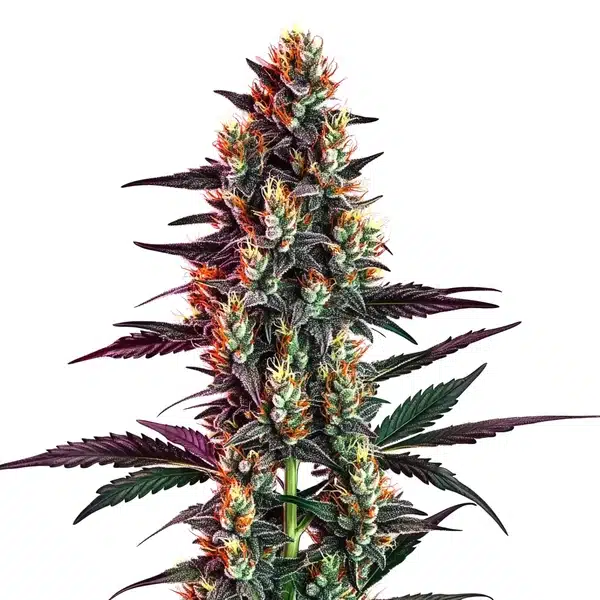
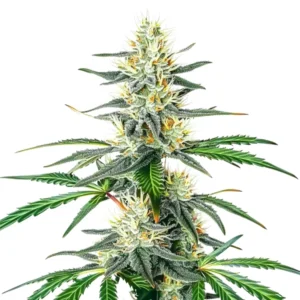
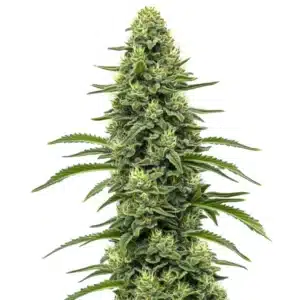
Gelato Regular

|
THC | 18% - 22% (Medium) |

|
Type | Regular |

|
Yield | High |

|
Phenotype | 50% Indica / 50% Sativa |
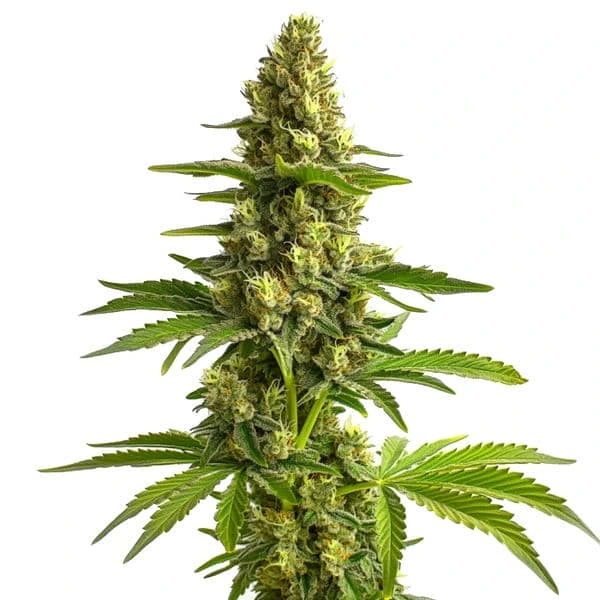
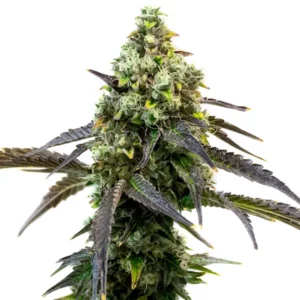
Bruce Banner #3
|
|
THC | 20% - 29% (High) |
|
|
Type | Feminized |
|
|
Yield | High |
|
|
Phenotype | 50% Indica / 50% Sativa |
Knowing Cannabis Chemotypes
Definition and Classification
Cannabis chemotypes are defined by their unique chemical compositions, primarily focusing on cannabinoid content such as THC and CBD. Knowing the relationship between cannabis chemotype vs VOC profile is essential, as volatile organic compounds and terpene expression also influence aroma, flavor, and overall effects. These chemotypes are classified into three main categories: THC-dominant, CBD-dominant, and balanced. THC-dominant chemotypes, such as those with 20-25% THC, are favored for their psychoactive effects, while CBD-dominant types, often containing 10-15% CBD, are sought for therapeutic benefits without the high.
Classification of cannabis chemotypes impacts cultivation strategies significantly. For instance, THC-dominant strains require precise light schedules, like 12/12 light cycles, to maximize resin production. Balanced chemotypes, with equal THC and CBD levels, often demand specific nutrient ratios, such as N:P:K 1:3:2 during flowering, to enhance cannabinoid synthesis.
Importance in Cultivation
Knowing chemotypes is crucial for growers aiming to optimize yield and potency. For example, selecting a THC-dominant chemotype like Bruce Banner 3 ensures high resin production, crucial for extractors. Cultivators often adjust environmental parameters, maintaining 20-25°C (68-77°F) and 50-60% RH, to enhance terpene profiles and cannabinoid content.
Experienced growers emphasize the importance of chemotype selection in achieving desired effects. Misidentifying chemotypes can lead to unexpected results, such as psychoactive effects when therapeutic outcomes are desired. Therefore, knowing the chemical profile is essential for aligning cultivation practices with consumer expectations.
Promos & Deals

Exploring VOC Profiles in Cannabis
What are VOCs?
Volatile Organic Compounds (VOCs) in cannabis are responsible for the plant’s distinct aroma and flavor. These compounds, including terpenes and flavonoids, evaporate easily at room temperature, contributing to the sensory experience. Common VOCs like limonene, found at 0.5-0.7%, impart citrus notes, while pinene, present at 0.2-0.5%, adds a pine-like scent.
VOCs play a significant role in the plant’s interaction with the environment, attracting pollinators and deterring pests. In cannabis, VOCs are concentrated in the trichomes, the resinous glands covering the flowers. Cultivators often enhance VOC production by maintaining optimal temperatures and humidity levels, such as 20-25°C (68-77°F) and 50-60% RH, during flowering.
Role in Aroma and Flavor
The VOC profile of a cannabis strain directly influences its aroma and flavor, impacting consumer preference. For instance, strains with high myrcene content, around 0.8-1.2%, offer earthy, musky aromas, enhancing the strain’s relaxing effects. Conversely, strains rich in limonene provide uplifting, citrusy scents, often associated with mood elevation.
Cultivators leverage VOC profiles to tailor strains to specific market demands. By selecting strains with desired terpene profiles, such as those high in caryophyllene (0.4-0.7%), growers can cater to consumers seeking spicy, peppery flavors. This strategic selection not only enhances consumer satisfaction but also boosts marketability.
Comparing Chemotypes and VOC Profiles
Differences and Similarities
While chemotypes and VOC profiles both define cannabis characteristics, they focus on different aspects. Chemotypes categorize based on cannabinoid content, influencing psychoactive and therapeutic effects. In contrast, VOC profiles highlight the aromatic and flavor components, shaping the sensory experience. Despite these differences, both play crucial roles in strain selection and cultivation strategies.
Knowing the interplay between chemotypes and VOC profiles aids in creating tailored cannabis experiences. For example, a THC-dominant chemotype with a high myrcene VOC profile may enhance relaxation, while a CBD-dominant chemotype with limonene could elevate mood. This synergy allows cultivators to meet diverse consumer needs effectively.
Practical Applications in Selection
Growers utilize chemotype and VOC profile information to select strains that align with consumer preferences and cultivation goals. For instance, a strain like Gelato Regular, known for its balanced chemotype and sweet, fruity VOC profile, appeals to both recreational and medicinal users.
When selecting strains, cultivators consider factors such as THC/CBD ratios and dominant terpenes to optimize yield and quality. Misalignment between chemotype and desired effects can lead to unsatisfactory results, underscoring the importance of informed selection. By leveraging chemotype and VOC data, growers can enhance both product quality and consumer satisfaction.

Professional Tips for Cultivators
- Maintain 20-25°C (68-77°F) during flowering to enhance terpene synthesis. Avoid temperatures above 27°C (80°F) as it can degrade terpenes.
- Use a 12/12 light schedule for photoperiod strains to maximize THC production. Deviating from this can reduce potency.
- Ensure RH stays between 50-60% to prevent mold while preserving aromatic compounds.
- Optimize nutrient ratios to 1:3:2 (N:P:K) during flowering for balanced chemotype development.
- Regularly calibrate pH meters to maintain soil pH between 6.0-7.0 for optimal nutrient absorption.
- Monitor trichome color using a magnifying glass; harvest when milky for peak potency.
FAQs about cannabis chemotype vs VOC profile
How do cannabis chemovars differ from chemotypes?
Cannabis chemovars refer to the chemical variations within a strain, often influenced by environmental factors. Chemotypes, however, are broader classifications based on predominant cannabinoid content, such as THC or CBD. Chemovars can vary within the same chemotype, with THC levels ranging from 18-25% in different environments.
Is cannabis a voc?
Cannabis itself is not a VOC, but it produces VOCs, including terpenes and flavonoids, which contribute to its aroma and flavor. These compounds are volatile, evaporating at room temperature, and can influence the plant’s interaction with the environment. Terpenes like limonene are present at 0.5-0.7% in many strains.
What are the chemotypes of cannabis?
Cannabis chemotypes are categorized by their cannabinoid content: THC-dominant, CBD-dominant, and balanced. THC-dominant types often contain 20-25% THC, while CBD-dominant types have 10-15% CBD. Balanced chemotypes feature equal THC and CBD levels, offering a mix of psychoactive and therapeutic effects.
What is the best terpene profile?
The best terpene profile depends on desired effects. Myrcene, at 0.8-1.2%, enhances relaxation, while limonene, at 0.5-0.7%, uplifts mood. Caryophyllene, found at 0.4-0.7%, offers anti-inflammatory benefits. Selecting a profile involves balancing these effects with personal preferences for aroma and flavor.
Can VOC profiles affect cannabis potency?
Yes, VOC profiles can influence perceived cannabis potency. Terpenes like myrcene facilitate THC absorption, enhancing psychoactive effects. A strain with 22-26% THC and high myrcene content may feel more potent than one with similar THC levels but different terpene profiles. Knowing these interactions is key for strain selection.