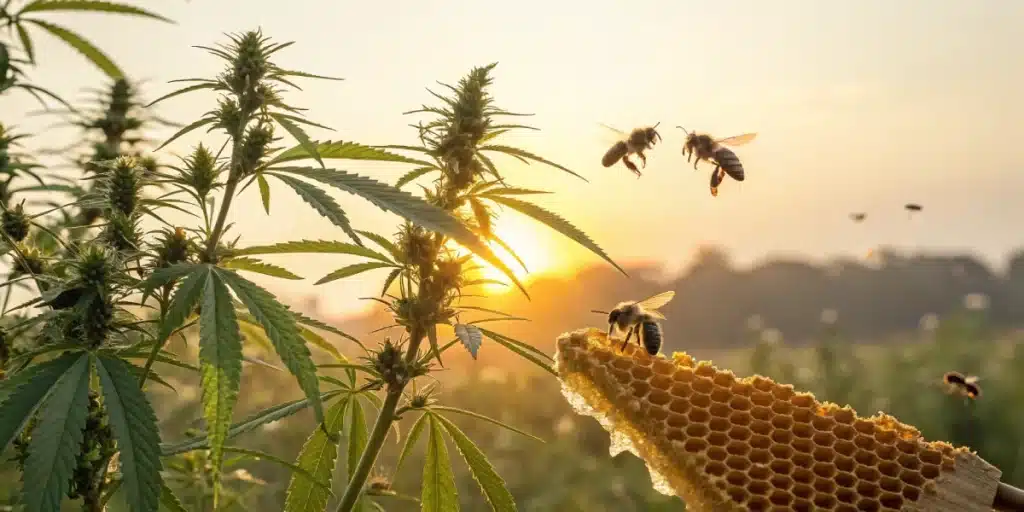
Canna Honey: What It Is, Benefits and How to Use It

Quick answer: Canna honey (cannahoney) is honey infused with activated cannabis, so it carries THC and/or CBD along with honey’s natural sweetness. It is made by decarboxylating cannabis and infusing it into honey, usually with a little oil, then straining. You can stir it into tea, coffee or food, or take it by the spoon. Because potency varies, start with a small amount and wait before having more.
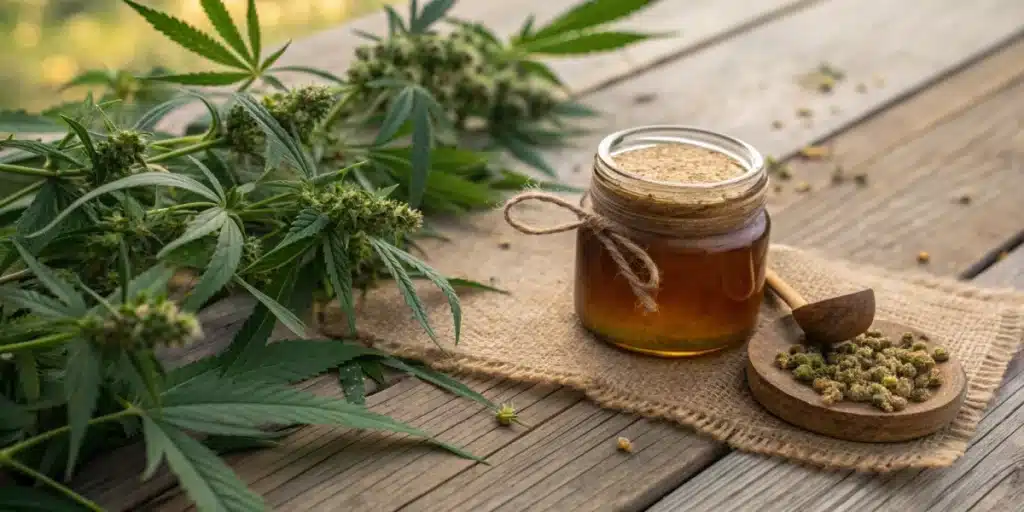
Canna honey, also written cannahoney or cannabis honey, is simply honey infused with cannabis. It combines honey’s natural sweetness and soothing qualities with the effects of cannabinoids like THC or CBD, making a versatile infusion you can add to almost anything. People love it because it is pleasant to take and easy to dose by the spoonful.
Recommended Strains

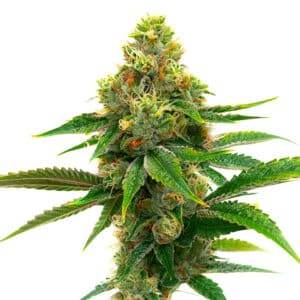
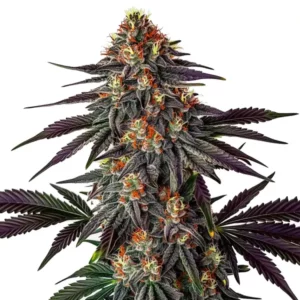
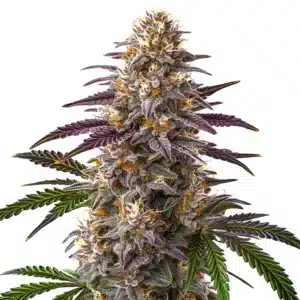
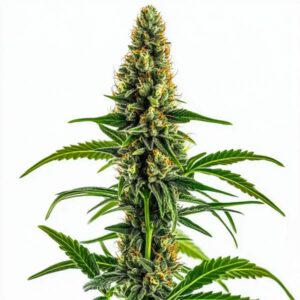
Motor Breath

|
THC | 30% - 33% (High) |

|
Type | Feminized |

|
Yield | Medium |

|
Phenotype | 70% Indica / 30% Sativa |

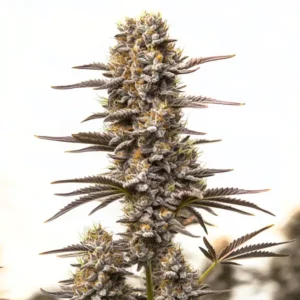
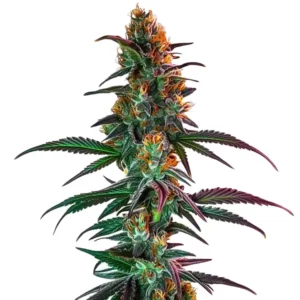
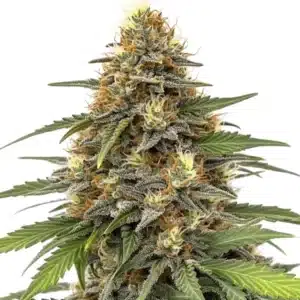
Motor Breath x Honey Drop
|
|
THC | 24% - 26% (High) |
|
|
Type | Feminized |
|
|
Yield | Medium |
|
|
Phenotype | 70% Indica / 30% Sativa |
Because cannabinoids are fat-soluble rather than water-soluble, canna honey is usually made with a little carrier oil to help the THC or CBD bind, then strained into the honey. Below we explain what canna honey is, how it is made, its uses and benefits, and the all-important point of dosing it safely.
| Canna honey at a glance | |
|---|---|
| What it is | Honey infused with activated cannabis (THC and/or CBD) |
| How it’s made | Decarbed flower infused into honey (often via oil/coconut oil), then strained |
| Ways to use | Tea, coffee, toast, dressings, straight by the spoon |
| Dosing | Varies by batch; start small (e.g. a small spoon) and wait 1-2 hours |
How Canna Honey Is Made
The process has two keys: activation and infusion. First the cannabis is decarboxylated, gently heated so its THCA and CBDA convert into active THC and CBD; skip this and the honey will not have much effect. Then the activated cannabis is infused into the honey, typically with the help of a small amount of oil (like coconut oil) because cannabinoids bind to fat, and the mixture is warmed gently and strained to remove plant material.
The golden rule is low, gentle heat throughout, boiling degrades both the cannabinoids and the honey. For the full step-by-step method, see our dedicated guide on how to make cannabis-infused honey, and for the decarb step, our guide on decarboxylation methods.
Promos & Deals
Benefits and Ways to Use Canna Honey
Canna honey is prized mainly for versatility and taste. You can stir it into tea or coffee, drizzle it over toast, yoghurt or desserts, whisk it into dressings and marinades, or simply take it by the spoon, honey’s flavour masks the cannabis taste well. It also stores well, since honey is naturally long-lasting.
As an edible, it offers the usual advantages of ingesting cannabis: a longer, body-forward effect compared with smoking, and no inhalation. Many people also like pairing it with a warm drink before bed. Keep expectations realistic and medical claims aside, it is a tasty, convenient way to consume cannabis, not a proven remedy, and effects are personal.
Dosing Canna Honey Safely
Dosing is the part to take seriously. Homemade canna honey varies a lot in strength, so treat it cautiously: start with a small amount (for example half a teaspoon), wait a full one to two hours before deciding whether to have more, and never judge by the first few minutes, edibles are slow. Measuring how much cannabis went into a known volume of honey helps you estimate a per-spoon dose, but treat it as an estimate.
Label the jar clearly so no one mistakes it for ordinary honey, and keep it well away from children and pets. For a gentler approach, see our guide on microdosing, and for another infused classic, our cannamilk recipe. This is general information, not medical advice.
Storing Canna Honey and Common Mistakes
Canna honey stores well, since honey is naturally long-lasting, but keep it in a sealed jar away from heat and direct light so the cannabinoids and flavour hold up, and stir before use because the infused oil can settle. Label it clearly and keep it apart from your regular honey so nobody doses by accident.
The most common mistakes are during the making: skipping decarboxylation (so the honey has little effect), using too much heat (which degrades both cannabinoids and honey), and not straining well (leaving a grassy taste). The other big one is impatience when eating it, taking more before the first dose kicks in. Make it gently, strain it properly, label it, and dose it slowly, and canna honey is one of the easiest, tastiest edibles to live with.
FAQs about Canna Honey
What is canna honey?
Canna honey (cannahoney) is honey infused with activated cannabis, so it carries THC and/or CBD plus honey’s sweetness. It is made by decarboxylating cannabis and infusing it into honey, usually with a little oil, then straining. You can add it to drinks or food, or take it by the spoon. Start with a small amount, since potency varies.
How do you use canna honey?
Stir it into tea or coffee, drizzle it over toast, yoghurt or desserts, whisk it into dressings, or take it straight by the spoon. Honey masks the cannabis taste well. As an edible it gives a slower, longer effect than smoking, so start with a small amount and wait one to two hours before more.
How long does canna honey take to work?
Like other edibles, canna honey is slow: effects usually begin within about 30 to 90 minutes and can take up to two hours, depending on you and your last meal. That delay is exactly why you should wait before taking more. It also lasts longer than smoking. Dose small, be patient, and keep it labelled and away from children.
How long does canna honey last?
Honey is naturally very shelf-stable, so canna honey keeps for a long time, often many months, stored sealed, cool and out of direct light. Stir before using, since the infused oil can separate, and keep it clearly labelled and away from children and pets. Discard it only if it smells or tastes off.
Is canna honey strong?
It can be, depending on how much cannabis went into it and how potent that was, and homemade batches vary a lot. Because honey masks the taste and edibles act slowly, it is easy to take too much, so start with a small spoon and wait one to two hours before more. Keep it labelled and away from children.