Stabilizing Aroma Traits in Cannabis Genetics: VOCs Explained

Stabilizing aroma traits in cannabis genetics: This process involves the use of volatile organic compounds (VOCs) to enhance aroma consistency. VOCs, including volatile sulfur compounds and cannabis thiols, play a crucial role in defining the plant’s scent profile. Through specific genetic techniques focused on stabilizing aroma traits in cannabis genetics VOCs, growers can achieve stable aroma traits, which are vital for both commercial success and therapeutic applications. These advancements ensure a reliable and distinctive aromatic experience.
In the realm of cannabis cultivation, aroma plays a pivotal role, driven by volatile organic compounds (VOCs) such as terpenes and thiols. These compounds contribute to the unique scent profiles that distinguish strains like GG4 and Durban Poison. By focusing on terpene synthesis and genetic stabilization, cultivators can ensure consistent aroma profiles, enhancing both consumer satisfaction and marketability.
Recommended Strains
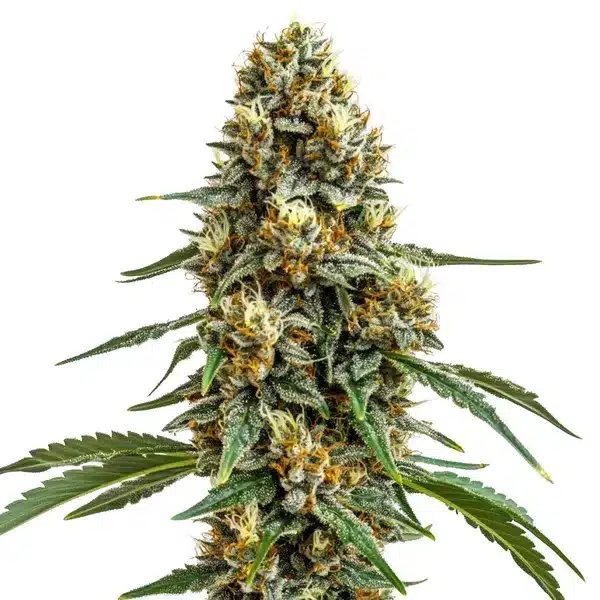
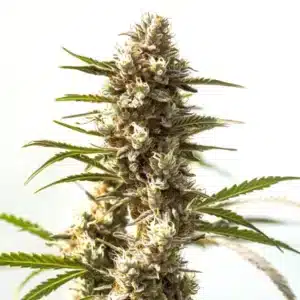
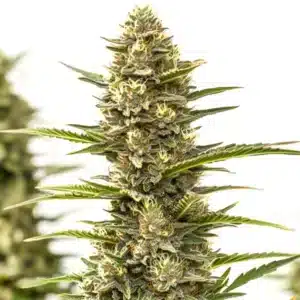
Durban Poison

|
THC | 15% - 25% (High) |

|
Type | Feminized |

|
Yield | High |

|
Phenotype | 10% Indica / 90% Sativa |

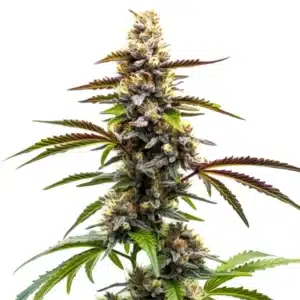
Chemdog #4
|
|
THC | 18% - 26% (High) |
|
|
Type | Feminized |
|
|
Yield | High |
|
|
Phenotype | 60% Indica / 40% Sativa |
VOCs in Cannabis: An In-Depth Look
What are VOCs?
Volatile organic compounds (VOCs) are a diverse group of carbon-based chemicals that easily evaporate at room temperature, contributing to the aroma of cannabis. These compounds include terpenes and thiols, which are responsible for the distinctive scents found in different strains. For example, myrcene and limonene are common terpenes that contribute to earthy and citrus aromas, respectively. Knowing these compounds is essential for stabilizing aroma traits in cannabis genetics VOCs and maintaining consistent aromatic profiles across generations.
In cannabis, VOCs are produced in the glandular trichomes, with concentrations varying between strains. For instance, myrcene can range from 0.8% to 1.2% in certain strains, influencing both aroma and potential therapeutic effects. The synthesis of these compounds is influenced by genetic and environmental factors, making stabilization a complex but rewarding challenge for growers.
Role of VOCs in Cannabis Aroma
VOCs are crucial in defining the aroma profiles of cannabis strains, impacting both consumer preference and therapeutic potential. The presence of terpenes like caryophyllene, which ranges from 0.4% to 0.7%, provides spicy and woody notes, enhancing the overall sensory experience. These compounds also interact with cannabinoids, potentially modifying effects through the entourage effect.
For cultivators, understanding the role of VOCs is essential for breeding programs aimed at enhancing aroma traits. Consistent VOC profiles can lead to more predictable consumer experiences and improved marketability. This requires careful selection of parent strains and precise cultivation techniques to maintain desired VOC levels.
Promos & Deals
Stabilizing Aroma Traits in Cannabis Genetics
Genetic Techniques for Aroma Stabilization
Stabilizing aroma traits in cannabis involves advanced genetic techniques such as selective breeding and backcrossing. These methods aim to fix desirable VOC profiles within a strain’s genetic makeup. For example, breeders might select parent plants with high levels of specific terpenes, ensuring these traits are passed on to offspring.
Through these techniques, growers can achieve consistent aroma profiles across harvests. This is particularly important for commercial growers who need to meet consumer expectations. By stabilizing VOCs, cultivators can produce strains with reliable scent profiles, enhancing both product quality and brand reputation.
Importance of Consistency in Aroma
Consistency in aroma is crucial for both consumer satisfaction and regulatory compliance. A stable aroma profile ensures that consumers receive the expected sensory experience with each purchase. This reliability can enhance brand loyalty and market success.
For cultivators, achieving consistency requires precise control over environmental conditions and genetic selection. Techniques such as cloning and tissue culture can help maintain stable VOC profiles, reducing variability between crops. This consistency is a key factor in building a successful cannabis brand.
Volatile Sulfur Compounds: A Key Player
How Volatile Sulfur Compounds Affect Aroma
Volatile sulfur compounds are key contributors to the skunky and sulfurous aromas in cannabis. These compounds, including prenylated volatile sulfur compounds, are present in trace amounts but have a significant impact on the overall scent profile. Their presence is often linked to the pungent, skunky notes found in strains like Chemdog 4.
These compounds interact with other VOCs to create complex aroma profiles. For cultivators, managing these compounds involves careful genetic selection and environmental control, ensuring that the desired aroma traits are expressed consistently across crops.
Examples of Cannabis Thiols
Cannabis thiols, such as 3-methyl-2-butene-1-thiol, are responsible for the distinctive skunky aroma in many strains. These compounds, although present in low concentrations, can dominate the scent profile due to their strong olfactory impact. Strains like GG4 are known for their robust thiol presence, contributing to their unique aroma.
Thiols interact with other VOCs to enhance the complexity of cannabis aromas. Cultivators aiming to stabilize these traits must focus on genetic consistency and environmental factors, ensuring that thiol levels remain within the desired range for each strain.
Practical Applications and Insights
Case Study: Stabilizing Aroma in GG4
GG4, known for its potent aroma, serves as an excellent case study for aroma stabilization. By focusing on genetic selection and environmental control, growers can maintain the strain’s signature earthy and pine notes. This involves selecting parent plants with high levels of caryophyllene and myrcene, ensuring these traits are passed on to subsequent generations.
Environmental factors such as temperature and humidity also play a crucial role in aroma stabilization. Maintaining optimal conditions, such as 68-77°F (20-25°C) and 50-60% RH, can enhance VOC expression, resulting in a more consistent aroma profile across harvests.
Future Trends in Aroma Stabilization
As the cannabis industry evolves, future trends in aroma stabilization will likely focus on advanced genetic techniques and precision agriculture. Technologies such as CRISPR and gene editing hold promise for creating strains with highly specific aroma profiles, tailored to consumer preferences.
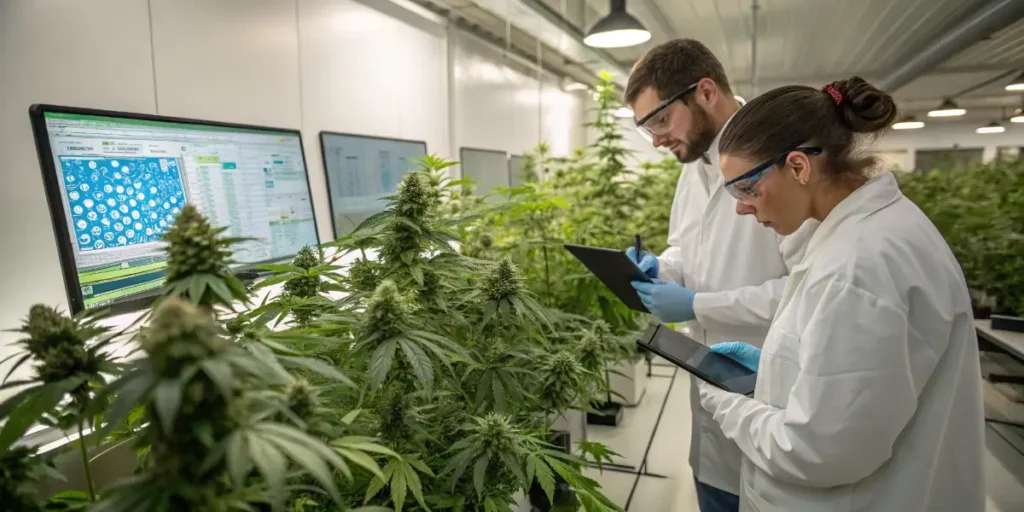
Additionally, the integration of data analytics and environmental monitoring systems can help cultivators optimize conditions for VOC expression, leading to more consistent and desirable aroma traits. These advancements will play a crucial role in the future of cannabis cultivation.
Professional Tips for Aroma Stabilization
- Maintain 68-77°F (20-25°C) during flowering to optimize VOC production. Temperatures outside this range can suppress terpene synthesis, leading to less aromatic buds.
- Ensure 50-60% RH to prevent mold while enhancing aroma. High humidity can lead to mold growth, which can degrade aroma quality.
- Use genetic testing to select parent plants with desired VOC profiles. This ensures consistency in aroma traits across generations.
- Implement CO2 enrichment at 1200-1500 ppm to boost terpene production. CO2 levels below 1000 ppm can limit VOC expression.
- Monitor soil pH at 6.0-6.5 to support nutrient uptake. Incorrect pH levels can lead to nutrient lockout, affecting plant health and aroma.
- Regularly calibrate environmental sensors to ensure accurate readings. Inaccurate data can lead to suboptimal growing conditions, impacting aroma stability.
FAQs about stabilizing aroma traits in cannabis genetics VOCs
Does cannabis emit VOCs?
Yes, cannabis naturally emits volatile organic compounds (VOCs), which contribute to its distinctive aroma. These include terpenes and thiols, with concentrations varying by strain. For instance, myrcene levels can range from 0.8% to 1.2%, influencing both scent and potential therapeutic effects.
Which of the following chemical classes contributes skunky and sulfurous aromas to cannabis?
Volatile sulfur compounds are primarily responsible for skunky and sulfurous aromas in cannabis. These compounds, such as 3-methyl-2-butene-1-thiol, are present in small amounts but have a significant olfactory impact, defining the scent profile of many strains.
What are the aromatic chemicals that give cannabis cultivars their unique aromas and enhance the therapeutic value of cannabis medicines?
Terpenes and thiols are key aromatic chemicals in cannabis, providing unique aromas and enhancing therapeutic value. For example, limonene offers citrus notes and potential anti-anxiety effects, while caryophyllene contributes spicy aromas and anti-inflammatory properties.
What terpenes are good for fibromyalgia?
Terpenes like myrcene and caryophyllene may benefit fibromyalgia patients. Myrcene, ranging from 0.8% to 1.2%, has sedative properties, while caryophyllene, at 0.4% to 0.7%, offers anti-inflammatory effects, potentially alleviating pain and discomfort associated with fibromyalgia.
How can genetic techniques improve aroma consistency in cannabis?
Genetic techniques such as selective breeding and backcrossing can improve aroma consistency by stabilizing VOC profiles. By selecting parent plants with desired aroma traits, growers can ensure these characteristics are reliably expressed in offspring, enhancing product quality.