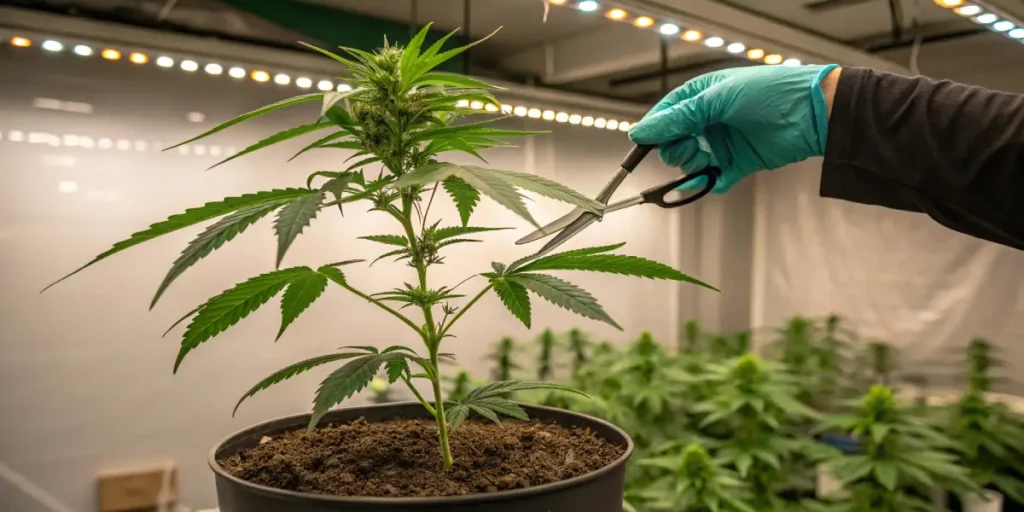
When to Top Autoflower Cannabis for Best Yields

Optimal Topping Time for Autoflowers: Topping autoflower cannabis plants is best done during the vegetative stage, ideally between the third and fifth node. This timing ensures the plant has sufficient time to recover before the flowering phase begins. Properly timed topping can boost yield by up to 20%, making it a valuable technique for seasoned growers aiming to maximize their harvest.
Autoflower cannabis strains, known for their rapid growth, require precise timing for topping to enhance yields. With terpenes like Myrcene and Limonene contributing to their unique profiles, these strains typically flower within 70-80 days from seed. Understanding the right moment to top can significantly impact the plant’s structure and final yield.
Recommended Strains

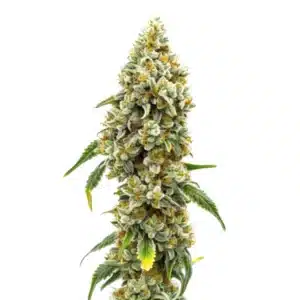
Blue Cheese

|
THC | 16% - 20% (Medium) |

|
Type | Feminized |

|
Yield | High |

|
Phenotype | 80% Indica / 20% Sativa |
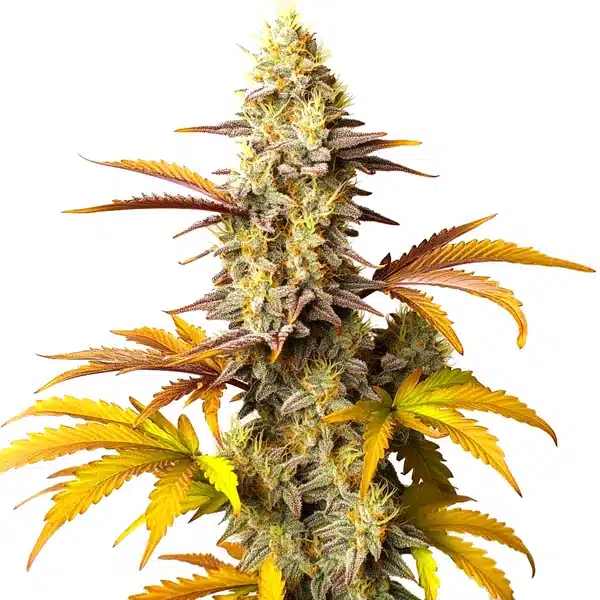
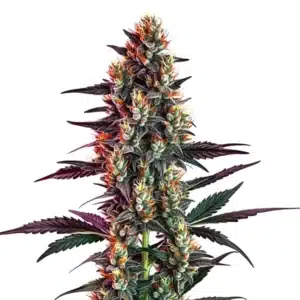
Blue Cheese Autoflower
|
|
THC | 14% - 16% (Medium) |
|
|
Type | Autoflowering |
|
|
Yield | High |
|
|
Phenotype | 80% Indica / 20% Sativa |
Topping in Autoflowers: A Closer Look
What is Topping?
Topping is a horticultural technique where the main stem of a cannabis plant is cut to promote bushier growth. This method encourages the plant to develop multiple main colas instead of one, optimizing light exposure and airflow. In autoflowers, topping must be executed with precision due to their fixed life cycle, which limits recovery time.
When topping, it’s crucial to cut above the third to fifth node to avoid stunting growth. This method shifts the plant’s energy from vertical to lateral growth, enhancing light penetration and potentially increasing yield. However, improper timing can lead to stress, affecting the plant’s health and productivity.
Can Autoflowers Be Topped?
Yes, autoflowers can be topped, but it requires careful consideration. Unlike photoperiod plants, autoflowers have a predetermined life cycle, meaning any stress can impact their development. Topping should be reserved for robust strains with strong genetics, such as those offered by Blimburn Seeds, which can withstand the stress and recover efficiently.
For beginners, low-stress training (LST) might be a safer alternative. LST involves bending and securing branches to enhance light exposure without the high stress of topping. This technique can still achieve similar results without risking the plant’s growth cycle.
Promos & Deals
Optimal Timing for Topping Autoflowers
When to Top an Autoflower
The best time to top an autoflower is during its vegetative stage, specifically when the plant has developed three to five nodes. This stage is crucial because the plant is still focused on growth rather than flowering, allowing it to recover from the stress of topping. Missing this window can lead to reduced yields and stunted growth.
Autoflowers transition to flowering quickly, typically within 30-35 days from germination. Topping too late, when the plant is already flowering, can disrupt bud development and reduce overall yield. Monitoring the plant’s growth closely ensures you don’t miss the optimal topping window.
Signs Your Autoflower Is Ready
Identifying the right moment to top involves observing specific plant characteristics. Look for a robust plant with three to five healthy nodes. The leaves should be broad and vibrant green, indicating strong health. Vigorous growth without signs of stress or nutrient deficiencies is a good indicator that the plant can handle topping.
Attempting to top a weak or stressed plant can exacerbate existing issues, leading to poor recovery and diminished yields. Ensure your plant is thriving before applying any high-stress training techniques like topping.
| Feature | Amnesia Haze Auto | Blue Dream Auto | Critical Auto |
|---|---|---|---|
| THC Content | 20-22% | 18-22% | 16-20% |
| Dominant Terpene | Myrcene | Pinene | Caryophyllene |
| Yield (oz/ft²) | 1.5-1.8 | 1.2-1.5 | 1.8-2.0 |
| Flowering Time (days) | 70-75 | 65-70 | 60-65 |
| Growth Height (inches) | 24-36 | 30-40 | 20-30 |
Techniques and Tools for Topping
Step-by-Step Guide to Topping
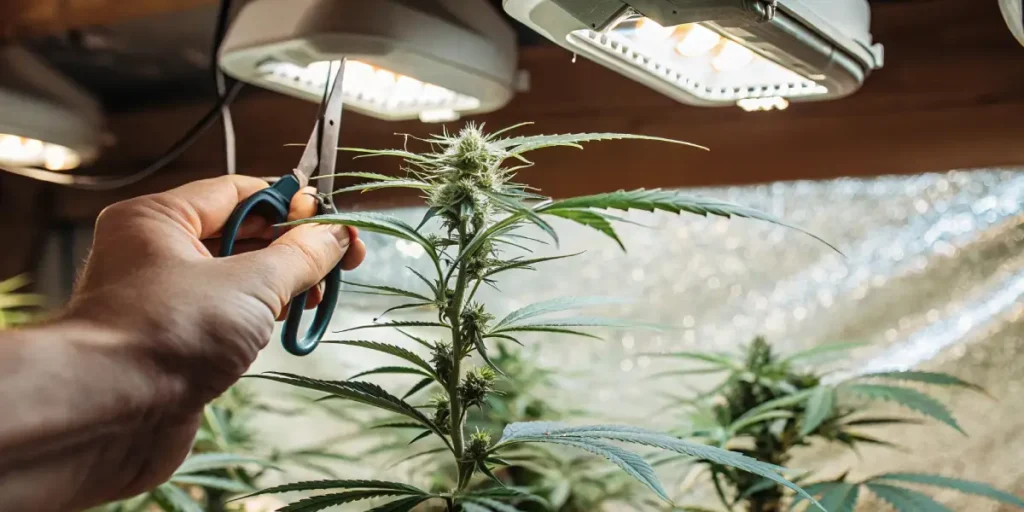
To top an autoflower successfully, begin by identifying the main stem and locating the topmost growth point above the third to fifth node. Use sharp, sterilized scissors to make a clean cut at this point. This precision minimizes stress and promotes rapid recovery, allowing the plant to redirect energy towards lateral growth.
Ensure the cut is clean to prevent infection and stress. The plant should be healthy and vigorous, with no signs of nutrient deficiencies or pest infestations. Proper technique and timing are crucial to avoid stunting growth and to maximize yield potential.
Essential Tools for Topping
Having the right tools is essential for successful topping. You’ll need sharp, sterilized scissors or pruning shears to ensure clean cuts. Disinfectant or rubbing alcohol is necessary for sterilizing tools to prevent infections. Gloves are recommended to avoid transferring oils or contaminants to your plant.
Gather all tools in advance to ensure a smooth process. This preparation reduces the risk of mistakes and ensures your plant can recover quickly. Remember, a clean cut is vital for minimizing stress and promoting healthy growth.
Post-Topping Care and Alternatives
Caring for Your Plant After Topping
Post-topping care is crucial for your plant’s recovery. Ensure optimal lighting conditions, providing at least 800-1000 µmol/m²/s, to promote healthy growth. Monitor humidity and temperature, maintaining 58-62% RH and 68-77°F (20-25°C), to reduce stress and support recovery.
Use balanced nutrients with an N:P:K ratio of 3:1:2 during the vegetative stage to support new growth. Proper care ensures your plant bounces back quickly, ready to produce multiple colas and maximize yield.
Alternatives to Topping: LST and More
Low-Stress Training (LST) is a popular alternative to topping. This technique involves gently bending and securing branches to create an even canopy, improving light distribution and airflow without the high stress of topping. LST can achieve similar results, promoting bushier growth and potentially higher yields.
Defoliation is another alternative, focusing on removing excess leaves to enhance light penetration and airflow. This method improves the plant’s environment rather than altering its structure, making it a less invasive option for maximizing yields.
FAQs About Topping Autoflowers
What stunts autoflower growth?
Autoflower growth can be stunted by stress factors such as improper topping, nutrient deficiencies, and environmental fluctuations. Maintaining consistent temperatures between 68-77°F (20-25°C) and stable humidity levels of 58-62% RH is crucial. Overwatering and poor lighting can also hinder growth, reducing yield potential significantly.
How to fatten up autoflower buds?
To fatten up autoflower buds, ensure optimal nutrient levels, particularly phosphorus and potassium, during the flowering stage. Maintain a light intensity of 800-1000 µmol/m²/s to promote bud development. Regular defoliation can improve light penetration, enhancing bud size and density.
Does topping really increase yield?
Topping can increase yield by promoting lateral growth and multiple main colas. If done correctly, it can boost yields by up to 20%. However, the timing must be precise, ideally during the vegetative stage, to ensure the plant has ample time to recover before flowering.
Should you remove fan leaves on autoflower?
Removing fan leaves can improve light penetration and airflow, especially in dense canopies. However, excessive defoliation can stress the plant, reducing its ability to photosynthesize. Aim to remove only leaves that block light to lower buds, maintaining a balance for optimal growth.
What are the best autoflower strains for topping?
Strains with robust genetics, like those from Blimburn Seeds, are ideal for topping. Consider strains such as Amnesia Haze Auto, Blue Dream Auto, and Critical Auto. These strains can handle the stress of topping and recover efficiently, maximizing yield potential.