Can Too Much Light Cause Leaf Chlorosis in Weed? Expert Insights

Can too much light cause leaf chlorosis in weed? This question often puzzles both first-time cannabis growers and seasoned cultivators. Leaf chlorosis, or the yellowing of leaves, can be a sign of various issues, and excessive lighting might just be one of them. When the light intensity exceeds the plant’s capacity to utilize it, the result can be a stressed plant.
Excessive light causing chlorosis in cannabis isn’t as uncommon as you might think. When marijuana plants are exposed to intense light for prolonged periods, they can suffer from light stress. This stress often manifests through symptoms like yellowing leaves, reduced growth, and, in severe cases, plant death. But how does too much light impact weed leaves in practical terms, and what can you do about it?
Recommended Strains


For a real-world example, consider a grower who uses high-intensity discharge lamps. While these lamps are excellent for providing the energy plants need, they can also lead to overexposure to light and cannabis chlorosis if not managed carefully. Knowing how to balance light input with plant needs is key to healthy growth.
Identifying Light Stress Symptoms in Marijuana Plants
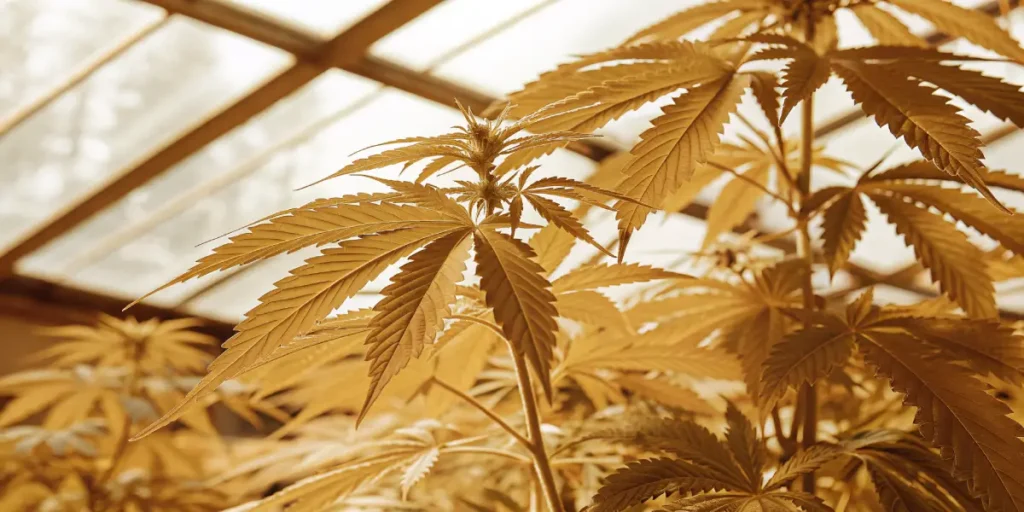
Recognizing light stress symptoms in marijuana plants is crucial for preventing damage. One of the primary indicators is cannabis leaf yellowing from high light exposure. Many growers ask can too much light cause leaf chlorosis in weed, and the answer is yes when light hits the plant at levels beyond its processing ability, the chlorophyll in the leaves breaks down, leading to yellow or bleached leaves.
Another symptom of too much light impact on weed leaves is the curling or tacoing of leaves. This occurs as the plant tries to protect itself from the excess light, reducing the surface area exposed. If you notice these signs, it might be time to reassess your lighting strategy.
- Yellowing or bleaching of leaves
- Curling or tacoing of leaves
- Slowed or stunted growth
Besides to the visible signs of light stress, it is important to observe the overall vigor of the plant. A plant struggling with excessive light causing chlorosis in cannabis may also display signs of nutrient uptake issues, as the stress affects its ability to absorb nutrients efficiently. This can lead to further complications if not addressed promptly.
Knowing the environmental conditions that contribute to light stress symptoms in marijuana plants can help growers take proactive measures. Factors such as heat buildup, humidity levels, and airflow play significant roles in how plants react to light. By maintaining an ideal environment, you can reduce the risk of overexposure to light and cannabis chlorosis.
Adjusting Light Levels for Optimal Growth
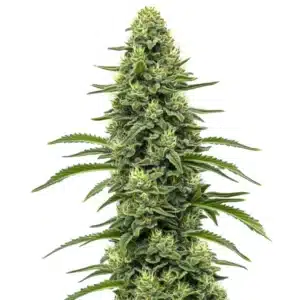
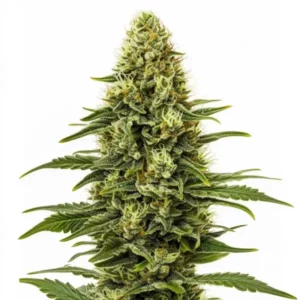
To prevent excessive light causing chlorosis in cannabis, it’s essential to adjust your grow lights appropriately. Different strains have varying light requirements. For instance, the Blimburn Seeds strain, GG4, thrives under moderate light conditions, making it perfect for beginners.
When adjusting lights, keep a close eye on the distance between your plants and the light source. Too close, and you risk light stress; too far, and your plants might not get enough energy. A general rule of thumb is to start with lights about 18 to 24 inches away and adjust based on plant response.
Incorporating automated lighting systems can simplify the process of managing light intensity and duration. These systems allow for precise control over light levels, ensuring that plants receive the optimal amount of light without risking stress. By automating light adjustments, growers can focus more on other aspects of plant care.
Additionally, experimenting with different light spectrums can help optimize growth and reduce the risk of excessive light stress on weed leaves. Many growers ask, can too much light cause leaf chlorosis in weed, and the answer is yes especially when intensity or distance is not properly managed. Full-spectrum LED lights, for example, offer a balanced light output that mimics natural sunlight, providing plants with a comprehensive range of wavelengths necessary for various growth stages.
Promos & Deals
Choosing the Right Cannabis Strain
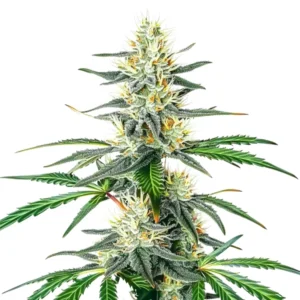
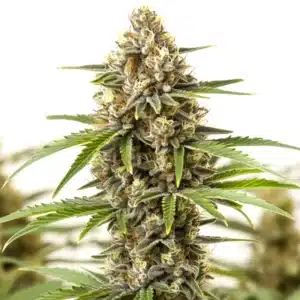
Choosing a suitable cannabis strain can significantly affect how your plants respond to lighting conditions. Some strains are more resilient to intense light than others. For example, the Zkittlez strain from Blimburn Seeds is known for its robust nature, making it less susceptible to light stress.
When selecting a strain, consider factors such as your grow space, available equipment, and the natural climate of your area. These elements can dictate how much light your plants will need and how you should adjust your setup to prevent overexposure.
- GG4: Moderate light needs, beginner-friendly
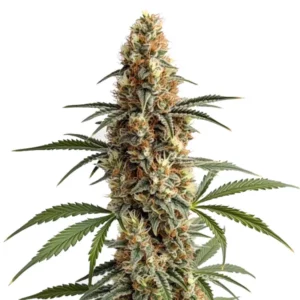
- Tangie: Requires precise light management
- Zkittlez: Resilient to intense light conditions
Knowing the genetic background of your chosen cannabis strain can provide insights into its light tolerance. Strains with origins in sunny climates may naturally adapt better to high light conditions compared to those bred in shadier environments. This knowledge can guide your decision-making process.
Engaging with the growing community, such as forums or local cannabis clubs, can also offer valuable advice on strain selection. Experienced growers can share their insights and experiences with specific strains, helping you make an informed choice that aligns with your growing conditions and goals.
Implementing Preventative Measures
Implementing preventative measures is key to avoiding light-induced chlorosis. Start by gradually acclimating your plants to higher light levels. This process, known as hardening off, helps strengthen the plant’s resilience to environmental stressors.
Consider using reflective materials to maximize light distribution without increasing intensity. Materials like Mylar or white paint can help spread light evenly, ensuring all parts of the plant receive adequate exposure without risking overexposure to light and cannabis chlorosis.
Regularly rotating plants can ensure even light exposure, preventing any single side or part from receiving too much light. This simple step can help mitigate the risk of localized light stress and promote uniform growth throughout the plant.
Monitoring advancements in lighting technology can offer new solutions for preventing excessive light causing chlorosis in cannabis. Many growers ask can too much light cause leaf chlorosis in weed, and innovations such as dynamic lighting systems that adjust based on plant needs or environmental conditions can significantly reduce the likelihood of light stress symptoms in marijuana plants.
FAQs about can too much light cause leaf chlorosis in weed
What causes leaf chlorosis in cannabis?
Leaf chlorosis in cannabis is often caused by a nutrient deficiency, but environmental factors like too much light can also play a role. When plants receive excessive light, they can become stressed, leading to the breakdown of chlorophyll and yellowing leaves.
To address this, ensure your plants receive the right balance of nutrients and adjust lighting conditions to prevent overexposure. Regular monitoring and adjustments can help maintain plant health and vitality.
In some cases, leaf chlorosis may be a combination of multiple stressors, including pests, diseases, and improper watering. Conducting a thorough assessment of your growing conditions can help identify and address the root cause of chlorosis more effectively.
Implementing a comprehensive plant care routine, which includes regular checks for pests and diseases along with appropriate watering schedules, can complement your lighting adjustments. This holistic approach can prevent the recurrence of chlorosis and promote healthier plants.
How can I tell if my cannabis has too much light?
Signs that your cannabis is receiving too much light include yellowing or bleaching of leaves, curling or tacoing of leaves, and slowed growth. If you observe these symptoms, consider increasing the distance between your plants and the light source.
Using a light meter can provide precise measurements of light intensity, helping you make informed adjustments. Ensuring optimal light levels will promote healthy growth and reduce the risk of light stress.
An additional method for assessing light stress is observing the plant’s response to lighting changes over time. If growth improves after reducing light intensity, it’s a clear indication that excessive light was impacting the plant negatively.
Engaging with experienced growers or consulting with experts in cannabis cultivation can provide further insights into interpreting light stress symptoms in marijuana plants. Their expertise can guide you in implementing effective solutions tailored to your specific growing environment.
Which cannabis strains are best for high light environments?
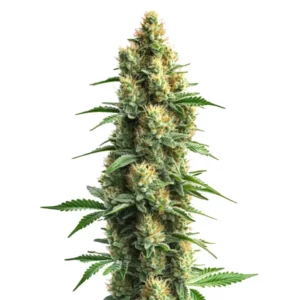
Some cannabis strains are more resilient to high light environments than others. For example, the Future #1 strain from Blimburn Seeds is known for its ability to thrive under intense lighting conditions.
When selecting a strain, consider your growing conditions and choose one that matches your setup. Experimenting with different strains can help you find the best fit for your environment.
Researching strains that have been specifically bred for high light tolerance can also be beneficial. These strains often come with detailed growing guides that provide insights into optimizing light conditions for maximum yield and quality.
Participating in seed exchange programs or attending cannabis expos can expose you to a variety of strains that might suit high light environments. Networking with other cultivators can lead to discovering new strains and techniques to enhance your growing experience.
Can light stress be reversed in cannabis plants?
Yes, light stress can often be reversed if caught early. The first step is to reduce light intensity or increase the distance between the light source and the plants. This allows the plant to recover and regain its health.
Additionally, ensuring proper nutrient levels and environmental conditions can support recovery. Regular monitoring and adjustments will help prevent future light stress and promote robust plant growth.
Implementing stress-reducing practices, such as using plant supplements or organic stress relievers, can aid in the recovery process. These products can enhance the plant’s natural defense mechanisms, facilitating quicker recovery from light stress.
Consistent observation and documentation of your plants’ responses to changes in light conditions can provide valuable insights into effective recovery strategies. This information can guide future adjustments and prevent recurrence of stress symptoms.
What role do reflective materials play in preventing light stress?
Reflective materials like Mylar or white paint help distribute light evenly across the grow space. This ensures that all parts of the plant receive adequate light without increasing intensity, reducing the risk of light stress.
By optimizing light distribution, reflective materials can improve overall plant health and growth. Implementing these materials is a practical way to maximize light efficiency and prevent chlorosis caused by excessive light.
Incorporating reflective materials in your grow setup can also lead to energy savings, as they allow you to use lower light intensities while still achieving effective coverage. This can contribute to a more sustainable and cost-effective growing operation.
Strategically placing reflective surfaces can enhance light penetration to lower parts of the plant, promoting balanced growth and reducing the risk of shaded areas developing deficiencies. This comprehensive light management approach supports healthier and more productive plants.