Blackish Weed: Unique Traits and Cultivation Insights

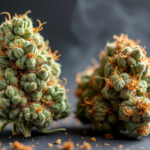
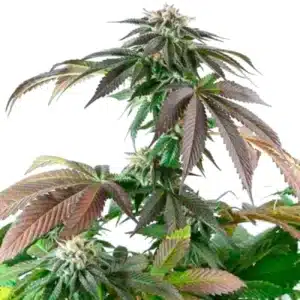
Blackish Weed Characteristics: Blackish weed is distinguished by its dark appearance, primarily due to anthocyanins, pigments that become prominent in cooler climates. These pigments are more visible when cannabis is grown at high altitudes or during cooler autumn months. Genetics also play a crucial role, with certain strains naturally predisposed to develop these darker hues.
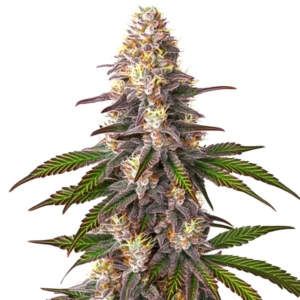
Blackish weed captivates with its unique dark hues and intriguing terpene profiles. Unlike typical green strains, these dark marijuana strains often exhibit rich flavors and potent effects. The flowering period can vary, with some strains maturing in 8-10 weeks, offering a complex bouquet of aromas. Dive into the world of black weed buds and discover their distinct allure.
Recommended Strains

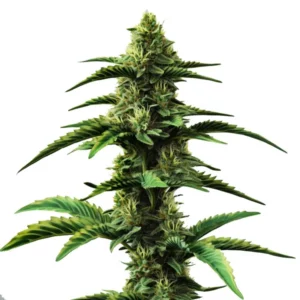
Black Domina

|
THC | 15% - 20% (Medium) |

|
Type | Feminized |

|
Yield | High |

|
Phenotype | 95% Indica / 5% Sativa |

Black Cherry Soda
|
|
THC | 15% - 20% (Medium) |
|
|
Type | Feminized |
|
|
Yield | Low |
|
|
Phenotype | 50% Indica / 50% Sativa |
What is Blackish Weed?
The Science Behind the Color
Blackish weed owes its unique coloration to anthocyanins, which are pigments responsible for red, purple, and black hues in plants. These pigments become more pronounced in cannabis when grown in cooler environments, especially at altitudes above 2,300 feet (700 meters). The drop in temperature during the flowering stage triggers the production of anthocyanins, resulting in the dark color.
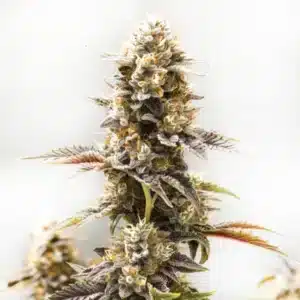
Anthocyanins not only contribute to the plant’s visual appeal but also offer potential health benefits due to their antioxidant properties. When temperatures fall below 68°F (20°C) at night, these pigments intensify, creating the striking appearance of dark colored weed strains. This phenomenon is more common in strains with a genetic predisposition for high anthocyanin levels.
Environmental and Genetic Factors
Environmental factors such as temperature and altitude significantly influence the development of blackish weed. Cooler climates enhance anthocyanin production, while high altitudes provide the necessary stress to activate these pigments. The genetic makeup of certain strains, like Black Domina or Black Afghan, naturally supports this coloration.
Choosing the right strain is crucial for growers aiming to produce black weed strain. Genetics dictate the plant’s response to environmental conditions, making it essential to select strains known for their dark color weed traits. Understanding the interplay between genetics and environment helps in achieving the desired dark weed plant appearance.
Physiological Benefits of Anthocyanins
Anthocyanins are not only responsible for the dark hues but also have physiological benefits. They are known for their antioxidant properties, which can help reduce oxidative stress in the body. This can potentially lead to anti-inflammatory effects, making blackish weed a subject of interest for therapeutic applications. The presence of these pigments can also influence the plant’s interaction with light, affecting photosynthesis efficiency and potentially enhancing the plant’s overall health.
Promos & Deals
Identifying Quality in Blackish Weed
Trichomes and Aroma Indicators
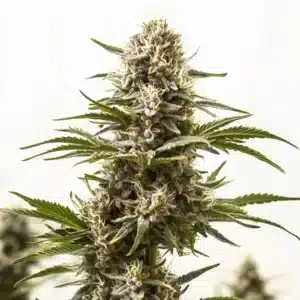
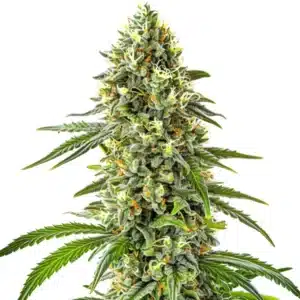
Quality blackish weed is characterized by abundant trichomes, the tiny crystal-like structures that indicate high cannabinoid content. These trichomes should be visible and sticky, suggesting potency. The aroma is another indicator; a rich, complex scent without musty or off-putting odors signals a well-cultivated product.
When assessing blackish weed, look for a strong aroma profile. This can range from earthy and spicy to sweet and fruity, depending on the dominant terpenes. For example, myrcene contributes an earthy scent and enhances THC uptake, while caryophyllene offers a spicy aroma and anti-inflammatory effects.
Popular Dark Colored Weed Strains
Some of the most popular dark weed strains include Black Domina, Black Afghan, and Black Widow. These strains are renowned for their deep coloration and unique effects. Black Domina, for instance, is an indica-dominant strain with a rich, earthy flavor profile, while Black Afghan offers a spicy, hash-like aroma.
Choosing the right strain depends on your desired effects and flavor preferences. Each strain offers a distinct experience, from the relaxing effects of Black Domina to the cerebral high of Black Widow. Exploring these strains can enhance your cannabis experience, offering both visual appeal and potent effects.
Historical Context of Dark Weed Strains
| Feature | Black Domina | Black Afghan | Black Widow |
|---|---|---|---|
| THC Content | 20-24% | 18-22% | 17-21% |
| Dominant Terpene | Myrcene | Caryophyllene | Limonene |
| Aroma Profile | Earthy, Spicy | Spicy, Hash | Sweet, Citrus |
| Flowering Time | 7-8 weeks | 8-9 weeks | 8-10 weeks |
| Yield | 1.5-1.8 oz/ft² (450-550 g/m²) | 1.2-1.5 oz/ft² (350-450 g/m²) | 1.3-1.6 oz/ft² (400-500 g/m²) |
Dark strains of weed have a rich history, often linked to regions with cooler climates where anthocyanins naturally thrive. Historically, these strains were cultivated in areas like the Hindu Kush mountains, where the environment favored the development of dark pigments. This historical cultivation has led to the selection of strains that not only survive but thrive in such conditions, resulting in the diverse range of blackish weed available today.
Professional Tips for Growing Blackish Weed
- Maintain nighttime temperatures below 68°F (20°C) to enhance anthocyanin production. Avoid temperatures below 55°F (13°C) to prevent plant stress.
- Use a digital hygrometer to keep humidity levels at 50-60% during flowering. High humidity can lead to mold, while low humidity may stunt growth.
- Select strains with a genetic predisposition for dark hues, such as Black Domina or Black Afghan, to ensure the desired coloration.
- Provide 800-1000 µmol/m²/s of light during peak flowering to support bud development and enhance color.
- Ensure proper airflow in your grow space to prevent mold and mildew, especially in cooler environments.
- Use a balanced N:P:K ratio of 1:3:2 during flowering to support robust bud development and color intensity.
Advanced Cultivation Techniques
For those looking to maximize the potential of blackish weed, advanced techniques such as controlled stress can be employed. This involves carefully manipulating environmental factors like light and temperature to encourage anthocyanin production. Additionally, the use of CO2 enrichment can enhance photosynthesis, leading to more vigorous growth and potentially richer coloration.
FAQs About Blackish Weed
What does it mean if my weed is black?
Black weed typically indicates high anthocyanin levels, pigments that develop in cooler climates. These pigments give the plant its dark appearance. While not all black weed is potent, it often suggests a unique genetic background or specific growing conditions, such as high altitude or cool temperatures, which enhance these pigments.
Is there a strain of weed that is black?
Yes, strains like Black Domina and Black Afghan are known for their dark, almost black appearance. These strains have been bred to express high levels of anthocyanins, especially when grown in cooler climates. Their unique coloration is complemented by distinct flavor profiles and potent effects.
Is black weed good or bad?
Black weed is not inherently good or bad; its quality depends on cultivation practices and genetic makeup. High-quality black weed should have abundant trichomes and a complex aroma. The dark color itself does not guarantee potency, so evaluate other factors like cannabinoid content and aroma.
Can I use blackish weed in edibles?
Yes, blackish weed can be used in edibles, offering unique flavors and effects. Ensure proper decarboxylation at 220°F (104°C) for 30-45 minutes to activate cannabinoids. The rich terpene profile can enhance the taste of your edibles, providing a distinctive culinary experience.