Best Soil for Autoflowers Outdoor: A Complete Overview

Quick answer: the best soil for outdoor autoflowers is a light, well-draining, living mix rich in organic matter, with a slightly acidic pH around 6.0 to 6.5 and gentle, balanced nutrition. Autoflowers grow fast and dislike heavy feeding, so an airy, biologically active soil beats a hot, dense one.
Below we cover what makes soil ideal, organic options, pH and nutrients, preparation and amendments, and long-term soil health. For feeding, see our guide to basic cannabis nutrients.
Recommended Strains
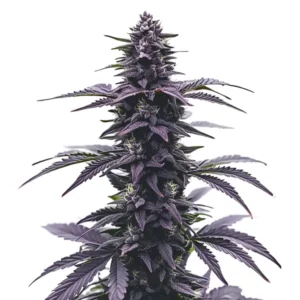
Amnesia Haze

|
Type | Feminized |

|
THC | 18% - 22% (Medium) |

|
Phenotype | 30% Indica / 70% Sativa |

|
Yield | High |

Amnesia Haze Auto
|
|
Type | Autoflowering |
|
|
THC | 16% - 17% (Medium) |
|
|
Phenotype | 25% Indica / 75% Sativa |
|
|
Yield | Medium |
Why Soil Quality Matters for Autoflowers
Autoflowers have a short, fixed life cycle, so they cannot recover from a bad start the way photoperiod plants can. The soil they go into largely decides their vigor, size and yield, which is why getting it right from day one matters so much.
The Foundation of a Good Grow
Soil does more than hold the plant up. It stores water and air, hosts the microbes that feed roots, and buffers pH. Poor soil, too dense, too wet or lifeless, stunts autoflowers quickly, while a light, living mix lets roots breathe and feed steadily. Because autos race from seed to harvest, strong soil is the single best investment in your outdoor crop.
Key Soil Characteristics
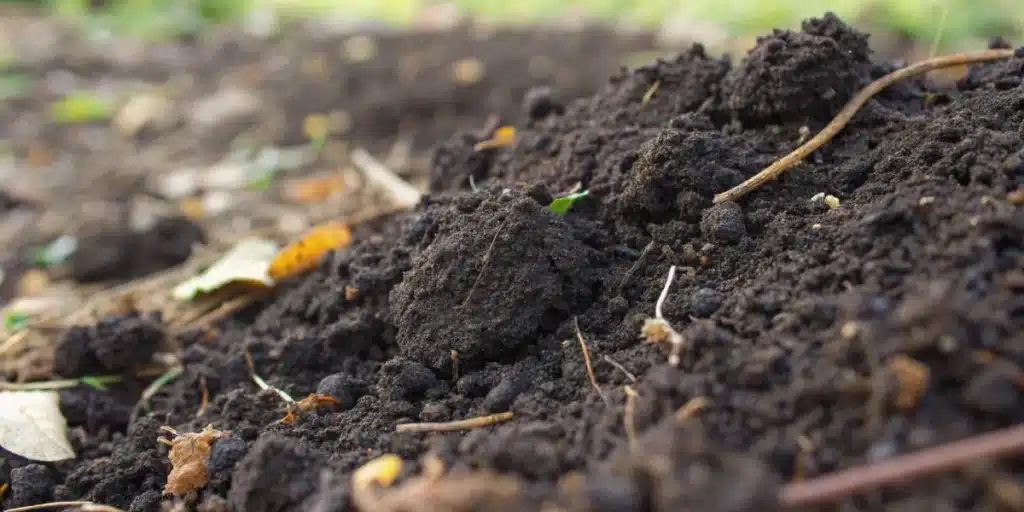
Look for good drainage, aeration and water retention in balance: soil that holds moisture but never stays soggy. Additions like perlite and coco improve airflow, while compost and worm castings add life and gentle nutrition. A crumbly, dark, sweet-smelling mix that drains freely is what you want for autoflowers.
Promos & Deals
Organic Soil Options for Outdoor Autoflowers
Organic, living soil suits autoflowers especially well because it feeds them slowly and gently, matching their low nutrient needs. Here is why organic matter helps and which mixes work.
Benefits of Organic Matter
Organic matter like compost, worm castings and aged manure feeds soil life, improves structure and releases nutrients slowly. That slow release is ideal for autoflowers, which burn easily on strong synthetic feeds. Living soil also buffers pH and holds moisture, giving plants a steadier, more forgiving environment with less input from you.
Good Organic Soil Mixes
A reliable autoflower mix blends a quality base soil with perlite for drainage, coco or peat for structure, and compost or worm castings for life and light feeding. Many growers use a well-regarded bagged living soil and lighten it with extra perlite. Avoid heavily pre-fertilized soils, which can be too hot for young autos.
pH and Nutrient Balance Outdoors
Even great soil underperforms if pH is off, because pH controls which nutrients roots can absorb. Here are the targets for autoflowers.
Ideal pH Levels
For soil-grown autoflowers, aim for a slightly acidic root zone around 6.0 to 6.5. In that range, nutrients stay available and deficiencies are far less likely. Test your soil and water, and adjust gradually. Living organic soil tends to self-buffer, which is another reason it suits hands-off autoflower grows.
Essential Nutrients
Plants need nitrogen (N), phosphorus (P) and potassium (K), plus smaller amounts of calcium, magnesium and micronutrients. Autoflowers want more nitrogen early and more phosphorus and potassium in flower, but at lower overall strength than photoperiods. A living soil often supplies much of this, so feed lightly and watch the plants rather than overdosing nutrients.
Soil Preparation and Amendments
Preparing soil before planting sets autoflowers up to thrive without heavy feeding later. Here is how to prepare and what to add.
Preparing the Soil Before Planting
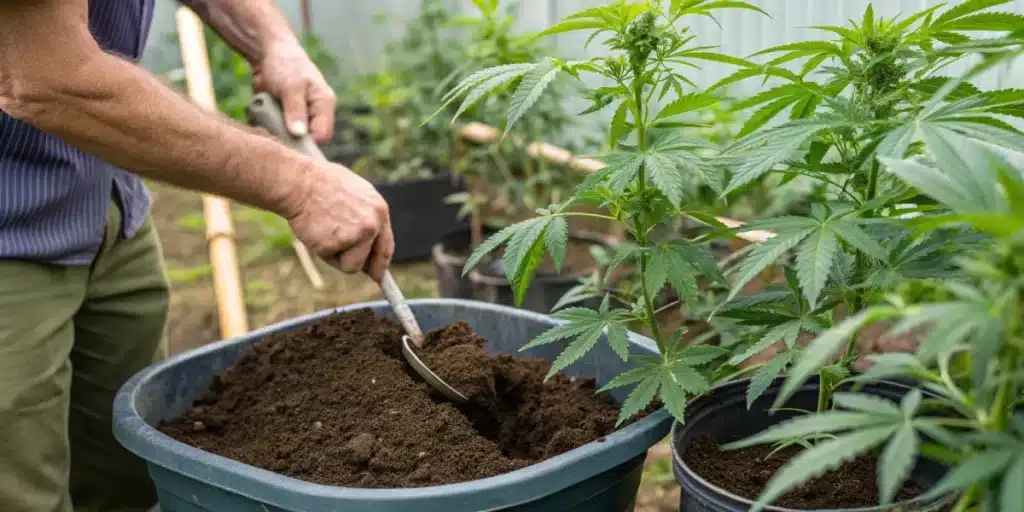
Loosen and aerate the soil, mix in compost or castings, and check drainage before planting. For in-ground grows, dig a generous hole and backfill with an improved, lighter mix so young roots spread easily. Let amended soil settle and, ideally, come alive for a week or two before planting your autoflowers.
Best Amendments for Soil Health
Useful amendments include perlite for drainage, worm castings and compost for life and nutrition, and gentle additions like kelp or a mild organic base fertilizer. Mycorrhizal inoculants help roots feed. Avoid piling on strong amendments; with autoflowers, a balanced, moderate soil outperforms an overloaded one.
Long-Term Soil Health and Maintenance
If you reuse soil or grow season after season, keeping it healthy pays off. Here is how to sustain fertility and replenish what each crop takes.
Sustaining Soil Fertility
Feed the soil, not just the plant. Top-dress with compost or castings, use cover crops or mulch to protect the surface, and avoid compacting the bed. Keeping soil life active means it holds structure and releases nutrients naturally, so each grow needs fewer inputs than the last.
Replenishing Nutrients Over Time
Each crop draws down nutrients, so recharge between grows by mixing in fresh compost, castings and a balanced organic amendment, then letting the soil rest and recolonize. Retest pH after amending. This simple recharge keeps reused soil productive for autoflowers year after year.
Soil for Containers vs In-Ground Autoflowers
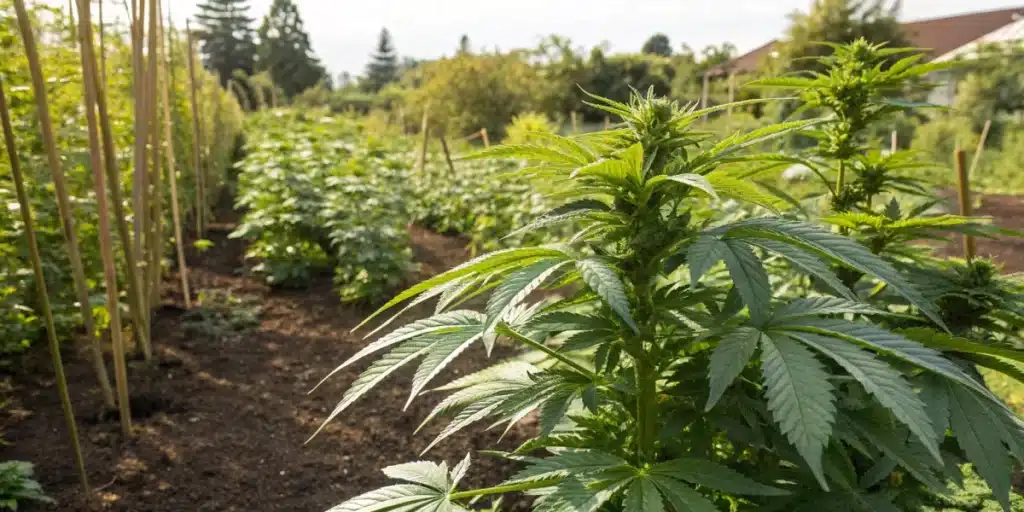
Where you plant changes the ideal mix. In containers, a lighter, airier blend with extra perlite and coco drains well and prevents waterlogging in the limited root zone, and fabric pots improve aeration further. In the ground, autoflowers tap into a larger soil volume, so the focus shifts to improving native soil with compost and drainage amendments and checking that it is not heavy clay. Either way, keep the mix light and living, since autoflowers dislike dense, soggy or over-fertilized soil regardless of the setup.
| Factor | Target for outdoor autos |
|---|---|
| Texture | Light, airy, well-draining |
| pH (soil) | 6.0 – 6.5 |
| Organic matter | High (compost, worm castings) |
| Drainage aids | Perlite, coco |
| Feeding strength | Gentle; autos burn easily |
FAQs about Best soil for autoflowers outdoor
What factors make a soil the best soil for autoflowers outdoor?
The best outdoor autoflower soil is light and well-draining, rich in organic matter, slightly acidic (pH 6.0 to 6.5) and only gently fertilized. Autoflowers grow fast and dislike strong feeds, so an airy, living soil that releases nutrients slowly gives steadier growth than a dense, hot mix.
How can I improve my garden using the best soil for autoflowers outdoor?
Start with a light, living mix, add perlite for drainage and compost or worm castings for slow nutrition, and keep pH around 6.0 to 6.5. Prepare beds before planting and feed lightly. Healthy soil means less troubleshooting and better yields from your fast-growing autoflowers.
Are there specific organic amendments that work best with the best soil for autoflowers outdoor?
Yes. Worm castings and quality compost add gentle nutrition and soil life; perlite improves drainage; kelp and a mild organic base feed support growth; and mycorrhizal inoculants help roots absorb nutrients. Use them in moderation, since autoflowers prefer a balanced soil over a heavily amended, overly rich one.