What Is BHO? Butane Hash Oil Extraction and Its Risks

Important safety and legal warning: do not attempt BHO extraction at home. Butane is heavier than air and highly explosive; “open-blasting” with butane cans causes serious fires, explosions and severe burns every year, and it is illegal in many places even where cannabis itself is legal. Safe extraction is only done by licensed operators using closed-loop equipment in spark-proof facilities. This article explains how professional BHO extraction works and why it is so dangerous, as information, not as a how-to guide.
Quick Summary: BHO (butane hash oil) is a high-THC cannabis concentrate, sold as wax, shatter or oil, made by washing butane over cannabis to strip out the resin. It is potent but the extraction is genuinely dangerous: butane is explosive, so it is a job for licensed labs with closed-loop equipment, not a home project.
Recommended Strains
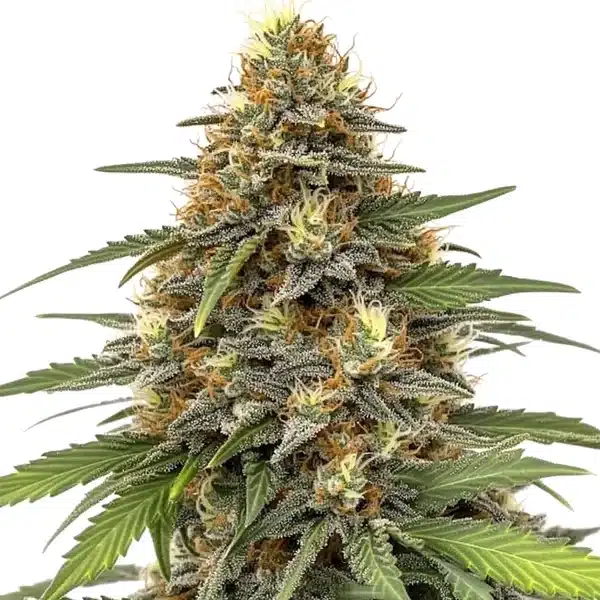
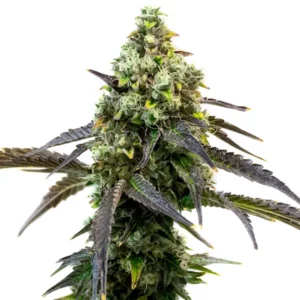
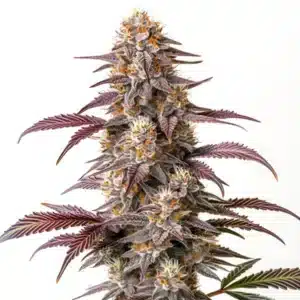
Orange Sherbet

|
THC | 18% - 20% (Medium) |

|
Type | Feminized |

|
Yield | High |

|
Phenotype | 80% Indica / 20% Sativa |

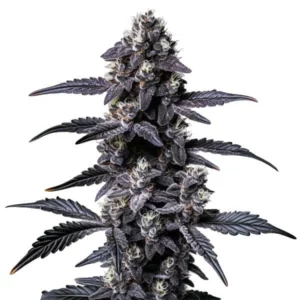
Rotten Z OG
|
|
THC | 26% - 30% (High) |
|
|
Type | Feminized |
|
|
Yield | Medium |
|
|
Phenotype | 60% Indica / 40% Sativa |
What Is BHO (Butane Hash Oil)?
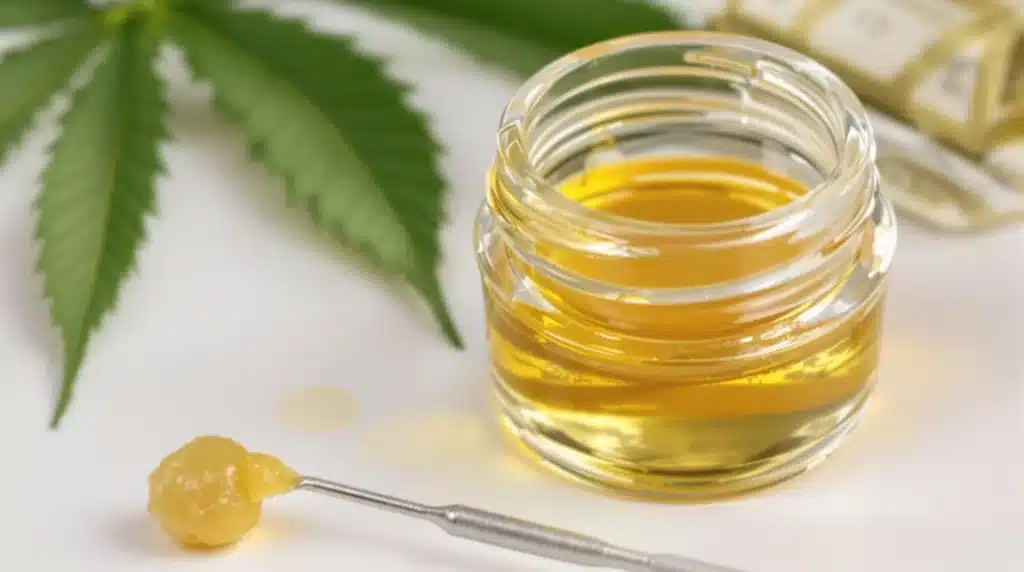
BHO (butane hash oil) is a potent cannabis concentrate, with THC that can reach around 80-90%. It is made by washing liquid butane over cannabis to strip off the resin glands (trichomes), which hold the THC and aromatic terpenes. The result, depending on texture, is what people call BHO wax, shatter or honey oil.
Done correctly (in a proper facility), the result is a clean, golden BHO honey oil. Quality depends entirely on the equipment and the purge: professionals use vacuum ovens to remove every last trace of solvent. A poorly purged extract will sparkle and pop when heated, a sign of dangerous leftover butane that should never be inhaled.
Yields are low: usually just 2-3% of the flower weight, so 100 grams of quality bud yields only 2-3 grams of BHO wax. That low return, plus the potency, is why BHO is treated as a top-shelf concentrate.
Promos & Deals

The BHO Extraction Process and Why It Is Dangerous
This is the part to take seriously. Butane is highly flammable and heavier than air, so it pools at floor level and can ignite from the tiniest spark, a light switch, a fridge compressor, static. This is exactly why ‘open-blasting’ butane through a tube at home is so deadly. Licensed operators avoid it entirely by using closed-loop extractors that recover the butane instead of releasing it.
Solvent purity matters too. Licensed labs use only high-purity, instrument-grade N-butane; standard lighter fluid contains ‘mystery oils’ and contaminants like toluene or xylene that end up in the extract and can harm the lungs. This is one more reason BHO should come from a tested, professional source rather than a home batch.
| Technical feature | BHO (Butane) | CO2 extraction | Ethanol extraction |
|---|---|---|---|
| Primary solvent | N-butane / propane | Supercritical CO2 | High-grade ethanol |
| Typical yield | 2-3% (high grade) | 8-15% | 10-20% |
| Terpene retention | Excellent (cold process) | Moderate | Low (needs recovery) |
| Purging method | Vacuum oven (2-24h) | Depressurization | Rotary evaporation |
| Flavor profile | High terpene, authentic | Clean but sometimes muted | Grassy, chlorophyll-heavy |
| Safety risk | High flammability | High pressure | Moderate flammability |
BHO Quality and Common Problems
A few things affect BHO quality. ‘Budder’ or ‘sugaring’ (the oil turning cloudy and waxy) usually comes from too much heat during the purge or moisture in the plant material; labs counter it with bone-dry input and low vacuum-oven temperatures (below 100°F). ‘Dark oil’, meanwhile, usually means old material or over-running the solvent, so labs start with fresh-frozen ‘live’ material kept very cold to pull only the golden cannabinoids and leave the green plant matter behind.
When buying, judge quality by appearance and paperwork: clean BHO is clear to golden and smells strongly of the strain, while dark, harsh or oily product points to poor material or a bad purge. Insist on lab testing for residual solvents. On the safety side, the most important point is that making BHO at home is genuinely dangerous: butane is explosive, and amateur extractions cause serious fires and injuries, so this is strictly a job for professional, closed-loop labs.
How Professionals Handle BHO Safely
- Closed-loop only: professionals never open-blast; a closed-loop system recovers the butane instead of venting it into the room.
- Leak test: operators check every seal with soapy water before introducing solvent.
- Cold process: chilling material and solvent preserves terpenes and leaves plant waste behind.
- Vacuum purge: a proper purge removes residual solvent down to safe parts-per-million, verified by lab testing.
- Quality genetics in: high-trichome strains like Orange Sherbet or Rotten Z OG give a better starting material.
How Is BHO Used?
BHO is most often consumed by dabbing: a small amount is vaporized on a heated nail or in an e-rig and inhaled, delivering fast, powerful effects from its 70-90% THC. It can also be used in a dab or concentrate vaporizer, added on top of flower in a bowl or joint for an extra kick, or infused into edibles once it has been decarboxylated.
Because it is so concentrated, start with a tiny amount, the size of a grain of rice or less, especially if you normally smoke flower. Just as important, only use BHO that has been lab-tested for residual solvents. A proper purge is the difference between a clean dab and inhaling leftover butane, which is why buying tested product beats any home batch.

FAQs About BHO
What is BHO wax?
BHO wax is a butane hash oil concentrate with a soft, opaque, wax-like texture, as opposed to glassy shatter or runny oil. It is very high in THC (often 70-90%) and is usually dabbed or vaped. The texture depends on how the extract is purged and agitated during production.
What is the best butane for BHO extraction?
Professionals use only ultra-refined, instrument-grade N-butane, filtered many times over. Cheap lighter refills contain mercaptans and heavy oils that ruin flavor and are a real health risk when inhaled. That said, sourcing butane is not a green light to extract at home, which remains dangerous and often illegal.
Is BHO extraction safe to do at home?
Honestly, no, home BHO extraction is not safe, and open-blasting causes explosions and severe burns every year. It is also illegal in many places. Genuine safety requires a closed-loop system in a spark-proof, ventilated facility (the professional ‘Class 1 Division 1’ standard), which is why extraction should be left to licensed operators.
What are the main risks of BHO extraction?
The main risks of BHO extraction are flash fires and explosions from butane building up and igniting, which cause serious burns and property damage. On top of that, poorly purged extract leaves toxic residual butane that is harmful to inhale, with long-term solvent exposure linked to respiratory and neurological damage. Lab testing is essential.
Why does BHO wax turn into a dark, runny oil?
BHO wax darkens and turns runny mainly from too much heat during processing or from old, low-quality trim, both of which degrade terpenes and color. Stable, light BHO wax comes from fresh-frozen ‘live’ material processed low and slow. In practice this level of control is why quality BHO comes from professional labs.