Weed Leaf Tea: Benefits, Recipe and Effects

This article is general information, not medical advice. Cannabis tea is not a proven treatment for any condition, and effects vary from person to person. If you are pregnant, taking medication or managing a health issue, talk to a healthcare professional first.
Quick answer: Weed leaf tea is an herbal infusion made by steeping cannabis leaves in hot water. People drink it mainly for its earthy flavour and a gentle, non-smoking way to enjoy the plant. Made from raw leaves and water alone it is largely non-intoxicating, because THC is not water-soluble; to actually feel a high you need decarbed flower brewed with a fat like milk or butter.
Recommended Strains
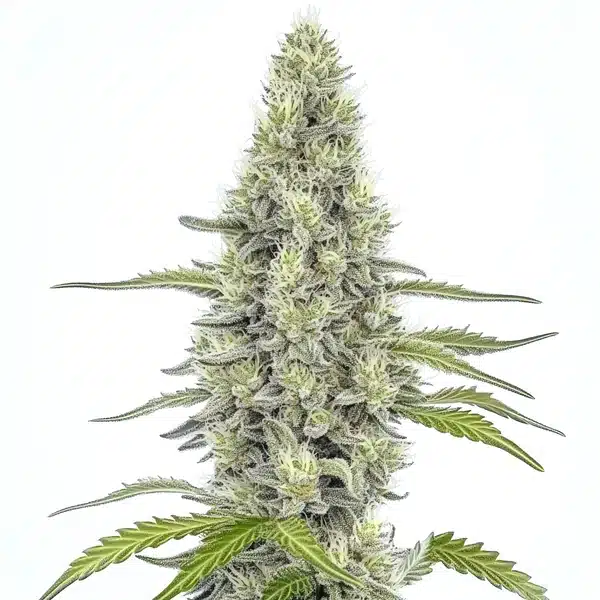
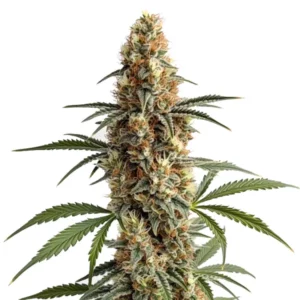
Mazar

|
THC | 20% (Medium) |

|
Type | Feminized |

|
Yield | Medium |

|
Phenotype | 90% Indica / 10% Sativa |
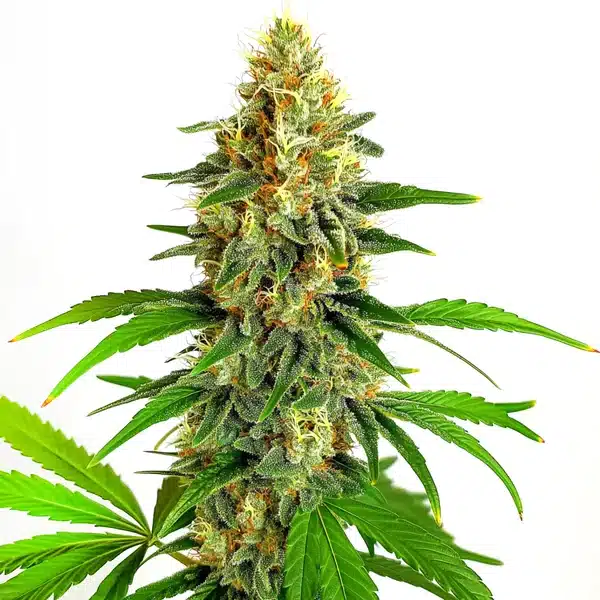
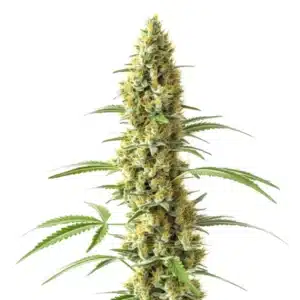
Mazar Auto
|
|
THC | 8% - 10% (Low) |
|
|
Type | Autoflowering |
|
|
Yield | High |
|
|
Phenotype | 65% Indica / 35% Sativa |
Tea from cannabis leaves has a long tradition as a mild, warming drink. The sugar and fan leaves that growers trim off are often discarded, but steeped in hot water they make a grassy, herbal tea that many people find pleasant and calming to sip, with little to no high from leaves alone.
That last point causes a lot of confusion, so it is worth being clear from the start: how you make the tea decides whether it does anything beyond taste. The sections below cover the possible benefits, a simple recipe, and exactly why raw-leaf tea and a proper infused tea are so different.
Usually not, if you just boil raw leaves in water. There are two reasons. First, raw cannabis contains THCA, not active THC, and THC only forms when the plant material is heated enough to decarboxylate it. Second, THC is fat-soluble, not water-soluble, so even activated THC will not dissolve into plain water. To make a tea that actually gets you high, you need to use decarboxylated flower (not just trim leaves) and brew it with a fat, such as whole milk, butter or coconut oil, which carries the THC into the drink. Simmering raw fan leaves in water on their own makes a flavourful herbal tea, but a very mild one at most.
| How you make it | Gets you high? | Why |
|---|---|---|
| Raw leaves simmered in water only | Barely | THC is not water-soluble; raw leaves hold THCA, not active THC |
| Decarbed flower steeped with a fat (milk/butter/oil) | Yes | Heat activates THC and fat carries it into the drink |
| Leaf tea for wellness/flavour | No / mild | Enjoyed for taste and gentle, mostly non-intoxicating compounds |
Possible Benefits of Weed Leaf Tea
People drink cannabis tea for a range of reported reasons, though the evidence is mostly anecdotal and individual. Some say a CBD-forward infusion helps them feel calmer or eases everyday aches, and because it is sipped rather than smoked, it avoids the harshness of inhaling. Women in particular sometimes use it around menstruation for comfort, though this is personal experience, not proven medicine.
It is important not to overstate this. Cannabis tea is not a treatment, the effects are gentle and vary a lot, and anything you have read promising specific percentages of relief should be treated with caution. If you are considering it for a health reason, a CBD-rich, low-THC option is the sensible starting point, and a conversation with your doctor comes first.
Promos & Deals
How to Make Weed Leaf Tea
A basic leaf tea is simple to make and good for using up trim. For a stronger, more active tea, swap in decarbed flower and add a fat. Here is the simple version:
- Rinse a small handful (about 1-2 grams) of fresh or dried cannabis leaves.
- Bring 2 cups (about 473 ml) of water to a gentle boil.
- Add the leaves and simmer for 10-15 minutes; shorter for a milder taste.
- For an infused, active tea, add decarbed flower and a spoon of butter, coconut oil or whole milk so the THC has a fat to bind to.
- Strain into a cup and sweeten with honey or agave to taste.
Choosing Leaves and Strains
If you are making tea for a calm, gentle experience, higher-CBD or balanced genetics are the natural choice, since they lean away from a strong high. For a plain flavourful leaf tea, the strain matters far less, because the trim leaves carry little cannabinoid content anyway.
Whatever you use, fresh, clean, pesticide-free leaves make the best tea. If you are buying genetics specifically for a mellow, wellness-focused brew, our CBD seeds are a good place to look, and for the fat-based, infused method our guide to cannabis and coconut oil explains how to carry THC properly.
Tips for a Better Cannabis Tea
A few small steps make leaf tea much nicer to drink. Use clean, pesticide-free leaves, and keep the water just below a rolling boil (around 200 F) so you extract flavour without scorching it. Steeping for 10 to 15 minutes is plenty; longer can turn the tea bitter and grassy rather than stronger.
Flavour also comes from what you add. A spoon of honey or agave rounds off the earthy edge, and fresh mint or ginger lifts the whole cup while adding their own soothing character. If you have brewed more than you need, keep it sealed in the fridge for a couple of days, and gently rewarm rather than re-boiling it.

FAQs About Marijuana Tea
Can cannabis tea get you high?
Only if you make it correctly. Boiling raw leaves in water barely does, because THC is fat-soluble and raw leaves contain THCA, not active THC. To feel a high you must use decarboxylated flower and brew it with a fat like milk or butter so the THC can dissolve into the drink.
What are the benefits of weed leaf tea?
People mostly drink it for its earthy flavour and as a gentle, smoke-free way to enjoy cannabis. Some report feeling calmer or more comfortable, especially with CBD-forward blends, but this is anecdotal, not proven medicine. It is not a treatment, effects vary, and you should speak to a doctor for any health concern.
How long does cannabis tea take to work?
If it is an infused, active tea, expect 30 to 90 minutes, since it is digested like an edible rather than inhaled. Start with a small amount and wait before drinking more, because the delayed onset makes it easy to overdo. Plain raw-leaf tea produces little to no intoxicating effect.