The Virginia Cannabis Transition (2026–2027): A Full Market Analysis

After half a decade of legislative gridlock, the Commonwealth of Virginia is entering a decisive phase known as the Virginia Cannabis Transition, moving from a passive “possession-only” model to a fully integrated retail cannabis economy. With the General Assembly’s 2026 compromise and Governor Abigail Spanberger’s expected signature, the state is preparing for a transformative launch on January 1, 2027.
The Legislative Architecture: Ending the Hybrid Era
Since 2021, Virginia has occupied a confusing middle ground: it was legal to have cannabis, but illegal to buy it. The 2026 bill (incorporating HB642/SB542) finally resolves this by establishing a regulated commercial pipeline.
Recommended Strains
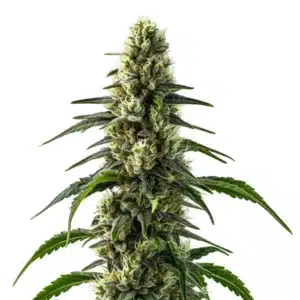
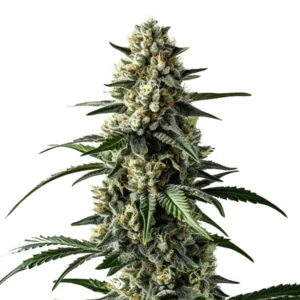
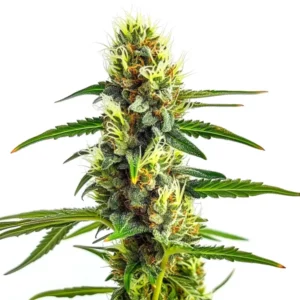
CBD Strawberry (1:25)

|
CBD | 20% – 25% (High) |

|
Type | CBD Feminized |

|
Yield | High |

|
Phenotype | 60% Indica / 40% Sativa |
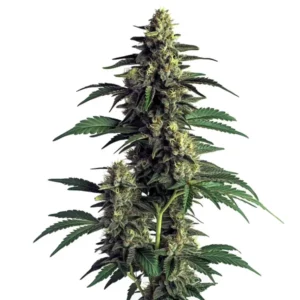
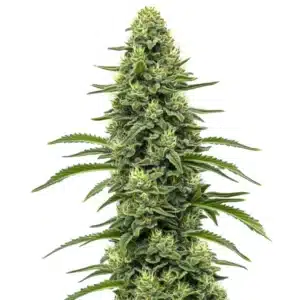
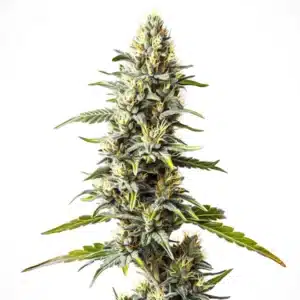
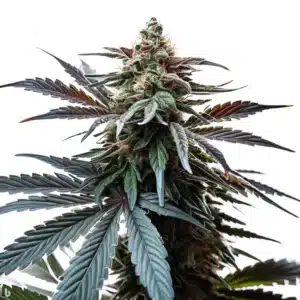
Northern Lights

|
THC | 17% (Medium) |
|
|
Type | Feminized |
|
|
Yield | Medium |
|
|
Phenotype | 90% Indica / 10% Sativa |
Key Dates for the Transition:
- July 1, 2026: Regulatory framework and licensing portals are expected to open.
- September 1, 2026: The Virginia Cannabis Control Authority (CCA) may begin issuing initial licenses to cultivators and manufacturers.
- January 1, 2027: The official launch of adult-use retail sales across the Commonwealth.
Promos & Deals
Consumer Rights and Market Restrictions
The new law significantly expands what citizens can legally do, while implementing strict safeguards to prevent “market saturation” or public health risks.
Expanded Possession Limits
Under the 2027 rules, personal possession limits for adults 21+ will rise from the current 1 ounce to 2.5 ounces of flower. Regulators will establish equivalent limits for concentrates and edibles (expected to be capped at 100mg THC per package and 10mg per serving).
Tax Structure and Economic Impact
Virginia’s tax strategy is designed to be competitive yet lucrative. The total tax burden on a retail purchase will likely range between 12% and 15%, broken down as follows:
- 6% State Cannabis Excise Tax.
- 5.3% Standard State Sales and Use Tax.
- 1% to 3.5% Optional Local Tax (decided by individual municipalities).
Revenue Distribution: 40% of the state’s share is earmarked for early childhood education, while 30% goes to the Cannabis Equity Reinvestment Fund, aimed at supporting communities disproportionately affected by past prohibition.
The Regulatory Guardians: CCA and ABC
Implementation is a two-phase process involving two major state agencies:
- Virginia Cannabis Control Authority (CCA): They are the primary architects, overseeing the issuance of up to 350 retail licenses statewide. They handle testing standards, seed-to-sale tracking, and laboratory certifications.
- Virginia Alcoholic Beverage Control (ABC): By 2028, enforcement and market monitoring are expected to transition to the ABC, mirroring the state’s successful (and strictly controlled) spirits market.
Cultivation in Virginia: Navigating the Subtropical Climate
Virginia’s climate, classified as humid subtropical, presents a unique set of challenges within the context of the Virginia Cannabis Transition. High humidity in the Tidewater and Central regions can lead to “Bud Rot” (Botrytis) if the wrong genetics are chosen.
Expert Strain Recommendations for Virginia Growers
For those continuing with home cultivation (still limited to 4 plants per household), these varieties from the Blimburn Seeds catalog are optimized for the Mid-Atlantic climate:
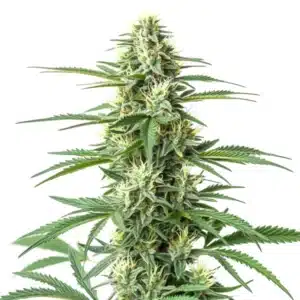
- Critical Mass: A powerhouse of resilience. Its hybrid vigor allows it to withstand the intense humidity of a Virginia August without succumbing to common molds.
- Blue Dream: Famous for its “open” airy bud structure. Unlike dense Indicas that trap moisture, Blue Dream allows air to flow through the flowers, making it a favorite for the humid Shenandoah Valley.
- Northern Lights: A classic that finishes relatively early. For growers in Northern Virginia, this is key to harvesting before the cold, damp dews of late October set in.
- CBD Strawberry: Excellent for those prioritizing wellness. Its stable genetics provide a predictable harvest even when summer temperatures fluctuate wildly.
Professional Growing Tips for the Region:
- Ventilation is King: If growing indoors, ensure your CFM (Cubic Feet per Minute) rating on exhaust fans is 20% higher than standard to combat ambient humidity.
- Raised Bed Advantage: Outdoor growers should use raised beds. Virginia’s clay-heavy soil can hold too much water during the stormy season, leading to root rot.
- The October Window: Aim for strains with a flowering time of 8–9 weeks to ensure you are “chopping” before the first heavy frost or the peak of hurricane-related rainfall.
Challenges for Entrepreneurs and Social Equity
The 2027 market isn’t without its hurdles. Existing medical operators are expected to pay a $10 million entry fee to participate in the recreational market, a move that has sparked debate regarding the fairness of competition for small “mom-and-pop” businesses.
Furthermore, the bill includes provisions for automatic sentence hearings for those previously incarcerated for non-violent marijuana offenses, a cornerstone of the social equity commitment in the new legislation.
FAQs about Virginia Cannabis Transition
Will dispensaries be everywhere?
No. While local governments cannot “opt out” of the law, they can use zoning ordinances to restrict where shops are located.
Can I smoke in public?
No. Public consumption remains a civil violation. Use is restricted to private residences.
Is the gray market still active?
Until Jan 1, 2027, “gifting” schemes remain in a legal gray area, but the 2026 bill increases penalties for unlicensed commercial sales to protect the upcoming legal market.