$28 Billion Hemp Industry Faces Extinction With Government Re-Opening: A Deep Dive Into the Crisis Reshaping America’s Fastest-Growing Cannabis Sector

When Congress approved the latest government re-opening bill this fall, headlines focused on budget fights, political brinkmanship and the threat of another shutdown. But buried deep inside the 900-page package was a policy shift that sent shockwaves through one of the country’s most explosive consumer markets: hemp-derived intoxicating cannabinoids a development so dramatic that many now warn the Hemp Industry Faces Extinction if the regulations move forward unchanged.
With one stroke of legislative pen, lawmakers effectively moved to dismantle an industry that ballooned to more than $28 billion in annual sales in just five years, a market powered by products like Delta-8 THC gummies, hemp vapes, infused beverages and alternative psychoactive cannabinoids made from legal hemp.
Recommended Strains
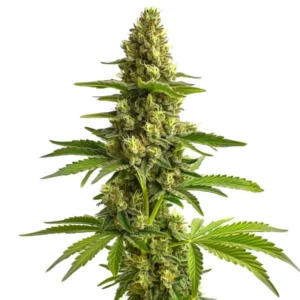
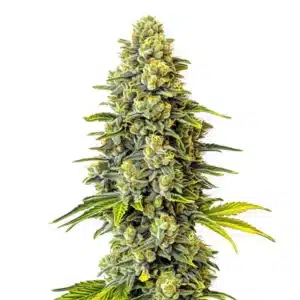
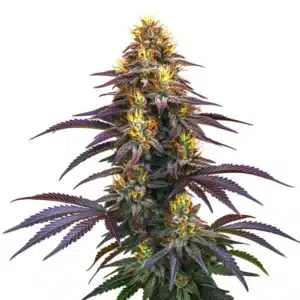
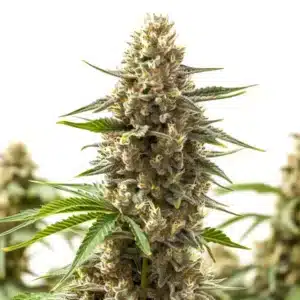
Bruce Banner #3

|
THC | 20% - 29% (High) |

|
Type | Feminized |

|
Yield | Medium |

|
Phenotype | 50% Indica / 50% Sativa |
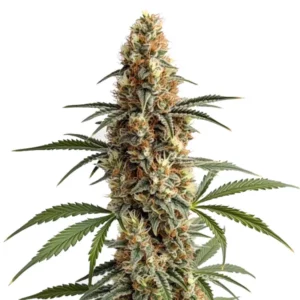
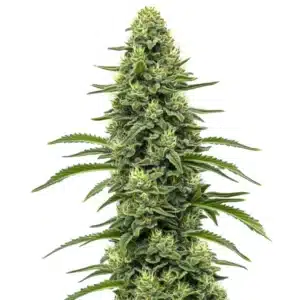
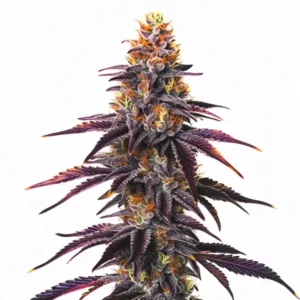
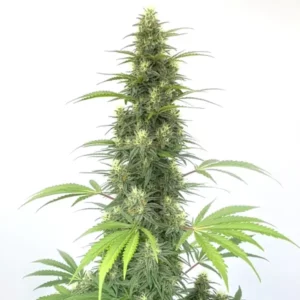
Mamba Negra
|
|
THC | 18% (Medium) |
|
|
Type | Feminized |
|
|
Yield | High |
|
|
Phenotype | 55% Indica / 45% Sativa |
Now, facing a new federal definition of hemp and an unprecedented ban on hemp-derived intoxicants, the industry that filled store shelves from gas stations to grocery chains is confronting what insiders call an extinction level event.
This is the story of how a booming sector became a political casualty, the economic fallout now underway, and the uncertain path ahead for American hemp.
A Quiet Policy Change With Massive Consequences
Most Americans had no idea a seismic regulatory shift was coming. Even many lawmakers acknowledged they didn’t know the amendment folded into the massive funding bill. But the language was unambiguous.
The new rule redefines hemp to exclude anything that produces intoxication, regardless of delta-9 THC content.
Since 2018, the hemp sector relied on a loophole created by Congress: plants with under 0.3% delta-9 THC were classified as “hemp,” even if they could be chemically converted into psychoactive compounds like Delta-8. That loophole fueled one of the fastest-growing consumer markets in U.S. history.
The new bill closes that door entirely. It also:
- Bans all hemp-derived intoxicating cannabinoids, synthetic or natural.
- Introduces a federal THC cap measured per container, not per dry weight — effectively outlawing nearly every infused edible and beverage.
- Establishes a one-year countdown for the ban to become fully enforceable.
- Gives federal agencies sweeping authority to treat hemp intoxicants as controlled substances.
In regulatory terms, this is nothing short of a reversal of the 2018 Farm Bill experiment.
Promos & Deals
The $28 Billion Market Built on a Loophole
To understand the scale of the crisis, it’s worth remembering how the hemp boom began. Today, as the Hemp Industry Faces Extinction, looking back at its rapid rise helps illustrate just how dramatically the landscape has shifted.
When Congress legalized hemp cultivation in 2018, few predicted that manufacturers would begin converting CBD into psychoactive compounds. Fewer still predicted that those products, often unregulated, untested and tax-free, would outsell traditional state-licensed cannabis in dozens of states.
Delta-8 THC became the star of America’s largest undeclared cannabis market.
Within a few years:
- Over 100 million Americans lived in states where Delta-8 products were sold openly.
- National chains stocked hemp vapes, seltzers and gummies.
- College towns became mini-hubs of hemp derived THC sales.
- Rural hemp farmers finally found profitability after the CBD price collapse.
- Consumers, especially in restrictive states, embraced the quasi-legal high.
By 2024, the hemp intoxicants sector rivaled the regulated marijuana market in revenue — without the heavy taxes, high compliance costs or THC caps.
Traditional cannabis operators called it unfair. Public health officials called it chaotic. Consumers called it convenient.
Congress has now called time.
Shockwaves Through a Fragile Supply Chain
The impact of the new federal ban is immediate and far-reaching.
Farmers: “We just got stable. Now we’re back to zero.”
Hemp farmers already bruised by years of oversupply and low CBD prices are once again facing market collapse. Many planted high-CBD varieties specifically for Delta-8 conversion. Overnight, demand evaporated.
For small farms in Kentucky, Tennessee, North Carolina and Texas, where hemp became a lifeline crop, the rug has been pulled out.
Processors: The beating heart of the supply chain
Hemp processors, who built multi million dollar facilities optimized for cannabinoid extraction, face layoffs, closures and bankruptcy. Their operations, built around converting CBD to Delta-8 or other compounds, are suddenly obsolete.
Some estimate that 70–80% of current hemp extraction facilities could shutter within a year.
Retailers: From gas stations to boutique shops
Convenience stores, vape shops and hemp wellness stores relied heavily on intoxicating hemp products for revenue. Many small businesses now face:
- Massive unsellable inventory
- Loss of primary product lines
- Uncertainty about what will remain legal
For national chains, the disruption is equally severe. Retailers that leaned into hemp beverages and edibles now face regulatory limbo.
Consumers Brace for a Major Shakeup
Whether one loves hemp intoxicants or hates them, one fact is clear: they became a staple of American consumer culture. Yet today, as the Hemp Industry Faces Extinction, the future of these products hangs in the balance, raising urgent questions about regulations, consumer access, and the sustainability of the entire sector.
Who’s most impacted?
- Millions in prohibition states who relied on hemp THC as a legal alternative
- Older consumers who preferred low-dose effects
- Customers seeking affordable, accessible cannabinoids without dispensary bureaucracy
Some industry insiders warn the ban will drive consumers to:
- Black-market THC vapes
- Illicit Delta-8 labs
- Homemade, untested cannabis products
- More dangerous synthetic THC analogs
As one industry analyst put it:
“You can ban the products, but you can’t ban demand.”
The New Federal Definition: A Policy Earthquake
The rubber meets the road in the technical details.
The “per container THC cap” is the fatal blow.
Under the new rule, any product containing more than 0.4 mg THC per package, not per serving, no longer qualifies as hemp.
That means:
- A seltzer with 2 mg THC is illegal.
- A gummy with 5 mg THC is illegal.
- A tincture with even trace THC is banned.
- A vape with any intoxicating cannabinoids is prohibited.
This standard effectively wipes out the entire intoxicating hemp market, even products too low in THC to intoxicate anyone.
Industry groups argue the law goes far beyond its stated purpose.
The Cannabis Industry’s Quiet Victory and Potential Backlash
The regulated marijuana industry has long seen hemp intoxicants as an existential threat.
- Hemp THC products were cheaper.
- Sold outside licensed dispensaries.
- Untaxed.
- Widely available nationwide.
State-legal cannabis operators lobbied aggressively for federal intervention.
Now, they got it.
But the victory may be short-lived.
With hemp products gone, consumers may not automatically switch to state-licensed marijuana. Many live in prohibition states. Others prefer hemp’s lighter, gentler formulations.
Some analysts warn that the sudden disappearance of hemp intoxicants will:
- Push more demand into illicit cannabis markets
- Increase unregulated online THC sales
- Encourage underground conversion labs
- Spark consumer confusion and mistrust
In other words, prohibition may again create more problems than it solves.
An Economic Crisis Spreads Across Rural America
Hemp was one of the few bright economic stories in many rural communities.
This industry supported:
- Thousands of small farms
- Regional extraction hubs
- Packaging and manufacturing plants
- Retail stores and distributors
- Trucking and logistics companies
The new ban jeopardizes tens of thousands of Jobs, most in states that can ill afford further economic strain.
In economically depressed regions of Appalachia and the South, hemp revenue helped stabilize family farms. Now, many face financial ruin.
Farm associations warn of mass foreclosures and the collapse of multi generational agricultural businesses.
State Governments Scramble for Answers
With only a year before the federal ban becomes enforceable, state regulators are in panic mode.
States now face three major questions:
- Should they mirror federal policy or challenge it?
- Will they enforce state bans before the federal deadline?
- What happens to hemp businesses licensed under state hemp acts?
Some states, particularly in the South, may follow the federal lead and ban intoxicating hemp outright.
Others, like Minnesota, California and Massachusetts; may seek to carve out exceptions or build state-specific cannabinoid frameworks.
Either way, chaos is unavoidable.
Legal Challenges Are Already Forming
Industry groups are preparing lawsuits arguing that:
- Congress exceeded its authority
- The definition of hemp contradicts previous federal statutes
- Interstate commerce protections have been violated
- Millions of existing businesses are being wiped out without due process
The courts will likely see years of litigation. But the one-year implementation window means the ban may take effect long before legal challenges are resolved.
A Fight for Survival: Can the Industry Pivot?
Despite the grim outlook, insiders say the hemp sector isn’t dead — it’s evolving.
Three potential pathways are emerging:
1. Shift to non-intoxicating hemp (CBD, CBG, CBN)
But consumer demand for CBD has plateaued, and prices remain depressed.
2. Lean into industrial hemp
Fiber, textiles, bioplastics, construction materials, but these sectors lack investment, infrastructure and immediate profitability.
3. Innovate within the new legal framework
Some companies may attempt ultra-low-dose THC products that comply with the container limit, though commercial viability is questionable.
Most, however, simply don’t have a viable pivot.
What America Stands to Lose
Beyond economics, something else is being lost:
the largest grassroots cannabis experiment in U.S. history.
In just a few years:
- Hemp made cannabis mainstream in regions where marijuana remained taboo.
- Millions learned to use cannabinoids safely.
- Small businesses flourished without corporate domination.
- New forms of cannabinoid science emerged.
- Consumers gained access to affordable alternatives to high-potency dispensary cannabis.
Now, that ecosystem is collapsing.