How to Grow Stoned Panda

Stoned Panda Strain: Stoned Panda is a balanced hybrid cannabis strain known for its unique aroma and effects. With a THC content ranging from 30-32%, it offers a blend of cerebral and physical relaxation. Cultivators can expect a flowering time of 10-12 weeks, making it suitable for both indoor and outdoor growth. This strain is ideal for users seeking a harmonious high.
The Stoned Panda strain is a hybrid known for its complex terpene profile, featuring limonene and myrcene. It has a flowering time of 8-10 weeks, making it a versatile choice for growers. This strain is celebrated for its balanced effects, combining the relaxing properties of Indica with the uplifting qualities of Sativa.
Recommended Strains

Stoned Panda

|
THC | 30% - 32% (High) |

|
Type | Feminized |

|
Yield | High |

|
Phenotype | 45% Indica / 55% Sativa |
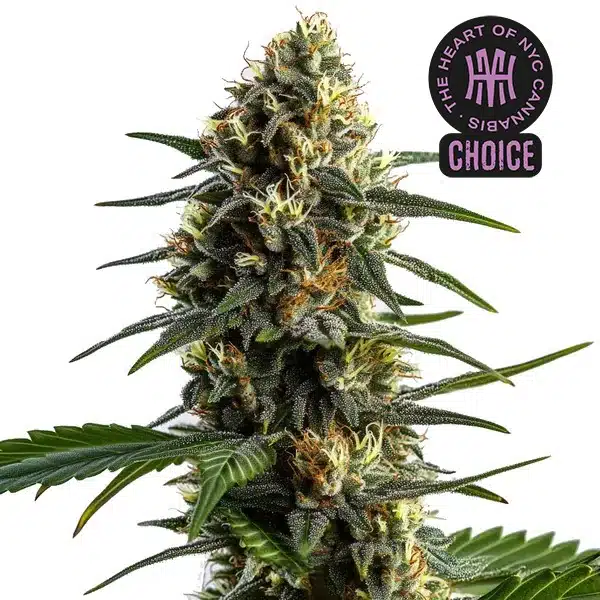
Stoned Panda HMC Edition
|
|
THC | 30% - 32% (High) |
|
|
Type | Feminized |
|
|
Yield | High |
|
|
Phenotype | 45% Indica / 55% Sativa |
Stoned Panda Strain Overview
Stoned Panda Strain Review
The Stoned Panda strain is a hybrid cannabis variety resulting from a cross between OG Kush and Durban Poison. It features a unique combination of sweet, earthy, and minty flavors, attributed to its dominant terpenes: limonene (0.5-0.8%) and myrcene (0.4-0.7%). Limonene provides a citrus aroma and enhances mood, while myrcene contributes to a relaxing effect by improving THC uptake.
With THC levels ranging from 30-32%, Stoned Panda delivers a balanced high that combines cerebral stimulation with physical relaxation. This makes it suitable for both recreational and medicinal users. The strain’s effects are long-lasting, typically beginning with an uplifting mental buzz followed by a soothing body high.
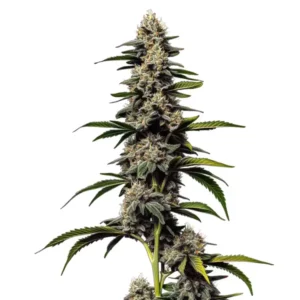
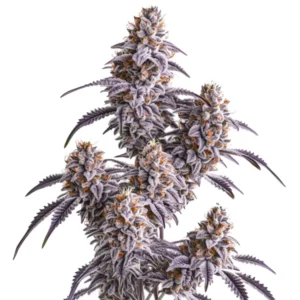
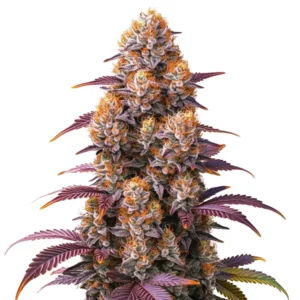
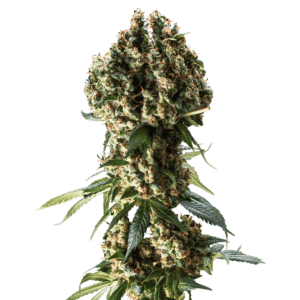
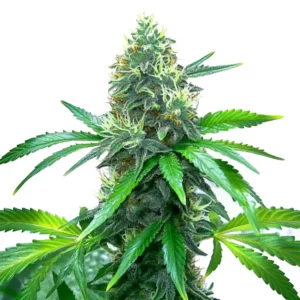
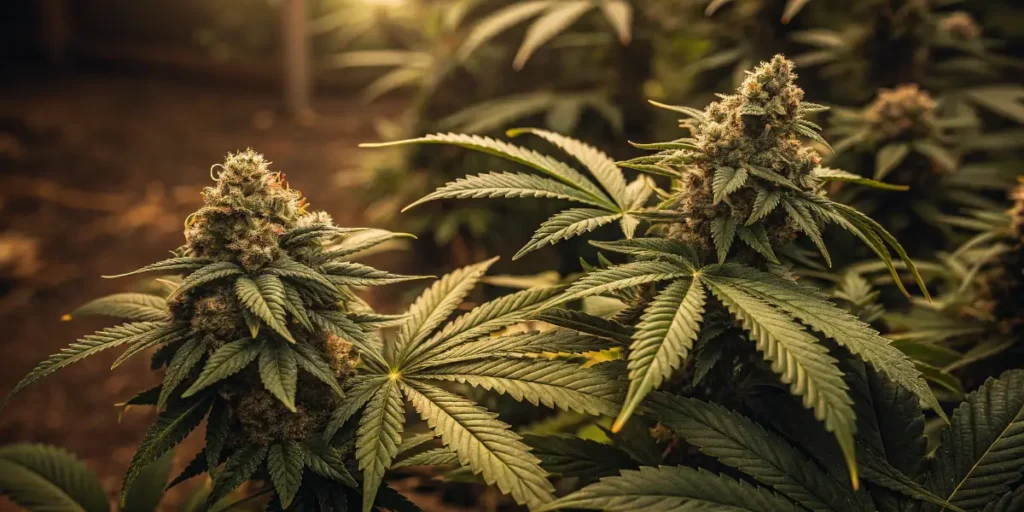
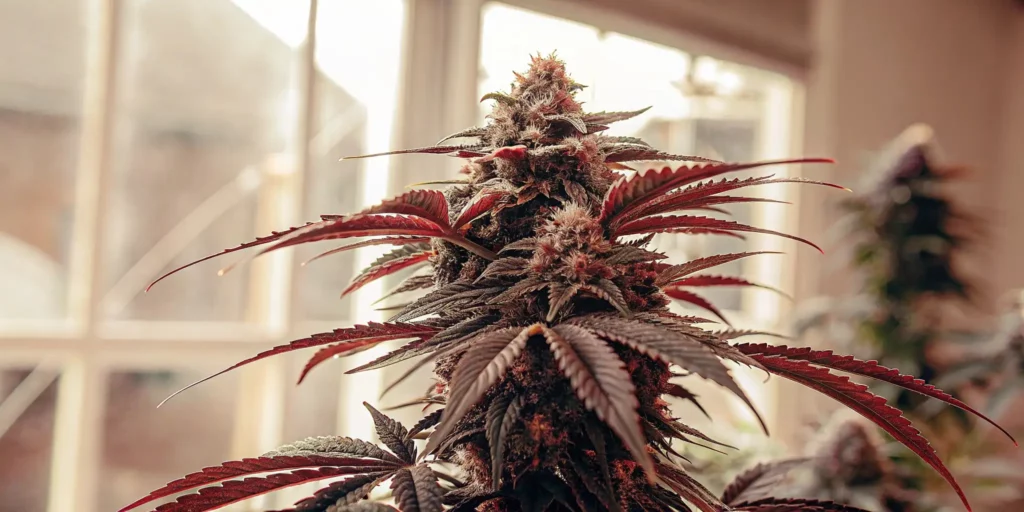
Stoned Panda’s buds are dense and frosty, covered in a thick layer of trichomes. The strain’s visual appeal is enhanced by vibrant hues of purple, green, and orange. These characteristics make it a favorite among cannabis enthusiasts seeking a visually stunning and potent strain.
Growing Stoned Panda: Indoor vs Outdoor
Stoned Panda thrives in a temperate climate with daytime temperatures of 70-80°F (21-27°C) and cooler nights. For indoor cultivation, high-quality LED grow lights or HPS lamps are recommended to ensure robust growth. Maintain a light cycle of 16-18 hours during the vegetative phase and switch to 12/12 for flowering.
Outdoor growers should select a sunny location with well-draining soil. In cooler climates, using a greenhouse can extend the growing season and protect plants from adverse weather. Stoned Panda is resilient, but maintaining stable environmental conditions is key to maximizing yield and potency.
Promos & Deals

Cultivation Techniques for Stoned Panda
Propagation and Germination
Begin with high-quality feminized seeds from a reputable source like Blimburn Seeds. Soak seeds in distilled water for 24-48 hours at 70-85°F (21-29°C) to encourage germination. Once taproots appear, transfer seeds to a moist, well-draining medium, maintaining a temperature of 75-80°F (24-27°C) and humidity of 60-70%.
Provide indirect light initially, gradually increasing intensity as seedlings develop. Avoid intense light exposure that can stress young plants. Once seedlings have several sets of true leaves, transplant them into larger containers or outdoor plots.
Successful germination and early propagation set the foundation for healthy growth and abundant yields. Monitor environmental conditions closely to prevent issues like damping-off or nutrient deficiencies during this critical stage.
Vegetative Phase Tips
During the vegetative phase, provide 16-24 hours of light daily to promote vigorous growth. Use a balanced nutrient formula with a higher nitrogen content to support leaf and stem development. Monitor plants for signs of nutrient deficiencies, adjusting feeding as needed.
Water when the top inch of soil is dry, avoiding overwatering to prevent root rot. Employ training techniques like low-stress training (LST) to control plant height and enhance light penetration, improving overall bud development.
Prune lower branches and leaves that receive little light to improve airflow and reduce mold risk. These practices ensure a robust vegetative phase, setting the stage for a successful flowering period.
| Feature | Stoned Panda | GG4 X Zkittlez | Cherry Pie |
|---|---|---|---|
| THC Content | 30-32% | 20-24% | 18-25% |
| Dominant Terpene | Limonene | Caryophyllene | Myrcene |
| Flowering Time | 10-12 weeks | 8-10 weeks | 8-10 weeks |
| Yield (Indoor) | 1.97 – 2.29 oz/ft² | 1.64 – 1.8 oz/ft² | 1.15 – 1.64 oz/ft² |
| Effect Profile | Euphoric, Happy, Relaxed | Energetic, Euphoric, Uplifted | Happy, Relaxed, Talkative |
Professional Tips for Growing Stoned Panda
- Maintain 58-62% RH during curing to preserve terpenes. Above 65% can lead to mold within 48 hours. Use a digital hygrometer for accuracy.
- Provide 800-1000 µmol/m²/s of light during peak flowering. Insufficient light reduces THC levels and yield. Adjust light height to avoid burn.
- Use a nutrient ratio of N:P:K 3:1:2 in vegetative phase. Incorrect ratios can stunt growth. Monitor leaf color for nutrient deficiencies.
- Prune lower branches to improve airflow and light penetration. Neglecting this can lead to mold and reduced bud quality.
- Monitor soil pH at 6.0-6.5 for optimal nutrient uptake. Deviations can cause nutrient lockout. Test soil weekly.
- Use stakes or trellises to support heavy branches. Failure to do so can result in broken branches and lost yield.
Frequently Asked Questions about Stoned Panda Strain
What are the effects of Stoned Panda strain?
The Stoned Panda strain delivers a balanced high with both cerebral and physical effects. Users report an uplifting mental buzz followed by a relaxing body high. Its THC content ranges from 30-32%, making it suitable for both recreational and medicinal use, offering relief from stress and mild pain.
Can I use Stoned Panda in edibles?
Yes, Stoned Panda can be used in edibles. Its balanced effects and unique flavor profile make it a great choice for culinary cannabis creations. Decarboxylate the buds at 220°F (104°C) for 30-45 minutes to activate THC before infusing into oils or butters for optimal potency.
How to store Stoned Panda strain?
Store Stoned Panda strain in an airtight container at 59-70°F (15-21°C) with a relative humidity of 58-62%. This environment preserves terpenes and cannabinoids, ensuring optimal flavor and potency. Avoid exposure to light and air, which can degrade the quality over time.