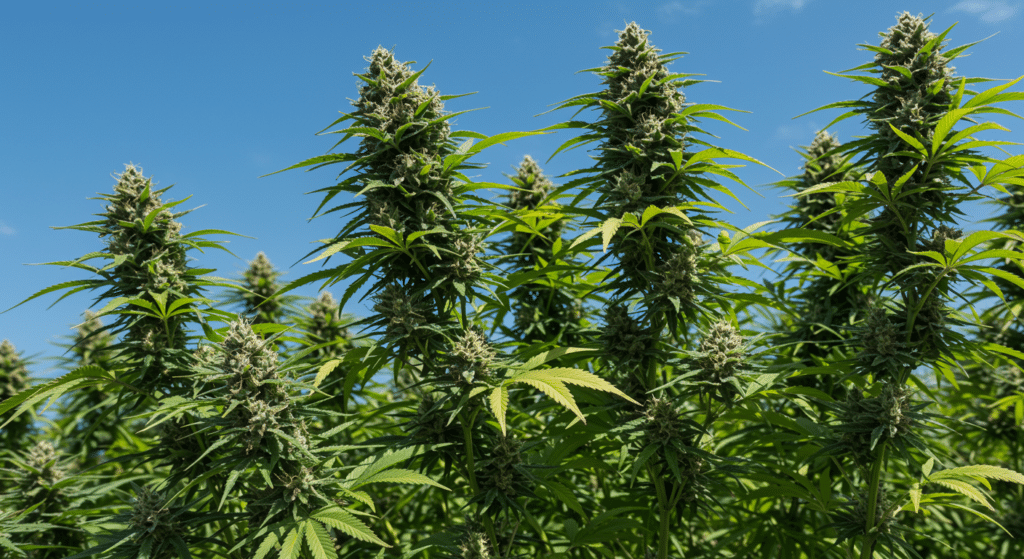
How To Grow Siberian

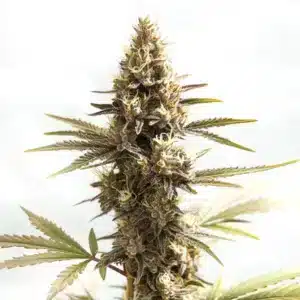
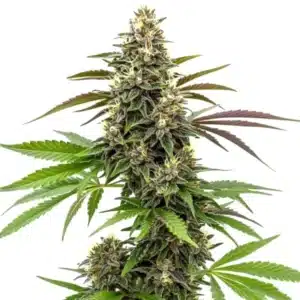
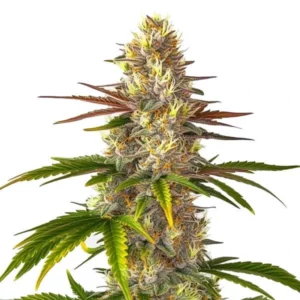
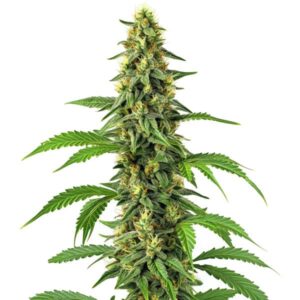
What’s up, fellow cultivator! Are you ready to grow a strain as tough as the region it’s named after? We are talking about Siberian, a powerhouse hybrid bred for resilience, high THC, and the ability to thrive where other plants might freeze up.
This is the plant you grow when you need a “Siberian-soul” survivor that delivers deep relaxation and a creative cerebral spark. It’s a favorite in our community for its extreme hardiness and stunning silver-trichome finish. I’m here to educate you and help you nurture this robust legend from seed to a resinous, pine-scented harvest. Let’s get to work!
Recommended Strains
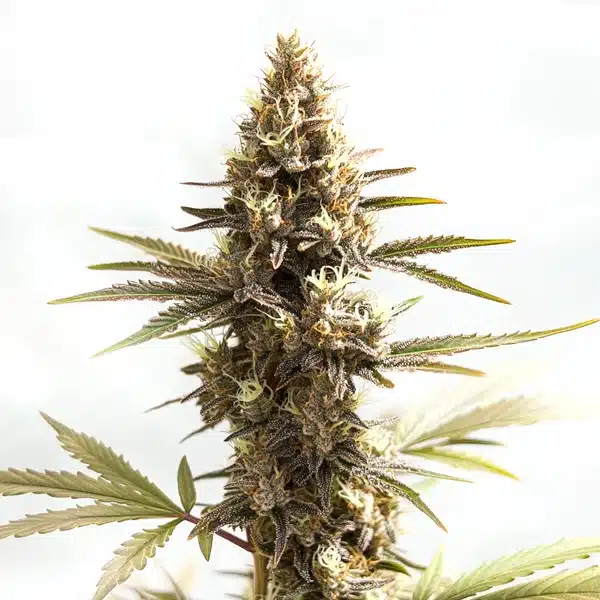
Siberian

|
THC | 12% - 19% (Medium) |

|
Type | Feminized |

|
Yield | Low |

|
Phenotype | 80% Indica / 20% Sativa |

Fat Bastard
|
|
THC | 30% - 38% (High) |
|
|
Type | Feminized |
|
|
Yield | High |
|
|
Phenotype | 50% Indica / 50% Sativa |
From Seed to a Frosty, Resilient Harvest: The Step-by-Step
Siberian is a high-performance plant. It’s built to survive, but it rewards precision with dense buds that look like they’ve been rolled in fresh snow.
Germination: The Cold-Start Spark
Quality starts with a strong sprout. Use the paper towel method to ensure these premium genetics get the strong start they deserve.
- Soak: Drop seeds in room-temperature water for 12–24 hours until the shell softens.
- The Sandwich: Place them between damp paper towels in a warm (70–85°F), dark spot.
- The Pop: Within 24–48 hours, you’ll see the white taproot emerge.
The Vegetative Stage: Building the Siberian Chassis
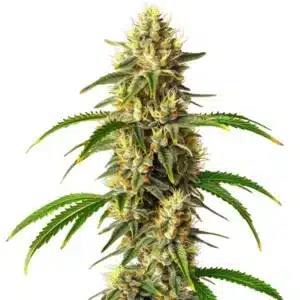
During veg, Siberian focuses on building a sturdy, short, and bushy frame.
- Lighting: Keep your lights on an 18/6 cycle. Full-spectrum LEDs are ideal to mimic that intense high-latitude sun.
- Feeding: This strain loves Nitrogen (N) early on to build thick stems and lush foliage.
- Training: Siberian responds incredibly well to Topping and Low-Stress Training (LST). Because it can get very dense, opening up the canopy is key to ensuring light reaches every bud site.
The Flowering Stage: The Resinous Bloom
Switch to a 12/12 light cycle to trigger the transformation. This phase lasts roughly 8–10 weeks.
- The Stretch: Expect the plant to double in size. Ensure you have the vertical space!
- Aroma: A pungent symphony of earthy pine and spice will fill the air. A carbon filter is mandatory for indoor grows.
- Humidity: Crucial! Drop humidity to 30–40% in the final weeks. Siberian buds are rock-hard and dense, making them susceptible to mold if the air is too damp.
Promos & Deals

Indoor vs. Outdoor: Choosing Your Arena
Growing Indoors
Indoor setups allow you to dial in the perfect “temperate” climate for peak potency.
- Height: Manageable! Expect plants to stay between 3 to 4 feet.
- Yield: A rewarding 400–500 grams per square meter.
- Environment: Maintain a stable 68–77°F range. Use oscillating fans to strengthen the stems and keep air moving.
Growing Outdoors
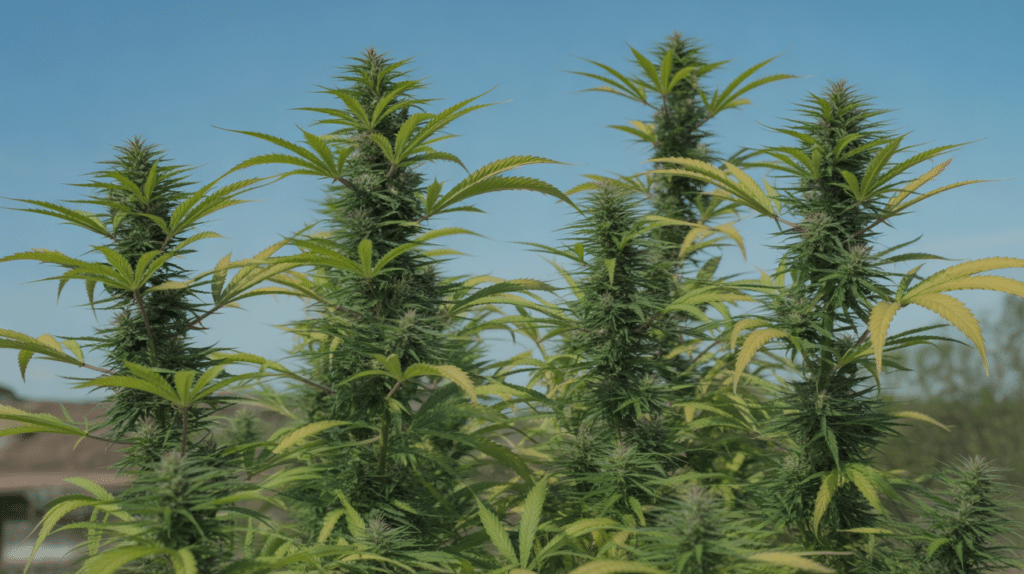
Under the natural sun, Siberian can express its full landrace heritage and massive stature.
- Height: Can soar up to 5 feet or more.
- Resilience: Performs better than almost any other strain in northern regions with shorter summers.
Best U.S. Climates:
- Pacific Northwest (Seattle/Portland): Perfect for its cool-climate adaptability.
- Colorado (Denver): The high UV levels boost resin production, and the dry air prevents mold.
- North Carolina (Asheville): The high elevation and cooler nights enhance the terpene profile.
Pro-Level Playbook: Cloning and Sustainability
Cloning: Replicate the Vigor
Found a phenotype with that perfect piney-spice smell? Clone it!
- Select: Take a 6-inch cutting from a healthy vegetative mother plant.
- Cut: Make a 45-degree angle cut below a node to increase surface area for roots.
- Hormone: Dip the end in rooting hormone gel.
- Protect: Place in a humidity dome. Roots usually show in 10–14 days.
What to Do With Your Trim?
A sustainable grower wastes nothing! Siberian is a trichome factory, and the “waste” is gold.
Use your sugar leaves and stems for Solventless Hash or Tinctures. The heavy Indica terpene profile makes Siberian waste perfect for creating soothing topicals for muscle pain. You can also compost the stalks to return carbon to your garden soil.
The Grand Finale: Harvest, Dry & Cure
Don’t rush the finish line! Use a magnifying glass to check the trichomes. When they are mostly milky white with a few amber heads, it’s time.
- The Chop: Cut the plant at the base and remove large fan leaves.
- The Slow Dry: Hang branches upside down in a dark, cool room (60–70°F) for 7–14 days.
- The Cure: Place buds in glass jars. “Burp” (open) them daily for the first two weeks. A 4-week cure will transform the piney notes into a smooth, connoisseur-level experience.
Frequently Asked Questions
Is Siberian good for beginners?
Yes! Its resilient nature makes it very forgiving. It handles cold snaps and minor feeding mistakes better than most delicate hybrids.
What are the effects really like?
It’s a perfect balance. It starts with a happy, creative “head high” and finishes with a deep, full-body relaxation that doesn’t leave you totally stuck on the couch.
Does it really handle the cold?
Absolutely. While it prefers 68-77°F, it can withstand temperature drops that would stunt or kill more tropical strains.
How do I prevent mold in the dense buds?
Keep your humidity low (under 40%) during late flowering and ensure you have strong air circulation from oscillating fans.
How much space does it need?
Indoors, give each plant about 1 square meter. It loves to bush out rather than grow straight up!