How to Grow Jamaican Weed Strain

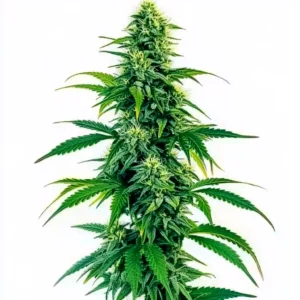
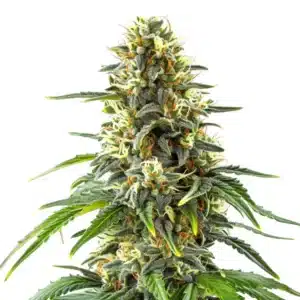
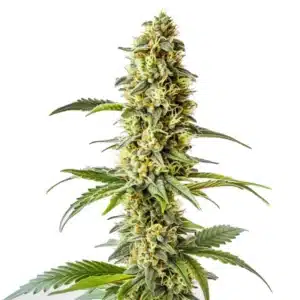
Jamaican cannabis strains: These pure Sativa landraces are native to Jamaica, celebrated for their invigorating, uplifting, and clear-headed cerebral effects. They are highly valued for enhancing daytime productivity and creativity. The strains are distinguished by their sweet, spicy, and earthy aroma. They remain a prized choice for their unique sensory experience and cultural significance.
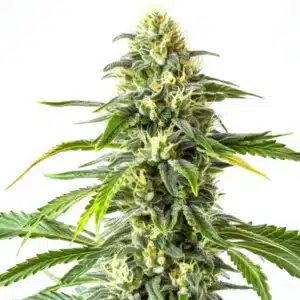
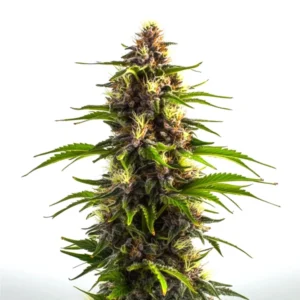
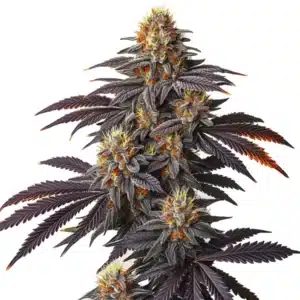
Jamaican strains are notable for their unique terpene profiles, featuring high levels of myrcene and pinene, which contribute to their distinctive aromas and effects. These strains typically flower in 10-12 weeks, thriving in warm, humid climates. Their vibrant colors and dense buds make them a visually appealing choice for cannabis enthusiasts.
Recommended Strains

Jamaican

|
THC | 17% - 21% (Medium) |

|
Type | Feminized |

|
Yield | High |

|
Phenotype | 10% Indica / 90% Sativa |
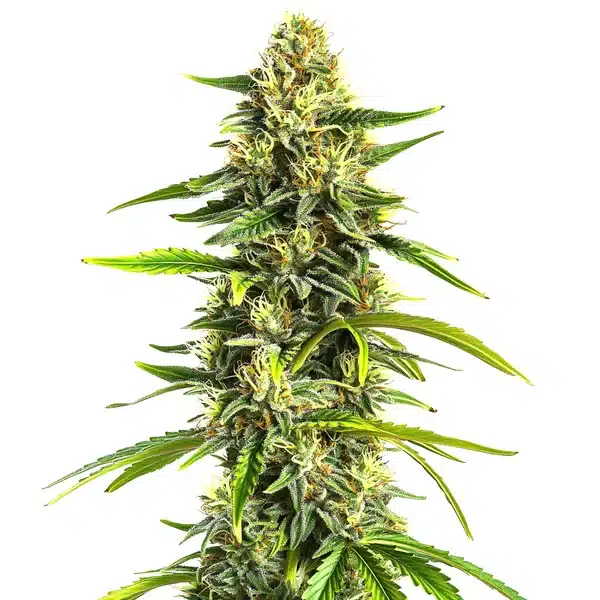
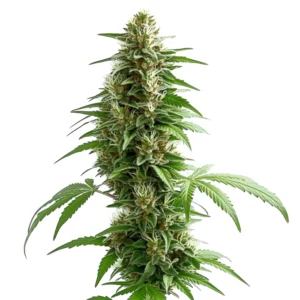
Afghan Hawaiian x Laos x Jamaican
|
|
THC | 20% - 23% (Medium) |
|
|
Type | Feminized |
|
|
Yield | High |
|
|
Phenotype | 30% Indica / 70% Sativa |
Jamaican Strain Overview
History and Cultural Significance
Jamaican strains have deep roots in the island’s culture, intertwined with the Rastafarian movement and reggae music. Cannabis, or ganja, has been a symbol of spiritual and cultural identity. Despite its illegal status until 2015, it has remained a staple in Jamaican society, reflecting a rich heritage of resistance and resilience.
In 2015, Jamaica decriminalized small amounts of cannabis, allowing for personal use and cultivation. This shift acknowledged the plant’s cultural and economic importance. The legal change has fostered a burgeoning cannabis industry, with Jamaican weed strains gaining international recognition for their unique qualities.
Effects and Potency
Jamaican strains are predominantly Sativa, known for their energetic and uplifting effects. They typically contain THC levels ranging from 15% to 20%, offering a potent cerebral high. This makes them ideal for daytime use, enhancing creativity and focus without the sedative effects associated with Indica strains.
The terpene profile of Jamaican strains, rich in myrcene (0.5-1.0%) and pinene (0.3-0.6%), contributes to their sweet, spicy aroma and enhances the psychoactive effects of THC. Myrcene aids in the absorption of cannabinoids, while pinene provides anti-inflammatory benefits, making these strains both enjoyable and therapeutic.
Promos & Deals
Growing Jamaican Strain
Indoor vs Outdoor Cultivation
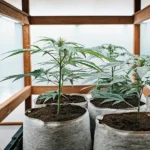
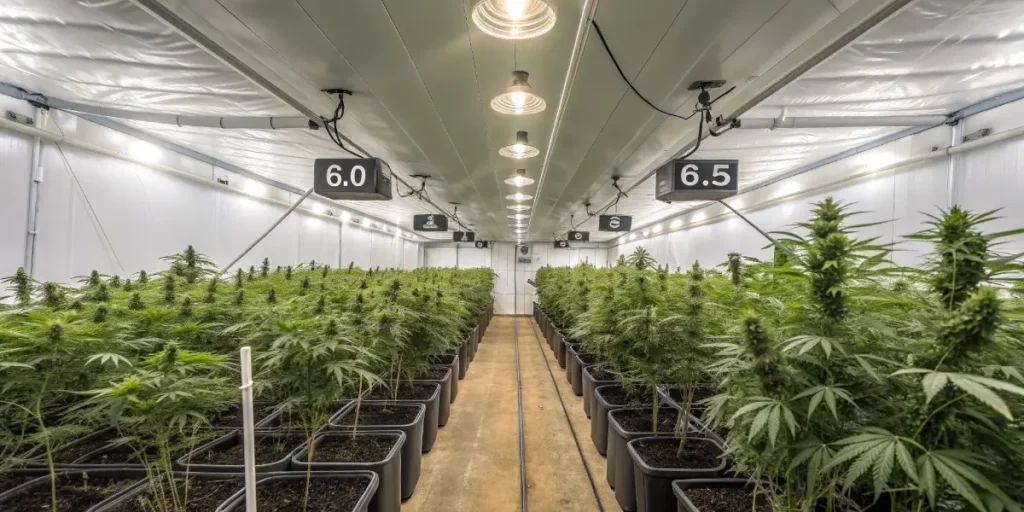
Jamaican strains thrive in warm, humid environments, making them ideal for outdoor cultivation in tropical climates. Outdoor growers can expect yields of 21-25 oz/plant (600-700 g/plant) with proper care. Indoor cultivation requires careful climate control, with temperatures maintained between 70-85°F (21-29°C) and humidity levels adjusted throughout the growth cycle.
Indoor growers should ensure adequate vertical space, as these strains can grow tall. Techniques like topping and low-stress training (LST) can help manage plant height and improve light distribution. Using high-quality LED lights can simulate the intense sunlight these strains require, promoting healthy growth and maximizing yield.
Environmental Requirements
Jamaican strains require specific environmental conditions to flourish. During the vegetative phase, maintain humidity levels between 60-70%, reducing to 40-50% during flowering to prevent mold. Proper ventilation is crucial to avoid humidity-related issues, and a well-designed exhaust system can help maintain air circulation.
Soil pH should be kept at 6.5 for optimal nutrient absorption. Using organic fertilizers and maintaining a consistent feeding schedule can enhance growth and prevent nutrient deficiencies. Regular monitoring of environmental conditions and plant health is essential for a successful harvest.
Technical Insights on Jamaican Strains
Jamaican strains have a unique metabolism that thrives in CO2-rich environments. This aspect is crucial for photosynthesis, where CO2 and water, combined with light, form carbohydrates and oxygen. The arid, CO2-rich air in Jamaica provides an optimal setting for these processes, enhancing the plant’s growth and potency, a characteristic also appreciated in cultivars such as the Modified Grapes strain.
Transpiration in Jamaican strains involves the release of water and oxygen through stomata, which also absorb CO2. This process is vital for nutrient transport and temperature regulation within the plant. Understanding these biological mechanisms can help growers optimize their cultivation techniques for better yields.
| Feature | Lamb’s Bread | Jamaican | CBD Harle Tsu |
|---|---|---|---|
| THC Content | 16-21% | 17-21% | 1% |
| Dominant Terpene | Myrcene | Caryophyllene | Myrcene: earthy, calming |
| Aroma | Earthy, Sweet | Coffee, Pine, Sweet | Spicy, Sweet, Woody |
| Yield Indoor | 1.5-2.0 oz/ft² (450-600 g/m²) | 1.31 – 1.64 oz/ft² | 400 – 500 g/m² | 1.15 – 1.31 oz/ft² | 350 – 400 g/m² |
| Flowering Time | 9-10 weeks | 10-12 weeks | 8-9 weeks |
Jamaican Strain Seeds
Germination Techniques
Successful germination of Jamaican strain seeds begins with selecting high-quality seeds. Blimburn Seeds offers a range of Jamaican cannabis seeds known for their robust genetics. Start by soaking seeds in distilled water for 24-48 hours, or use the damp paper towel method to encourage sprouting.
Maintain a warm environment, ideally between 70-85°F (21-29°C), to facilitate germination. Once taproots appear, plant them in a nutrient-rich medium with good drainage. Keep humidity levels between 60-70% to support healthy seedling development, gradually reducing as the plants mature.
Where to Buy
For authentic Jamaican strain seeds, consider purchasing from reputable sources like Blimburn Seeds. They offer a variety of options, including feminized and autoflowering seeds, ensuring you find the right fit for your growing conditions. Buying from trusted suppliers guarantees quality genetics and enhances your chances of a successful harvest.
Always verify the seed bank’s reputation and customer reviews before purchasing. This ensures you receive genuine products and excellent customer service. Avoid buying seeds from unverified sources to prevent issues with germination and plant health.
Professional Tips for Growing Jamaican Strain
- Maintain 70-85°F (21-29°C) during the day for optimal growth. Temperatures below 65°F (18°C) can stunt growth, while above 90°F (32°C) can cause heat stress.
- Keep humidity at 60-70% during vegetative growth, reducing to 40-50% in flowering. High humidity can lead to mold, especially in dense buds.
- Use organic fertilizers to prevent nutrient burn. Synthetic fertilizers can cause nutrient lockout, affecting plant health and yield.
- Monitor soil pH at 6.5 for nutrient uptake. Deviations can lead to deficiencies, impacting growth and potency.
- Implement LST to manage plant height and maximize light exposure. Tall plants can overshadow lower branches, reducing yield.
- Ensure proper ventilation to prevent mold and mildew. Stagnant air can lead to pest infestations and fungal growth.
FAQs
What strains are good for seizures?
Strains high in CBD, such as CBD Amnesia 11, are often recommended for seizures. CBD levels of 10-15% can help reduce seizure frequency and severity. Always consult with a healthcare provider for personalized advice, as cannabis affects individuals differently.
What is sugar breath?
Sugar breath refers to a sweet, sugary aroma found in certain cannabis strains. It results from a unique terpene profile, often dominated by limonene and myrcene. These terpenes contribute to the strain’s sweet scent and can enhance the overall sensory experience, making it a favorite among cannabis enthusiasts.
Is Jamaican Kush a sativa or indica?
Jamaican Kush is predominantly a Sativa strain, known for its energizing and uplifting effects. It typically contains THC levels between 15% and 20%, providing a potent cerebral high. Its Sativa characteristics make it ideal for daytime use, enhancing creativity and focus.
What strains are popular in Jamaica?
Popular strains in Jamaica include Lamb’s Bread and Jamaican Pearl, known for their Sativa dominance and uplifting effects. These strains thrive in the island’s warm climate, offering THC levels ranging from 15% to 20%. They are celebrated for their cultural significance and unique flavor profiles.
Can I use Jamaican strain in edibles?
Yes, Jamaican strains can be used in edibles, providing a unique flavor and potent effects. Ensure proper decarboxylation to activate THC. Start with low doses, around 5-10 mg THC per serving, to gauge effects. Be cautious of delayed onset, as edibles can take 1-2 hours to take effect.