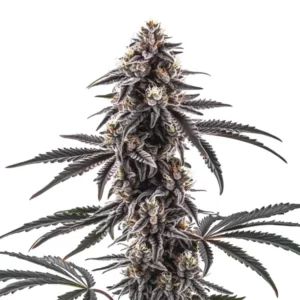
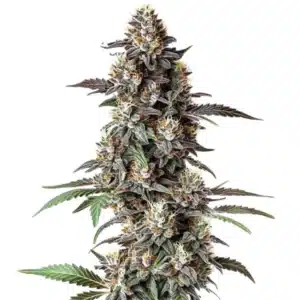
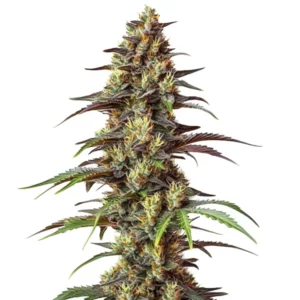
How to Grow Cheese Lemon Regular

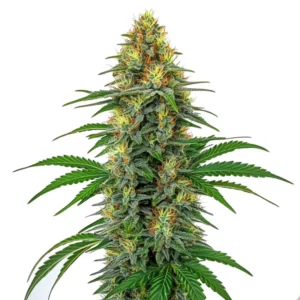
Some crosses read like a menu and some read like a dare. Cheese Lemon Regular, which many growers search for as the lemon cheese strain, pairs Super Lemon Haze, the twice-crowned queen of citrus sativas, with Exodus Cheese, the UK cutting whose funk defined an era. Sour lemon over ripe cheese should not work; one session with it explains why it absolutely does.
This is also the biggest producer in this guide series. The datasheet lists up to 750 g/m² indoors and a staggering 800-1000 grams per plant outside, numbers that come with two honest price tags: a long 10-12 week flowering period and a November harvest. Add the regular-seed format, and this is a project for growers with a season or two behind them. Find the full specs on the Cheese Lemon Regular seeds page at Blimburn Seeds.
Recommended Strains

Cheese Lemon Regular

|
THC | 18% - 22% (Medium) |

|
Type | Regular |

|
Yield | High |

|
Phenotype | 30% Indica / 70% Sativa |
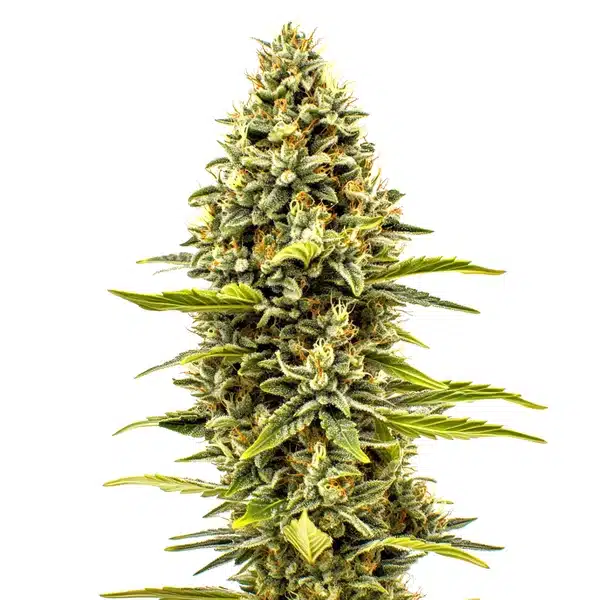
Cheese Auto
|
|
THC | 10% - 15% (Medium) |
|
|
Type | Autoflowering |
|
|
Yield | Medium |
|
|
Phenotype | 75% Indica / 25% Sativa |
If you have the patience and the space, few plants pay better. Here is the complete program, from telling males and females apart to protecting those enormous November colas.
Cheese Lemon Regular at a Glance
Study the flowering and harvest rows before committing; they shape the whole project.
| Type | Regular (photoperiod) |
| Lineage | Super Lemon Haze x Exodus Cheese |
| Phenotype | 30% Indica / 70% Sativa |
| THC | 18% – 22% (medium) |
| Climate | Temperate |
| Height | Up to 4.92 ft (1.5 m) |
| Flowering time | 10 – 12 weeks after the flip |
| Harvest month | November |
| Yield indoor | 1.64 – 2.46 oz/ft² (500 – 750 g/m²) |
| Yield outdoor | 28.22 – 35.27 oz/plant (800 – 1000 g/plant) |
| Effects | Energetic, talkative, happy |
| Flavors | Cheese, lemon, sour |
A kilogram per outdoor plant from something that stops at 4.92 ft is the haze engine working overtime: this plant builds flower for nearly three months straight, and the totals show it. Indoors, the top of the 750 g/m² range goes to growers who give it a full canopy and do not rush the last two weeks.
Promos & Deals



Working with Regular Seeds
These are regular seeds, so roughly half your plants will be male. Germinate double the number of females you want, raise everything identically, and watch the nodes as flowering begins: females push out white, hair-like pistils, males hang small round pollen sacs in clusters. With a 10-12 week bloom ahead, a stray male has months of opportunity, so inspect every plant daily through the first two weeks after the flip and remove males the moment you identify the sex.
The format is also the opportunity. A standout male from this cross carries Super Lemon Haze and Exodus Cheese in breedable form; collect its pollen away from the flowering room, store it cool and dry, and dust one lower branch of your best female if you want seeds of your own line without seeding the harvest.
Getting Cheese Lemon Regular Started
Germinate at 70-79°F in paper towels or plugs; expect taproots inside three days. Pot up in stages to a 3-5 gallon final container indoors, or considerably larger outside if you are chasing four figures in grams. Early growth is vigorous and stretchy, announcing the 70% sativa share immediately.
Veg under 18 hours of light at 68-81°F and 50-60% humidity, and keep it short: two to three weeks indoors. The long flowering period means every extra veg week pushes your calendar deeper into the year, and the post-flip stretch will fill your space on its own. Many growers identify the sex from preflowers during late veg, which saves tent space before the flip.
Feeding Cheese Lemon Regular by EC
Three months of flower production needs steady logistics more than heavy single feeds. Track EC, hold pH at 6.0-6.5 in soil, and plan nutrient stock for the long haul.
| Stage | Weeks | EC | Notes |
|---|---|---|---|
| Seedling | 1-2 | 0.4 – 0.6 | Plain water or very light feed |
| Vegetative | 2-3 | 0.8 – 1.2 | Nitrogen-leaning base nutrients |
| Preflower | Flip + 1-3 | 1.2 – 1.4 | Long stretch; sex the plants now |
| Bloom | Flip + 4-10 | 1.4 – 1.6 | Bloom base, PK booster from week 5 |
| Flush | Final 1-2 | 0.0 – 0.4 | Plain pH-corrected water |
The haze-style stretch runs long, up to three weeks, so hold the transition feed until it settles. From mid-bloom onward the plant drinks heavily and keeps asking for phosphorus and potassium deep into week 10; do not taper early just because the calendar feels long. Watch magnesium under LED lights, as pale striping between leaf veins is this cross’s usual first complaint.
Flush thoroughly at the end. The sour lemon edge turns harsh and generic when minerals linger, and after waiting three months for this flavor, the last thing you want is to blur it.
Training Cheese Lemon Regular and Flipping to 12/12
Top once above the fourth node early in veg and spread the mains wide with low-stress training; a screen is even better if you have one, because the long stretch weaves beautifully into a ScrOG. Build the widest frame your space allows, since the bloom phase will more than double the plant.
Flip to 12/12 at about half footprint coverage, then manage the stretch: tuck or tie shoots weekly for the first three weeks. Once flowering settles in, the work shifts to support and airflow. Those 1000 gram outdoor totals come as long running colas that lean hard by week 9, so stake or cage everything before the weight arrives, and hold indoor humidity at 40-45% with constant air movement through the back half of bloom.
Harvesting and Curing Cheese Lemon Regular
Indoors, start reading trichomes at week 9 of flower; most phenotypes ripen between weeks 10 and 12. Harvest at mostly cloudy for the energetic, talkative character that makes this strain a daytime favorite. Outdoors is the real test: November in a temperate climate means cold nights and rain risk, so a greenhouse, polytunnel or at least a sheltered wall is strongly recommended for the final month. The sativa bud structure sheds moisture well, which is the one mercy of a late finisher.
Dry for 10-14 days at 59-68°F and around 55% humidity, then cure in glass for three weeks minimum. The two halves of the profile develop at different speeds: the lemon is loud from day one, while the cheese funk builds slowly underneath and the sour tang knits them together somewhere around week three. Jars with good seals are mandatory; this is not a discreet stash.
What to Do With Your Trim
A plant this size leaves serious trim, and it processes beautifully. Ice water hash from cheese genetics is an old European favorite, dry sift delivers a sour-lemon kief worth the screens, and infused butter carries the citrus side into edibles. Process the trim within a few weeks of harvest while the volatile lemon notes are still at their peak.
Aroma, Flavor and Terpenes
The flavor triangle of cheese, lemon and sour rests on four terpenes. Limonene is the headline act, driving the bright lemon-peel sharpness inherited straight from Super Lemon Haze. Caryophyllene anchors the other corner with peppery, savory warmth, the backbone every true cheese profile is built on.
The supporting pair completes the picture: humulene adds a dry, earthy, hoppy depth that reads as aged funk, and pinene keeps the whole profile fresh with a resinous green edge. The sourness is the interaction itself, lemon acidity cutting through fatty cheese funk, and it becomes more pronounced as the cure matures. There is nothing else quite like it on the shelf, which is precisely the point.

Common Problems and Pro Tips
Cheese Lemon Regular is a rewarding grow, but its regular genetics, long 70% sativa bloom and loud aroma are a real commitment.
- Sort the males early: as a regular strain it produces both sexes, so check pre-flowers and pull the males before they shed pollen unless you are breeding.
- Plan for a long, stretchy bloom: as a 70% sativa it stretches hard after the flip and flowers for 10 to 12 weeks, so train the tops, give it headroom and feed it through the whole window.
- Plan for the smell: its sharp lemon and aged-cheese aroma gets genuinely loud in flower, so run a carbon filter if you need to keep the grow discreet.
Expert tip: the huge yields come from that extended bloom, so support the heavy colas and, outdoors, protect the late November finish from autumn damp. A three-week cure brings the lemon and cheese into balance.
Frequently Asked Questions
Are Cheese Lemon Regular seeds feminized?
No. These are regular seeds producing males and females in roughly equal numbers. You identify the sex when preflowers appear, remove the males before pollen drops, and flower the females. It is the traditional format, and the one breeders need for making their own crosses at home with this line.
What is the Lemon Cheese strain?
Lemon Cheese is the name many consumers use for this cross of Super Lemon Haze and Exodus Cheese, sold by Blimburn Seeds as Cheese Lemon Regular. It is a 70% sativa known for its sour lemon-over-cheese flavor and unusually large harvests, so the two names point to the same plant.
How long does Cheese Lemon Regular take to flower?
Flowering runs 10 to 12 weeks after the 12/12 flip, clearly longer than average, and outdoor plants finish in November. The extended bloom is inherited from the Super Lemon Haze side and is exactly where the huge yields come from, so plan to feed and support it through the whole window.
How much does Cheese Lemon Regular yield?
Indoor growers harvest 1.64 to 2.46 oz/ft² (500 to 750 g/m²), and outdoor plants with sun, root space and weather protection reach 28.22 to 35.27 oz (800 to 1000 g) each, among the largest per-plant figures in the Blimburn Seeds catalog. Strong support late in bloom protects that weight.
Is Cheese Lemon Regular hard to grow?
It is not fragile, but it demands commitment: identifying and removing males, managing a strong stretch, feeding through a 10 to 12 week bloom and protecting a November finish. Growers with a successful season or two behind them will find it straightforward and extremely rewarding for the size of its harvest.
What does Cheese Lemon Regular taste like?
Sharp lemon up front, aged cheese funk underneath, and a sour tang where the two meet. The lemon dominates fresh jars while the cheese builds through the cure, reaching full balance after about three weeks in glass, so give it that time before you judge the finished flavour.