How To Grow Critical Widow

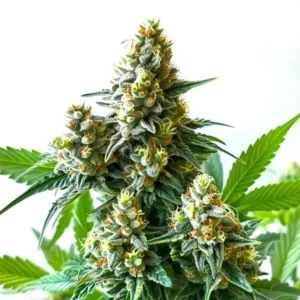
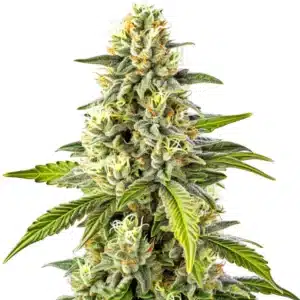
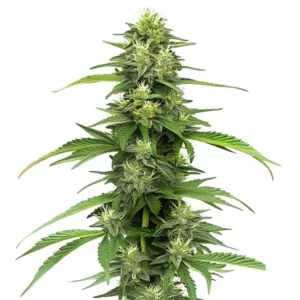
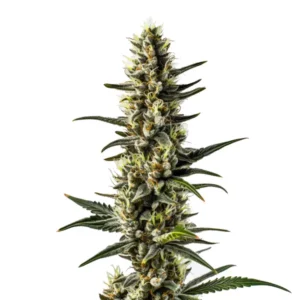
Critical Widow strain characteristics: Critical Widow is a balanced hybrid known for combining the robust yields of Critical Mass with the legendary potency of White Widow. This strain thrives in both indoor and outdoor environments, offering growers a flowering period of 8-10 weeks. Its dense buds are rich in resin, making it ideal for extractions, and it delivers a sweet, citrus aroma.
Critical Widow is celebrated for its unique terpene profile, dominated by Myrcene and Limonene, which contribute to its sweet, citrusy aroma. This strain typically flowers within 8-10 weeks, producing dense, resinous buds. With a balanced hybrid nature, it offers a versatile growing experience for both novice and experienced cultivators, adapting well to various environments.
Recommended Strains
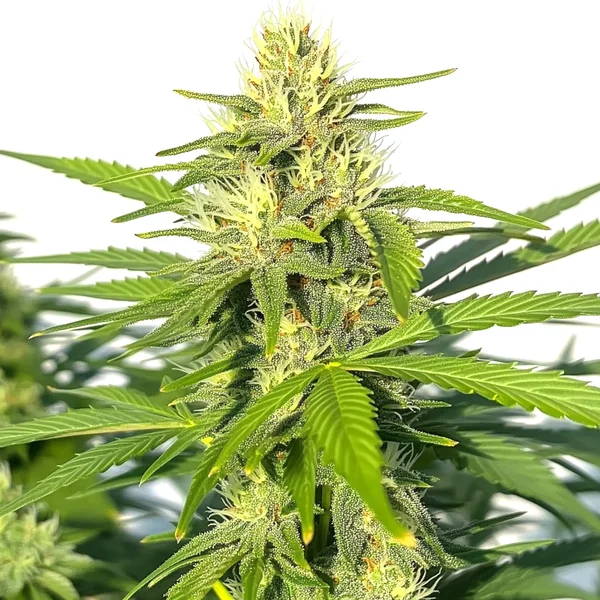
Critical Widow

|
THC | 20% (Medium) |

|
Type | Feminized |

|
Yield | High |

|
Phenotype | 40% Indica / 60% Sativa |
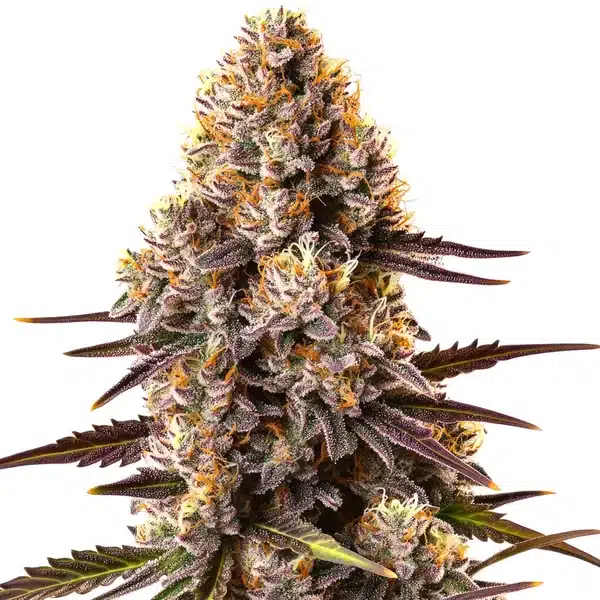
Origins and Genetics of Critical Widow Strain
Origins and Genetics
Critical Widow is a hybrid strain that combines the legendary genetics of Critical Mass and White Widow. Critical Mass is renowned for its high yield potential, while White Widow is famous for its potent effects and resin production. This combination results in a strain that offers both high yields and significant potency, making it a favorite among growers and consumers alike.
The strain’s genetic profile provides a balanced hybrid experience, typically leaning slightly towards indica. This results in a robust plant structure with dense foliage and heavy buds. The resilience of Critical Widow makes it suitable for various growing conditions, whether indoors or outdoors.
Terpene Profile and Effects
Critical Widow’s terpene profile is dominated by Myrcene and Limonene. Myrcene, present at 0.8-1.2%, contributes to the strain’s earthy and musky aroma, enhancing THC uptake and providing relaxing effects. Limonene, at 0.5-0.8%, adds a citrusy note, offering uplifting and stress-relieving properties. Together, these terpenes create a complex aroma and a balanced high.
The effects of Critical Widow are characterized by an initial cerebral uplift, followed by a soothing body relaxation. This makes it ideal for social settings or unwinding after a long day. The strain’s balanced nature ensures that it provides both mental stimulation and physical calm without overwhelming sedation.
Promos & Deals

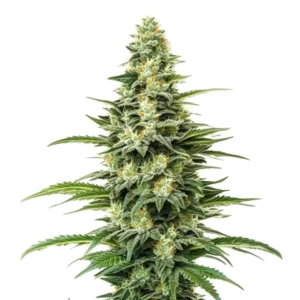
How to Grow Critical Widow
Germination Techniques
Successful germination is the first step in growing Critical Widow. The paper towel method is highly recommended. Start by soaking the seeds for 12 to 24 hours in room-temperature water. This process hydrates the seeds, preparing them for sprouting. Next, place the seeds between two damp paper towels, ensuring they are moist but not overly wet.
Keep the paper towels in a warm, dark place, such as inside a Ziploc bag or between two plates. Within 3 to 7 days, you should see a white taproot emerge. At this point, carefully transfer the seed to a starter pot, planting it about a half-inch deep with the root pointing downward. This careful handling is crucial to avoid damaging the delicate taproot.
Vegetative Stage Tips
During the vegetative stage, Critical Widow focuses on building a strong structure. Maintain an 18/6 light cycle to promote vigorous growth. The strain is a heavy feeder, requiring a nutrient mix rich in Nitrogen (N) to support leaf development. Regularly monitor the plant’s growth and adjust nutrients as needed to prevent deficiencies.
Training techniques such as Topping or the Sea of Green (SOG) method can significantly enhance yields. These methods help open up the plant’s canopy, allowing light to penetrate deeper and promote the development of multiple colas. This results in a more even distribution of light and increased bud production.
| Feature / Merkmal | Critical Widow | Critical | Northern Lights |
|---|---|---|---|
| THC Content | 20-24% | 20-22% | 16-20% |
| Flowering Time | 8-10 weeks | 7-9 weeks | 7-8 weeks |
| Height | 2-7.2 feet (60-220 cm) | 2-6 feet (60-180 cm) | 2-5 feet (60-150 cm) |
| Yield | 1.5-1.8 oz/ft² (450-550 g/m²) | 1.2-1.5 oz/ft² (350-450 g/m²) | 1-1.2 oz/ft² (300-350 g/m²) |
| Dominant Terpene | Myrcene | Limonene | Pinene |
Indoor vs. Outdoor Cultivation
Best Practices for Indoor Growing
Indoor cultivation of Critical Widow offers the advantage of a controlled environment. The plant typically reaches a height of 2 to 3.3 feet (60-100 cm), making it suitable for most grow tents. It’s crucial to maintain stable temperatures between 68°F and 77°F (20°C and 25°C) to ensure optimal growth.
Humidity levels should be kept between 40-50% to prevent mold and mildew, especially during the flowering stage. Good airflow is essential, so invest in quality fans and ventilation systems. Regularly check and adjust environmental conditions to keep the plant healthy and productive.
Outdoor Growing Tips
When grown outdoors, Critical Widow can reach heights of 5.5 to 7.2 feet (170-220 cm). It thrives in warm, temperate climates, such as those found in California or the Southeast U.S. Ensure the plant receives ample sunlight and is protected from harsh weather conditions.
Regularly monitor for pests and diseases, and take preventive measures to protect the plant. Outdoor growers should also be mindful of the plant’s flowering time, ensuring it is harvested before the onset of autumn rains, which can increase the risk of mold in dense buds.
Environmental Control for Optimal Growth
To maximize the potential of Critical Widow, understanding its environmental needs is crucial. Daytime temperatures should be maintained between 20°C and 25°C (68°F – 77°F) with a slight drop at night. This temperature range supports robust metabolism and growth. During the vegetative phase, maintain humidity levels between 60% – 70% to encourage vigorous leaf development. As the plant transitions to the flowering stage, reduce humidity to 40% – 50% to prevent bud rot.
CO2 enrichment can further enhance growth and yield. Plants use CO2 during photosynthesis to produce energy, and an enriched environment can accelerate growth rates. Ensure proper ventilation to balance CO2 levels and prevent any potential buildup of excess humidity or heat.
Professional Tips for Growing Critical Widow
- Maintain a stable temperature of 68-77°F (20-25°C) to prevent stress that can stunt growth.
- Keep humidity levels around 40-50% during flowering to avoid mold in dense buds.
- Use a nutrient mix high in Nitrogen during the vegetative stage for robust leaf growth.
- Switch to a bloom fertilizer high in Phosphorus and Potassium during flowering.
- Regularly train plants using Topping or SOG methods to maximize light exposure and yields.
- Monitor for pests and diseases, especially when growing outdoors, to protect your harvest.

FAQs About Critical Widow
Is Critical Widow indica or sativa?
Critical Widow is a balanced hybrid strain, leaning slightly towards indica. This genetic mix results in a plant structure that supports dense bud production, typical of indica varieties. The strain offers a balanced high, combining cerebral and physical effects, making it versatile for various uses.
What are the effects of Critical Widow?
Critical Widow delivers a balanced high, starting with a euphoric cerebral rush followed by a relaxing body sensation. With THC levels ranging from 20-24%, it provides a potent experience that is both uplifting and calming, ideal for socializing or unwinding.
How does Critical Widow compare to White Critical?
While both strains are hybrids, Critical Widow offers a slightly higher THC content of 20-24%, compared to White Critical’s 18-22%. Critical Widow also has a longer flowering time of 8-10 weeks, providing a more extended growing period for those seeking larger yields.
What makes Critical Widow suitable for extractions?
Critical Widow’s dense, resinous buds are ideal for extractions, such as live resin or hash. The high resin content, combined with its terpene profile dominated by Myrcene and Limonene, ensures flavorful and potent extracts, capturing the strain’s signature aroma and effects.
Can Critical Widow be grown in cooler climates?
Yes, but growers in cooler climates should consider using a greenhouse to protect the plants from temperature fluctuations. Maintaining stable conditions is crucial to prevent stress and ensure a successful harvest. Using supplemental lighting and heating can also help optimize growth.