A Guide to Automatic Flowering Strains for Outdoor Growing

Quick Summary: Automatic flowering outdoor cultivation allows for fast, discreet harvests without relying on light cycles. By utilizing robust genetics and natural sunlight, growers can achieve multiple high-quality yields per season in diverse climates with minimal technical equipment.
Mastering Automatic Flowering Outdoor Cultivation
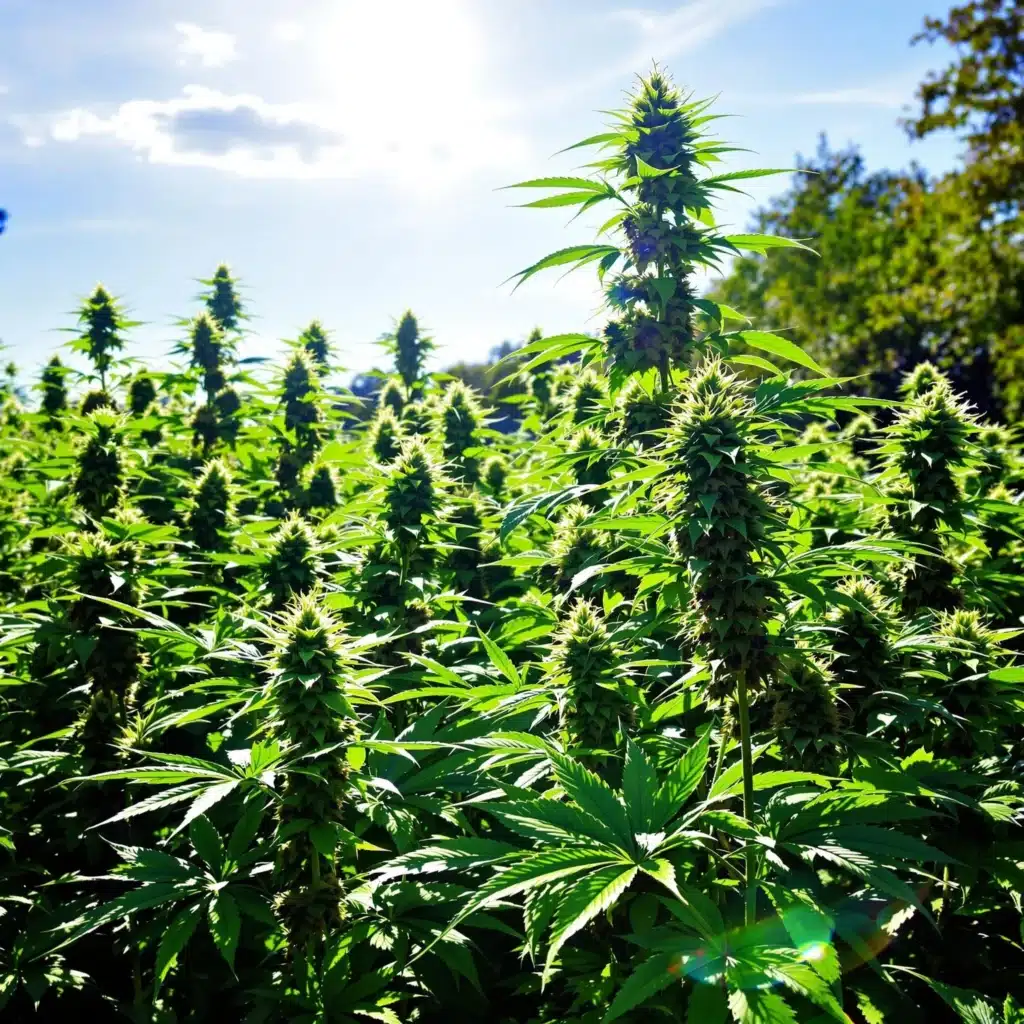
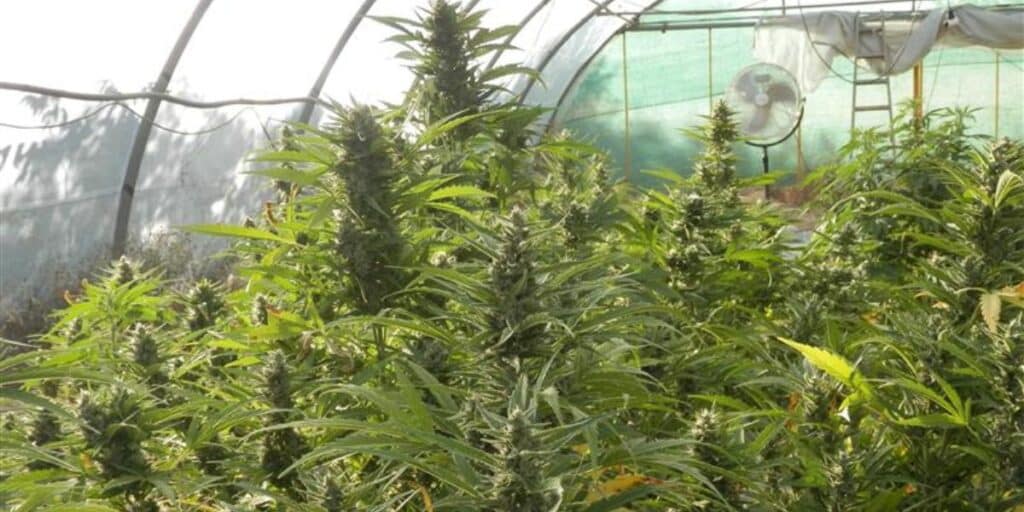
Growing automatic flowering outdoor strains has changed the game for home gardeners. Unlike photoperiod plants, these strains transition from leaf growth to flower production based on age, not light changes. This is due to their Cannabis ruderalis heritage, a hardy species from cold regions that adapted to short summers by flowering quickly. For the outdoor grower, this means you can plant in May and harvest by July, avoiding the humid autumn weather that often causes bud rot.
Recommended Strains

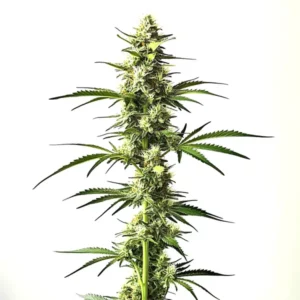
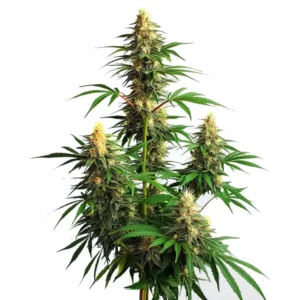
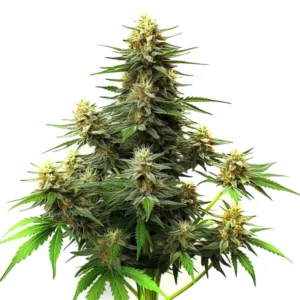
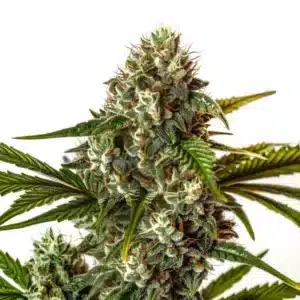
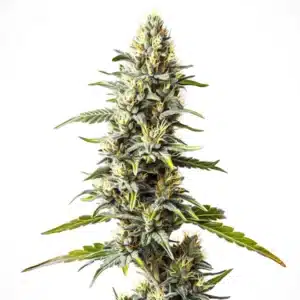
Northern Lights

|
THC | 17% (Medium) |

|
Type | Feminized |

|
Yield | High |

|
Phenotype | 90% Indica / 10% Sativa |

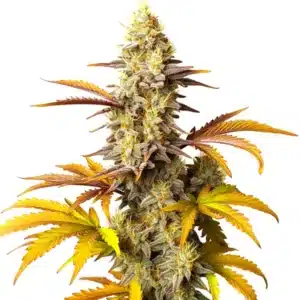
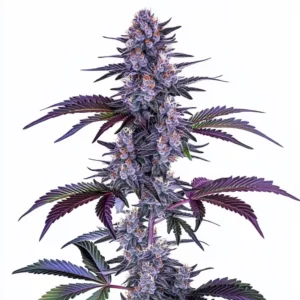
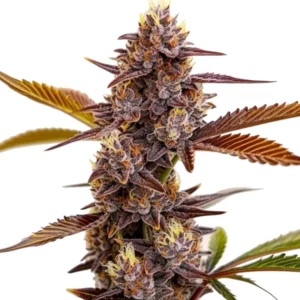
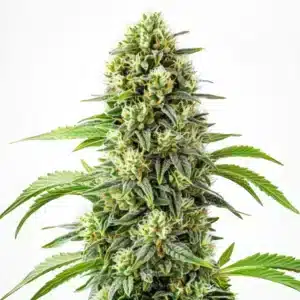
Northern Lights Autoflower
|
|
THC | 10% - 14% (Low) |
|
|
Type | Autoflowering |
|
|
Yield | High |
|
|
Phenotype | 80% Indica / 20% Sativa |
To succeed with growing autoflowers outdoors, you must understand their limited timeframe. Since an autoflower only stays in the vegetative stage for about 3-4 weeks, any stress like underwatering or pest damage can permanently stunt the plant. There is no time for the plant to recover. Therefore, providing a perfect start with high-porosity soil and early-stage root stimulants is vital for a heavy harvest.
Biological resilience is a hallmark of autoflowers outdoor. These plants often have thicker cell walls and a more vigorous immune system. However, they still require specific nutrients. During the first few weeks, focus on nitrogen to build the “solar panels” (leaves). Once you see the first white hairs (pistils), shift to a high-phosphorus and potassium ratio (PK 13/14) to support dense floral clusters and trichome development.
Promos & Deals
Choosing the Best Site for Autoflowering Outdoors
Location is everything when you grow autoflower outdoors. While they are hardy, they are “sun-hungry.” A plant receiving 10 hours of direct, intense sunlight will produce significantly more resin and weight than one in a shaded corner. Morning sun is particularly valuable because it dries off the dew from the night before, which is the best way to prevent Botrytis (gray mold) without using chemicals.
Managing the root zone is the second pillar of success. Autoflowering outdoors gives you the choice between ground planting and containers. Pots are usually better because they allow you to move the plant during extreme weather, like hailstorms or heatwaves. Use a 3 to 5-gallon container; anything larger is often a waste of soil since the plant’s life cycle is too short to fully colonize the medium. Ensure your soil pH is between 6.0 and 6.5 to keep nutrients mobile and available.
When growing autoflowers outside, you must also consider the “Entourage Effect.” This is the synergy between cannabinoids like THC and terpenes such as Myrcene and Limonene. Natural sunlight provides a full UV spectrum that indoor lights struggle to mimic. This extra UV-B exposure often results in higher terpene production, making outdoor-grown autoflowers smell more complex and providing a more “rounded” medicinal effect compared to indoor versions.
| Feature | Northern Lights Auto | Amnesia Haze Auto | Blueberry Auto |
|---|---|---|---|
| Dominant Terpene | Myrcene (Earthy) | Limonene (Citrus) | Caryophyllene (Berry) |
| Lifecycle | 8-10 Weeks | 10-12 Weeks | 9-10 Weeks |
| Best Climate | Temperate/Cool | Hot/Sunny | Mediterranean |
| Resilience | High (Cold Resistant) | Medium (Needs Heat) | High (Pest Resistant) |
| Typical Height | 80-100 cm | 120-150 cm | 70-110 cm |
| Yield Potential | Medium-High | Very High | Medium |
Professional Tips for Success Outdoors
- Avoid Transplanting: Always start your seeds in their final container. Autoflowers have a “internal clock,” and the 2-3 days of transplant shock can cost you 20% of your final yield.
- The “Finger Test” for Water: Don’t water on a schedule. Stick your finger 2 inches into the soil; if it’s dry, water it. Overwatering is the #1 killer of outdoor seedlings.
- Fabric Pots are Key: Use breathable “smart pots.” They allow for air-pruning of the roots, which prevents the plant from becoming root-bound and encourages a massive, fibrous root system.
- Watch the Trichomes: Don’t harvest based on the breeder’s timeline. Use a 30x-60x loupe. Harvest when 10-20% of the resin glands are amber for a physical “body” effect, or while they are all milky for a more “heady” stone.
How to grow autoflowering seeds outdoors in short summers?
If you live in a northern climate with short summers, the trick is to start your seeds indoors under a simple fluorescent light 2 weeks before the last frost. This gives them a head start. Once the nights stay above 10°C (50°F), move them outside. Because they flower based on age, they will finish long before the autumn rains start.
What is the best light cycle for automatic flowering plants?
While photoperiod plants need 12 hours of darkness, autoflowers do best with as much light as possible. Outdoors, they naturally take whatever the sun gives (usually 14-16 hours in summer). If you are supplementing with lights, never go below 18/6. More light equals more energy for the plant to build dense, heavy buds.
Are outdoor autoflowers less potent than indoor ones?
Not at all. In fact, many connoisseurs prefer outdoor autoflowers because the full spectrum of the sun develops a wider range of cannabinoids and terpenes. While indoor plants might look “prettier” due to controlled conditions, outdoor plants often have a more powerful “kick” due to the complex chemical profiles developed under natural UV rays.
By following these technical guidelines for automatic flowering outdoor growth, you can bypass the steep learning curve of traditional cannabis and enjoy multiple harvests of high-potency flower every single year.