Top Candy Strains: Sweet Cannabis Varieties Explored

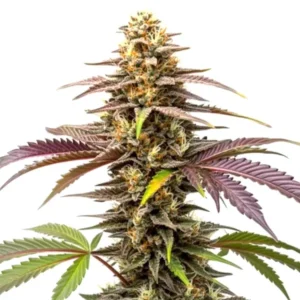
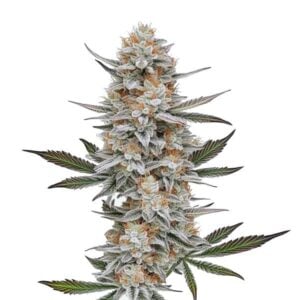
Candy strains: Candy cannabis strains are terpene-rich hybrids crafted for their sweet, dessert-like flavors reminiscent of fruit candies and sugary treats. These strains typically offer an uplifting euphoria coupled with a calming, mellow relaxation. They are favored for their ability to deliver both a delightful taste and a balanced high, making them popular among cannabis enthusiasts.
Candy strains captivate with their sweet, candy-like flavors and exhilarating effects. These strains often boast complex terpene profiles, enhancing their fruity and dessert-like aromas. Notable strains like “Gelato” and “Z OG” are celebrated for their unique blends of terpenes and cannabinoids, offering a rich sensory experience. Their flowering time ranges from 8 to 10 weeks, making them a favorite among growers.
Recommended Strains


What Are Candy Strains?
Flavor Profiles and Effects
Candy strains are distinguished by their terpene profiles, which often include high levels of limonene and myrcene. Limonene, ranging from 0.5% to 1.5%, provides citrusy aromas and enhances mood by increasing serotonin levels. Myrcene, typically between 0.8% and 1.2%, offers earthy, musky notes and facilitates THC absorption, resulting in a more potent high.
The effects of candy strains are as diverse as their flavors. They generally offer an uplifting cerebral high, followed by a soothing body relaxation. This balance makes them ideal for both social settings and solitary relaxation. The THC content in these strains can range from 18% to 25%, providing a potent experience for users.
Practical Applications and Impact
Candy strains are perfect for users seeking both flavor and effect. Their sweet profiles make them appealing for those who enjoy flavorful cannabis experiences. These strains are often used for creative endeavors or social gatherings due to their uplifting effects. Their balanced high also makes them suitable for evening relaxation.
When selecting candy strains, consider your desired effects and flavor preferences. Strains like “Candyland” and “Bubblegum Gelato” offer unique combinations of sweetness and potency, making them popular choices. For growers, these strains require careful attention to terpene preservation during curing to maintain their distinct flavors.
Promos & Deals
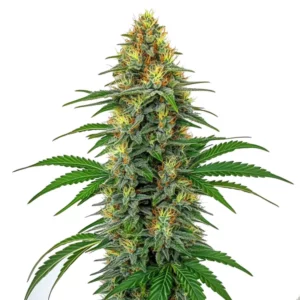

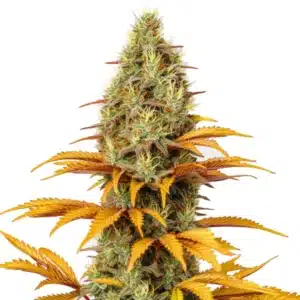
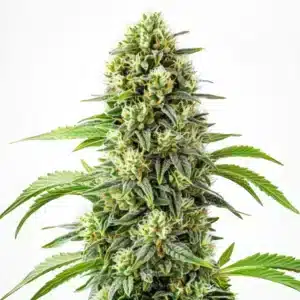
Top Candy Strains
Best Candy Weed Strains
For those seeking the best candy weed strains, options like “Gelato” and “Candyland” are top contenders. “Gelato” offers a rich dessert-like flavor with 22-26% THC, perfect for evening relaxation. “Candyland,” with its fruity sweetness and 20-24% THC, provides an uplifting and creative high.
These strains are ideal for users who prioritize flavor and potency. Their unique terpene profiles, such as limonene and myrcene, enhance their sweet aromas and effects. When selecting a strain, consider the desired balance between flavor and high, as each offers a distinct experience.
Candy Sativa Strains
Candy sativa strains like “Cinderella 99 X Blueberry” are known for their energizing effects and sweet flavors. With 18-22% THC, this strain combines the fruity sweetness of blueberry with the uplifting effects of sativa. It’s ideal for daytime use, providing a burst of energy and creativity.
These strains are perfect for users seeking an invigorating high with a sweet twist. Their dominant terpenes, such as limonene and pinene, contribute to their refreshing aromas and energizing effects. When choosing a sativa strain, consider the balance of flavor and energy it offers.
| Feature | Candyland | Bubblegum Gelato | Z OG |
|---|---|---|---|
| THC Content | 22-26% | 20-24% | 18-22% |
| Dominant Terpene | Limonene | Myrcene | Caryophyllene |
| Flavor Profile | Fruity, Sweet | Bubblegum, Creamy | Candy, Earthy |
| Effects | Euphoric, Relaxing | Uplifting, Relaxing | Calming, Uplifting |
| Flowering Time | 8-9 weeks | 9-10 weeks | 8-9 weeks |
Candy Strains List
Popular Candy Weed Names
Popular candy weed names include “Candyland,” “Bubblegum Gelato,” and “Z OG.” These strains are celebrated for their sweet flavors and balanced effects. “Candyland” offers a fruity, sweet profile with 22-26% THC, while “Bubblegum Gelato” provides a creamy, bubblegum flavor with 20-24% THC.
These strains are ideal for users who enjoy flavorful cannabis experiences. Their unique terpene profiles, such as limonene and myrcene, enhance their sweet aromas and effects. When selecting a strain, consider the desired balance between flavor and high, as each offers a distinct experience.
Growing Candy Strains
Best Candy Strains for Beginners
For novice growers, strains like “Z OG” are perfect due to their resilience and ease of cultivation. With a flowering time of 8-9 weeks and moderate THC levels of 18-22%, “Z OG” offers a sweet, candy-like profile that’s easy to grow and delightful to consume.
These strains are ideal for beginners, offering straightforward cultivation and a forgiving nature. They typically have shorter flowering periods and are resistant to common pests and diseases. When starting your growing journey, choose strains with clear instructions and predictable results.
High THC Candy Strains
High THC candy strains like “Gelato” and “Strawberry Banana” are perfect for those seeking potent effects. With THC levels ranging from 22-26%, these strains deliver strong, euphoric highs combined with sweet, dessert-like flavors that satisfy the palate.
These strains are best suited for experienced users who can handle intense psychoactive effects. They offer a robust experience that can be both mentally and physically engaging, making them a favorite among seasoned cannabis enthusiasts.
Professional Tips for Growing Candy Strains
- Maintain 58-62% RH during curing to preserve terpenes. Below 55% arrests terpene development; above 65% promotes mold growth. Use a digital hygrometer for accuracy.
- Use a 12/12 light schedule for photoperiodic strains to ensure proper flowering. Deviating can delay flowering or reduce yield.
- Monitor soil pH levels between 6.0 and 7.0 for optimal nutrient absorption. Incorrect pH can lead to nutrient lockout.
- Apply N:P:K 1:3:2 during flowering to boost bud development. Imbalanced nutrients can stunt growth or affect potency.
- Ensure 800-1000 µmol/m²/s light intensity during peak flowering for maximum yield. Insufficient light reduces bud size.
- Track THC levels with regular testing to match desired potency. Overestimating can lead to unexpected effects.
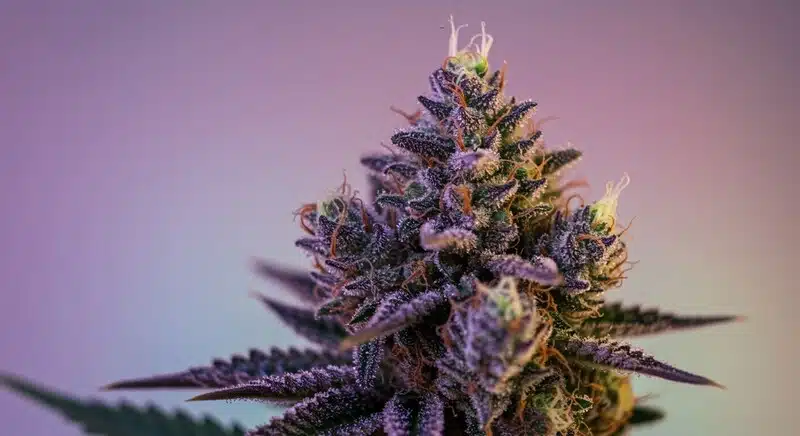
FAQs about Candy Weed Strains
What strains are considered candy?
Candy strains are cannabis varieties known for sweet, candy-like flavors. Popular examples include “Candyland,” “Bubblegum Gelato,” and “Z OG.” These strains often feature fruity, sugary profiles and THC levels ranging from 18% to 26%, offering both novice and experienced users a flavorful and balanced high.
What strain is Candies?
“Candies” is a term often used to describe strains with sweet, candy-like flavors. Strains like “Candyland” and “Bubblegum Gelato” fall under this category, offering fruity and dessert-like profiles. These strains typically have THC levels between 20% and 26%, providing a delightful and potent experience.
What strain is good for seizures?
For managing seizures, high-CBD strains like “Auto CBD Cheese” are recommended. This strain offers a balanced THC:CBD ratio, typically around 1:1, providing therapeutic effects without intense psychoactivity. Always consult a healthcare professional before using cannabis for medical conditions.
What strain is rare candies?
“Rare candies” refers to unique strains with distinct flavors and effects. “Z OG” is an example, known for its candy-like profile and balanced high. With THC levels of 18-22%, it offers a sweet and calming experience, making it a sought-after choice among enthusiasts.
How do candy-flavored cannabis strains get their sweet taste?
Candy-flavored strains derive their sweetness from terpenes like limonene and myrcene. Limonene provides citrusy notes, while myrcene adds earthy undertones. These terpenes, found in concentrations of 0.5-1.5%, not only contribute to flavor but also enhance the strain’s psychoactive effects.