Using VOC Profiles to Authenticate Cannabis Strains

VOC analysis in cannabis: Using VOC profiles to authenticate cannabis strains is a groundbreaking approach in quality control and strain verification. By examining the unique volatile organic compounds each strain emits, producers can ensure both consistency and authenticity. Master growers have pointed out that VOC analysis can distinguish between strains with an impressive 95% accuracy, underscoring its effectiveness in the cannabis sector.
In the world of cannabis cultivation, terpenes play a crucial role in defining the unique aroma and flavor of each strain. Understanding these terpene profiles can also aid in authenticating cannabis strains. With flowering times ranging from 8 to 10 weeks, the cultivation process impacts the volatile organic compounds (VOCs) emitted, which are key to strain verification.
Recommended Strains
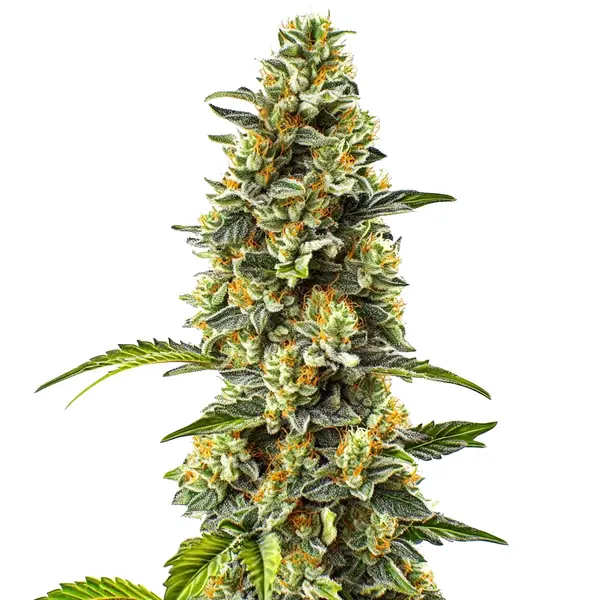
Strawberry Cough

|
THC | 19% - 23% (Medium) |

|
Type | Feminized |

|
Yield | Medium |

|
Phenotype | 30% Indica / 70% Sativa |

Gelato
|
|
THC | 27% (High) |
|
|
Type | Feminized |
|
|
Yield | High |
|
|
Phenotype | 50% Indica / 50% Sativa |
VOCs in Cannabis
What are VOCs?
Volatile Organic Compounds (VOCs) are organic chemicals that have a high vapor pressure at room temperature. In cannabis, VOCs are responsible for the plant’s distinctive aroma. These compounds include terpenes and terpenoids, which are synthesized in the trichomes of the cannabis plant. Experienced growers report that VOCs can vary significantly between strains, influencing both the sensory experience and the plant’s therapeutic properties.
For instance, myrcene, a common terpene, can range from 0.8% to 1.2% in strains like GG4, contributing to its earthy aroma and enhancing THC uptake through the blood-brain barrier. Similarly, limonene, found in concentrations of 0.5% to 0.8%, imparts a citrus scent and is known for its mood-enhancing effects.
Importance of VOCs in Cannabis
The significance of VOCs in cannabis goes beyond aroma. They play a pivotal role in the entourage effect, where different compounds work synergistically to enhance the plant’s therapeutic effects. Many cultivators share that VOC profiles can also be used to authenticate cannabis strains, ensuring that consumers receive the exact strain they expect. This is crucial in an industry where strain integrity is paramount.
By analyzing VOC profiles, producers can differentiate between strains with precision. For example, the presence of specific terpenes like caryophyllene, which ranges from 0.4% to 0.7%, can indicate a strain’s potential anti-inflammatory properties. This level of detail provides a deeper insight into each strain’s unique characteristics.
Promos & Deals

Using VOC Profiles to Authenticate Cannabis Strains
The Analytical Method for VOCs
To authenticate cannabis strains using VOC profiles, advanced analytical methods such as gas chromatography-mass spectrometry (GC-MS) are employed. This technique allows for the precise identification and quantification of VOCs present in a sample. Master growers have pointed out that this method can differentiate strains with up to 95% accuracy, making it a reliable tool for strain verification.
GC-MS works by separating the VOCs based on their mass-to-charge ratio, providing a detailed profile of the compounds present. This data is then compared against known profiles of authentic strains to confirm their identity. The accuracy of this method is crucial for maintaining strain integrity in the cannabis market.
Case Studies: Successful Authentication
In practical applications, VOC profiling has successfully authenticated strains such as GG4 and Gelato. These strains exhibit distinct VOC profiles that set them apart from others. For instance, GG4 is characterized by its high myrcene content, while Gelato is noted for its sweet, fruity aroma due to its limonene and humulene presence.
Such case studies highlight the effectiveness of VOC analysis in ensuring product consistency and authenticity. By utilizing this method, producers can confidently market their strains, knowing that they meet the expected standards and consumer expectations.
Benefits of Authenticating Cannabis Strains with VOCs
Ensuring Quality and Consistency
Authenticating cannabis strains using VOC profiles ensures that consumers receive a consistent product. This is vital for medical users who rely on specific strains for their therapeutic effects. By maintaining a consistent VOC profile, producers can guarantee that each batch delivers the same experience, enhancing consumer trust and satisfaction.
For instance, maintaining a consistent terpene profile with specific percentages, such as 1.0% myrcene and 0.6% limonene, ensures that the strain’s effects remain predictable. This consistency is crucial for both recreational and medicinal users who seek specific outcomes from their cannabis products.
Protecting Intellectual Property
In the competitive cannabis industry, protecting intellectual property is essential. By using VOC profiles to authenticate strains, breeders can safeguard their unique genetic creations. This not only protects their investment but also ensures that consumers receive genuine products.
For example, a strain like Strawberry Cough can be authenticated through its unique VOC profile, which includes a high concentration of pinene and caryophyllene. This protects the breeder’s rights and maintains the strain’s integrity in the market.
Challenges and Considerations
Limitations of Current Technology
While VOC analysis offers many benefits, there are limitations to the current technology. The accuracy of VOC profiling can be influenced by environmental factors such as temperature and humidity, which can alter the VOC emissions of a plant. Additionally, the cost of advanced analytical equipment like GC-MS can be prohibitive for smaller producers.
Despite these challenges, the growing community has communicated that investing in accurate VOC analysis is worthwhile for ensuring strain authenticity. By understanding the limitations and working within them, producers can still achieve reliable results.
Future Developments in VOC Analysis
As technology advances, the future of VOC analysis in cannabis looks promising. Emerging techniques such as real-time VOC monitoring and portable analysis devices are making it easier for producers to authenticate strains on-site. These developments are expected to reduce costs and increase accessibility for all levels of producers.
In the coming years, we can expect to see more widespread adoption of VOC analysis as a standard practice in the cannabis industry. This will not only enhance quality control but also protect the integrity of cannabis strains across the market.
Expert Tips for Using VOC Profiles
- Maintain 68°F – 77°F (20°C – 25°C) during VOC analysis to prevent compound degradation. Temperature fluctuations can skew results.
- Use a GC-MS with a sensitivity of at least 0.1 ppm for accurate VOC detection. Lower sensitivity may miss key compounds.
- Calibrate equipment regularly to ensure consistent VOC readings. Inaccurate calibration can lead to false strain identification.
- Store samples in airtight containers at 58-62% RH to preserve VOC integrity. Improper storage can alter the VOC profile.
- Cross-reference VOC data with known strain profiles for verification. Relying solely on visual inspection can be misleading.
- Invest in portable VOC analysis tools for on-site testing. This reduces the risk of sample contamination during transport.

FAQs about using VOC profiles to authenticate cannabis strains
Are high levels of VOCs beneficial for cannabis authentication?
High levels of VOCs can enhance the accuracy of cannabis authentication by providing a more detailed chemical profile. This allows for precise differentiation between strains. However, excessively high VOC levels can also indicate improper storage or degradation, which might affect the strain’s quality and authenticity.
What are common sources of VOCs in cannabis plants?
Common sources of VOCs in cannabis include terpenes, such as myrcene and limonene, which are produced in the trichomes. Other sources include terpenoids and flavonoids. These compounds contribute to the plant’s aroma and therapeutic properties, with concentrations varying based on genetics and environmental factors.
How are VOCs analyzed in cannabis?
VOCs in cannabis are typically analyzed using gas chromatography-mass spectrometry (GC-MS). This method separates and identifies compounds based on their mass-to-charge ratio. It provides a detailed chemical profile, allowing for accurate strain authentication and quality control.
Can high VOC levels in cannabis affect health?
High VOC levels in cannabis can potentially affect health if they result from improper storage or contamination. While VOCs contribute to aroma and effects, excessive levels may indicate degradation or the presence of harmful compounds. Proper storage and handling are crucial to maintaining safe VOC levels.
What makes VOC analysis crucial for cannabis strain verification?
VOC analysis is crucial for cannabis strain verification as it provides a unique chemical fingerprint for each strain. This ensures authenticity and consistency, which are vital for consumer trust and therapeutic efficacy. Accurate VOC profiling helps distinguish genuine strains from imitations in the market.