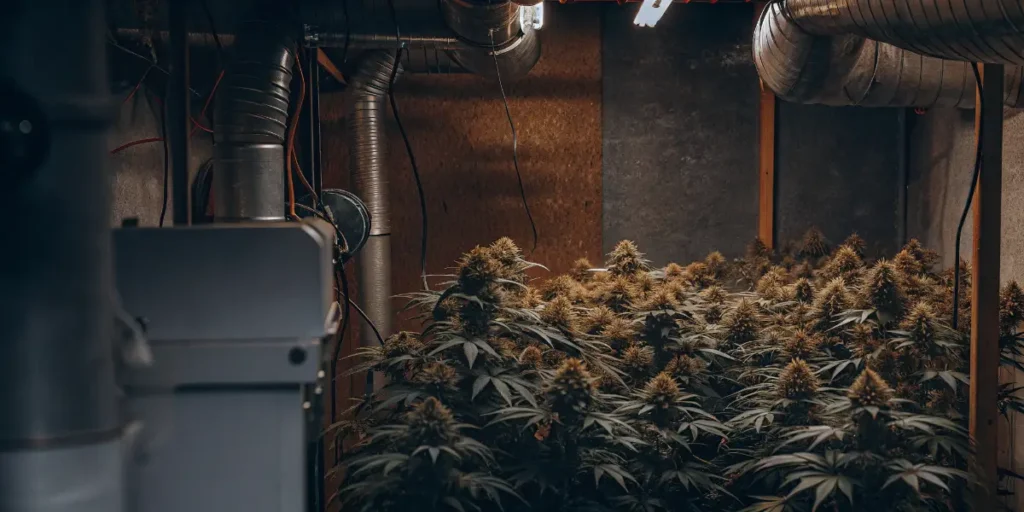
Best Practices for Air Exchange in Cannabis Grow Rooms: Managing VOCs

Effective air exchange:In cannabis cultivation, managing air exchange is vital for controlling volatile organic compounds (VOCs) and ensuring optimal plant health. Following best practices for air exchange cannabis grow VOCs helps maintain consistent airflow, reduce VOC buildup, and create a healthier growing environment. Experienced growers emphasize the importance of proper ventilation to support vigorous plant development and maximise yields. By implementing efficient air exchange systems, cultivators can improve air quality, stabilise environmental conditions, and potentially increase yields by up to 20%, according to reports from seasoned growers.
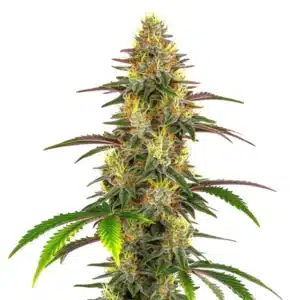
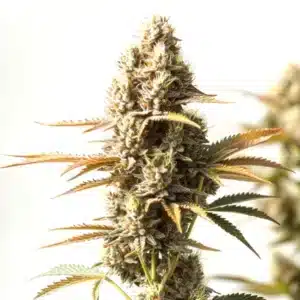
Terpenes play a crucial role in the aroma and flavor of cannabis, with compounds like Myrcene and Limonene affecting both scent and taste. The flowering time for strains such as GG4 can range from 8 to 9 weeks, impacting terpene development. By optimizing air exchange, you can enhance terpene profiles and overall plant quality.
Recommended Strains
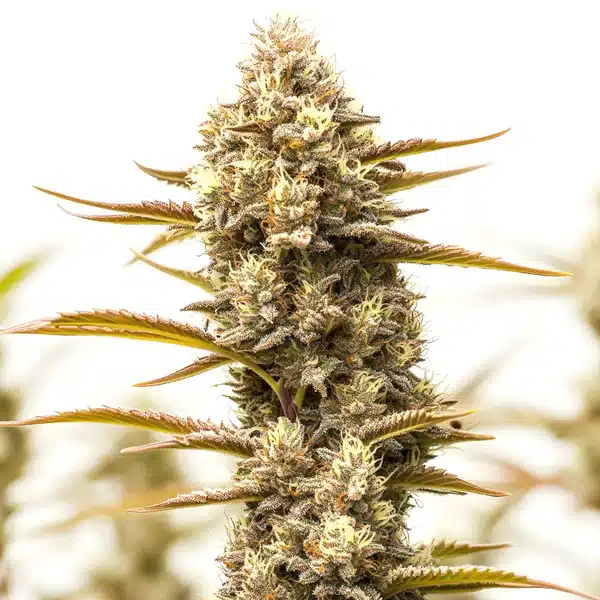
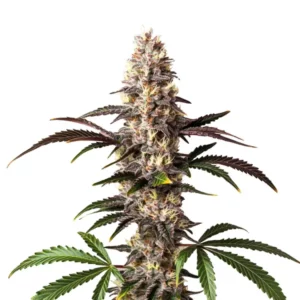
Northern Lights x Blueberry Auto

|
THC | 16% - 18% (Medium) |

|
Type | Autoflowering |

|
Yield | High |

|
Phenotype | 75% Indica / 25% Sativa |
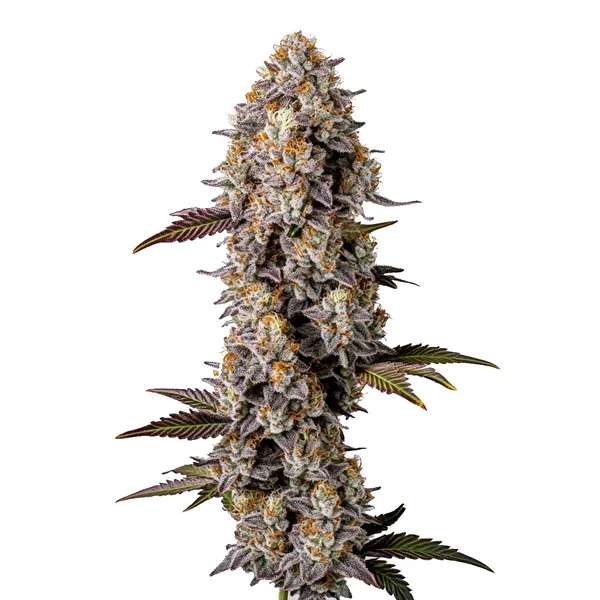
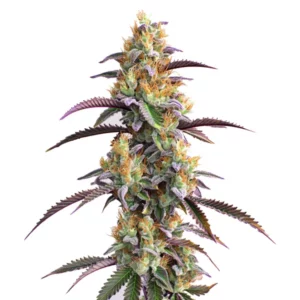
Lemon Cherry Gelato
|
|
THC | 23% - 29% (High) |
|
|
Type | Feminized |
|
|
Yield | High |
|
|
Phenotype | 60% Indica / 40% Sativa |
Air Exchange in Cannabis Cultivation
The Role of Air Quality in Plant Health
Air quality directly influences cannabis plant health, affecting photosynthesis and transpiration rates. Poor air circulation can lead to stagnant air, increasing humidity levels and encouraging mold growth. Following the best practices for air exchange cannabis grow VOCs helps cultivators maintain a healthier growing environment by reducing volatile organic compound (VOC) buildup and improving overall air quality. Maintaining an airflow of 0.5 to 1.5 m/s (1.6 to 4.9 ft/s) is crucial for preventing these issues, supporting effective air exchange, and ensuring robust plant development.
Experienced growers report that inadequate air exchange can lead to a 30% reduction in yield due to increased disease susceptibility. By implementing proper ventilation, you can maintain optimal CO2 levels between 350-1500 ppm, enhancing photosynthetic efficiency and plant growth.
Practical Application & Impact
Implementing a robust ventilation system is essential for controlling VOCs and maintaining air quality. Many cultivators use inline fans and carbon filters to manage airflow and reduce odors. A typical setup might include a fan with a capacity of 200-400 CFM for a 4×4 ft grow tent, ensuring efficient air exchange.
To enhance plant health, ensure your ventilation system is running continuously during the light cycle. This practice helps maintain CO2 levels and prevents the buildup of harmful VOCs, which can otherwise lead to leaf discoloration and reduced growth rates.
| Feature / Merkmal | GG4 | Northern Lights X Blueberry Auto | Lemon Cherry Gelato |
|---|---|---|---|
| THC Content | 27% | 16-18% | 23-29% |
| Dominant Terpene | Caryophyllene | Alpha-Pinene | Limonene |
| Yield | High | High | High |
| Flowering Time | 8-10 weeks | 8-10 weeks | 8-9 weeks |
| Height | 6.56 ft | 2 m | 3.28 ft | 1 m | 4.92 ft | 1.5 m |
Promos & Deals
VOCs and Their Significance in Cannabis Cultivation
Common VOCs in Cannabis Cultivation
Volatile organic compounds (VOCs) in cannabis cultivation include terpenes like Limonene and Pinene, which contribute to the plant’s aroma. These compounds can accumulate in grow rooms, affecting air quality and potentially causing respiratory issues if not properly managed. Maintaining VOC levels below 500 ppb is crucial for a safe growing environment.
Experienced cultivators note that high VOC concentrations can lead to a 15% decrease in plant growth due to stress responses. Utilizing activated carbon filters can effectively reduce VOC levels, ensuring a healthier environment for both plants and growers.
Monitoring and Managing VOC Levels
Regular monitoring of VOC levels is essential for maintaining optimal air quality in grow rooms. Many growers use digital VOC sensors to track concentrations, ensuring they remain within safe limits. A typical setup might involve placing sensors at canopy level for accurate readings.
To effectively manage VOCs, ensure your ventilation system is equipped with high-quality filters and regularly check for clogs or wear. This practice helps maintain air quality and prevents the buildup of harmful compounds that can affect plant health.
Best Practices for Air Exchange in Cannabis Grow Rooms
Implementing Effective Ventilation Systems
Effective ventilation systems are crucial for maintaining air quality and managing VOCs in cannabis grow rooms. Following the best practices for air exchange cannabis grow VOCs helps cultivators maintain stable environmental conditions, minimise odour issues, and support healthy plant development. Inline fans, carbon filters, and oscillating fans are commonly used to ensure proper airflow and reduce VOC concentrations. A well-designed system can handle 200–400 CFM, which is typically sufficient for a 4×4 ft grow space, helping to improve air circulation, control humidity, and create a healthier growing environment.
Master growers emphasize the importance of balancing intake and exhaust airflow to prevent negative pressure, which can lead to air leaks and reduced efficiency. Regular maintenance, including cleaning and replacing filters, is essential for optimal performance.
Professional Tips for Air Exchange Management
- Maintain 0.5-1.5 m/s (1.6-4.9 ft/s) airflow to prevent mold. Stagnant air can increase humidity and disease risk.
- Use inline fans with 200-400 CFM capacity for 4×4 ft spaces. This ensures efficient air exchange and VOC management.
- Regularly replace carbon filters to maintain VOC levels below 500 ppb. Clogged filters reduce air quality and plant health.
- Monitor CO2 levels, keeping them between 350-1500 ppm for optimal photosynthesis. Low CO2 can limit growth rates.
- Place VOC sensors at canopy height for accurate readings. Incorrect placement can lead to inaccurate data and poor air management.
- Balance intake and exhaust airflow to prevent negative pressure. Unbalanced systems can cause air leaks and inefficiency.
FAQs on Air Exchange and VOCs in Cannabis Cultivation
What is the importance of air exchange in cannabis grow rooms?
Air exchange is crucial for maintaining optimal air quality, controlling humidity, and managing VOC levels in cannabis grow rooms. Proper airflow prevents mold growth and ensures adequate CO2 levels, enhancing plant health and yield. A typical setup involves fans with 200-400 CFM capacity for a 4×4 ft space.
How do VOCs affect cannabis cultivation?
VOCs can impact cannabis cultivation by affecting air quality and plant health. High VOC levels can lead to respiratory issues and stress responses in plants, reducing growth by up to 15%. Utilizing carbon filters and maintaining VOC levels below 500 ppb can mitigate these effects.
What are the best ventilation systems for cannabis grow rooms?
The best ventilation systems for cannabis grow rooms include inline fans, carbon filters, and oscillating fans. These components ensure efficient air exchange and VOC management. A system with 200-400 CFM capacity is suitable for a 4×4 ft space, maintaining optimal air quality and plant health.
How can I monitor VOC levels in my grow room?
Monitor VOC levels using digital sensors placed at canopy height for accurate readings. These sensors provide real-time data, allowing you to adjust ventilation settings as needed. Maintaining VOC levels below 500 ppb is essential for a safe and productive growing environment.
What are some common VOCs found in cannabis cultivation?
Common VOCs in cannabis cultivation include terpenes like Limonene and Pinene, which contribute to the plant’s aroma. These compounds can accumulate in grow rooms, affecting air quality. Maintaining VOC levels below 500 ppb is crucial for a safe growing environment and optimal plant health.