Is sativa a upper or downer?

Quick Summary: Cannabis Sativa is fundamentally classified as an “upper” due to its stimulating, cerebral, and energetic effects. This is primarily dictated by its unique chemotype, featuring high THC-to-CBD ratios and a terpene profile dominated by Limonene and Pinene, which facilitate focus and mood elevation.
Is Sativa an Upper or Downer? The Technical Reality
In the world of cannabis pharmacology, the question of whether sativa is an upper or downer depends on more than just the botanical label. Biologically, Sativa-dominant strains act as stimulants (“uppers”) because they interact with the endocannabinoid system (ECS) to promote dopamine release and invigorate the central nervous system. Unlike Indica varieties, which are rich in sedative monoterpenes like Myrcene, Sativas often possess lower concentrations of this “couch-lock” compound, allowing the psychoactive power of Tetrahydrocannabinol (THC) to deliver a clear-headed, “soaring” high.
Recommended Strains
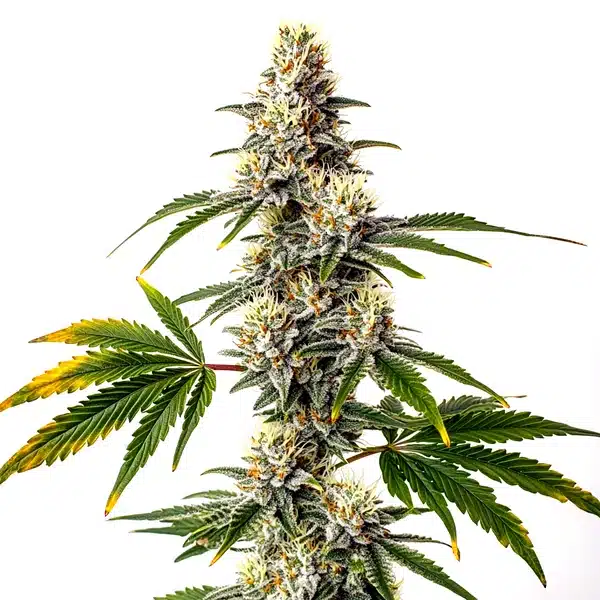
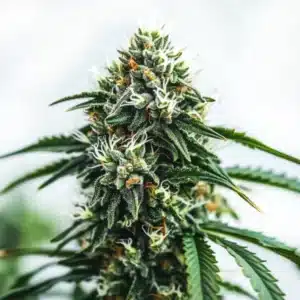
Strawberry Diesel

|
THC | 18% - 20% (Medium) |

|
Type | Feminized |

|
Yield | High |

|
Phenotype | 40% Indica / 60% Sativa |
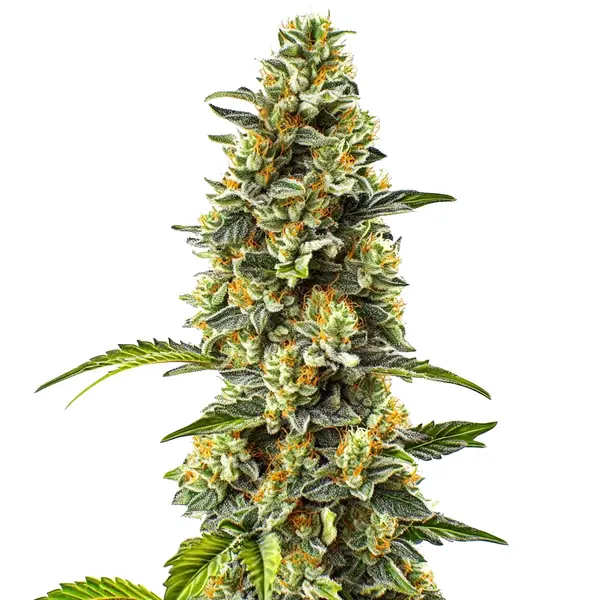
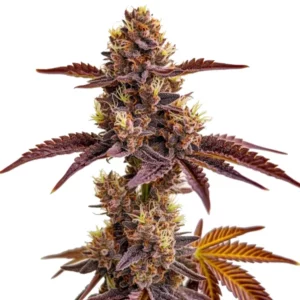
Strawberry Cough
|
|
THC | 19% - 23% (Medium) |
|
|
Type | Feminized |
|
|
Yield | Medium |
|
|
Phenotype | 30% Indica / 70% Sativa |
The entourage effect is the technical driver behind these effects. When THC is consumed alongside terpenes like Limonene (known for anti-anxiety and uplifting properties) and Alpha-Pinene (which acts as a bronchodilator and may mitigate THC-induced memory impairment), the result is a boost in creative energy and physical motivation. For a cultivar to remain a true “upper,” the harvest timing is critical; harvesting when trichomes are mostly translucent or milky white preserves the uplifting nature, whereas waiting for amber trichomes increases the degradation of THC into CBN, which is significantly more sedative.
Promos & Deals
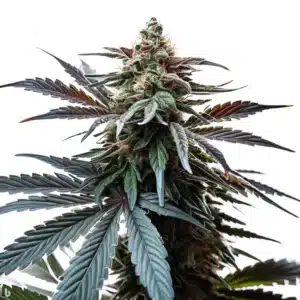
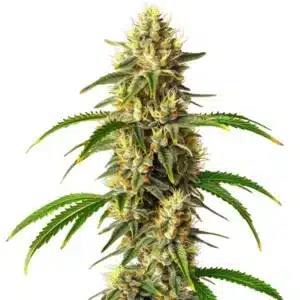
Botanical Origins: Sativa vs. Indica Classification
The distinction between these categories dates back to the work of Carl Linnaeus (1753) and Jean-Baptiste Lamarck (1785). Linnaeus originally identified Cannabis sativa as a fiber-producing plant in Northern Europe, characterized by its tall, leggy stature and loose inflorescences. Lamarck later introduced Cannabis indica to describe the more intoxicating, resin-heavy plants found in India. Today, technical cultivation focuses on the morphological and chemical differences: Sativas thrive in equatorial regions with high DLI (Daily Light Integral), leading to longer flowering cycles of 12 to 16 weeks, while Indicas are adapted to mountainous regions with shorter seasons.
Cultivators managing Sativa-dominant “upper” strains must account for their high metabolic rates. These plants often require more vertical space and a carefully managed NPK (Nitrogen-Phosphorus-Potassium) transition. During the vegetative stage, high Nitrogen supports the rapid elongation of the central meristem. However, once the photoperiod is shifted to 12/12, a significant increase in Phosphorus and Potassium is required to support the development of high-density calyxes that house the glandular trichomes where THC is synthesized.
| Technical Parameter | Pure Haze (Upper) | Pure Indica (Downer) |
|---|---|---|
| Morphology | Tall (up to 15ft), thin-bladed leaves, spacious internodes. | Short, bushy, broad-bladed leaves, dense canopy. |
| Flowering Period | 10 – 16 weeks (long maturation). | 6 – 9 weeks (fast maturation). |
| Primary Terpenes | Limonene, Pinene, Terpinolene (Stimulating). | Myrcene, Linalool, Beta-Caryophyllene (Sedative). |
| Optimal PPFD | 800-1100 µmol/m²/s (Requires high light intensity). | 600-900 µmol/m²/s (Responds to moderate light). |
| Typical Effect | Cerebral, energetic, euphoric, social. | Physical, narcotic, analgesic, sedative. |
| Harvest Signal | 90% Milky White Trichomes for peak “Upper” potency. | 30% Amber Trichomes to enhance “Downer” sedation. |
The Most Euphoric “Upper” Strains
Selecting the right genetics is the first step in ensuring a stimulating experience. The market has gravitated toward F1 Hybrids and stabilized landrace crosses that prioritize terpene complexity over raw THC percentages. For example, Strawberry Diesel (a cross between Strawberry Cough and NYC Diesel) offers a balanced energetic start followed by physical relaxation, making it a versatile daytime strain. Its high Limonene content is a hallmark of “upper” cannabis.
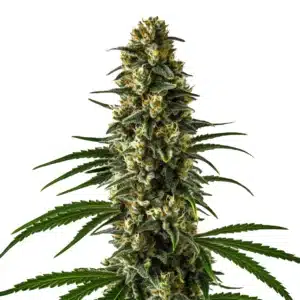
Similarly, Mimosa F1 has gained legendary status for its soaring euphoria. In technical assays, Mimosa F1 consistently tests high in Beta-Caryophyllene and Pinene. While large doses can become sedative, micro-dosing this strain provides a clear-headed focus that is ideal for creative professionals. For those seeking a classic, unadulterated “upper” high, Neville’s Haze remains the benchmark. As a Haze-dominant cultivar, it produces a giggly, blissful cerebral state, though its sensitivity to pH levels and long 14-week flowering window makes it a challenge for novice growers.
Professional Cultivation Tips for Sativa Strains
- Control the Stretch: Sativas can triple in height during the first 3 weeks of flower. Use LST (Low-Stress Training) or a SCROG (Screen of Green) to manage the canopy and ensure uniform PPFD distribution.
- Monitor DLI: Because Sativas flower longer, their total life-cycle light requirement is massive. Ensure your LEDs are high-efficiency to avoid light stress during the final weeks of maturation.
- Trichome Micro-Inspection: Use a 30X-60X microscope. To maintain the “upper” effect, harvest when the heads of the glandular trichomes are fully spherical and milky. If more than 15% turn amber, the high will shift toward a “downer” experience.
- Airflow and Stomata: Sativas often have higher transpiration rates. Maintain a VPD (Vapor Pressure Deficit) between 1.2 and 1.5 kPa in late flower to prevent bud rot while allowing stomata to remain open for CO2 absorption.
- Flushing for Flavor: 10-14 days before harvest, switch to distilled or RO water. This forces the plant to consume stored nutrients (nitrates and starches), eliminating the “chemical” taste often found in poorly flushed Sativas.

Frequently Asked Questions
Is Sativa an upper or downer?
Sativa is primarily considered an upper. Its chemical composition stimulates the brain’s receptors to produce an energetic, euphoric, and focused high. This is largely due to its high THC content paired with stimulating terpenes like Limonene, which contrasts with the sedative Myrcene typically found in Indica strains.
Does sativa make you laugh more than indica?
While both can induce giggles, Sativas are technically more likely to provoke laughter because they produce a “head high” that lowers social inhibitions and enhances mood. Strains that boost dopamine and offer a cerebral buzz are the most effective for creating a lighthearted, social environment.
Can a sativa act as a downer?
Yes, under specific conditions. If a Sativa is harvested late (high amber trichome count), the THC degrades into CBN, which is sedative. Additionally, high-THC Sativas can cause an “energy crash” after the initial peak, or may cause anxiety in users with a low tolerance, mimicking a heavy physical sensation.
What makes a strain a “downer”?
A strain becomes a “downer” when it has high concentrations of Myrcene and Linalool. These terpenes have narcotic and sedative properties that promote muscle relaxation and sleep. Most Indica-dominant strains fall into this category, offering what many call a “body high” or “couch-lock” effect.
Which is better for daytime use: sativa or indica?
Sativa is the superior choice for daytime use. Because it acts as an “upper,” it provides the motivation and focus needed for daily tasks without the lethargy associated with Indicas. However, ensure you select a strain with moderate THC levels to avoid over-stimulation during work or social obligations.